
Place · 0.1 mi away
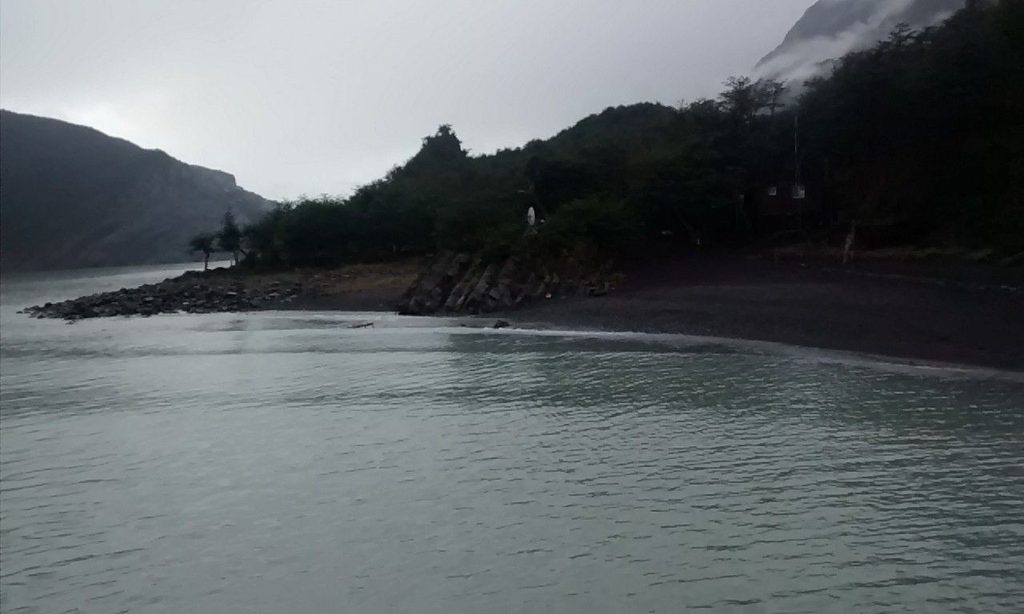
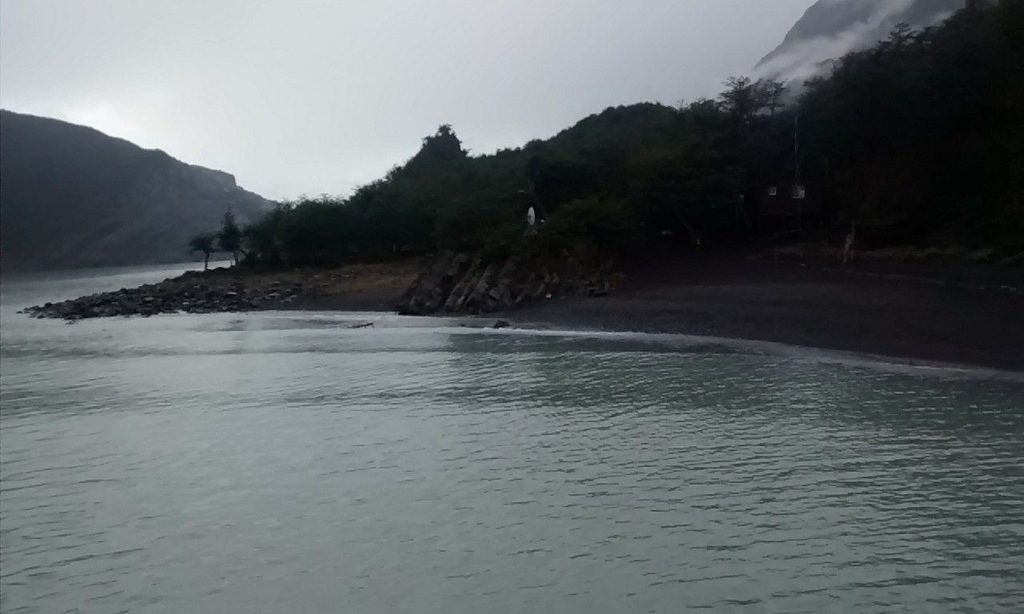
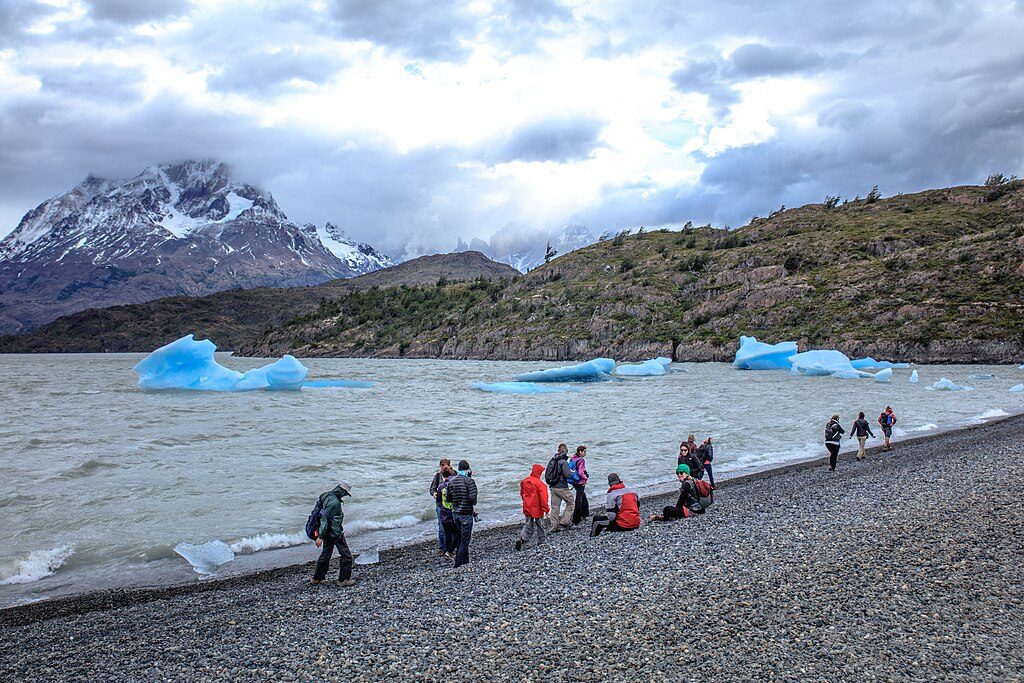
Tucked in the forest near Lake Grey and just minutes from the glacier, Grey Campground is the west‑end base for W‑trekkers and a natural stop on the O Circuit after John Gardner Pass. It balances real backcountry feel with creature comforts—think hot showers, a cozy bar, and a simple shop—so you can warm up after a windy day on the ridge and still wake to iceberg views.
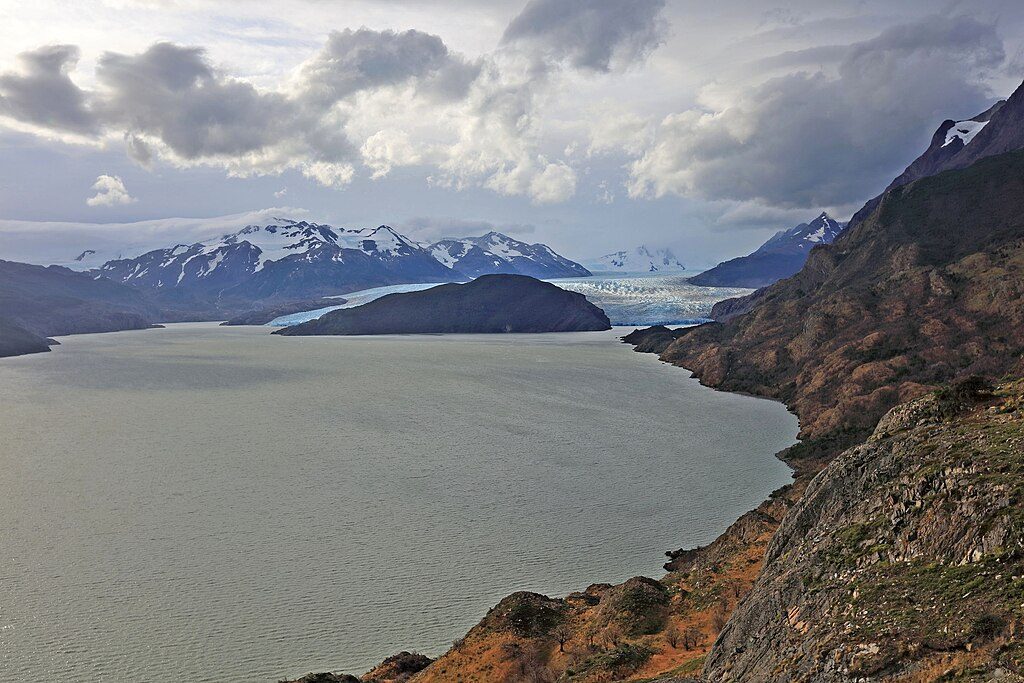
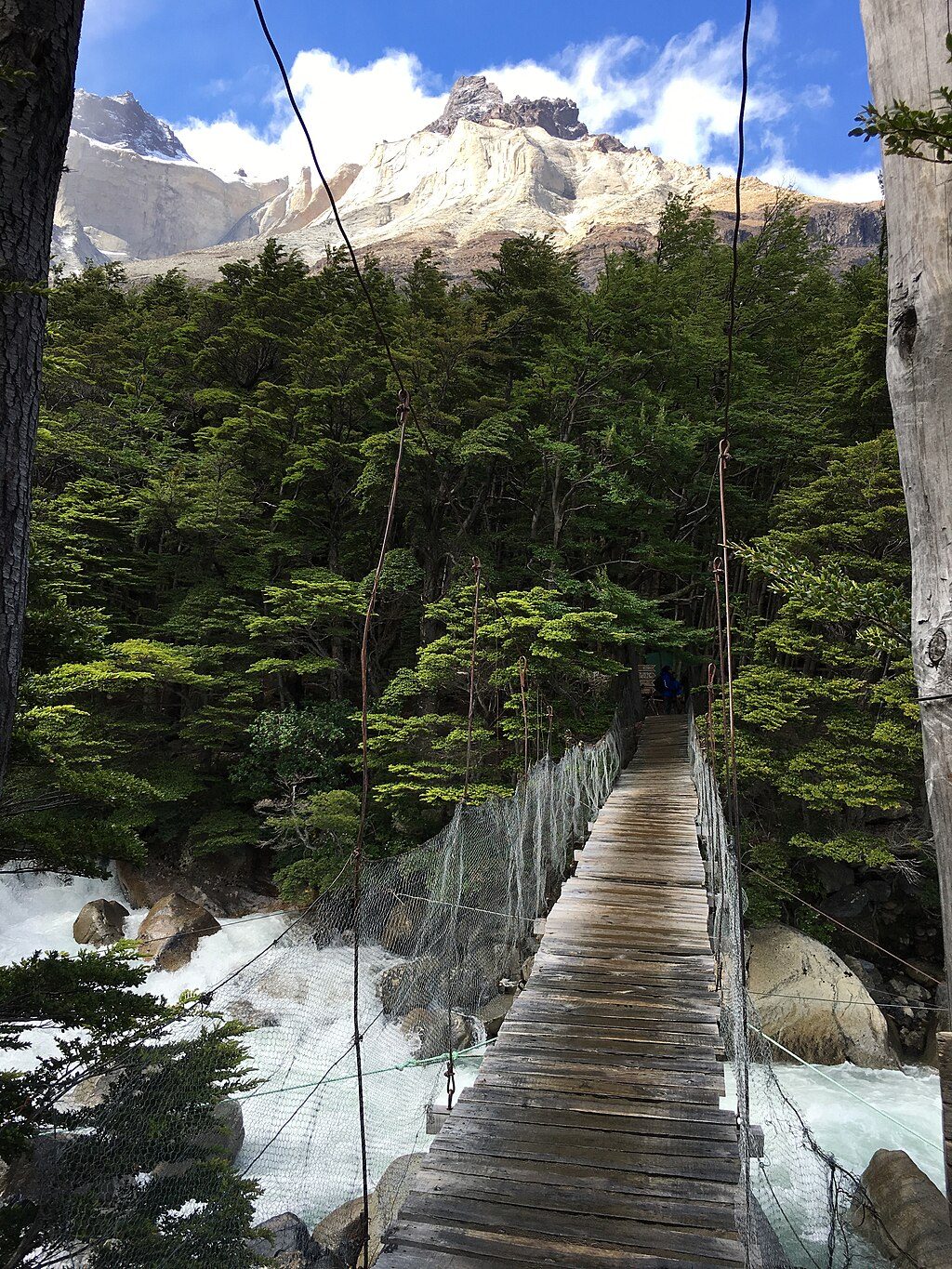
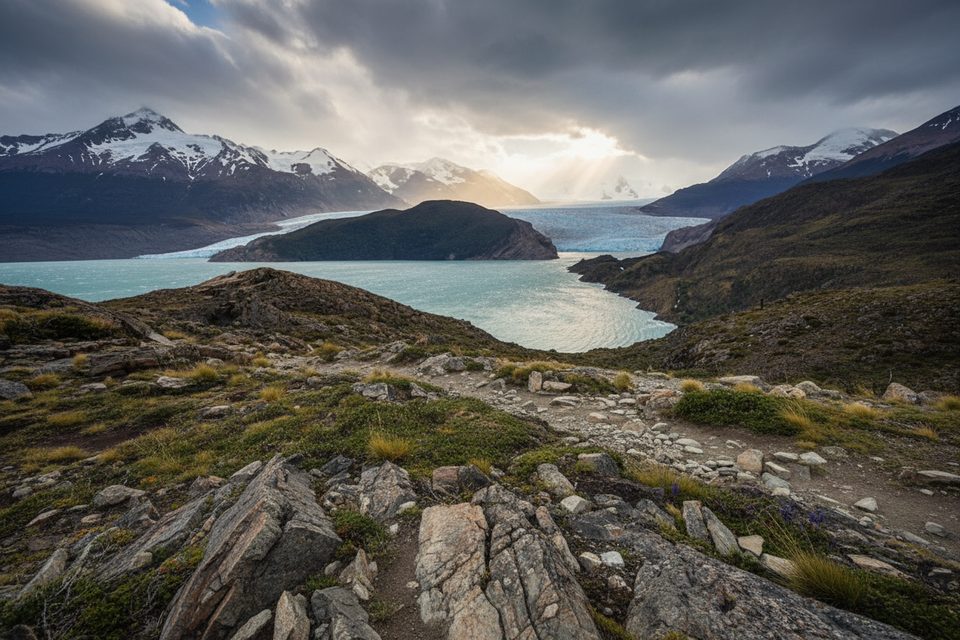
You’ll reach Grey by hiking from Paine Grande on the W or by coming over from Los Perros/Paso on the O (that day clocks roughly 17 km with ~900 m of ascent over John Gardner). It’s also connected to lake transport via the Lago Grey catamaran. Once here, the famous hanging bridges north of the refugio deliver big Grey Glacier panoramas, and extra time opens up glacier kayaking or ice‑hiking.
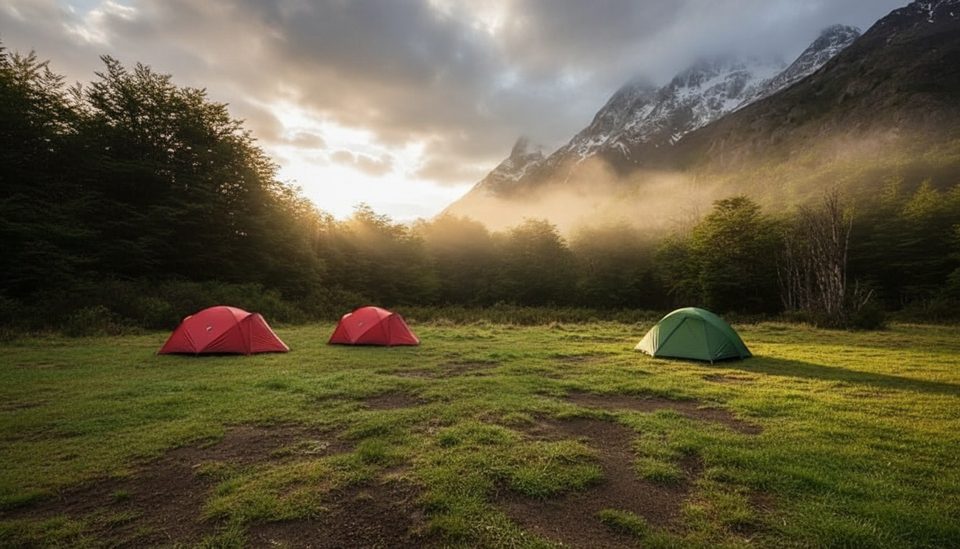
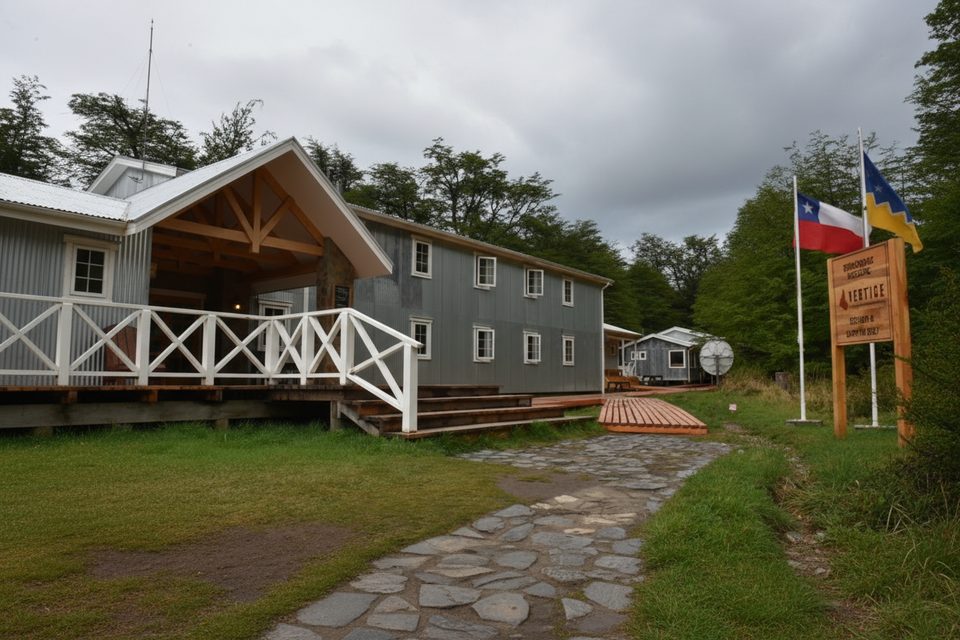
The campground is split into two areas: bring‑your‑own tent sites and a zone with pre‑pitched tents (mats and sleeping bags available when reserved). Expect shared hot showers and separate toilets, a covered kitchen/dining space where campers cook on their stoves, and a small grocery for basics. The adjacent refugio adds a dining room with set meal times, a bar, and heated common areas; full‑board meal plans are available with advance notice. Wi‑Fi is sold in time blocks and works best around the main buildings. Water is available at bathrooms or the kitchen.
A few field notes from recent visitors: some tent pads sit over roots or uneven ground; hot water follows a posted schedule; and the newer camping area sits a bit farther from the lakeshore but is more sheltered among trees.
Grey is operated by Vértice Patagonia and runs on reservations—especially important in peak season (October–April). Both camping and gear rentals must be booked in advance. Check‑in starts at 1:00 p.m.; check‑out is 9:30 a.m. You can pay for meals (including boxed lunches), and dietary needs are accommodated with advance notice. Card payments are common at the shop/bar, but carry some backup cash in case connectivity hiccups.
This corner of the park shares the same rich mix of Andean and Patagonian species: keep an eye out for condors riding the thermals and varied forest birds around camp. Across the park, guanacos are common and pumas are present but elusive—part of the broader ecosystem that makes the place special.
October–April is the prime operating window and when services are in full swing—book early. If you can spare an extra half‑day, arrive with enough daylight to walk the hanging bridges for glacier views, then settle into dinner at the refugio. Expect strong Patagonian winds year‑round, with calmer moments tucked in the trees.
Place · 0.1 mi away
Place · 0.1 mi away
Place · 0.1 mi away
Place · 0.4 mi away
Moderate · 0.1 mi away
Challenging · 5.7 mi away
Easy · 8.3 mi away
Moderate · 8.3 mi away

Parkwolf Tour Guide
