
Place · 0 mi away
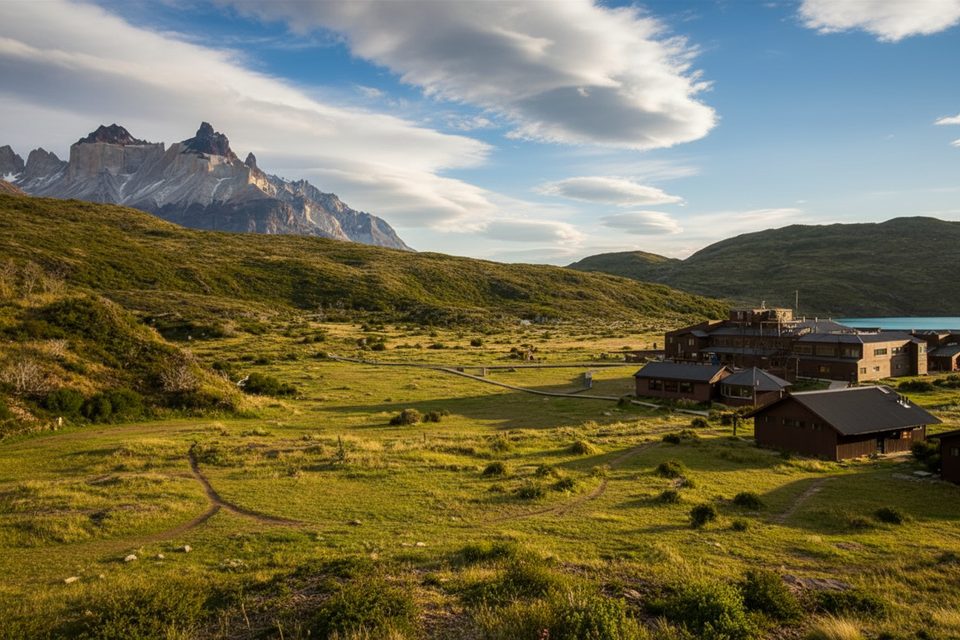
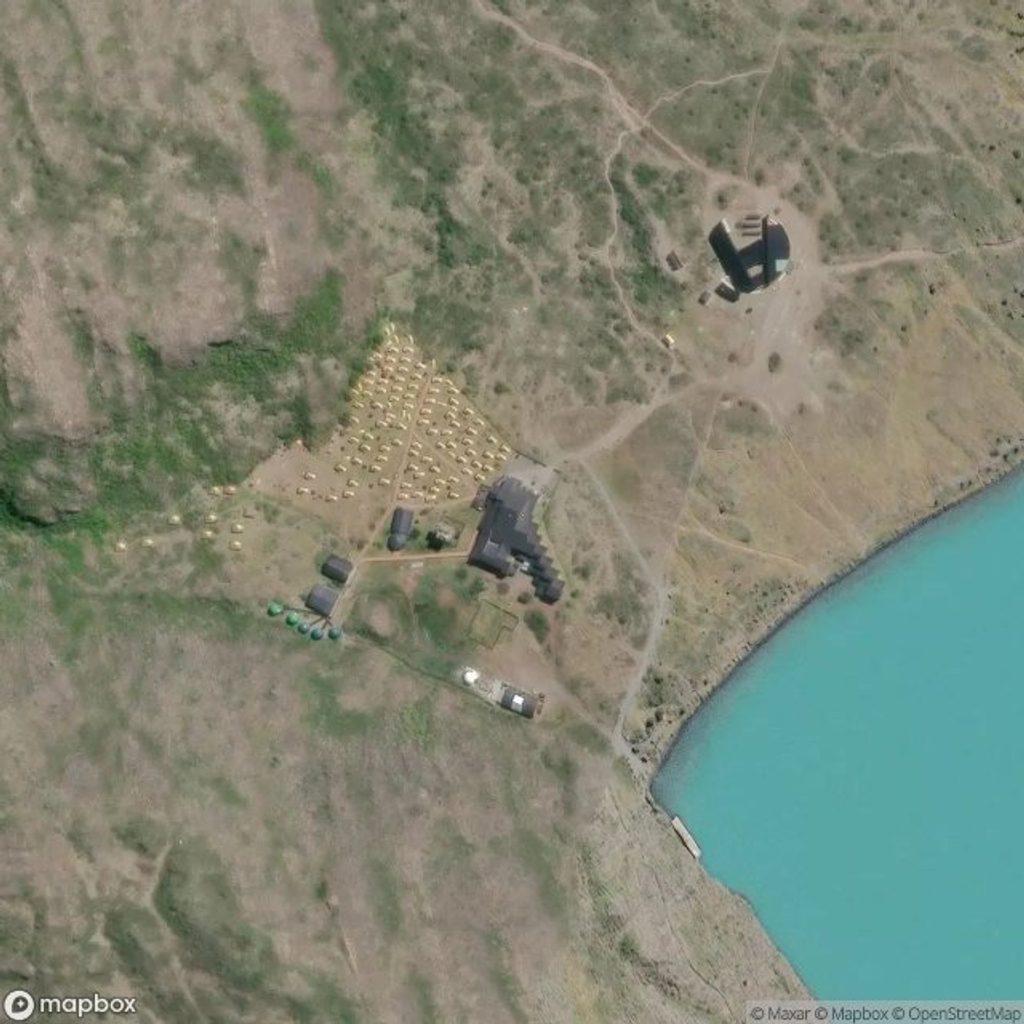
Paine Grande Ranger Station sits on the shore of Lake Pehoé and anchors the west‑side trail network. It’s a functional stop more than a standalone attraction, but it’s the nerve center for hikers tackling the classic W and O routes.
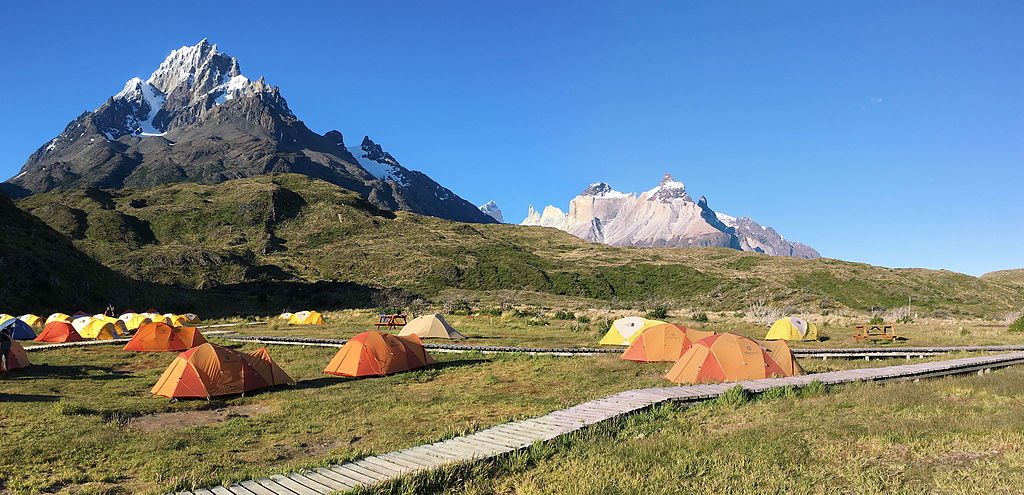
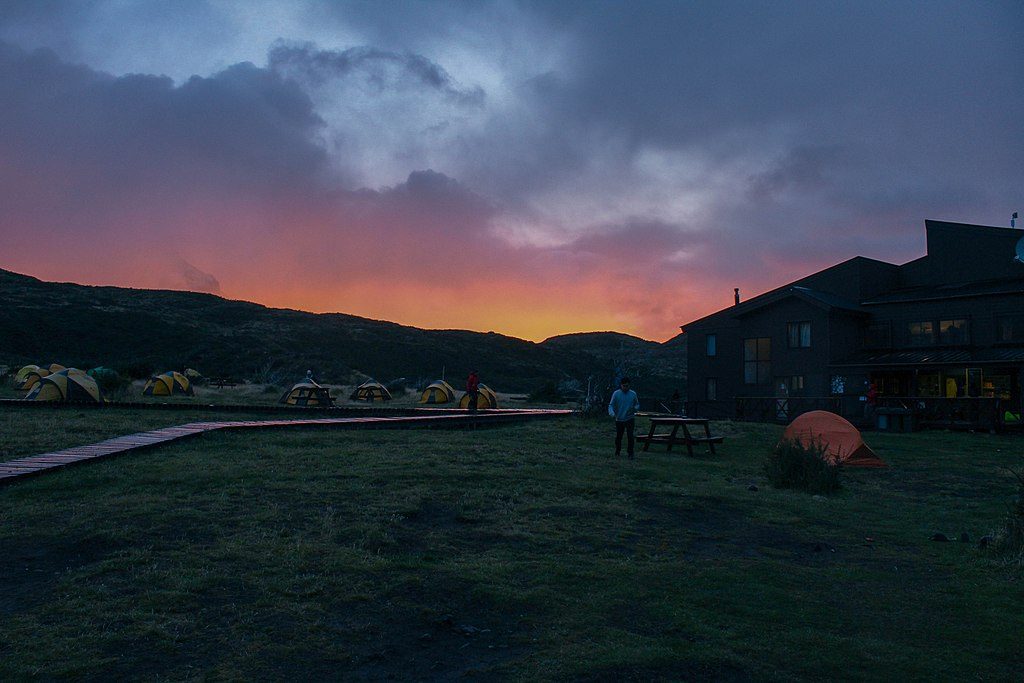
This is the easiest ferry-access point into the heart of the park and a natural place to check in with rangers for up‑to‑date guidance before heading onto the trails. The adjacent refugio/campground complex adds rare comforts in this remote corner—think hot showers, hot meals, and a small store—so it’s where many trekkers reset before big days.
Expect shared, gender‑separated bathrooms with flush toilets and hot showers at the neighboring refugio/campground; lines can form at peak evening hours, so bring a small towel, shower sandals, and a bit of spare toilet paper. There’s a restaurant (buffet style meals, packed lunches available), a bar/lounge with lake and massif views, and a small shop for trail basics. Electricity and Wi‑Fi are limited, and power may be off at night.
Getting here is typically via the Pudeto–Paine Grande catamaran across Lake Pehoé; bus connections link Puerto Natales to Pudeto. Book boat seats in advance in high season. There are no ATMs in the park—withdraw cash in Puerto Natales. Camping/refugio stays require reservations and are managed by the operator here; some free CONAF sites elsewhere are booked through the park system. Self‑guided multi‑day trekking is generally an October–April affair; in winter (May–September) a guide is commonly required.
Wind is a defining feature—especially November through January—and trails can be muddy after rain. Prices for camping and services strike some visitors as high, and the hub’s popularity means crowds and queues are part of the deal.
The broader park hosts guanacos, foxes, the elusive puma, and excellent birdlife including Andean condors and other raptors. Around this busy hub, sightings are more hit‑or‑miss, but keep your eyes up on calm stretches and always give wildlife space.
Plan your stop around the main trekking season (October–April). Expect the strongest winds in November–January and the rainiest stretch in March–April. If you want calmer facilities, aim outside the evening rush when shower and dining lines are longest.
Place · 0 mi away
Place · 0 mi away
Place · 0 mi away
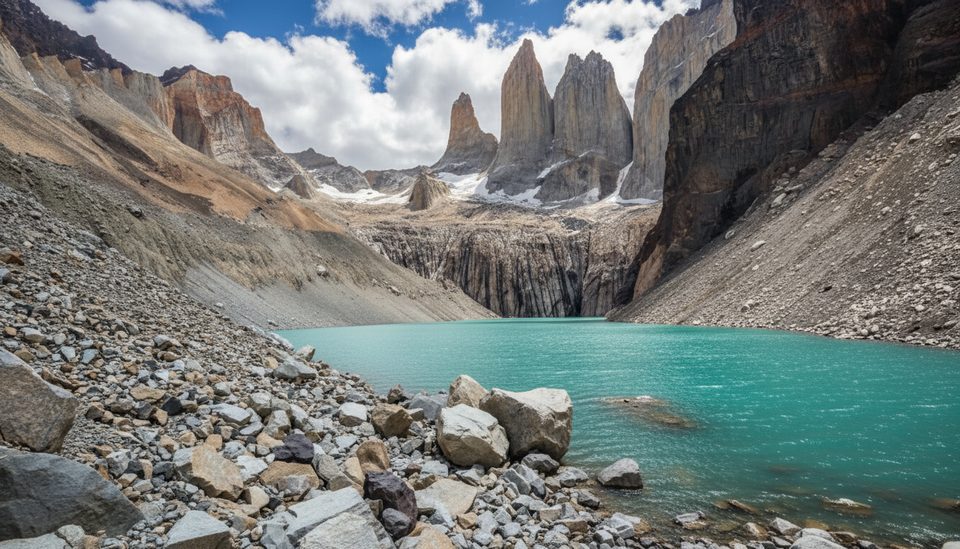
Place · 0.1 mi away
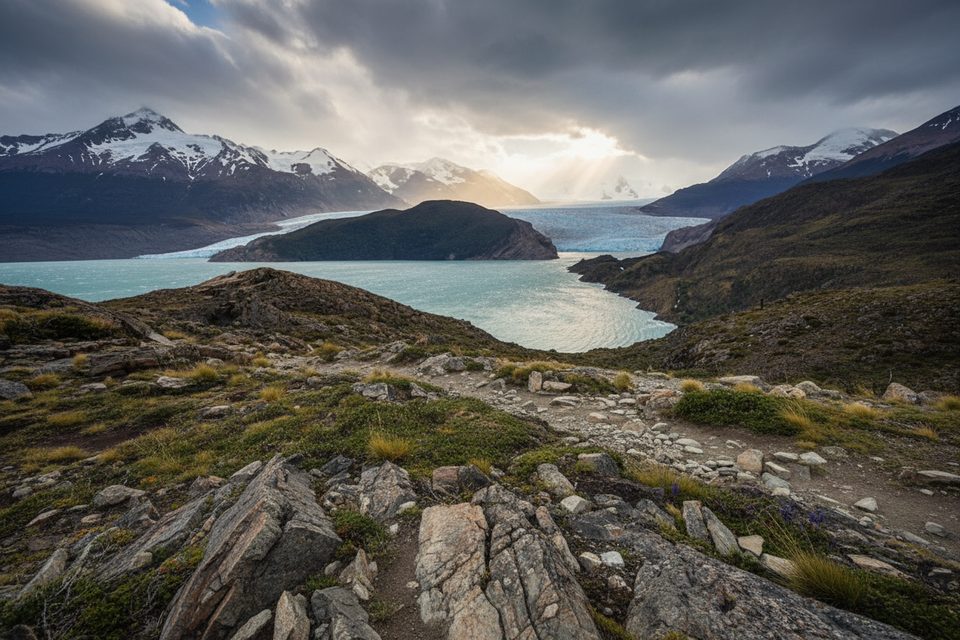
Challenging · 0 mi away
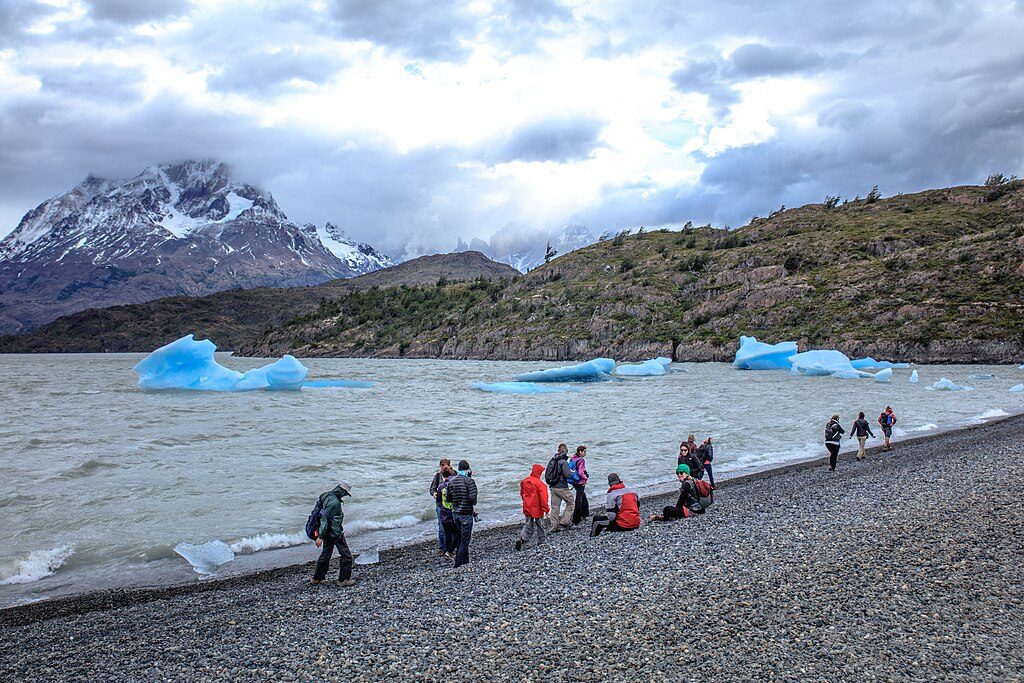
Easy · 3.9 mi away
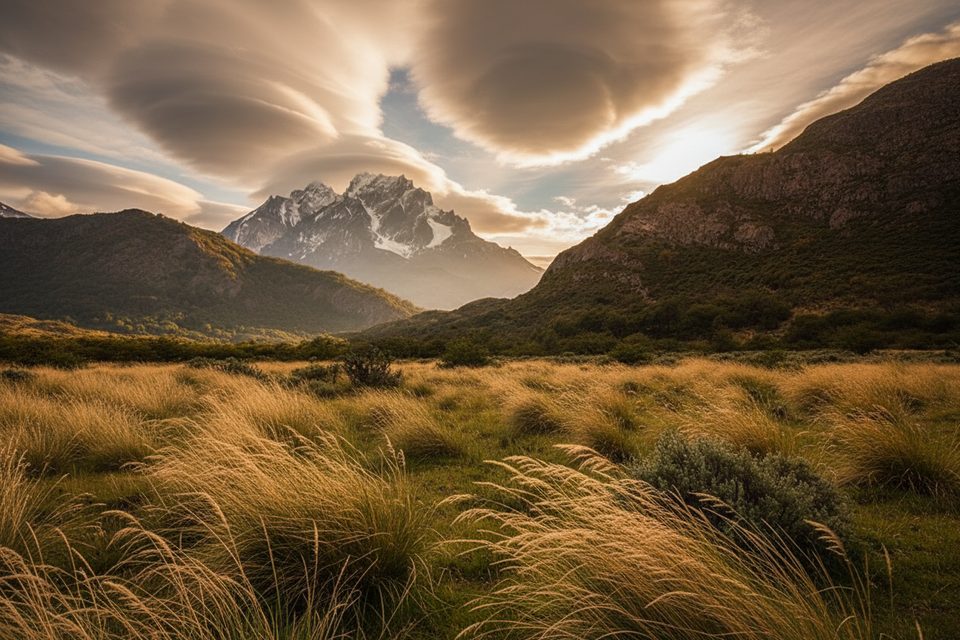
Moderate · 3.9 mi away
Moderate · 5.7 mi away

Parkwolf Tour Guide
