Refugio Seron

First O‑Circuit stop with hot showers and steppe views
Refugio Seron, Torres del Paine National Park
InsideTorres del Paine National Park

Overview

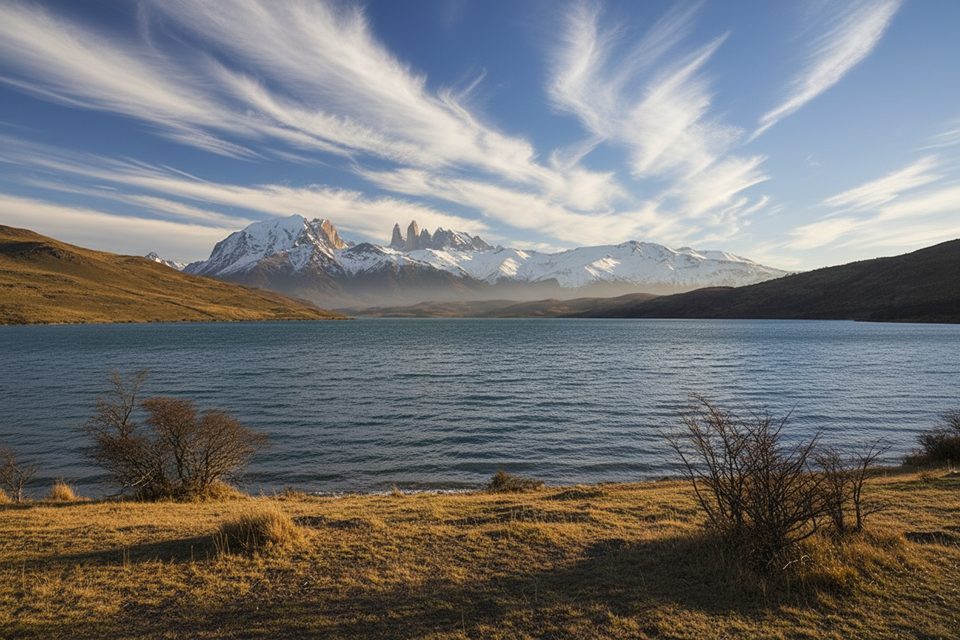
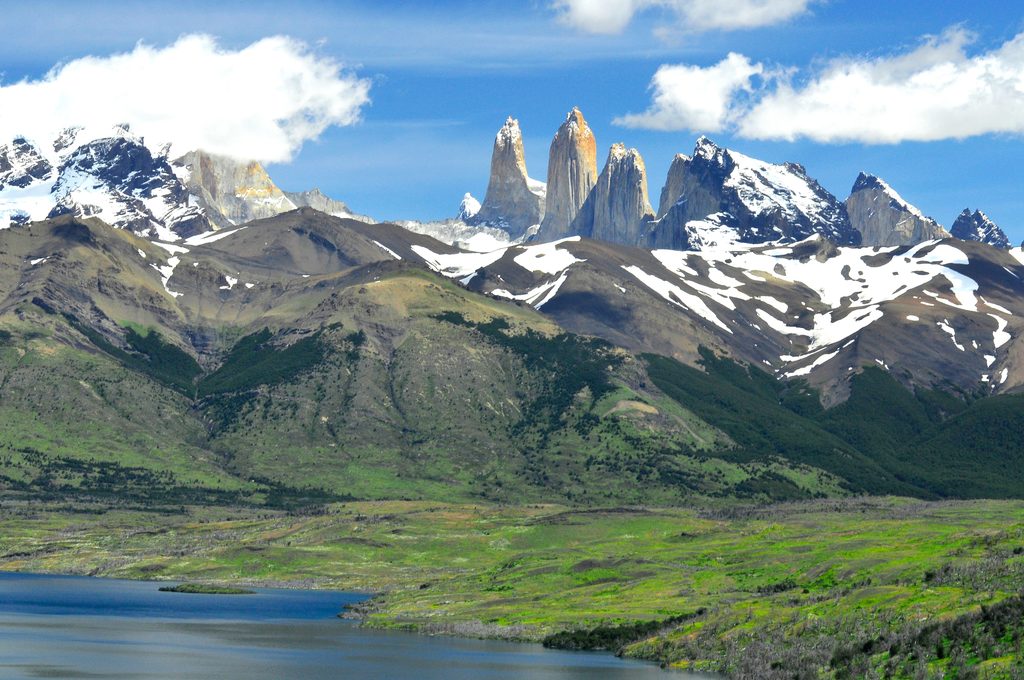
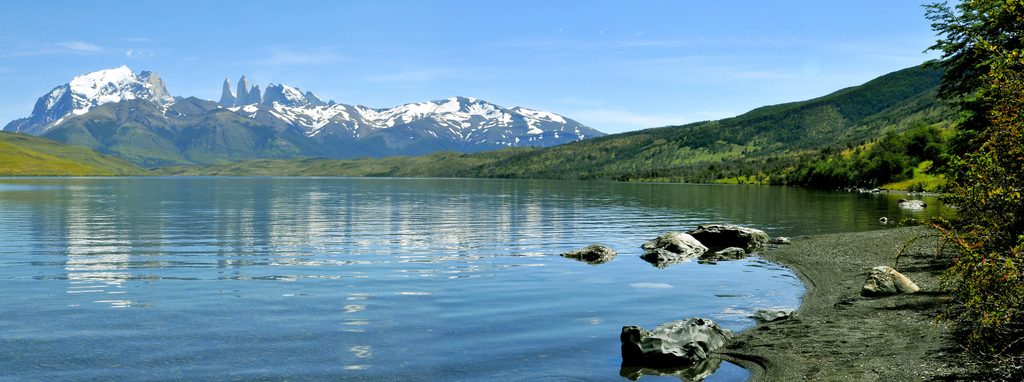
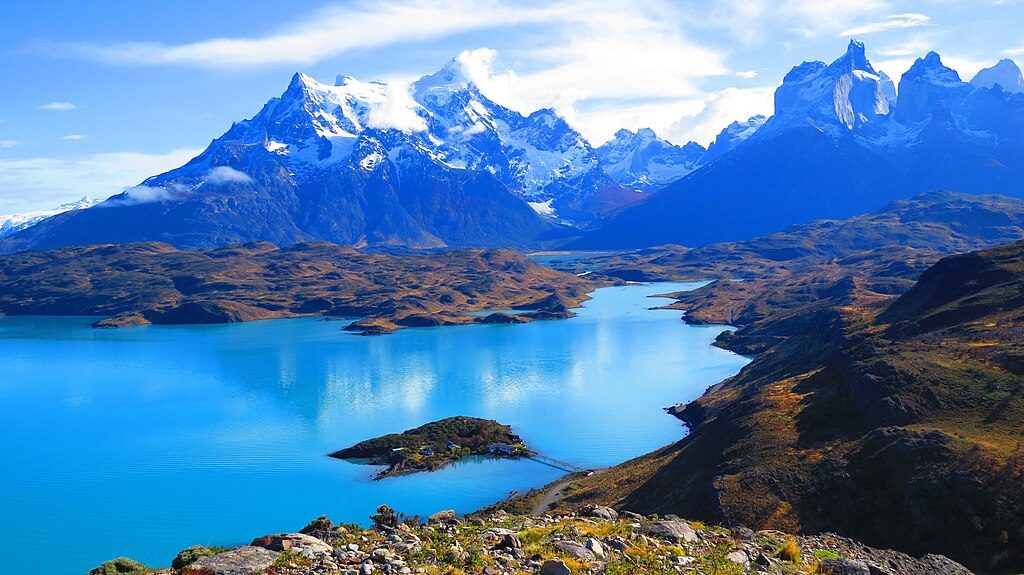
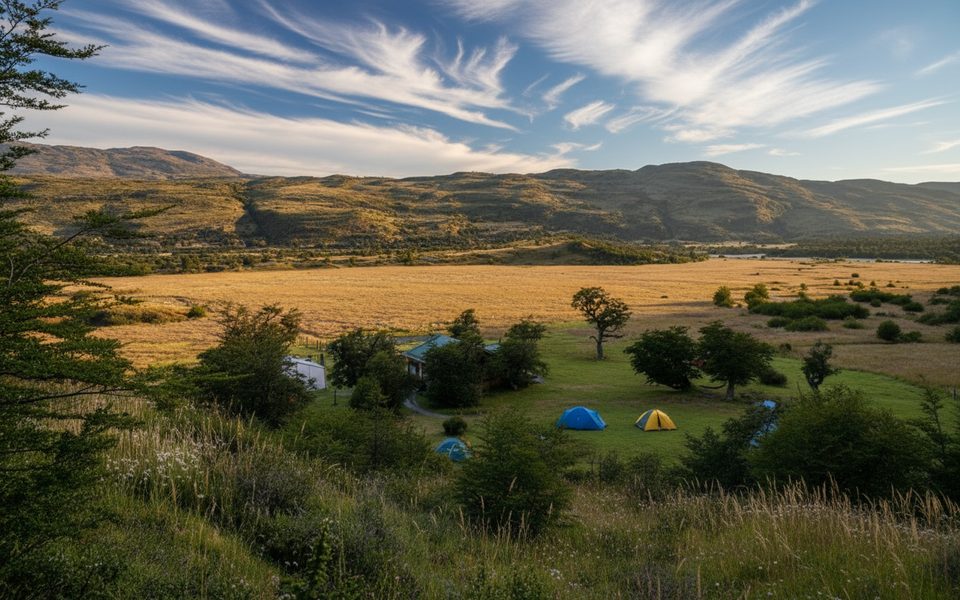
First stop on the O Circuit, Serón sits in open Patagonian steppe with big‑sky views and plenty of wind. It’s about 13.5–13.8 km (3.5–4 hours) from the Central sector, passing lenga forest patches and the Paine River. Compared to other sectors, it often feels calmer and more spacious, with golden grasslands and distant peaks framing camp.

What You’ll Find

  • Shared bathrooms with hot‑water showers (time‑windowed) and flushing toilets.
  • Dining room and a small bar, plus optional meal plans (half or full board; vegetarian on request).
  • Paid Wi‑Fi that’s basic/spotty—plan to be mostly offline.
  • Outdoor sink for drinking water and dishwashing; potable water available.
  • Modest kiosk/store for simple snacks and drinks; limited selection.
  • No personal stoves allowed here due to fire risk.

Overnight Options (2025–26 season)

  • Fully Equipped Camp (elevated tent for two, sleeping bag, mat, pillow; welcome drink): from about $150 pp (Nov–Mar) and $140 pp (Oct, Apr); single from ~$270 (Nov–Mar) and $250 (Oct, Apr).
  • Semi‑Equipped Camp (elevated tent + mat; bring your own bag): from about $110 pp (Nov–Mar) and $105 (Oct, Apr); single from ~$200 (Nov–Mar) and $190 (Oct, Apr).
  • Individual Campsite (pitch your own tent; some platforms): from about $50 pp (Nov–Mar) and $40 (Oct, Apr); single from ~$90 (Nov–Mar) and $70 (Oct, Apr). Tent rental from ~$65 (Nov–Mar) and $60 (Oct, Apr).
  • Meal plans: Full board roughly $130 standard ($180 on Dec 24–25 and Dec 31–Jan 1); Half board roughly $90 standard ($140 on those holiday dates). Dinner typically excludes beverages.

What It’s Like

Expect wind, exposure, and steppe views—elevated tents help when the ground is wet. Facilities are functional but shared, so plan on shower queues in peak months and a compact, crowded cooking tent for those not on meal plans. Service and pricing draw mixed reviews; book early and keep expectations practical.

Wildlife

Guanacos and Andean condors are commonly seen en route and around camp; foxes occasionally nose around at night. Keep food secured and give wildlife space.

Best Time to Visit

Nov–Mar is peak season with higher prices and the most demand; Oct and Apr are shoulder months with slightly lower rates and fewer people. Start hiking early from Central to reach camp with time to check in, snag a shower, and make the dinner window (dinner around 7 pm; breakfast around 7 am). Wind can kick up any time of day—layers are your friend.

Practical Notes

Bring a power bank, offline maps, and earplugs for flapping‑tent nights. With stoves banned, either reserve meals ahead or carry simple no‑cook foods. Water is available on site, but a small filter or purification tabs are smart backup.

Pros

  • Hot showers and flush toilets
  • Meal plans with a dining room and bar
  • Pre‑set elevated tents available for a drier, easier night

Cons

  • Personal stoves are prohibited, so plan no‑cook meals or buy meal plans
  • Showers run on a schedule and lines form in peak season
  • Own‑tent sites can be pricey and book out quickly

Tips

  • Reserve campsites and meal plans well ahead for Nov–Mar dates.
  • Start early from Central so you can check in and shower before dinner.
  • Pack windproof layers and earplugs—the steppe can howl at night.
  • Bring a power bank and offline maps; Wi‑Fi is paid and unreliable.
  • Carry a small filter or tabs and secure food to deter curious foxes.
The Parkwolf tour guide sitting on a phone mounted in a car

Parkwolf Tour Guide

Like a tour guide in your car.

Save the places you found around Torres del Paine, then let Parkwolf guide the drive between them.Download Parkwolf on the App Store