
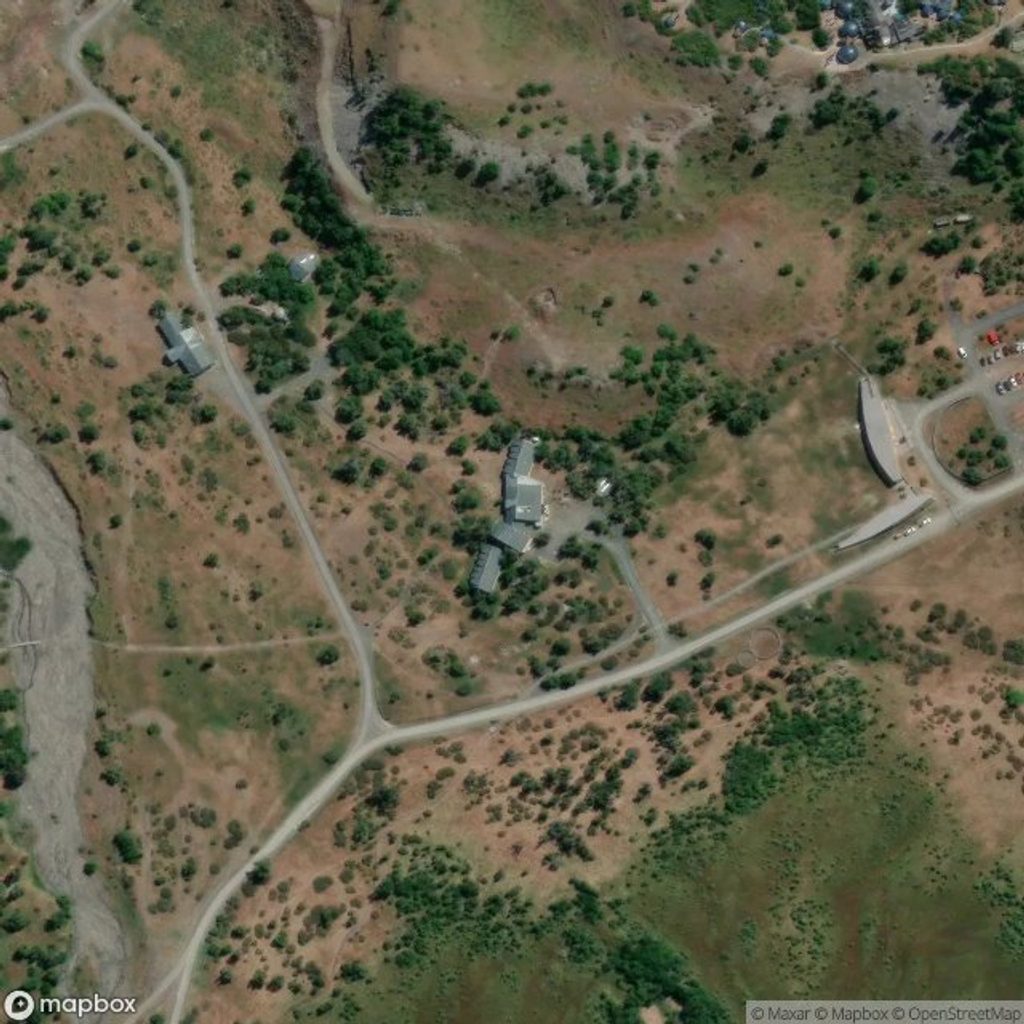
Place · 0.1 mi away
Moderate
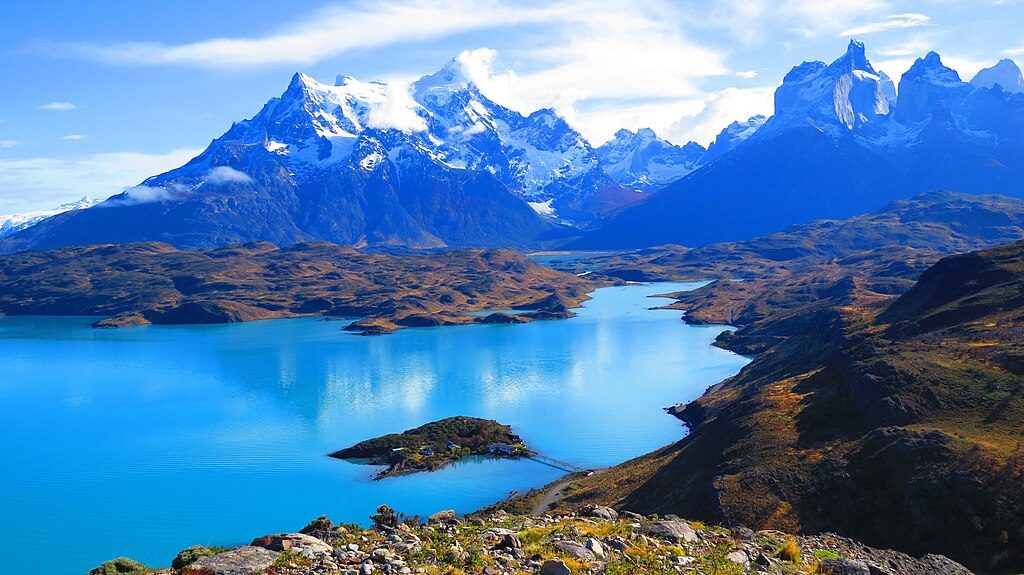
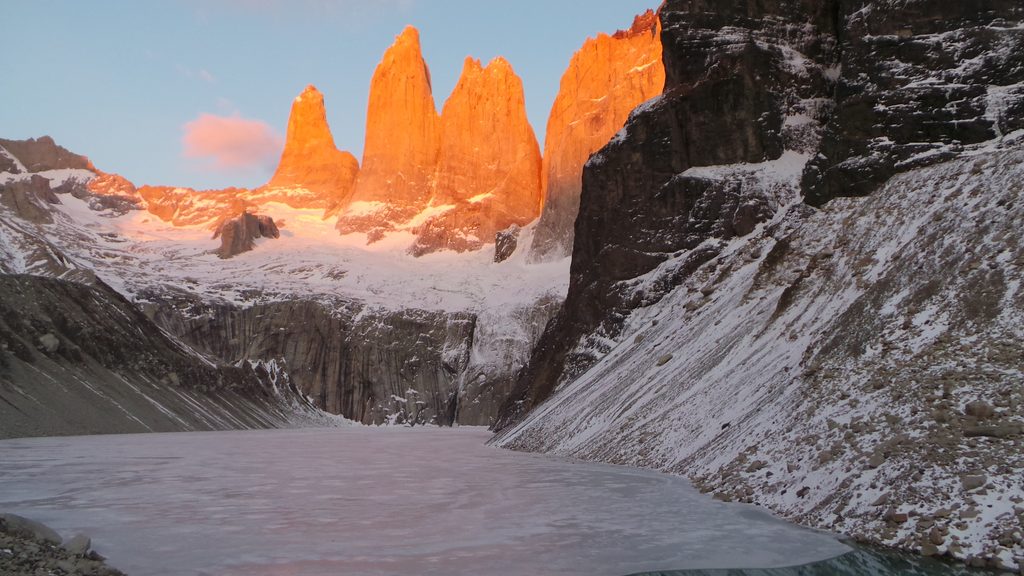
The W Trek is Torres del Paine’s signature multi‑day route, a roughly 80 km/50 mile total traverse linking Grey Glacier, the Francés Valley, and the base of the iconic granite towers. Expect a moderate backpacking trip with one truly hard climb to the Mirador Torres and sustained ups and downs in the Francés Valley. Trails are well‑established, but Patagonia’s weather—especially wind—adds difficulty and drama.
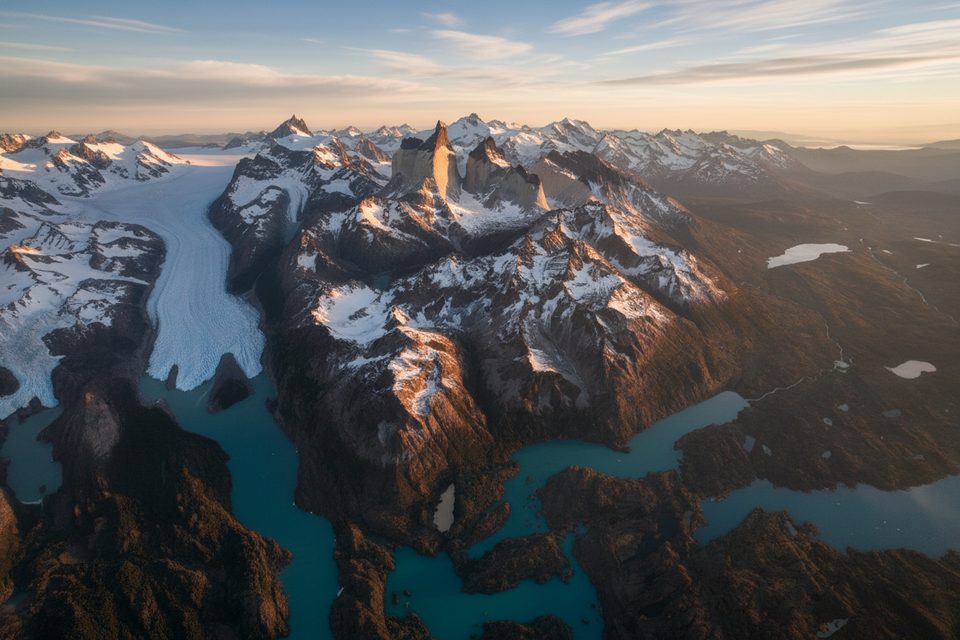
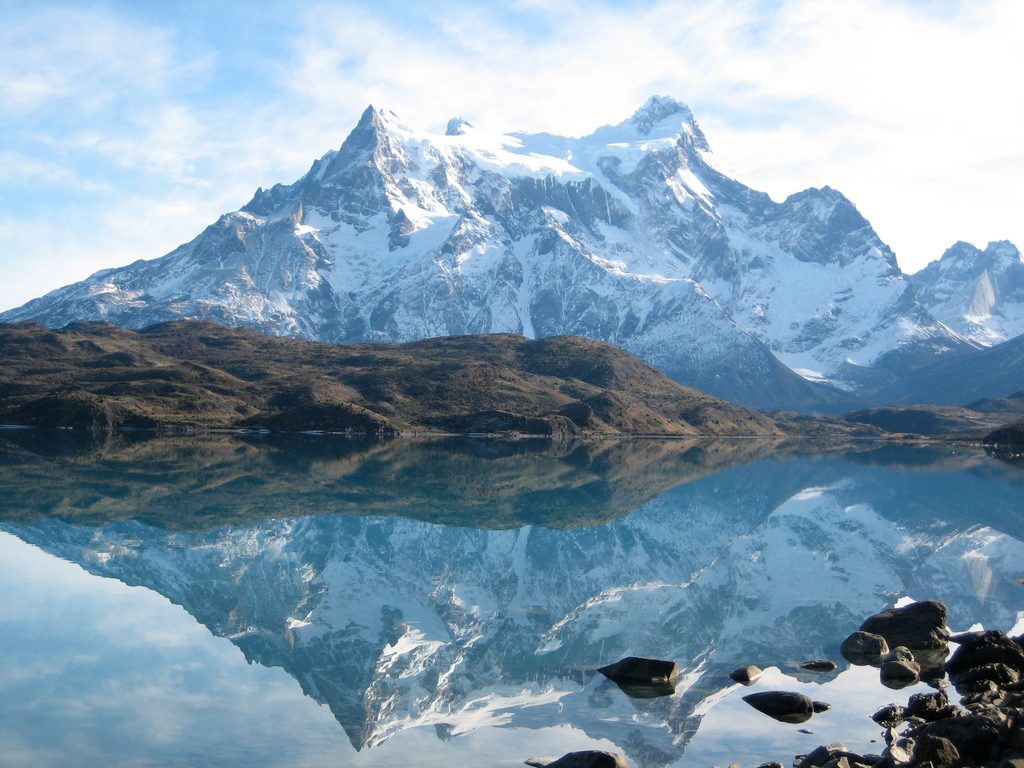
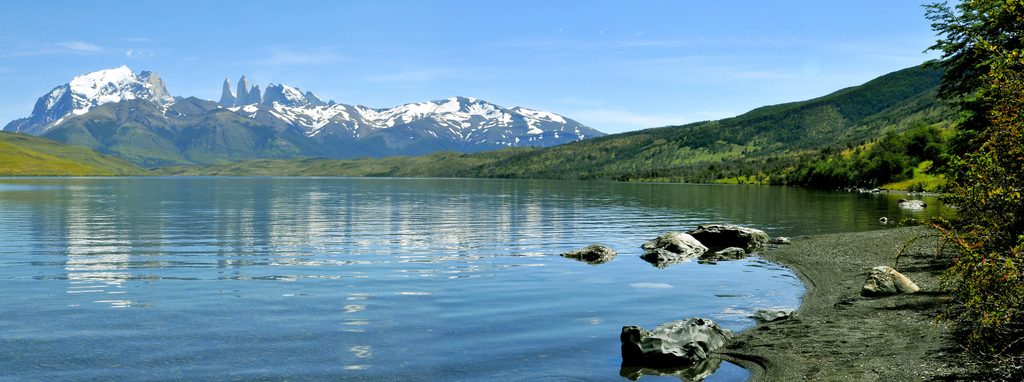
Glacial blue dominates the west: the vast Grey Glacier and its iceberg‑strewn lake. In the middle, the Francés Valley rises beneath the banded “horns” (Cuernos) for big‑wall views. Finish (or start) with the soaring granite spires of the towers themselves. Much of the route passes through unspoiled southern beech (lenga) forest, with moody, cloud‑streaked skies and huge horizons.
Peak trekking season is the Chilean summer (December–February) with the warmest temperatures and longest days; it’s popular, so book early. For fewer crowds, try October, March, or early April—just prepare for more variable weather. Self‑guided trekking is allowed October–April; from May–September a licensed guide is generally required. February often sees the least rainfall.
Buy your park entry online in advance and download the QR before leaving Puerto Natales—there’s little to no signal in the park. For multi‑day visits, expect adult entry pricing in the CLP 44,500–46,200 range. You must hold reservations for every night (campground or refugio); rangers may check. Dispersed camping and open fires are forbidden, and cook stoves are only allowed in designated kitchen areas. Pets are not allowed.
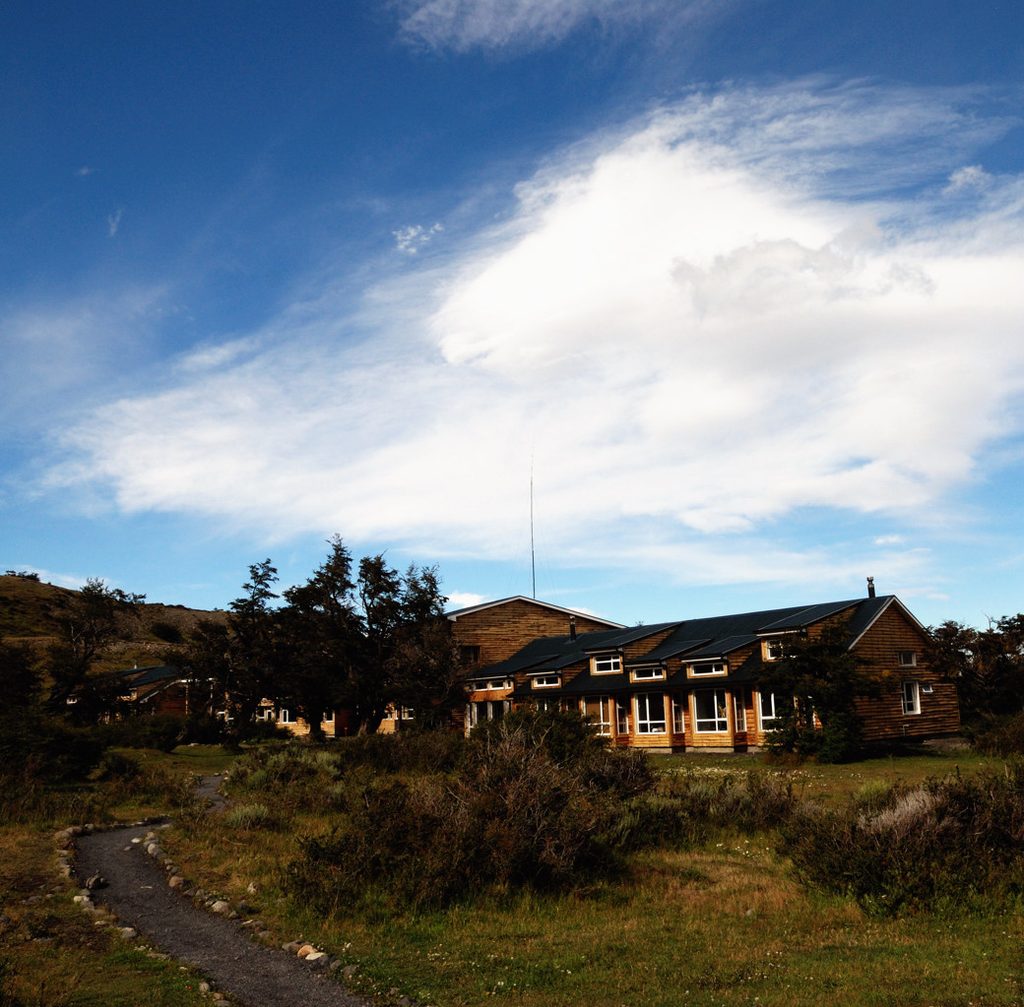
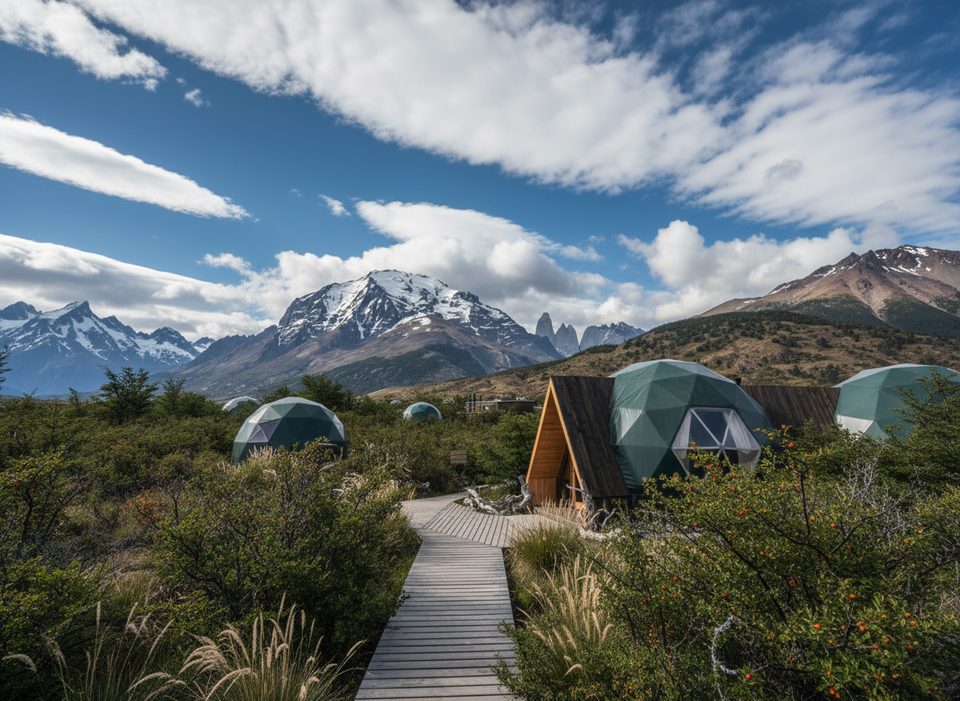
Two companies manage most stays: Vertice (Grey, Paine Grande) and Las Torres (Central, Francés, Cuernos, Chileno). Prices and amenities vary widely—Vertice tends to be cheaper; Las Torres offers more premium options—both sell meal plans. Even if you’re camping, you can typically use refugio common areas, showers, charging points, and small shops; Grey and Paine Grande are especially good “reset” hubs.
West→east is the crowd favorite so you crescendo to the towers; east→west lets you tackle the hardest climb first and may feel quieter early in the day. Some days reach about 18 km/11 miles. A handy trick: leave your big pack at a ranger station or campsite for side trips into the Francés Valley and up to the towers, then retrieve it on the way back.
Most hikers stage in Puerto Natales. For a west start, take the bus to Pudeto and the catamaran across Lake Pehoé to Paine Grande. For an east start, bus to Laguna Amarga for access to the Las Torres area. Book transportation and overnights early during high season.
Yes—this is one of South America’s marquee treks. It’s busy in summer and logistics take effort, but the scenery is world‑class and varied day to day. If you want an even bigger adventure and have more time, the O Circuit loops around the range and shares parts of the W.
Most hikers bus from Puerto Natales: start west via Pudeto ferry to Paine Grande, or east via Laguna Amarga for the Las Torres side; there isn’t a single trailhead parking setup for the full traverse.
Patagonian wind can be violent, especially near Paine Grande. Buy park entry online and download the QR before entering (no signal). Rangers may check your nightly reservations. No wild camping or open fires; use stoves only in designated kitchen areas. Self‑guided trekking is generally limited to October–April; May–September requires a licensed guide. Pets are not allowed.
Place · 0.1 mi away
Place · 0.1 mi away
Place · 0.1 mi away
Place · 0.1 mi away
Challenging · 0 mi away
Challenging · 0 mi away
Challenging · 0 mi away
Easy · 8.2 mi away

Parkwolf Tour Guide
