
Place · 0.1 mi away
Challenging
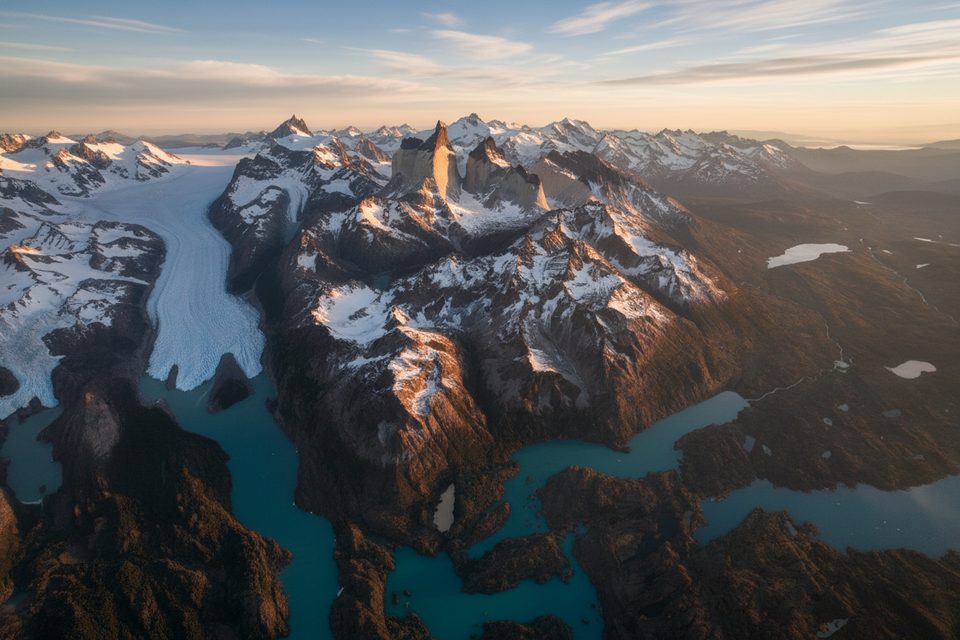
The O Circuit is Torres del Paine’s full-value loop—roughly 75 miles total—wrapping the entire Paine massif and absorbing the famous W section along the way. Expect true backcountry on the park’s remote “backside,” then busier, amenity-rich stretches as you swing through the W. It must be hiked counter‑clockwise, which spreads groups and funnels everyone over John Gardner Pass from Los Perros to Grey.
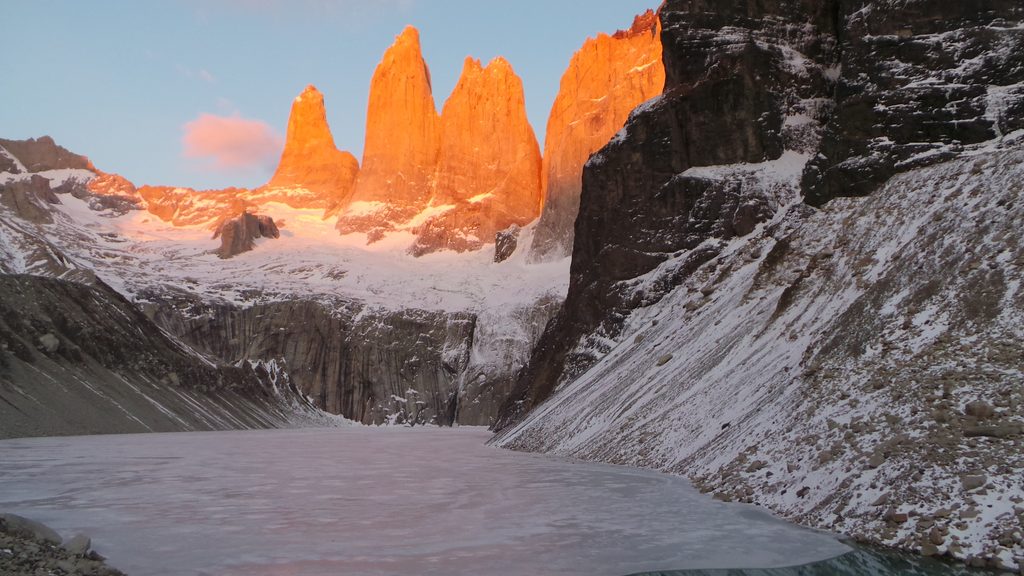
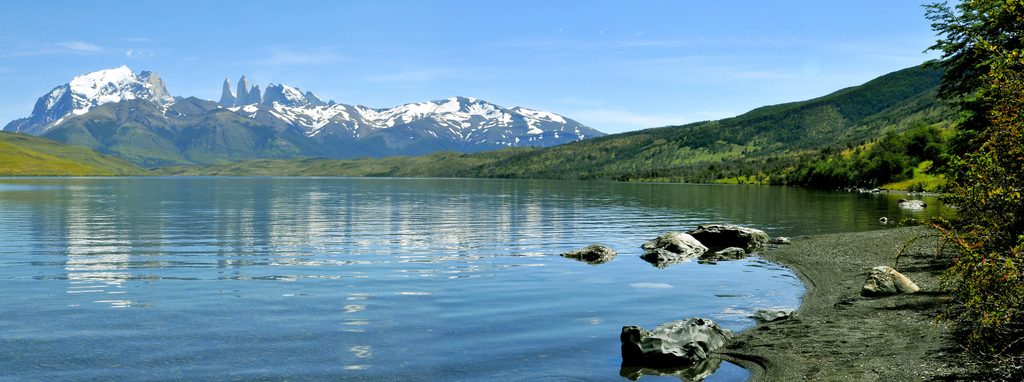
John Gardner Pass is the make‑or‑break day: steep climbing, a long descent, and absurdly good views draped over Grey Glacier. On the front side, the French Valley (with Mirador Británico) packs a punch, and Base Torres (Mirador Las Torres) delivers the classic three‑tower skyline. Dickson Lake and the Dickson and Grey glaciers add that icy, other‑planet texture you came for.
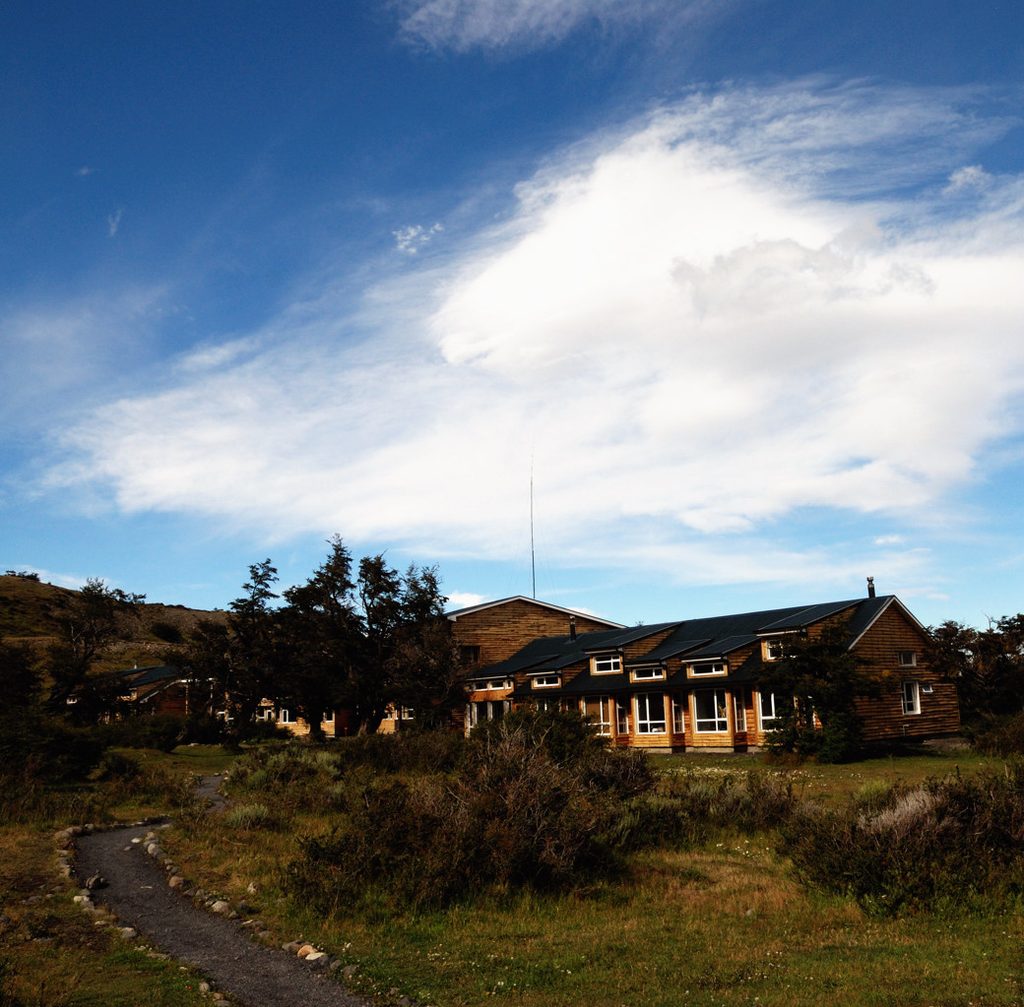
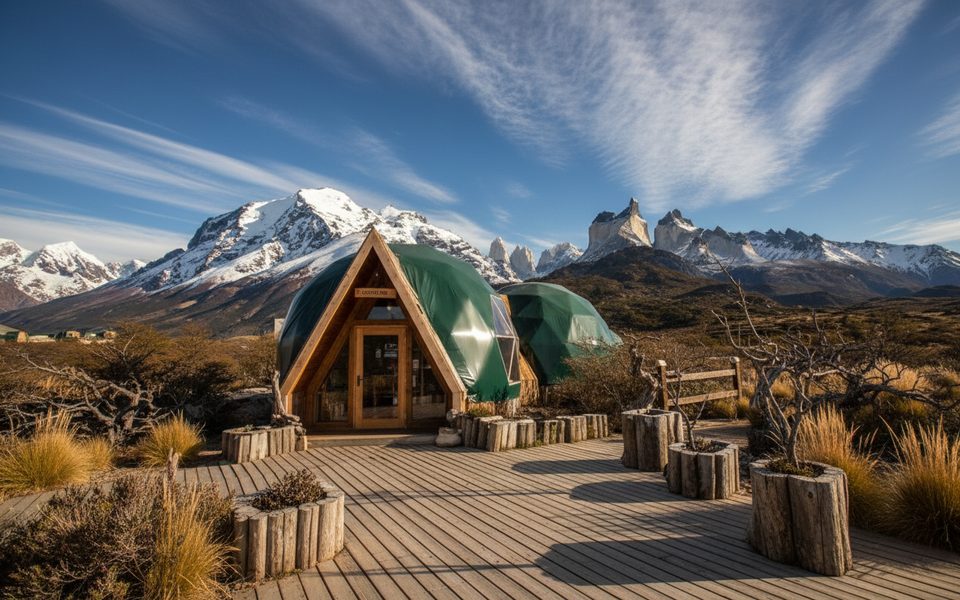
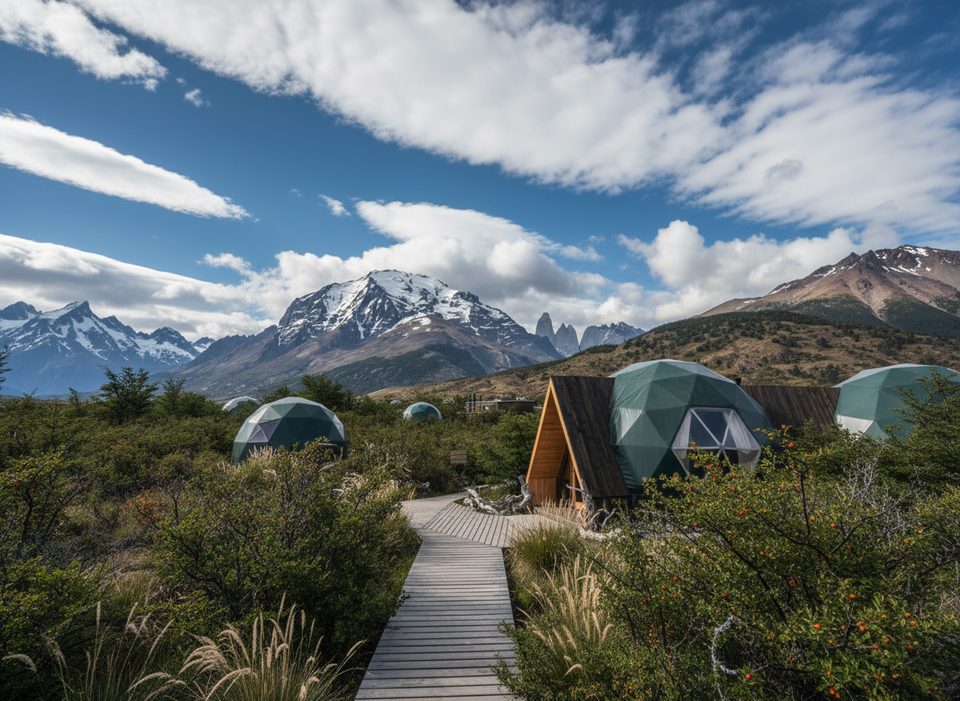
You’ll sleep only in designated refugios/campgrounds run by two companies: Las Torres Patagonia (Central, Serón, Francés, Cuernos, Chileno) and Vértice Patagonia (Dickson, Los Perros, Grey, Paine Grande). Facilities are better than you might expect for Patagonia: flush toilets, potable water, and proper cooking shelters/indoor kitchens are the norm. Some spots sell snacks, meals, or even Wi‑Fi, but don’t bank on connectivity. Dispersed camping and cooking outside designated kitchens are strictly forbidden due to wildfire risk. Former CONAF free campgrounds (Paso, Italiano, Torres) have remained closed since the pandemic.
There’s no central system. You must reserve every night in advance directly with Las Torres and Vértice, and popular dates sell out months ahead. Typical booking windows open between June and September for the following season. Pro move: hold the Vértice “backside” around your Los Perros date first, then match the Las Torres nights, staying flexible between Francés and Cuernos.
The O is generally open November 1–March 31. November brings clearer views and fewer people but lingering snow possible on high ground. December–February is peak: long daylight, warmer temps, stronger winds, and crowded W‑side camps—book far ahead. March cools off, crowds thin, and fall color kicks in. No matter the month, Patagonia is famous for all four seasons in a single day—sun, rain, and even summer snow on the pass.
Call it challenging: long back‑to‑back days, sustained climbs/descents, and serious wind. CONAF will close sections—especially John Gardner Pass—when weather demands it. You must carry confirmed reservations to enter the mountain area, follow the counter‑clockwise flow, and cook only in designated kitchens. Plan on packing out trash where required, and don’t expect cell service. The W side can feel crowded and pricey; the backside delivers the quiet you wanted.
As of December 3, 2025, CONAF temporarily closed the mountain circuit (the “O”) in mid‑November 2025 to support search‑and‑rescue/investigations. Conditions change—verify the status before you commit travel or bookings.
If you’re choosing between Francés and Cuernos on the W segment, many hikers prefer Cuernos’ layout and vibe. Aim to reach Base Torres for sunrise if weather cooperates, and bring trekking poles for the long, knee‑testing descent off John Gardner Pass.
Most hikers bus from Puerto Natales (~3 hours) to the park and start near the Central sector after entering via Laguna Amarga. If driving, enter at an official gate (Laguna Amarga, Sarmiento, or Serrano) and proceed to the Central area to begin the counter‑clockwise loop.
Highly volatile weather, relentless wind, and a mandatory counter‑clockwise flow. John Gardner Pass is committing and often closes in bad weather. No fires, no wild camping, and cooking only in designated kitchens. Reservations for every night are required to enter the mountain area. As of Dec 3, 2025, the O was under a temporary CONAF closure—check current status before traveling.
Place · 0.1 mi away
Place · 0.1 mi away
Place · 0.1 mi away
Place · 0.1 mi away
Challenging · 0 mi away
Moderate · 0 mi away
Challenging · 0 mi away
Easy · 8.2 mi away

Parkwolf Tour Guide
