
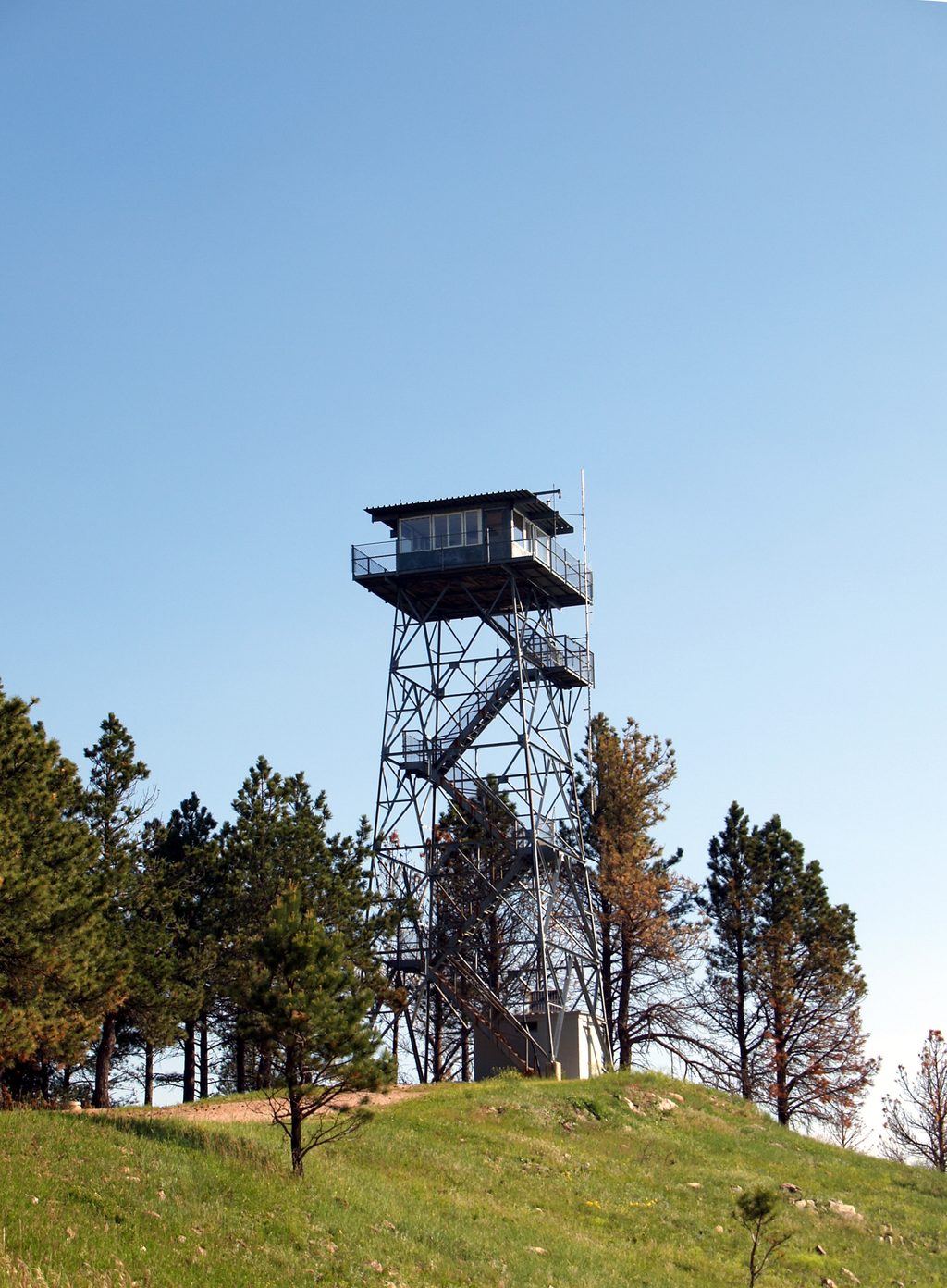
Place · 2.3 mi away
Easy
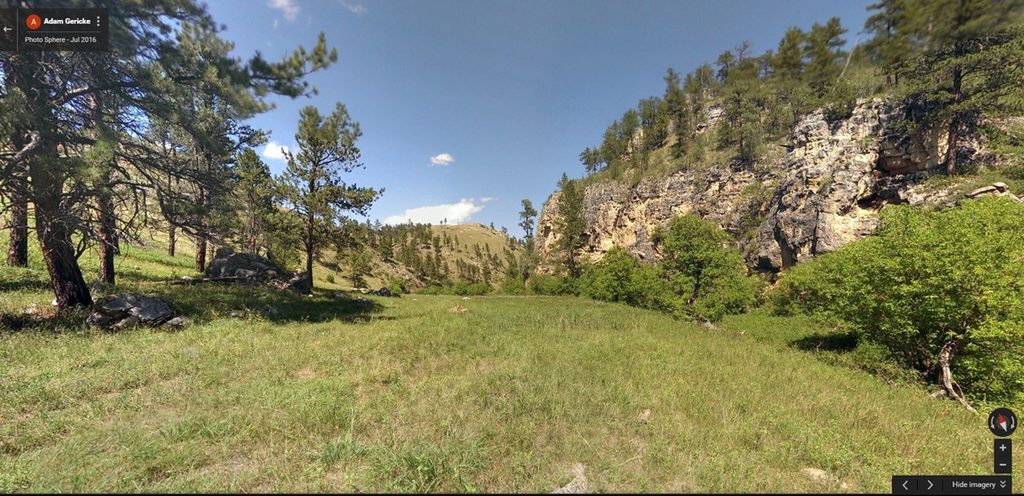
The Centennial Trail’s southern terminus spans roughly 6 miles through Wind Cave, offering gentle, open prairie walking with rolling ups and downs. It starts/ends near the Norbeck Trailhead, about 2 miles from the park’s visitor center, and heads north toward Custer State Park and the rest of the Black Hills. It’s a mellow slice of the 111‑mile route—more about big sky, grasslands, and wildlife than rugged climbing.
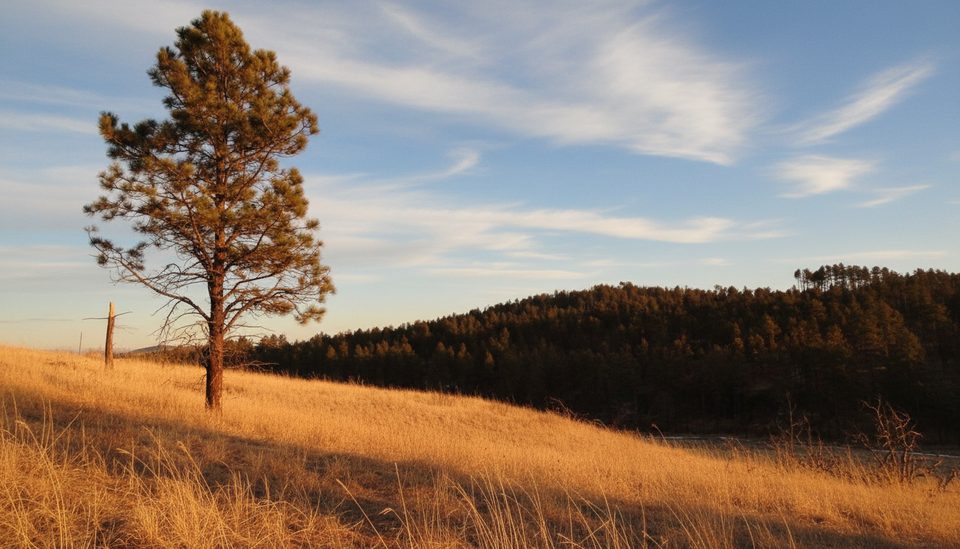
Expect classic mixed‑grass prairie: wide horizons, prairie dog towns, and very frequent bison sign—and sometimes the bison themselves. Deer and pronghorn are possible, and birdlife is steady in the open country. North of the park the trail transitions into forested hills and, much farther on, the Black Hills’ rockier terrain, but inside Wind Cave it stays largely exposed and grassy.
Plan for about 6 miles one way inside the park; most visitors sample it as an out‑and‑back from Norbeck or pair a portion with nearby trails. A popular taste is the Lookout Point + Centennial Trail Loop at about 4.8 miles (around 2 hours) that threads prairie dog towns and open views without committing to a shuttle. If you’re thru‑hiking, you’ll roll right through this section on your way toward Custer State Park.
This is high‑exposure prairie with little shade—summer can be hot and glaring, so bring sun protection and enough water. Bison are common; never approach and give them a very wide berth, even if that means leaving the trail temporarily. Reviewers note patches of poison ivy and seasonal ticks; long pants and routine tick checks are smart.
Backcountry camping inside Wind Cave requires a free permit from the park. Pets are not allowed on park trails or in the backcountry (leashed pets are limited to developed areas like roads, parking lots, and campgrounds). If you’re thru‑hiking, be aware that agencies along the broader route have different rules—check ahead. Seasonal reroutes can occur elsewhere on the Centennial (for example, a 2024 construction reroute near Veteran’s Point), so verify current updates if you’re covering big miles.
Spring through fall is prime. Spring and early summer bring cooler temperatures and fewer people. In midsummer, start early or late to sidestep heat and harsh sun and to make the most of the soft light over the prairie.
Wind Cave and the Black Hills (Paha Sapa) are sacred to the Oceti Sakowin. Move thoughtfully, give wildlife space, and follow posted guidance.
Park at the Norbeck Trailhead, about 2 miles from the Wind Cave Visitor Center; this is the park access for the Centennial’s southern terminus.
Do not approach bison—detour widely if they’re on the trail. Expect full sun, carry ample water, and watch for poison ivy and ticks. Backcountry camping in the park requires a free permit. Pets are not allowed on trails.
Place · 2.3 mi away
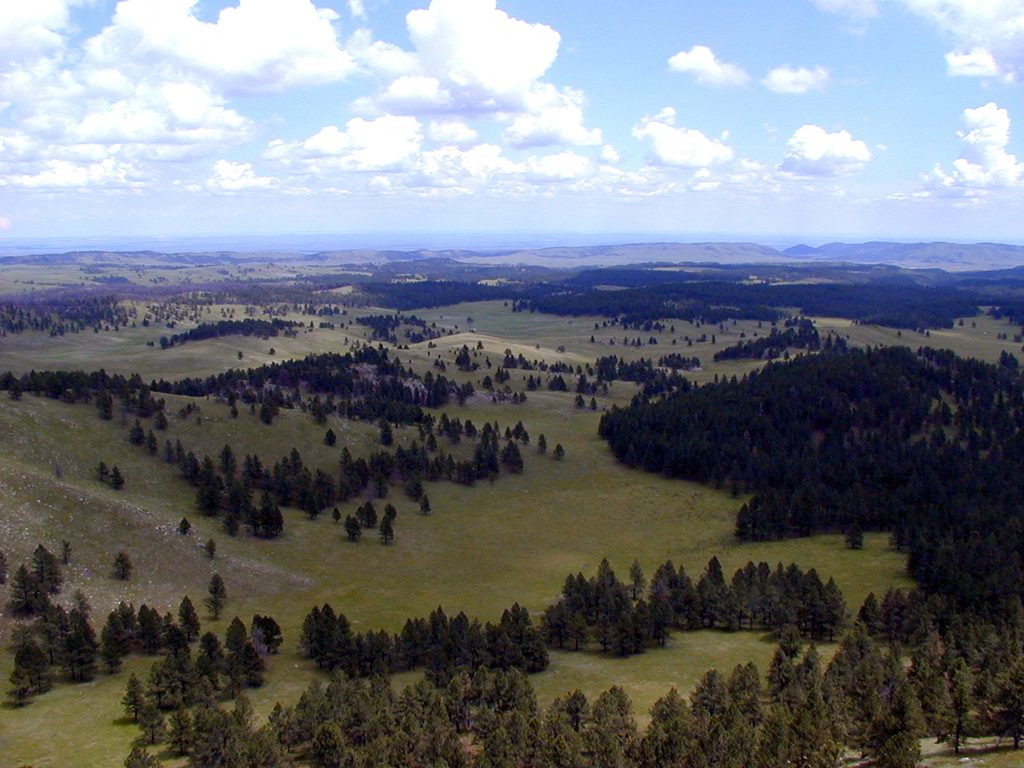
Place · 2.7 mi away
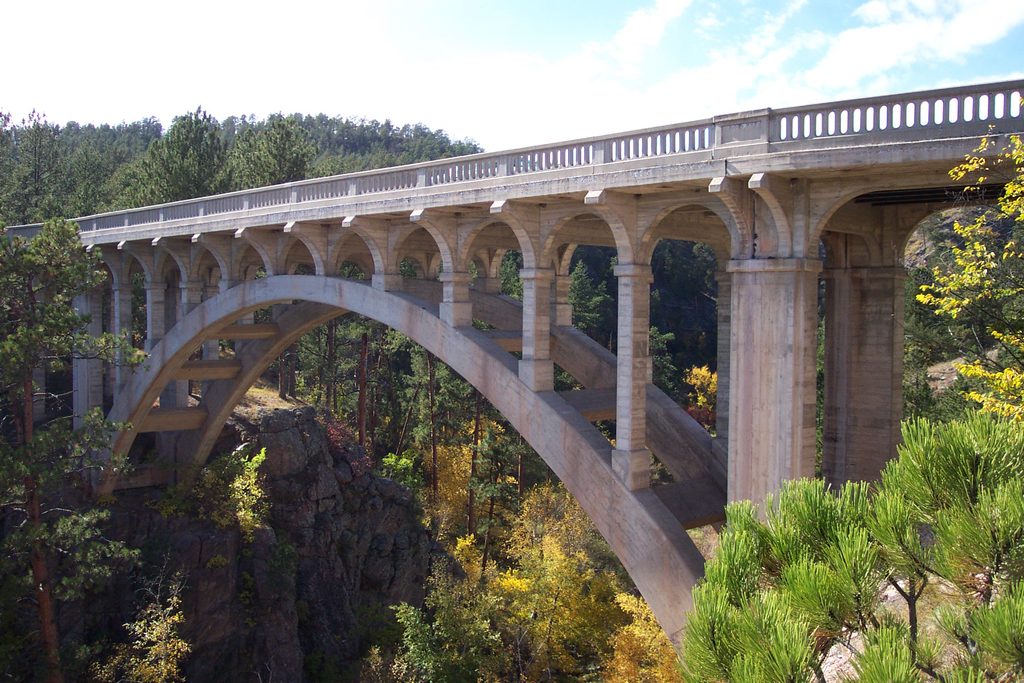
Place · 4 mi away
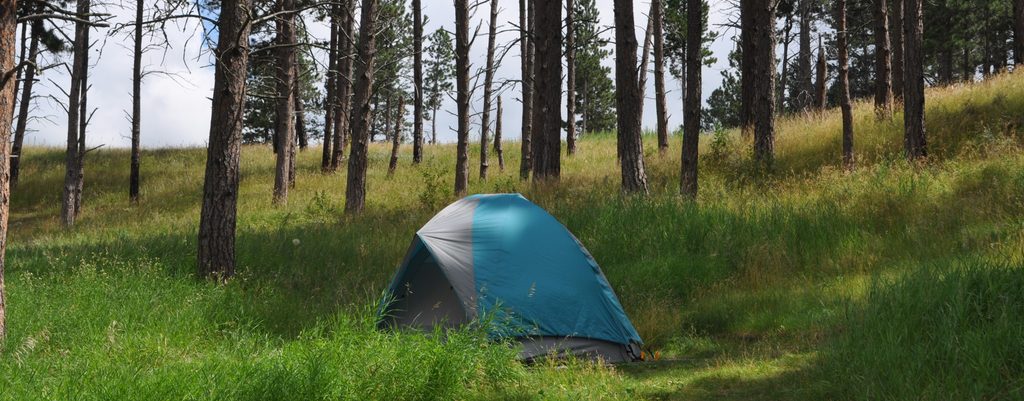
Place · 5.2 mi away
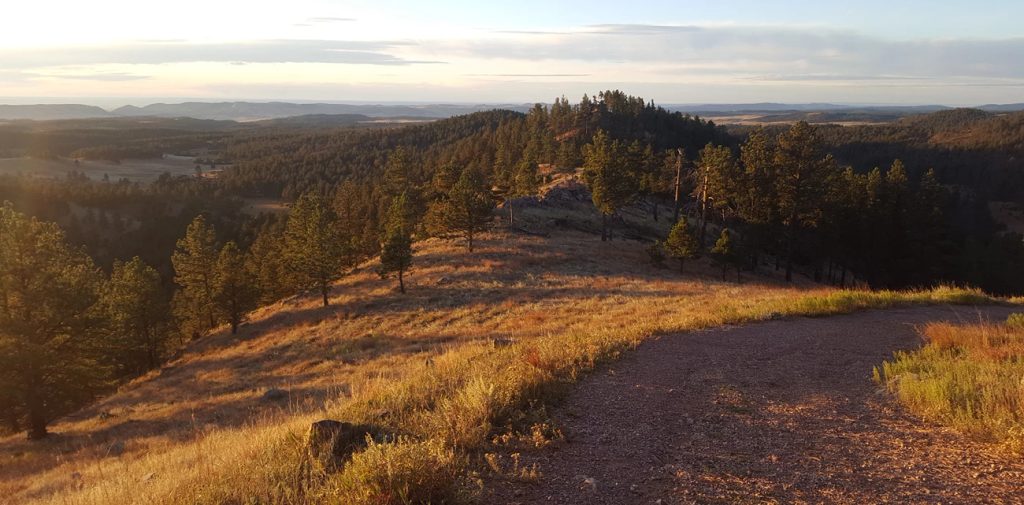
Easy · 2.3 mi away
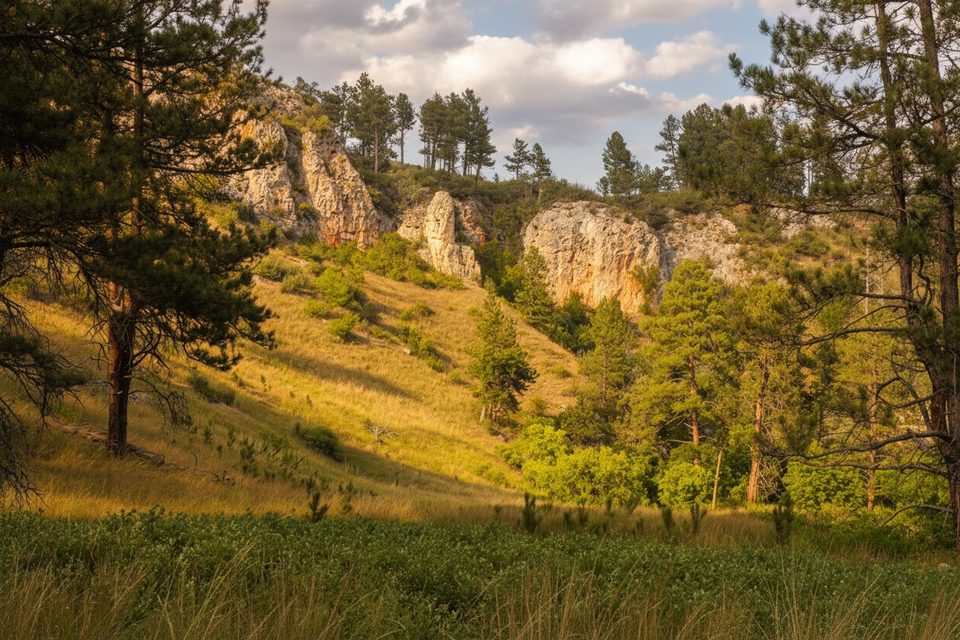
Moderate · 4 mi away
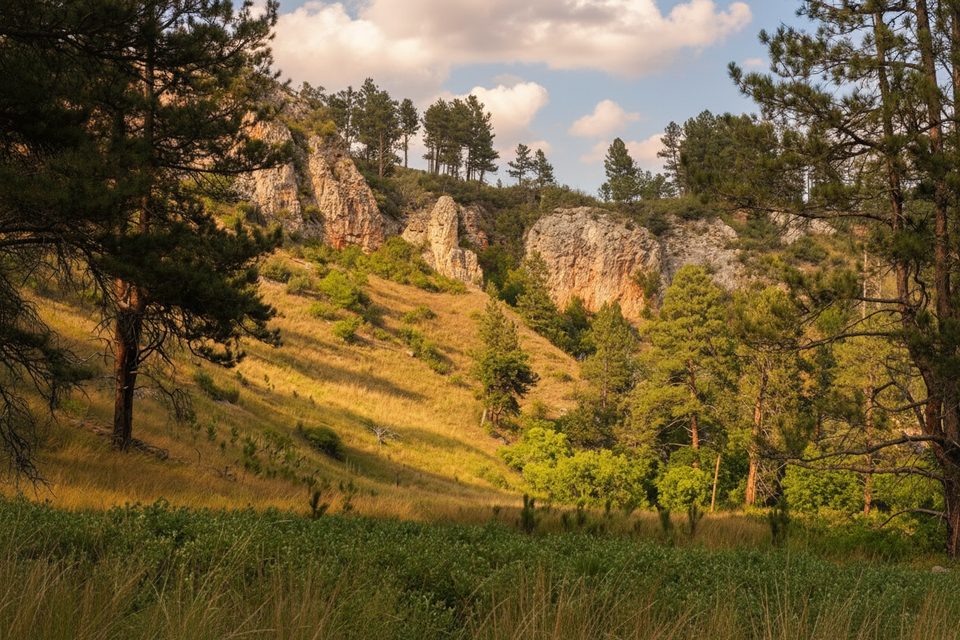
Moderate · 4 mi away
Easy · 5.2 mi away

Parkwolf Tour Guide
