1 active Wind Cave alert
- ClosureNatural Entrance Tour Route closed for winterThe Natural Entrance Tour Route is closed for its annual winter season beginning October 1, 2026.Official details
Campground · Wind Cave National Park
A pine-and-prairie base near cave tours, with seasonal elk bugles.
Overview
Map
Plan your stop
The highest, rockiest slopes around here are a summer buffet for grizzly bears.
Wind Cave Tour Guide
Parkwolf is a GPS audio tour guide for Wind Cave National Park. As you drive, it chimes in with what’s ahead: hidden gems, upcoming stops, history, geology, and wildlife, right through your car’s speakers.
Recorded for this place
Elk Mountain Campground“You're coming up on the Elk Mountain Campground area, a simple overnight base near the cave tours.”
Plays as you drive up to Elk Mountain Campground in the Parkwolf Wind Cave Tour Guide.
More stories near here in the app
“Fantastic app with many points of information… It’s great to just turn on while you’re driving and it gives you an audio tour of the national Park. We love it!!!!”


Guide
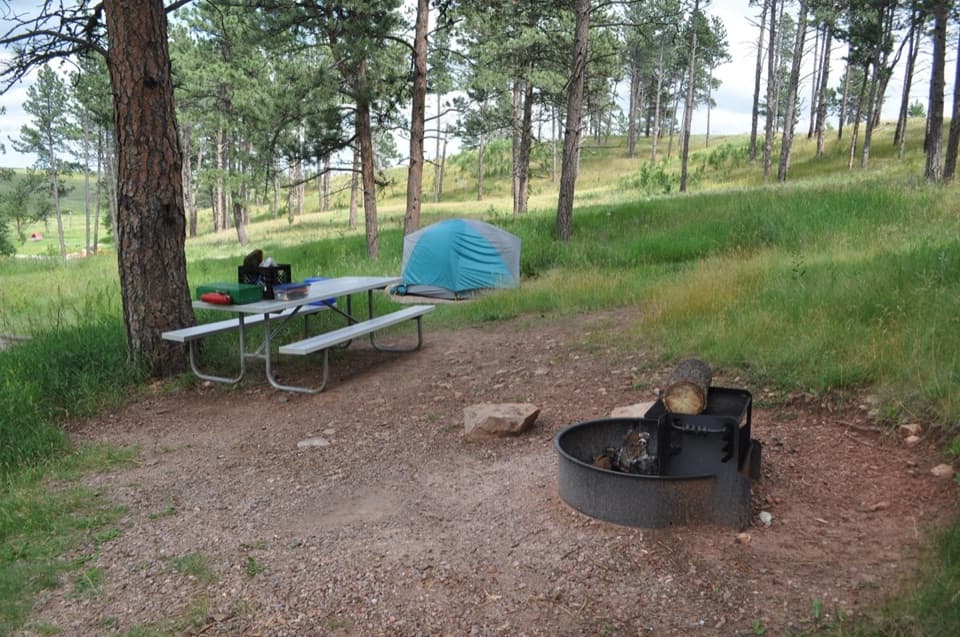
Elk Mountain Campground is Wind Cave National Park’s developed campground, with loops set between ponderosa pine forest and open prairie. It’s a useful base for cave tours and the park’s surface trails if you want to spend the night inside the park; the entrance is about a quarter-mile north of the visitor center. This is a limited-development campground rather than a full-service RV park.
Loops A–D include wooded and open sites, and Loop A is tent-only. Larger RVs won’t fit everywhere, and campers repeatedly mention sloping or uneven sites. Check the dimensions and grade of your particular site before booking; that matters more here than a campground-wide maximum.
The Elk Mountain Nature Trail starts at the campground amphitheater, which also hosts seasonal ranger programs about the park’s natural and cultural history. In early fall, one program introduces Rocky Mountain elk, then heads out by car to listen for bugles. Campers sometimes see bison near the sites, too, but treat that as a lucky sighting. Dogs must stay leashed and are allowed on Prairie Vista and Elk Mountain Campground trails.
The campground is open year-round. Potable water and flush toilets are seasonal, generally available from late May through September; vault toilets remain available year-round. There are no showers, electric hookups, dump station, camp store, ice, or firewood sales, so plan supplies and trailer dumping before you arrive. Hot Springs and Custer have trailer dump stations.
Wildlife
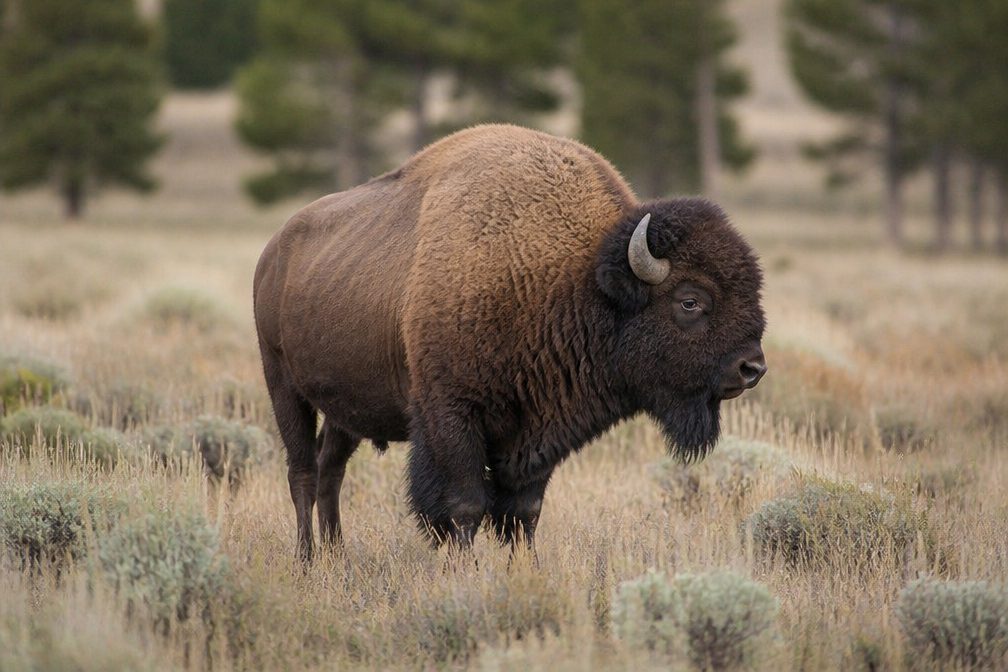 600 sightingsBisonMost seen around 6 PMSighting map
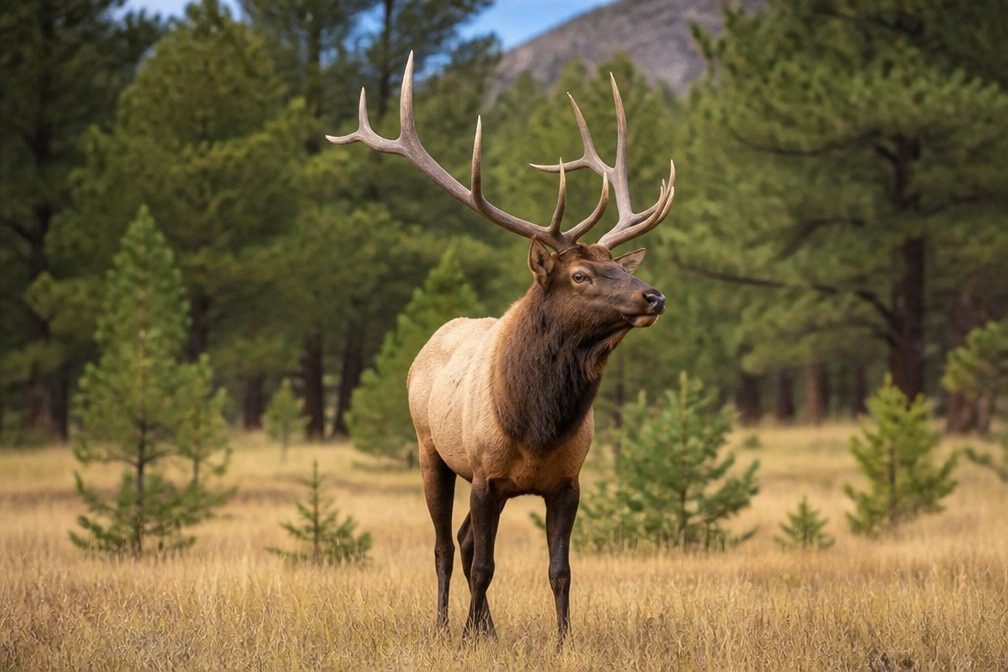 59 sightingsElkMost seen around 6 AMSighting map
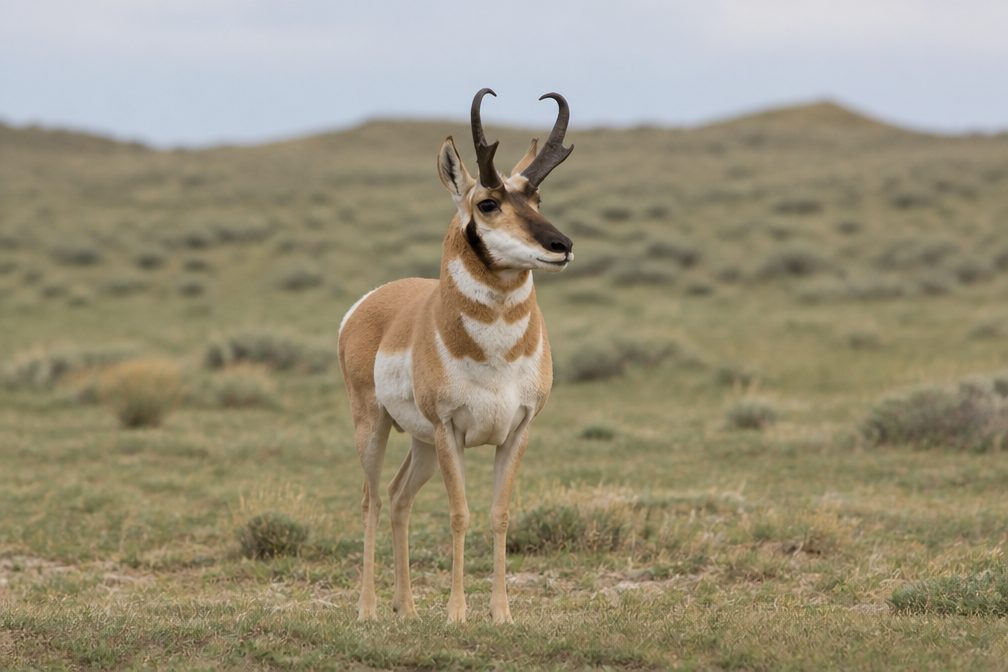 258 sightingsPronghornMost seen around 7 AMSighting map
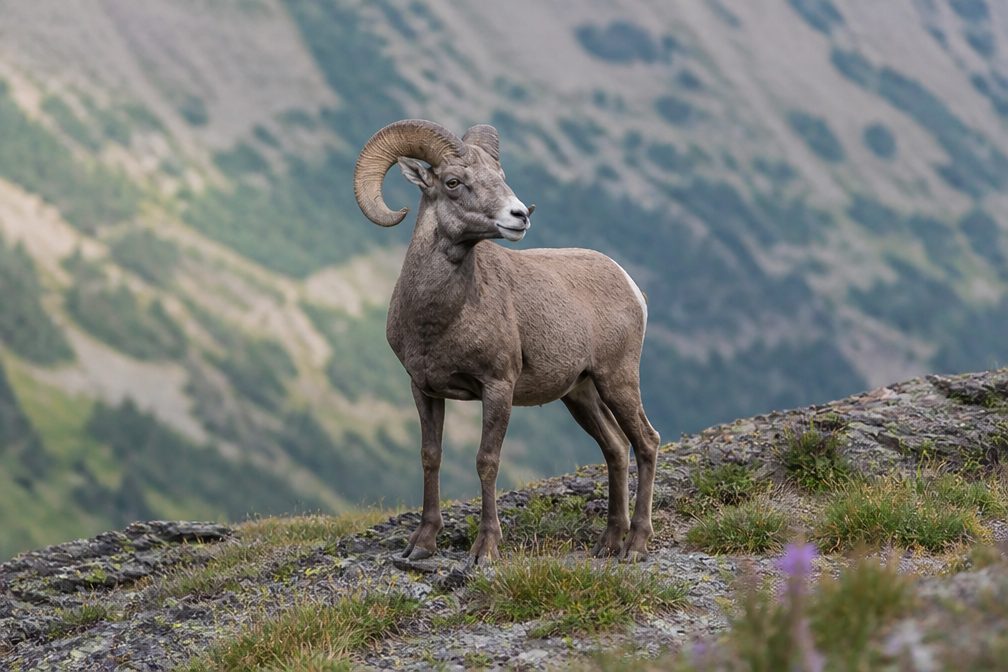 14 sightingsBighorn SheepMost seen around 6 PMSighting map
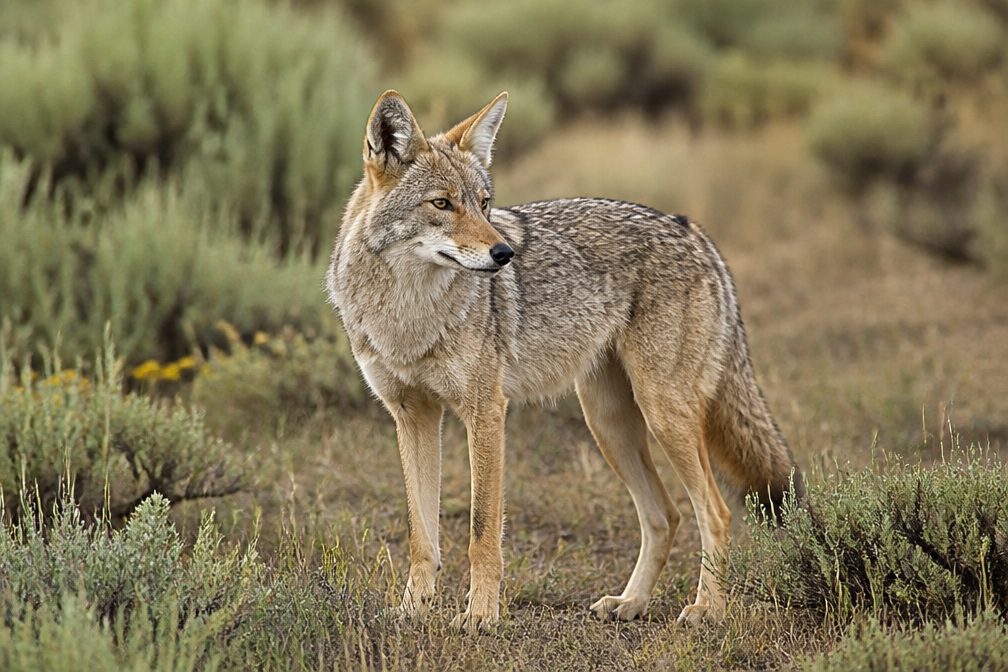 131 sightingsCoyoteMost seen around 7 PMSighting map
 26 sightingsGolden EagleMost seen around noonSighting map
Sighting maps show where each species has been reported across Wind Cave. Wildlife moves, so no sighting is guaranteed.
Keep exploring
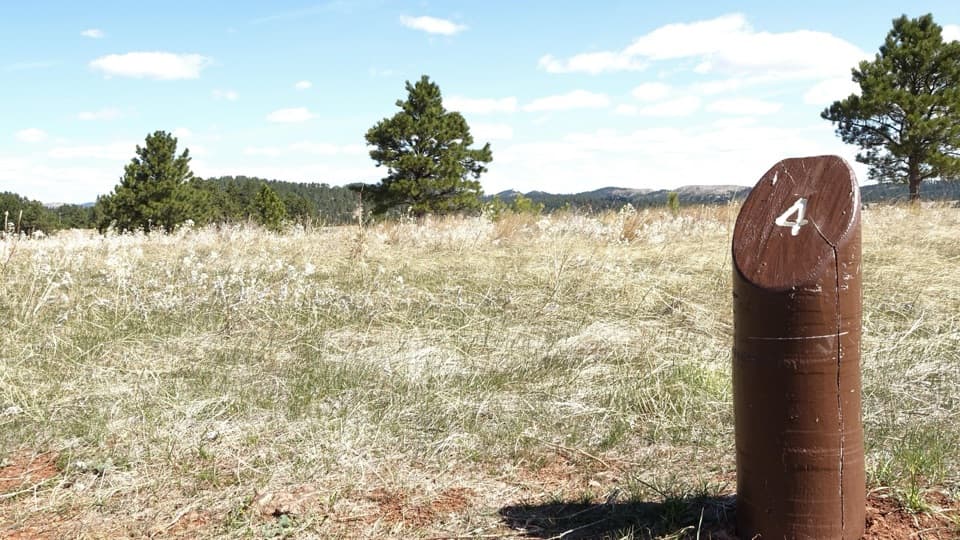 EasyElk Mountain Nature Trail0.7 mi · 45 min · 0.2 mi awayShort prairie-and-pine loop; listen for elk bugles in autumn.
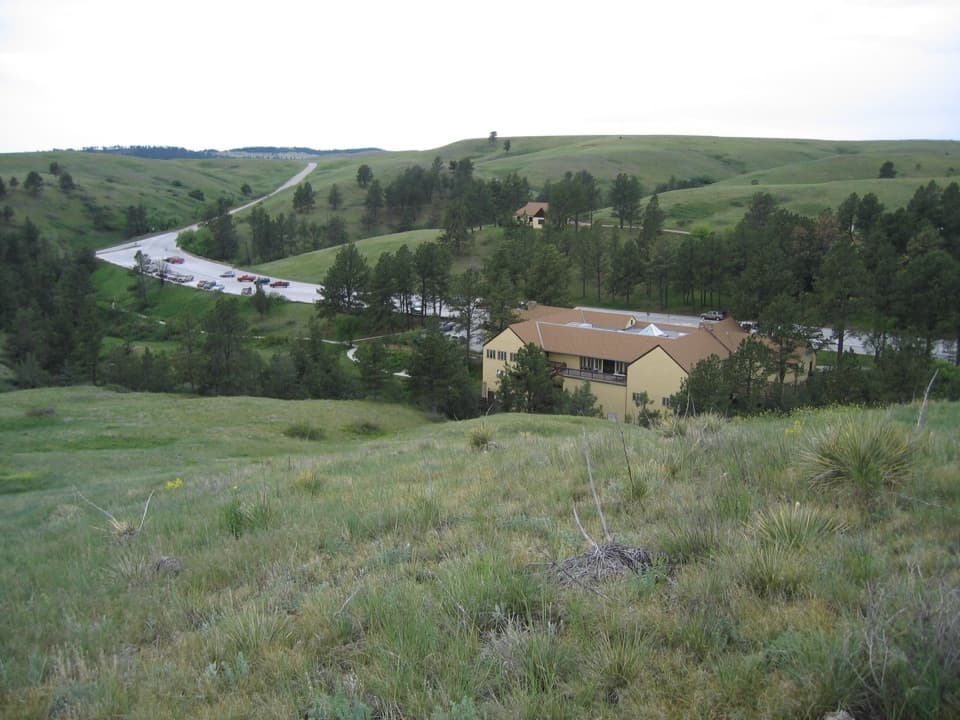 EasyPrairie Vista Nature Trail1 mi · 36 min · 1 mi awayA one-mile loop past the Natural Entrance and prairie waysides.
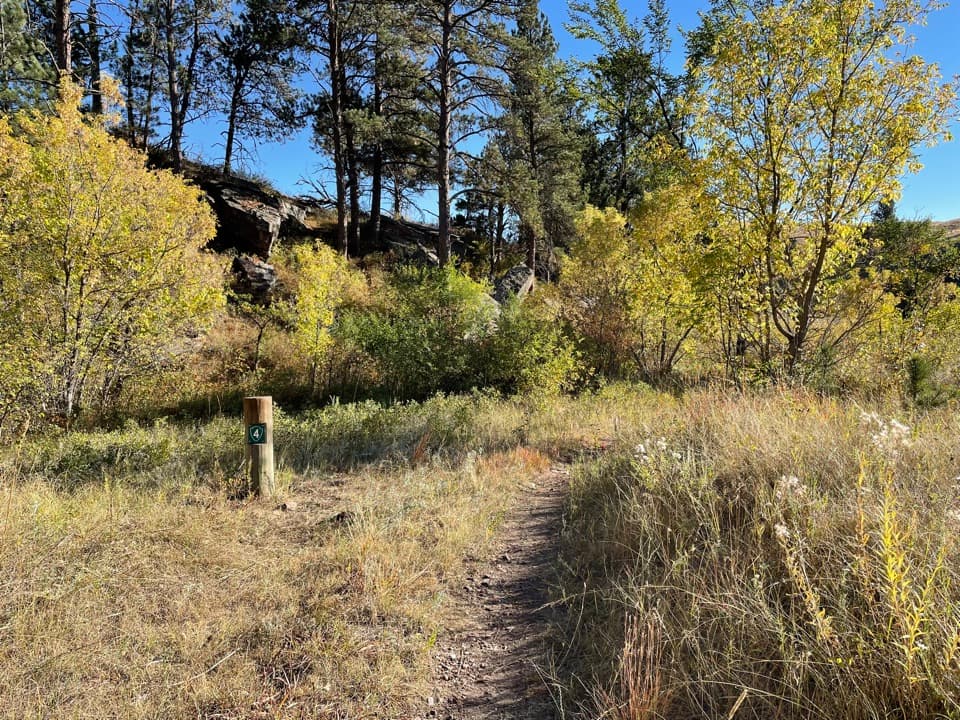 ModerateLookout Point Trail and Centennial Trail Loop4.8 mi · 2.5 hr · 1.1 mi awayPrairie dogs, creek bridges and one steep climb on a 4.8-mile loop.
 ModerateCentennial Trail: Norbeck to Highland Creek6 mi · 2.8 hr · 1.1 mi awayA six-mile one-way mix of prairie, ponderosa forest and creek crossings.
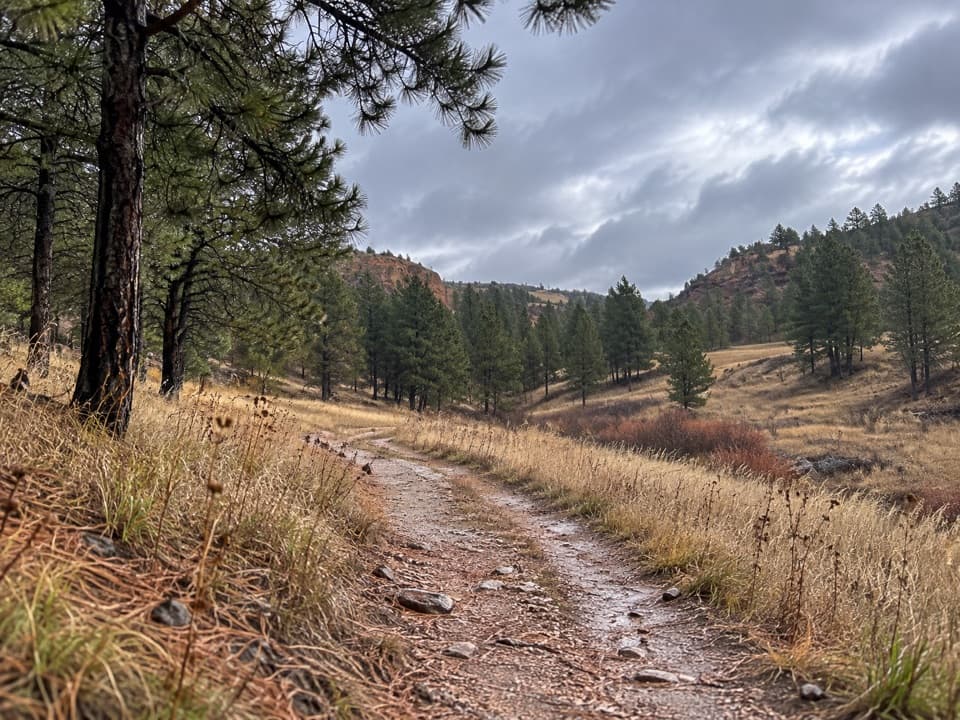 EasyWind Cave Canyon Trail3.6 mi · 2 hr · 1.5 mi awayAn easy former road beneath limestone cliffs, with nesting birds overhead.
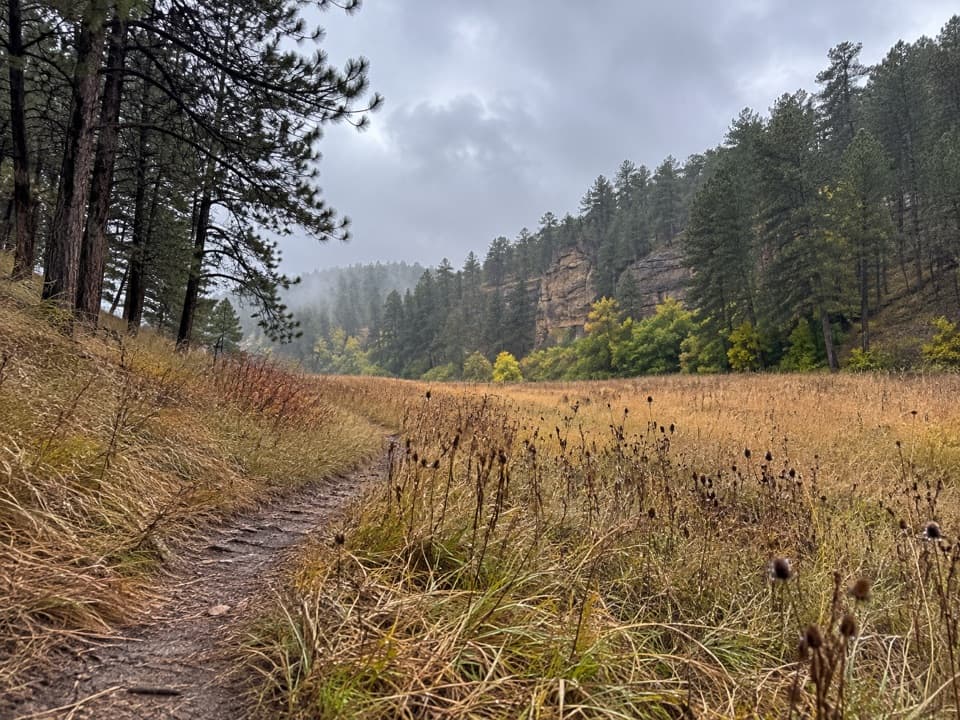 ModerateCold Brook Canyon Trail2.8 mi · 1.5 hr · 2.2 mi awayA short prairie walk with canyon cliffs and a prairie dog town.
 ModerateEast Bison Flats Trail7.4 mi · 4 hr · 3.2 mi awayOpen prairie, a steep canyon dip, and broad Buffalo Gap views.
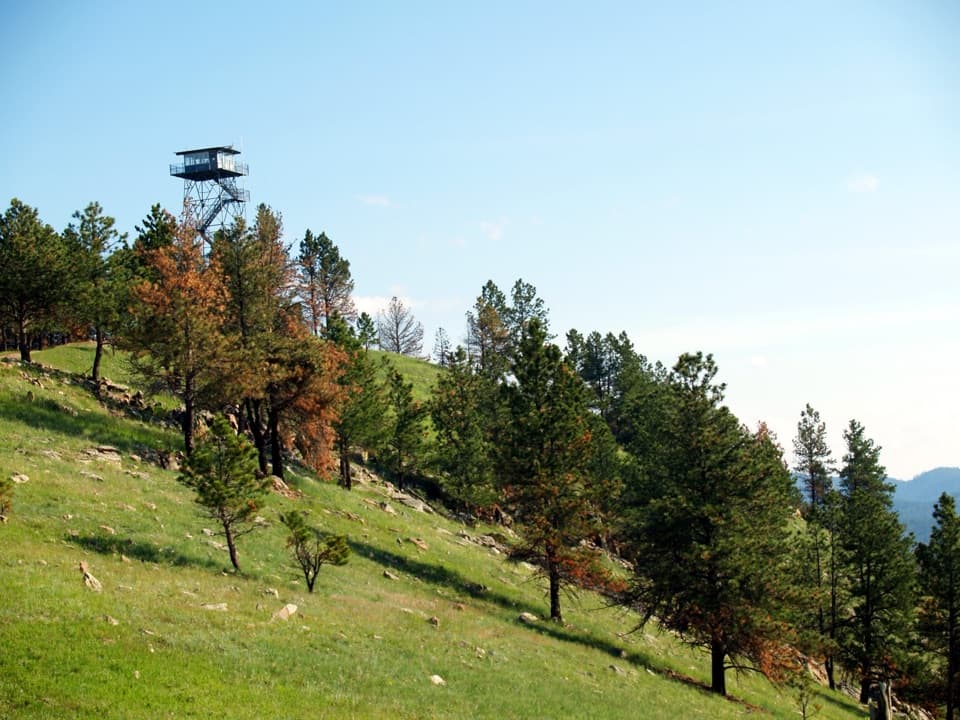 EasyRankin Ridge Nature Trail1 mi · 1 hr · 3.9 mi awayA short ridge loop with a fire tower and wide plains views.
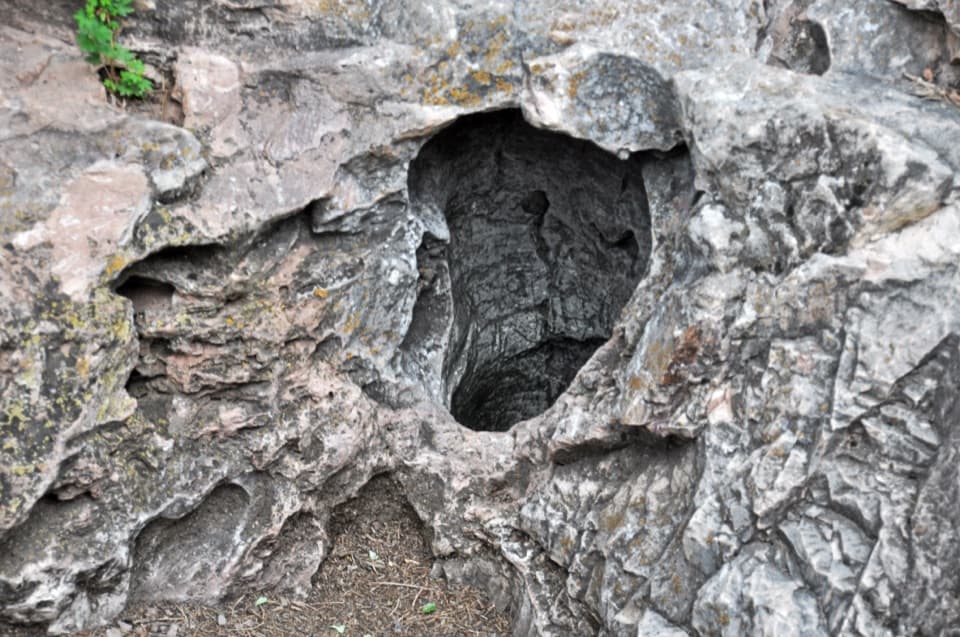 Sight · 0.9 mi awayWind Cave Natural EntranceA ten-inch opening with air you can feel moving.
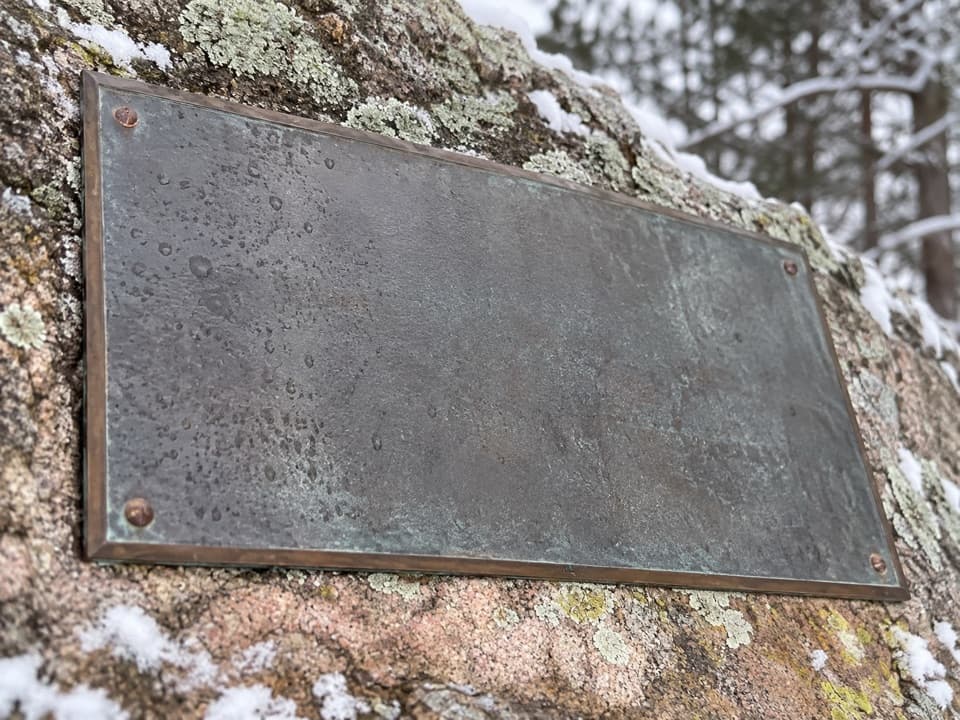 Historic marker · 0.9 mi awayAlvin McDonald GraveA memorial to the young explorer who mapped miles of Wind Cave.
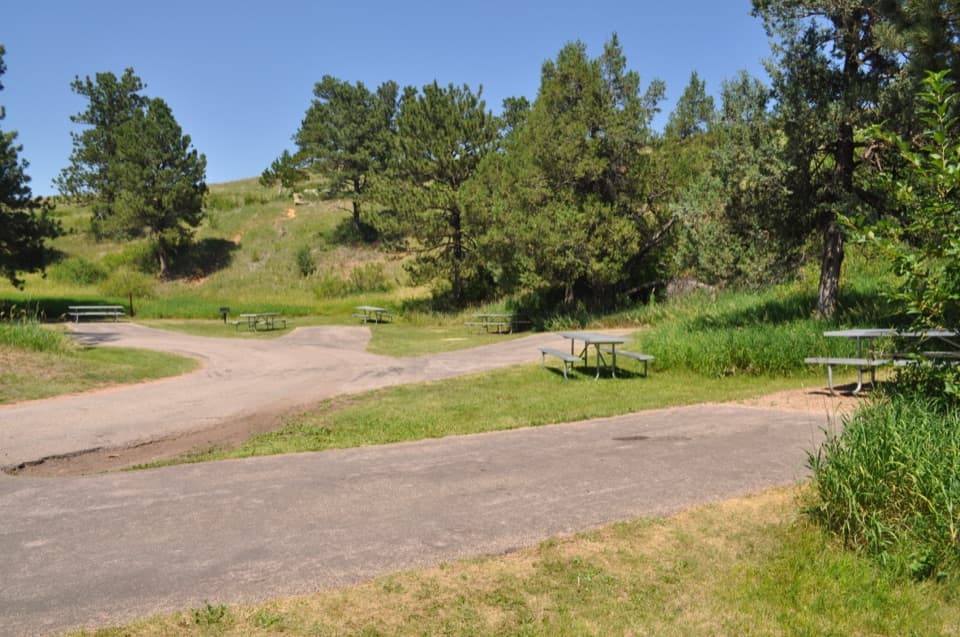 Picnic area · 0.9 mi awayWind Cave Picnic AreaA picnic stop with a 150-yard walk to the natural entrance.
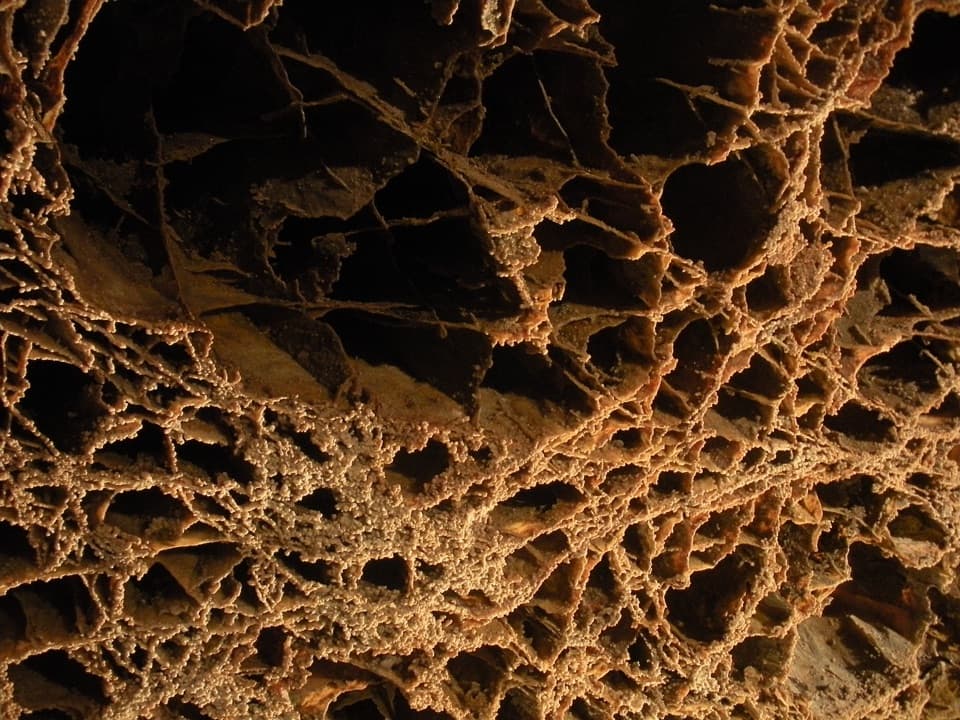 Sight · 0.9 mi awayWind CaveGet underground to see boxwork that’s rare elsewhere and abundant here.
 Visitor center · 1 mi awayWind Cave Visitor CenterStart here for the cave tour and its prairie-side story.
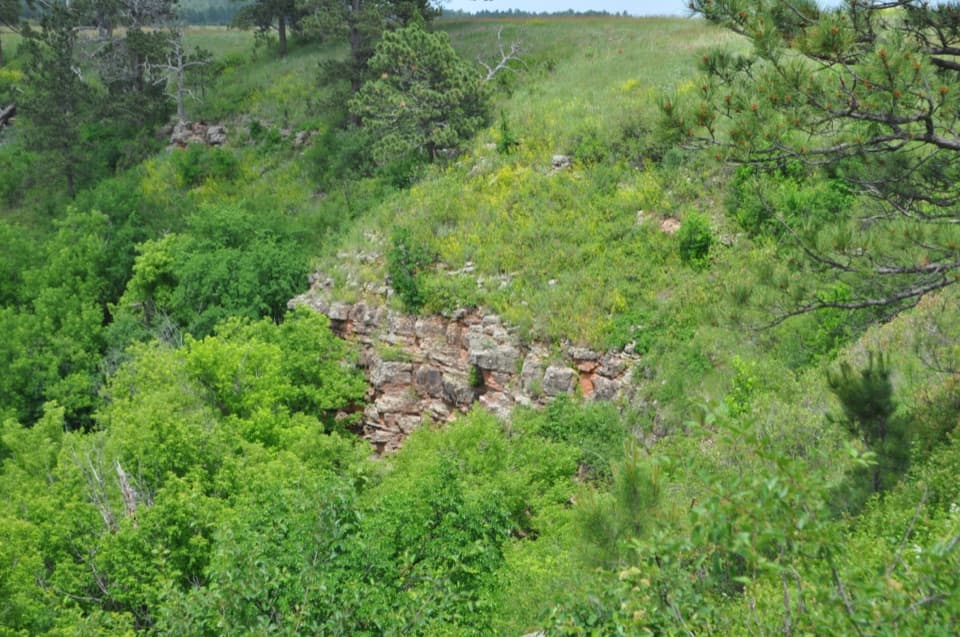 Sight · 1 mi awayDeadwood SandstoneA quick stop to read Wind Cave's Cambrian rock layers
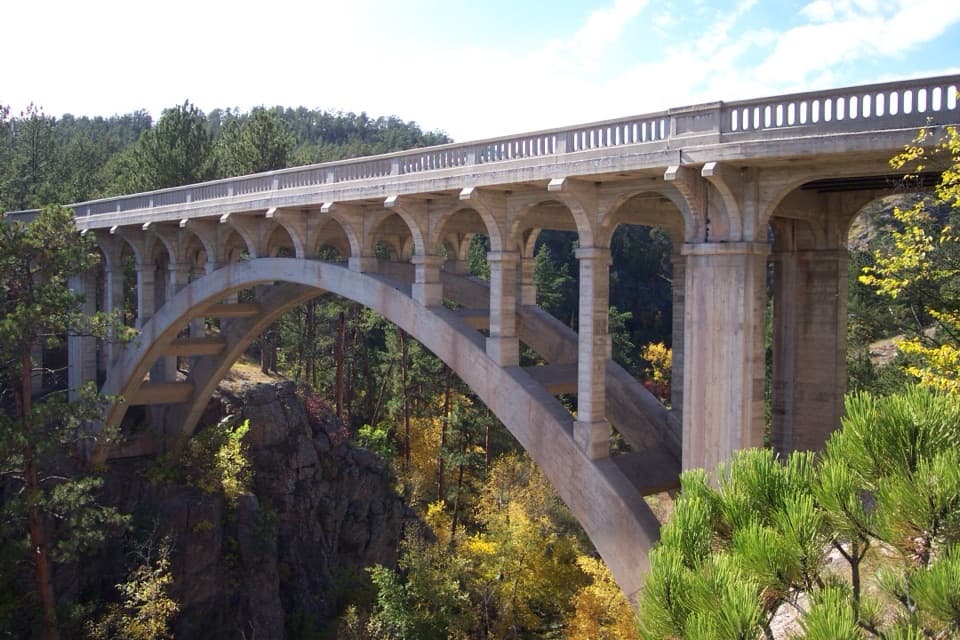 Sight · 1.3 mi awayBeaver Creek BridgeA 1929 arch bridge designed to rise from Beaver Creek Canyon’s walls.
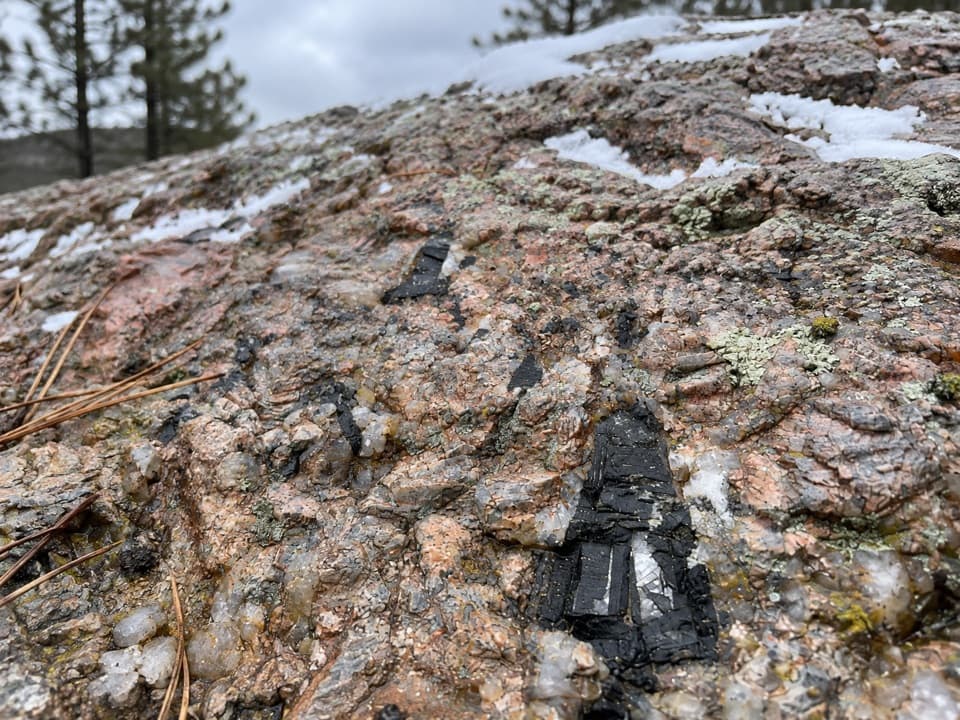 Sight · 1.8 mi awayAncient FoundationsFind pink feldspar, gray quartz and black tourmaline in ancient pegmatite.
Parkwolf’s Wind Cave ranking

The audio tour guide for the drive, plus offline maps, trails, and wildlife heatmaps for when the signal drops.