
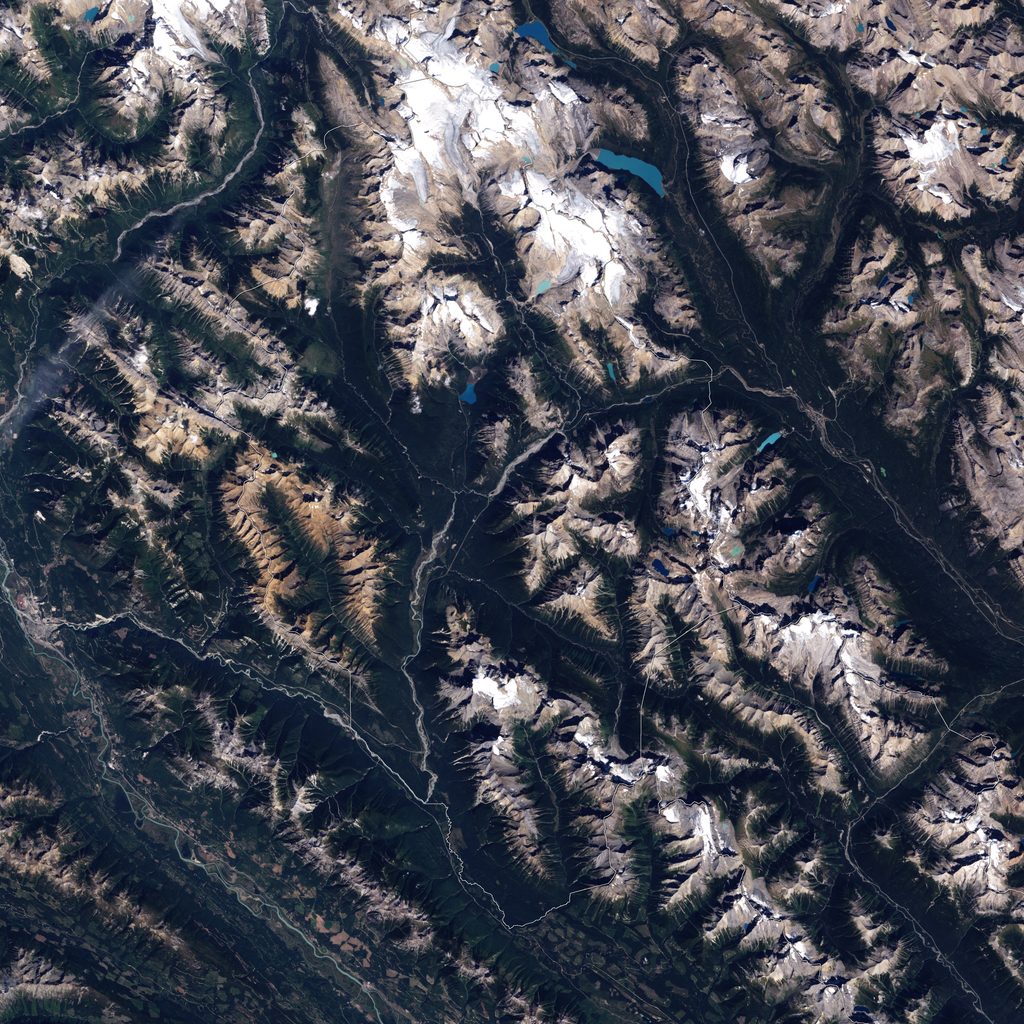
Place · 0.2 mi away
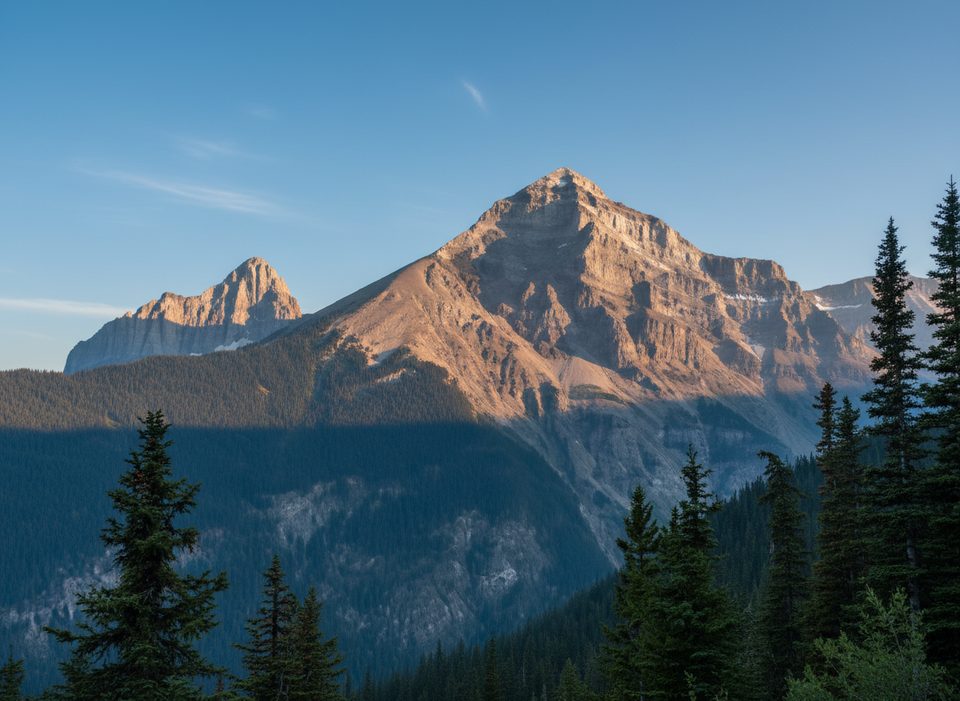
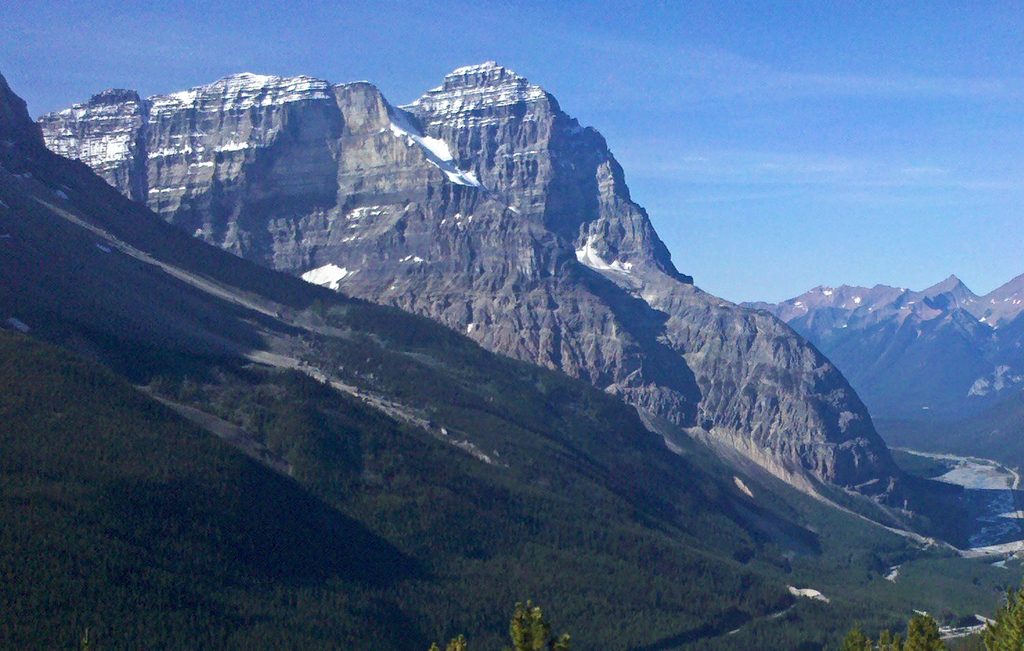
Mount Field rises abruptly above the Trans‑Canada corridor near the town of Field, delivering big‑view payoff without the crowds. It’s a classic Yoho experience for fit hikers and scramblers in late summer and a local favorite for ski tourers in winter. Relief is dramatic—about 1,360 m over just 2 km—so it feels wild and alpine fast.
The standard ascent uses the Burgess Pass trail, then branches to climb Mount Field’s west slopes. Expect a mostly scree ascent with a short, notable cliff band near the top that requires hands‑on scrambling. In dry conditions it’s widely considered an easy scramble; snow or ice on that upper band can turn parties around. Typical stats cited by scramblers are roughly 14.5 km round‑trip with about 1,458 m of gain.
From treeline upward it’s all rugged Rockies: broad scree faces, alpine meadows in season, and panoramic summit views that take in the Kicking Horse valley, Mount Vaux, the President Range, and an excellent look at the north face of Mount Stephen. You’re close to the Burgess Shale country here, with the mountain built of ancient limestones and shales.
Summer reports mention butterflies (even a painted lady hitchhiker). Typical alpine critters here include marmots and pikas, with the possibility of mountain goats. As in all of Yoho, carry bear spray and use standard precautions.
Go on clear, dry days from late July through September for the easiest scramble and the best views. Start early for cooler temps and steadier footing on the scree. Photographers get clean light early and late; midday brings heat and haze. Winter visits hinge on avalanche conditions—plan conservatively.
If you want a quieter Yoho summit with big views and don’t mind a scree grind plus a brief hands‑on step near the top, Mount Field delivers. It’s not the flashiest route in the park, but it’s rewarding and uncrowded when conditions line up.
Place · 0.2 mi away
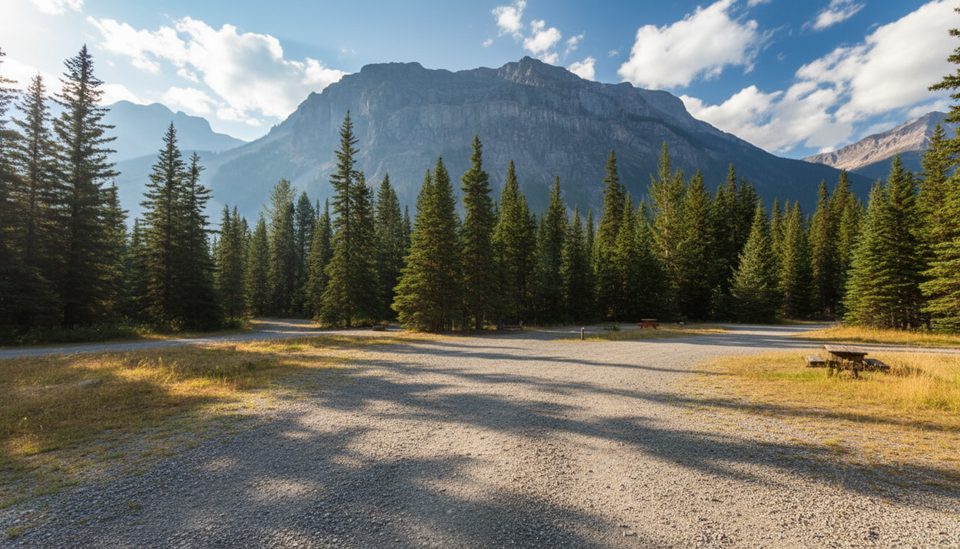
Place · 1 mi away
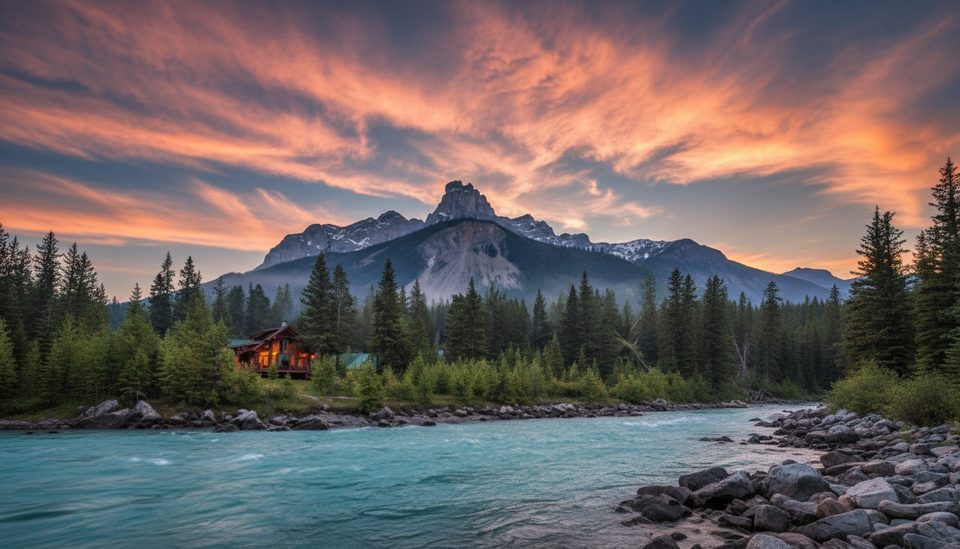
Place · 1.3 mi away
Place · 1.3 mi away
Easy · 1.8 mi away
Easy · 1.9 mi away
Challenging · 2.5 mi away
Easy · 2.5 mi away

Parkwolf Tour Guide
