
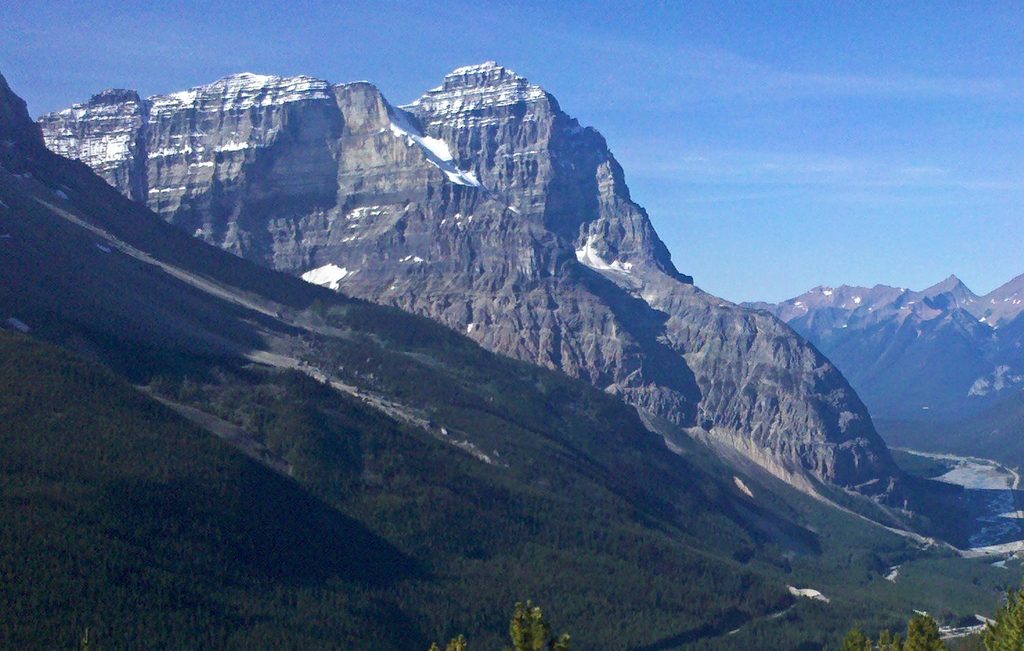
Place · 1.1 mi away
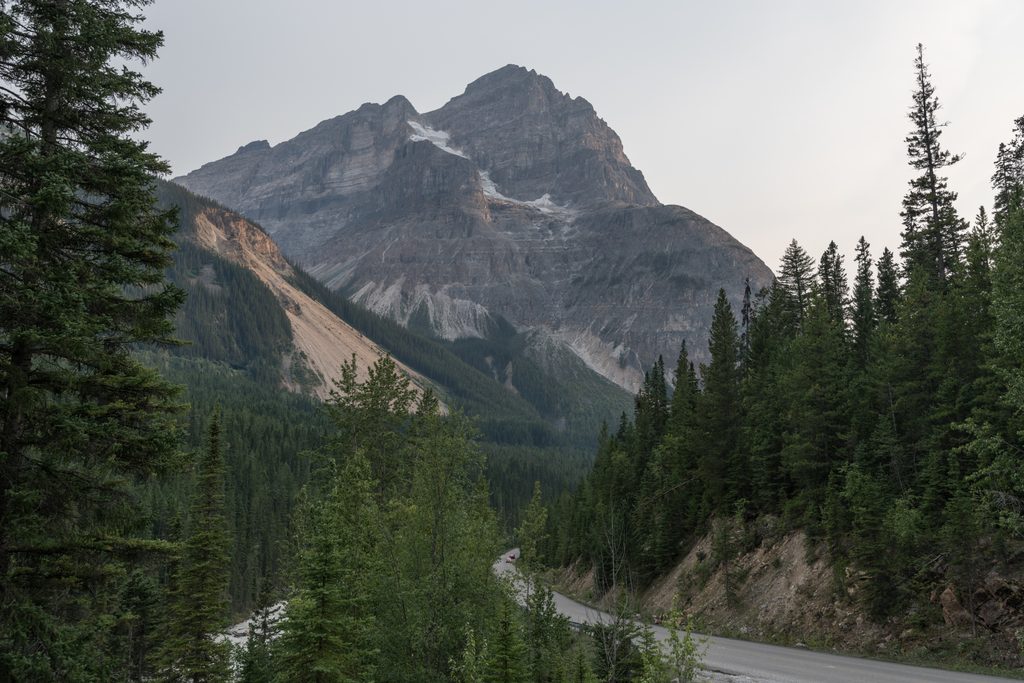
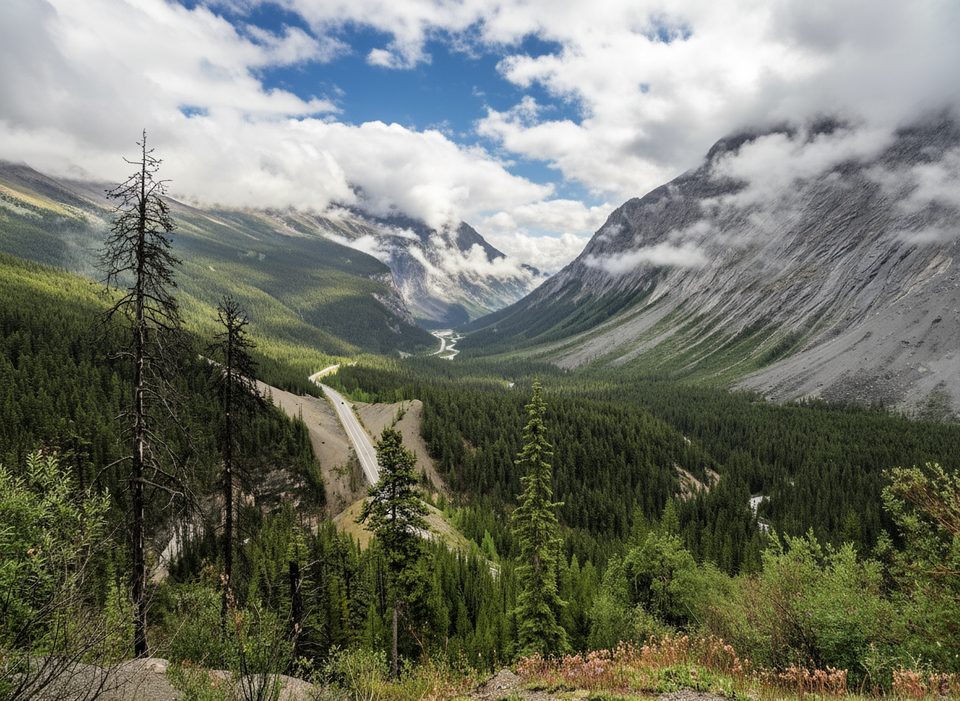
Mount Stephen (3,199 m) rises directly above Field, delivering a big‑mountain day with history baked into its rock. It’s best known for the Mount Stephen trilobite beds—part of the Burgess Shale—and for a demanding ascent that rewards you with sweeping views of the Kicking Horse Valley and surrounding Rockies.
Few peaks mix science and adventure like this. You literally pass through world‑class Cambrian fossil layers en route, then top out to wide‑angle vistas that can include Lake O’Hara on a clear day. It’s a proud, athletic objective and a meaningful window into 550‑million‑year‑old earth history.
Because you cross sensitive fossil beds, a permit is required. Obtain it through the Yoho Visitor Centre in Field. Parks Canada also runs scheduled, reservable guided hikes to the fossil beds. Fossil collecting is strictly illegal—look, learn, don’t remove.
Reports are sparse specifically for this slope, but this part of Yoho sees mountain goats, bighorn sheep, marmots and pikas up high, and occasionally bears lower down. Keep food stowed and give wildlife space.
This peak helped define Canadian mountaineering and paleontology: the Stephen Formation was first described here, and the mountain’s Cambrian shales and dolomites preserve iconic Burgess Shale fossils. The first ascent was in 1887, and the mountain is named for George Stephen of the Canadian Pacific Railway.
This is not a casual hike. The summit day is exposed and strenuous, with fast‑changing weather. Even in summer, lingering snow or storms can turn parties around. Helmets are wise for rockfall; early season may require traction or an ice axe.
Late July through August offers the most reliable snow‑free conditions. Start early to beat heat, weather, and turnaround times. Weekdays see fewer guided groups on the fossil trail. Morning light favors the valley views; afternoons can bring build‑ups.
There are no services on the mountain. Begin logistics in Field. Bring your permit, sturdy boots, layers, sun protection, plenty of food and water (no reliable sources en route), navigation, first aid, and protective gear appropriate to conditions.
Place · 1.1 mi away
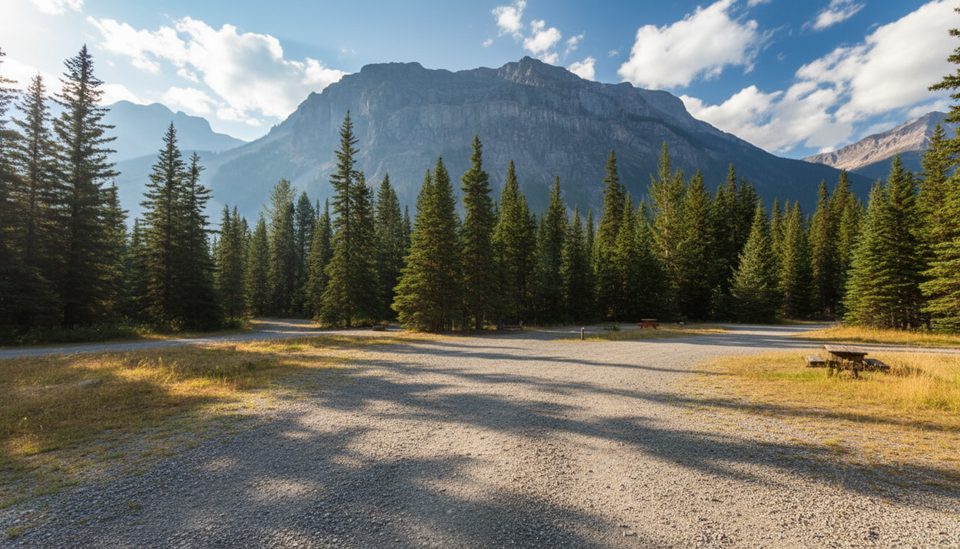
Place · 1.6 mi away
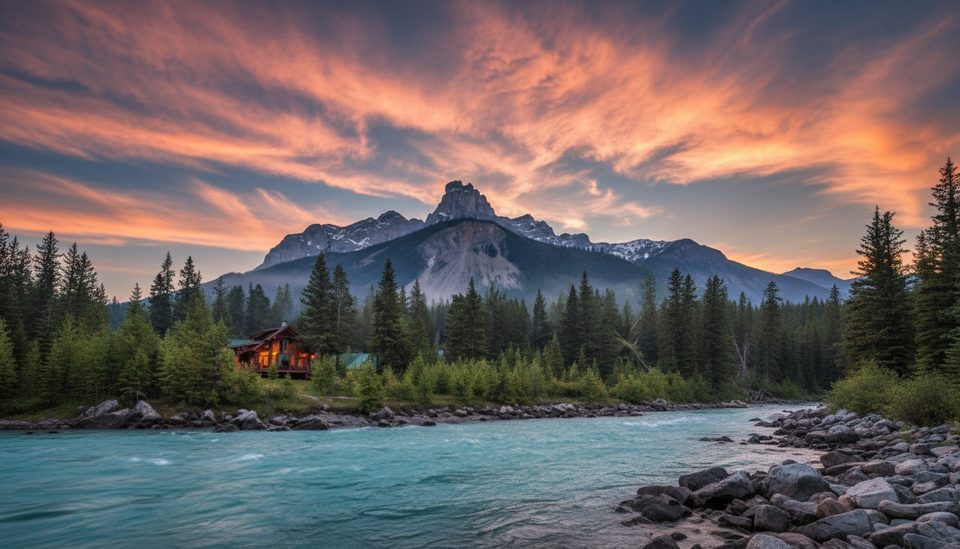
Place · 1.6 mi away
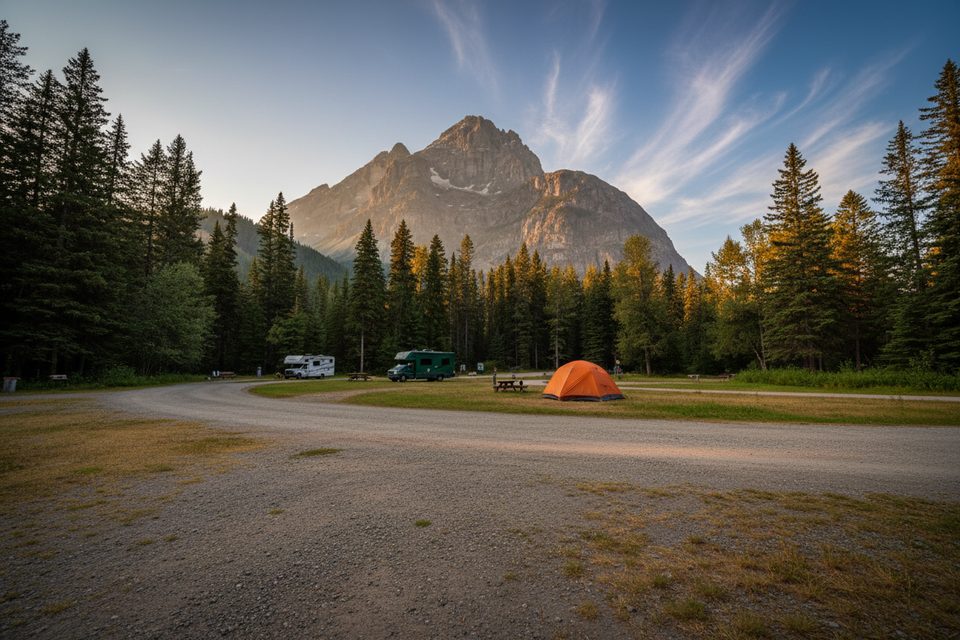
Place · 1.7 mi away
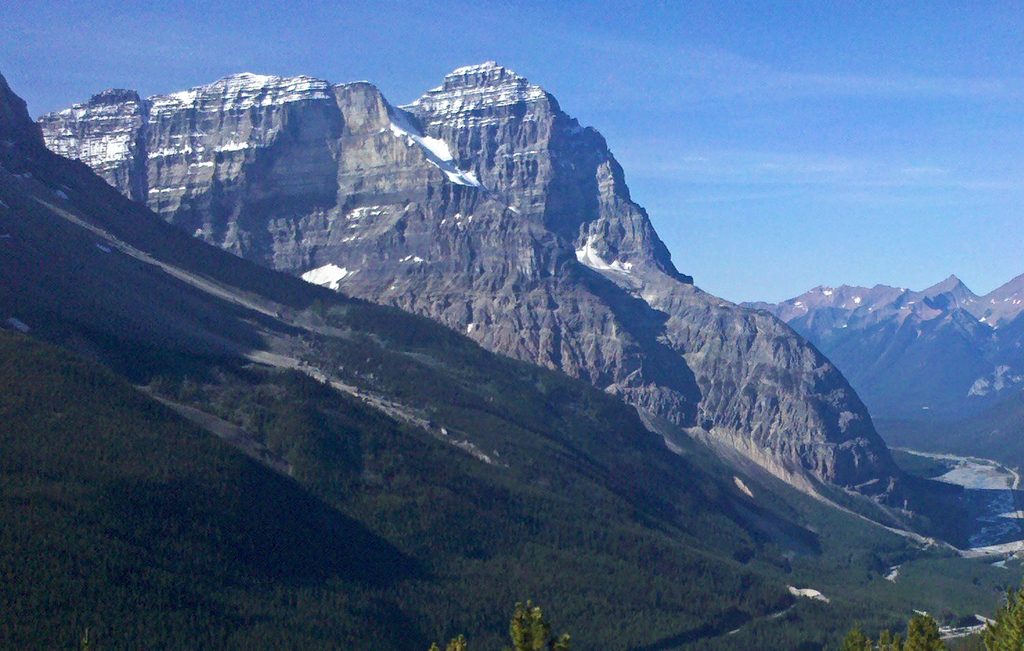
Challenging · 2.2 mi away
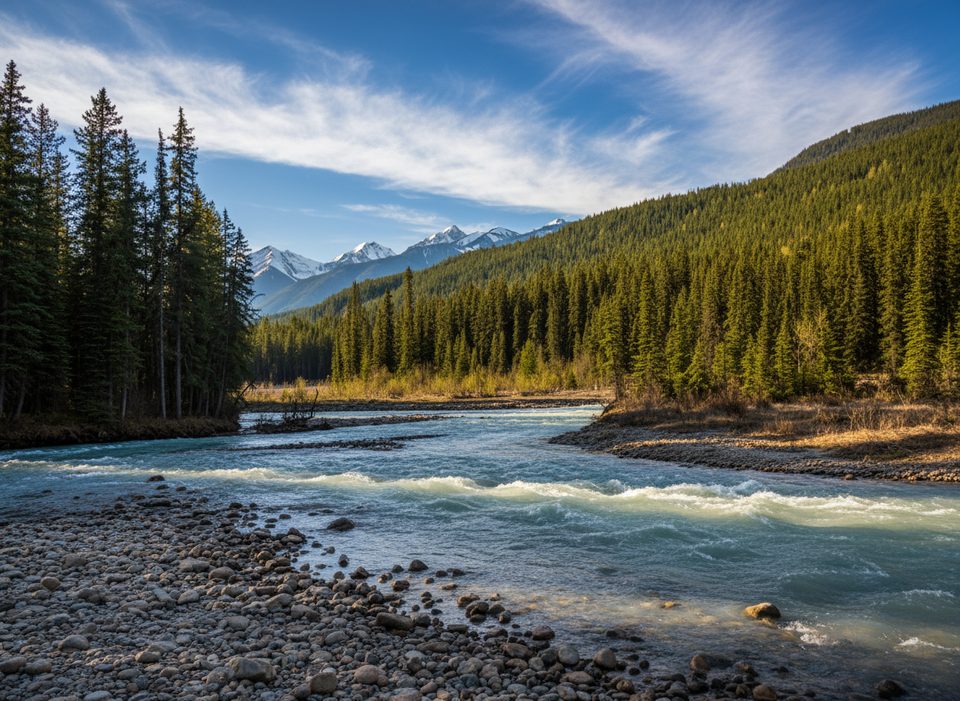
Easy · 2.4 mi away
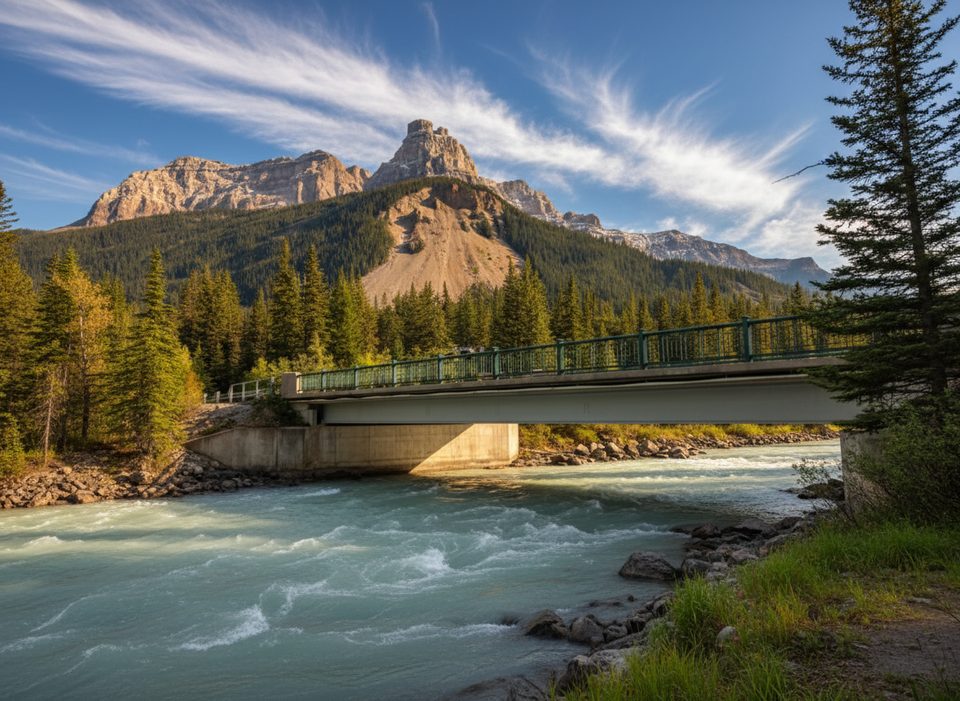
Easy · 2.4 mi away
Easy · 2.6 mi away

Parkwolf Tour Guide
