
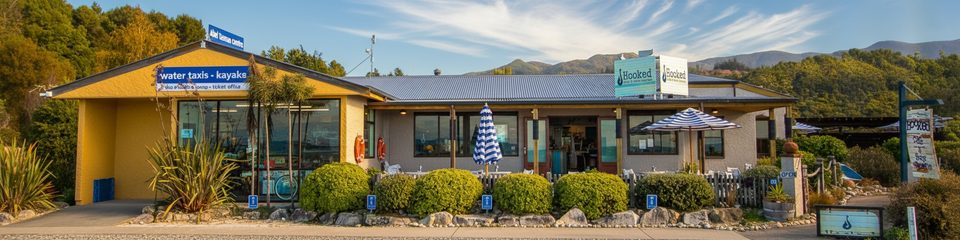
Place · 0.6 mi away
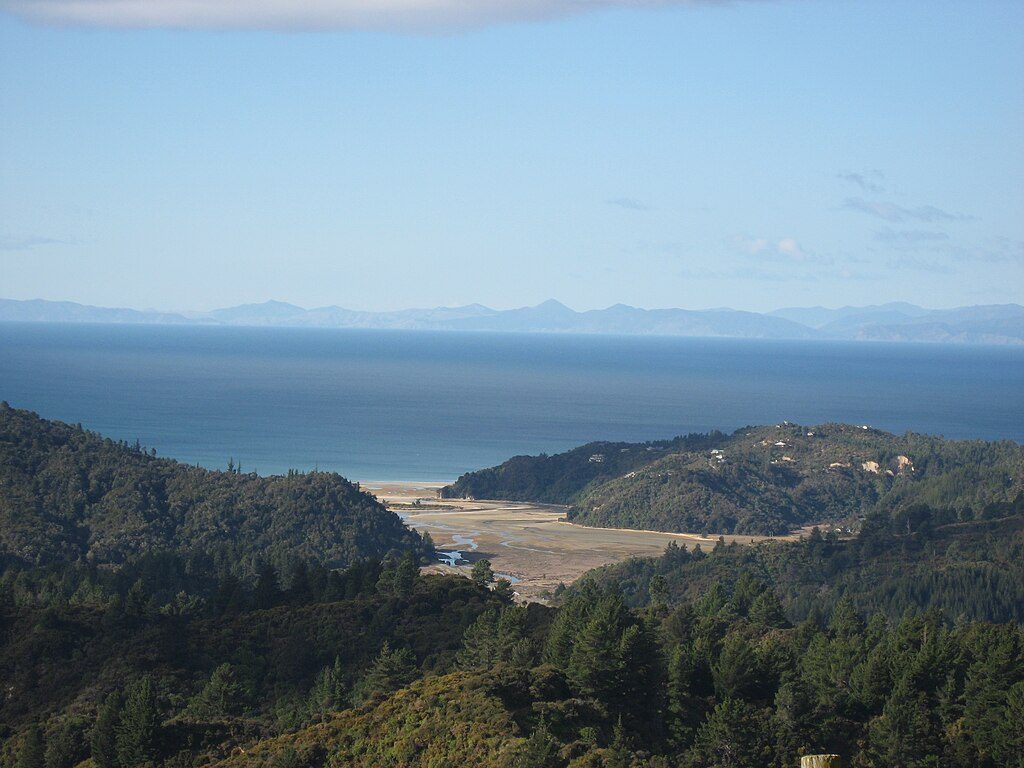
Marahau is the southern entrance to the Abel Tasman Coast Track and the easiest place to simply start walking. From the road‑end car park you’re on the track within minutes, with water taxis and kayak operators working this gateway year‑round. It’s 67 km by sealed road from Nelson, with Motueka and Kaiteriteri nearby if you’re basing outside the village.
Two crossings on the Coast Track can dictate your day further north: the Torrent Bay estuary (crossable about two hours either side of low tide, or use the all‑tide track) and the Awaroa Inlet (daylight only, roughly 1 hr 30 min before to 2 hrs after low tide; no alternative route). Parts of Goat Bay can also be cut off at large tides. Always check the latest DOC tide tables before locking plans.
Expect New Zealand fur seals along the coast and curious weka on land; fantails flit beside the track. Stingrays are known to cruise the shallows at Torrent Bay, and dolphins show up occasionally on taxi or kayak transfers. Keep food secured—weka will investigate anything left unattended.
Summer (mid‑Dec to March) brings the warmest water and the biggest crowds. Late summer to early autumn (Feb–March) is often the sweet spot—still warm but typically past school holidays. Winter is quieter with crisp, clear days; some operators run year‑round, so you can still mix taxis and walking. Low tides generally fall morning and afternoon—plan longer itineraries around those windows and confirm times with DOC before you go.
Place · 0.6 mi away
Place · 1.2 mi away
Place · 1.3 mi away
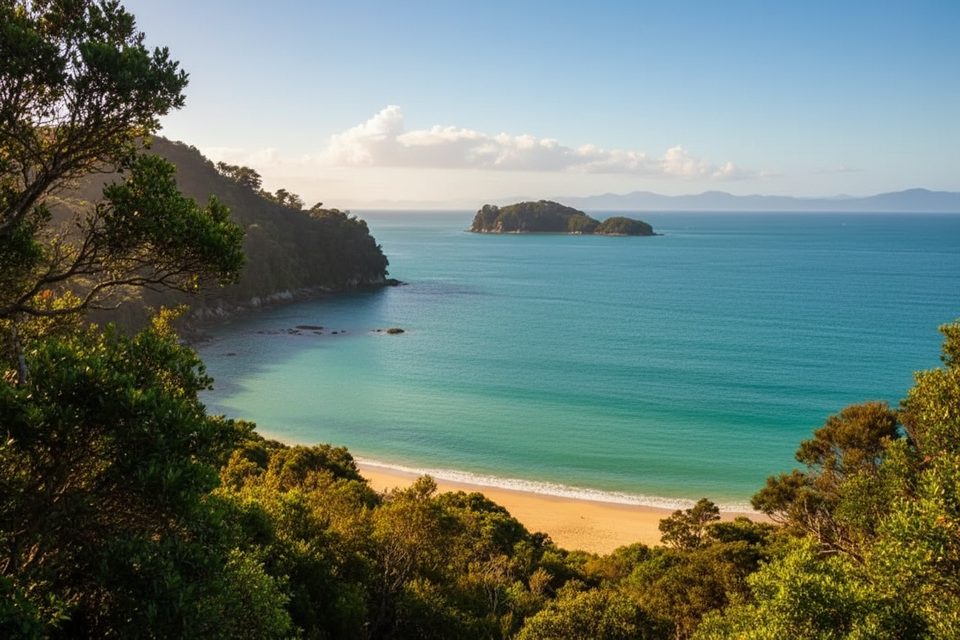
Place · 1.4 mi away
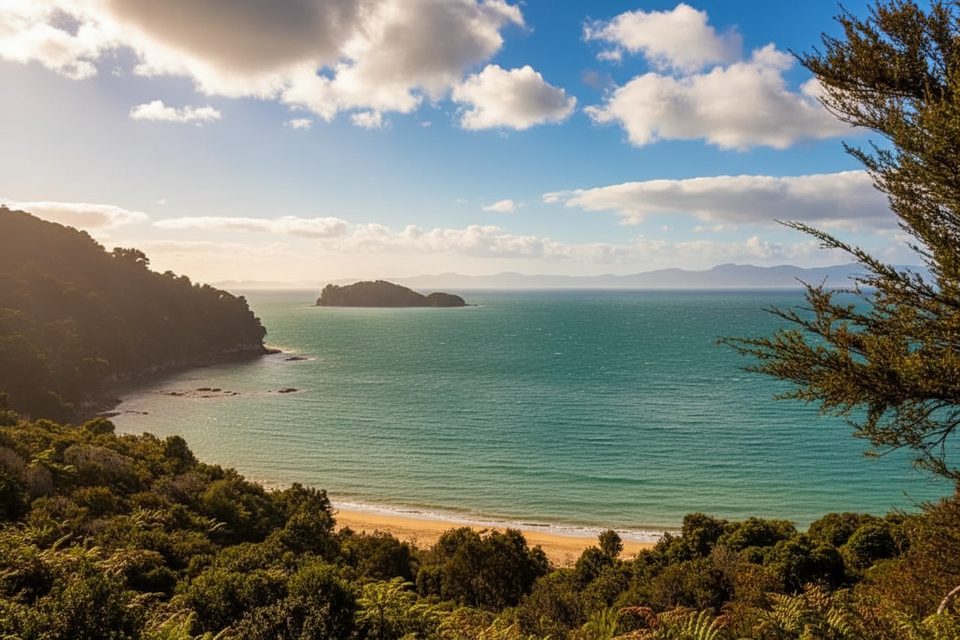
Easy · 0.1 mi away
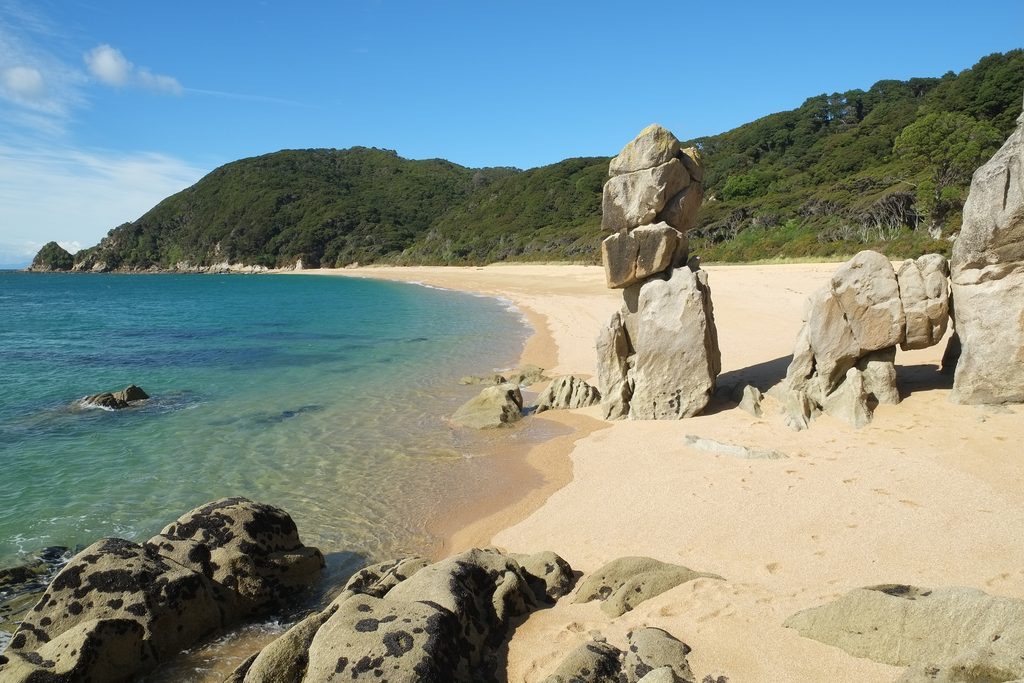
Moderate · 0.2 mi away
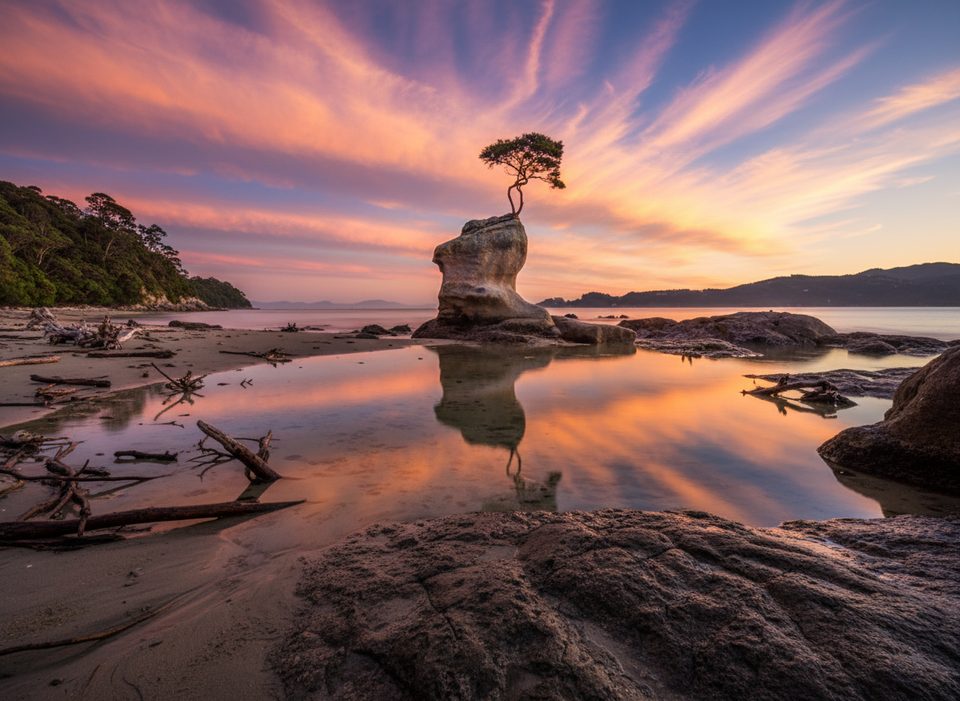
Easy · 1.3 mi away
Easy · 4 mi away

Parkwolf Tour Guide
