
Place · 0.1 mi away
Easy
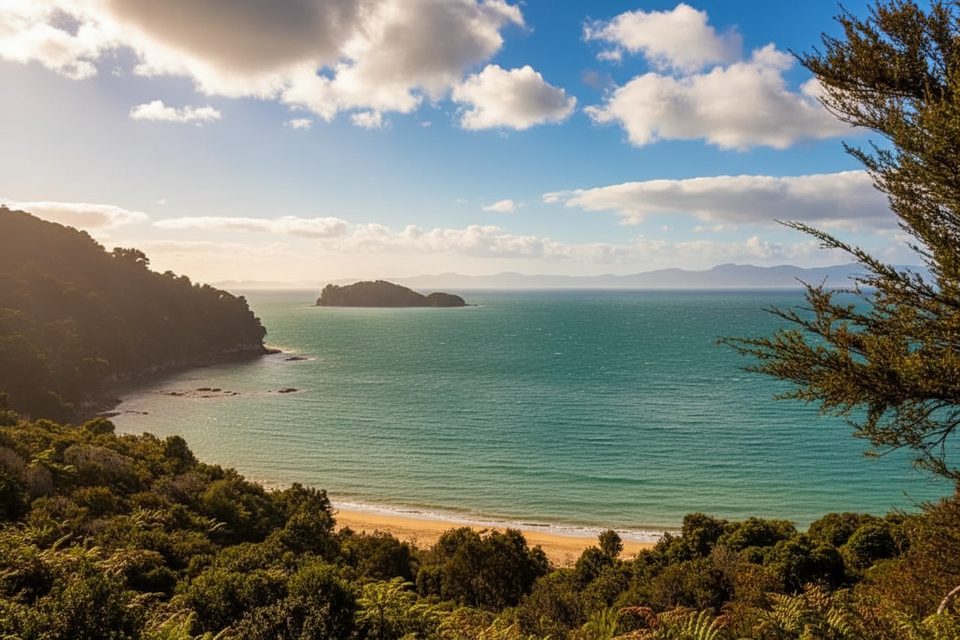
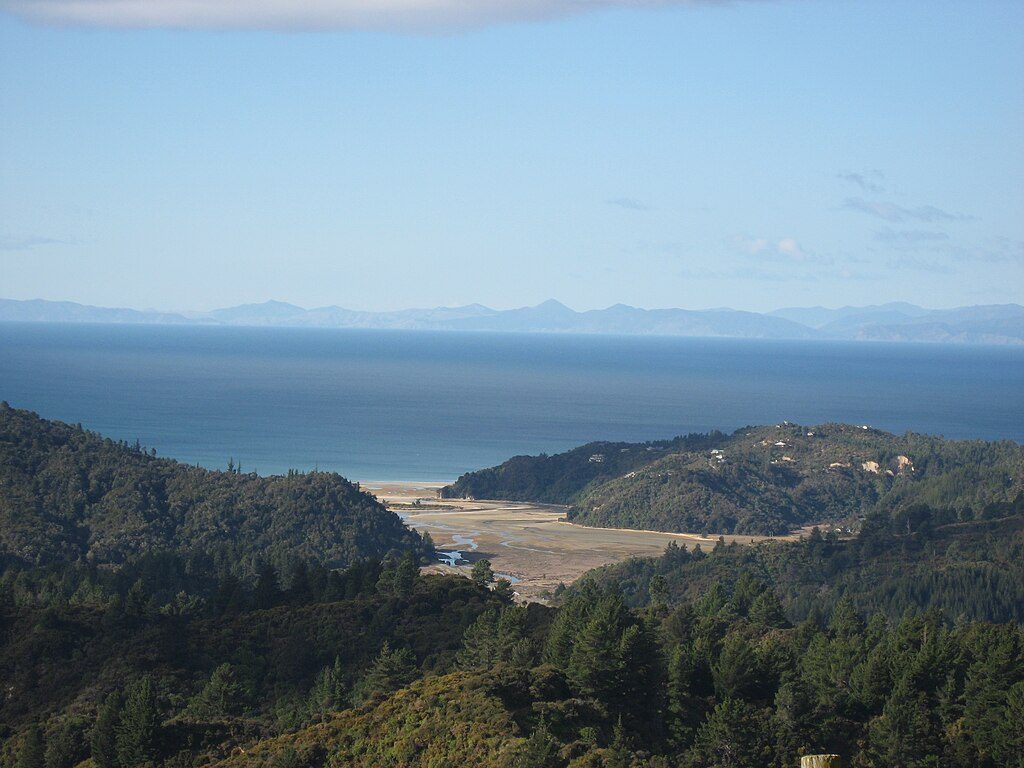
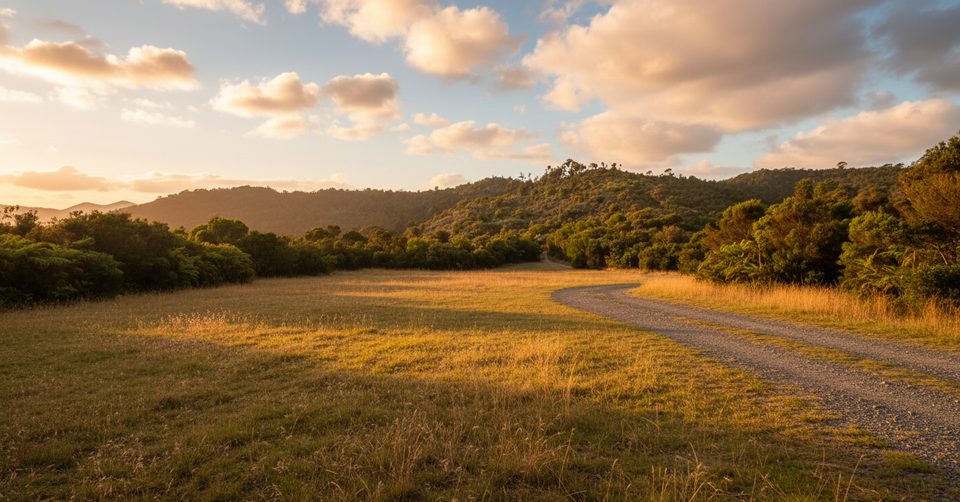
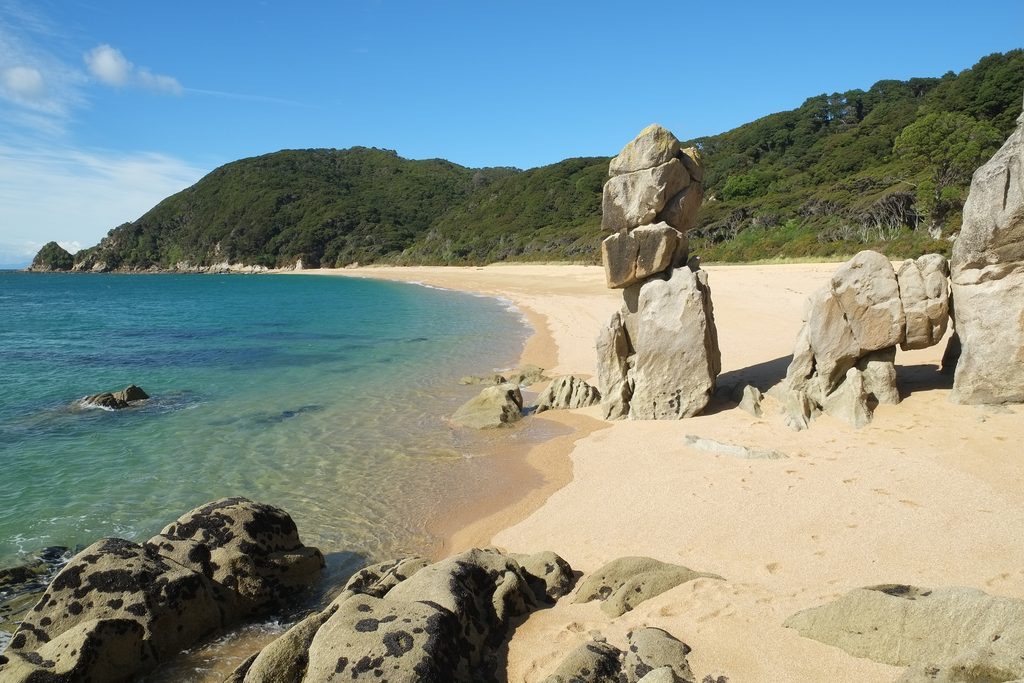
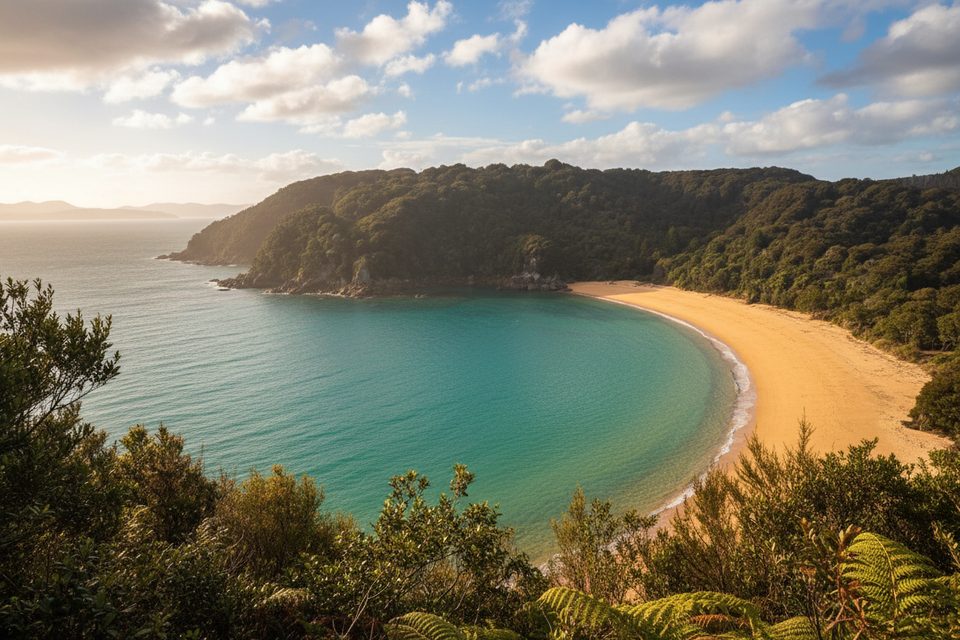
This first section of the Abel Tasman Coast Track runs 12.4 km (about 7.7 miles) one way from Marahau to Anchorage Bay, taking most walkers around 4 hours. You’ll start by crossing the Marahau causeway, then wind through open country and beech/kānuka forest with frequent coastal views before the big reveal of Anchorage Bay. The track is well marked and mostly easy, with a few short steeper or rough/muddy bits after rain.
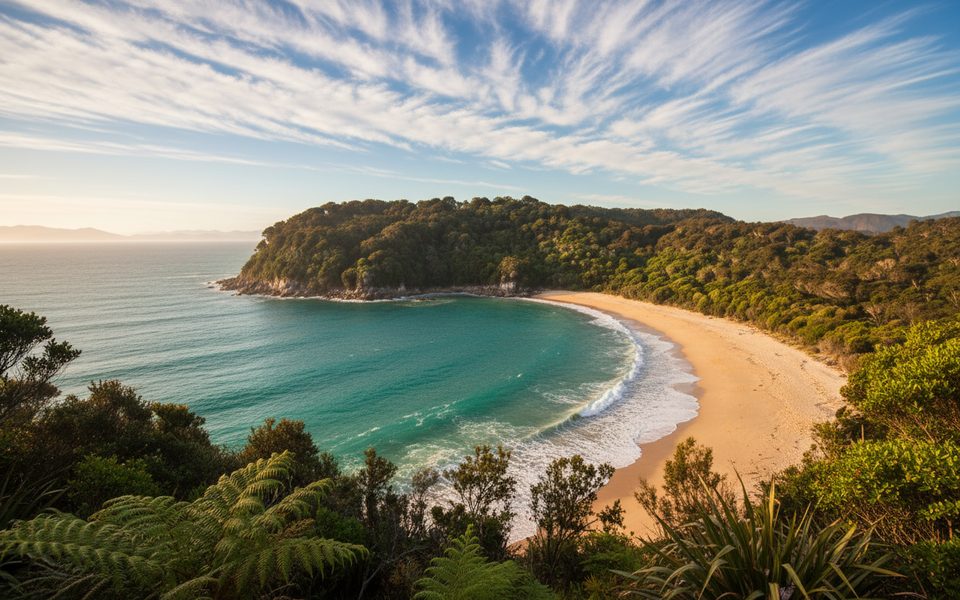
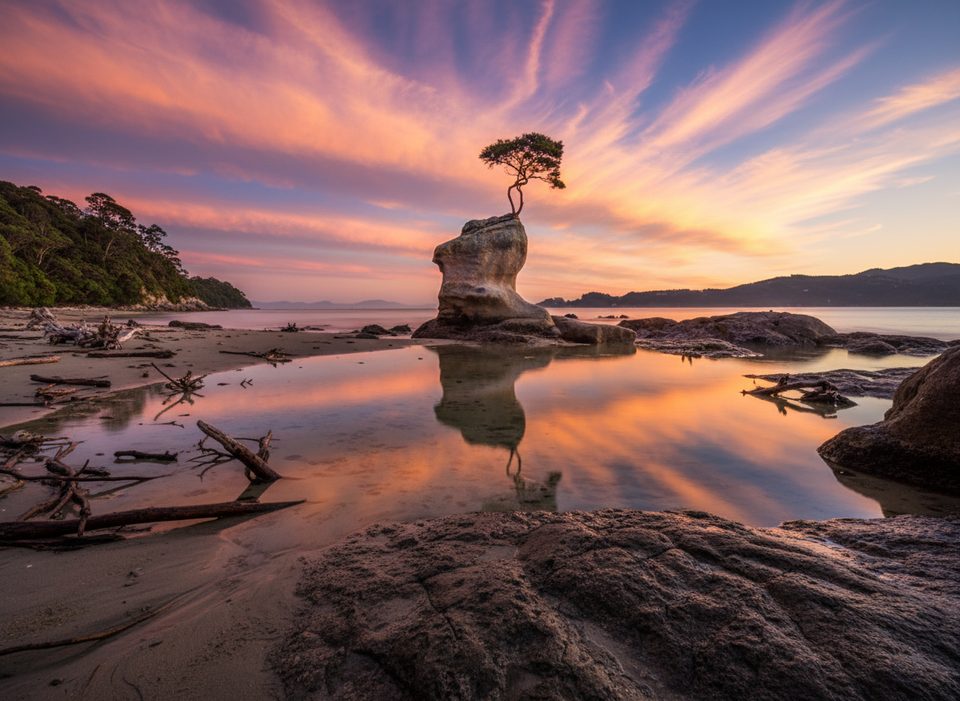
If you’ve got extra time at Anchorage, quick add-ons from here include Te Pukatea Bay (a picture‑perfect cove) and the Pitt Head Loop for elevated views. After dark, some visitors check out the small glowworm caves at the north end of Anchorage Beach.
There are no compulsory tidal crossings between Marahau and Anchorage, so planning is straightforward. Tides only matter if you continue beyond Anchorage toward Torrent Bay: you can either take the all‑tide track or use the estuary crossing around low tide. Most visitors make this a one‑way day by pairing the walk with a year‑round water taxi; Anchorage is a major pickup/drop‑off point and advance booking is smart.
Anchorage has both a hut and a campsite, and bookings are required year‑round. Huts do not have gas cooking facilities or lighting—bring a portable stove, fuel, and a headlamp. Water at huts/campsites should be boiled before use. Campsites are for tents only (no hammocks).
This track can be walked year‑round. October through April is busiest and Anchorage can feel lively with boats. Winter brings quieter trails, fewer insects, and calm seas, but shorter daylight. Expect generally mild conditions overall, with the possibility of strong westerly winds in late spring and summer.
Carry sun protection, enough water, snacks, a light rain layer, and insect repellent—sandflies are active, and wasps are present; bring appropriate medication if you have allergies. Clothes can’t be dried in huts. For safety on the wider Coast Track, it’s worth checking tide tables if your plans include any tidal sections further north.
Boil all hut/campsite water. Be aware of tsunami risk along the coast: after a long or strong earthquake, unusual sea noises, or a sudden sea‑level change, move to higher ground immediately.
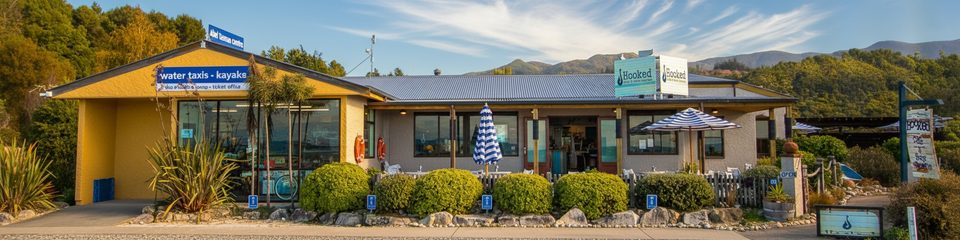
Large public car park at the Marahau trailhead; many water taxi and kayak operators depart/return here.
No treated water (boil at huts/camps); huts lack gas cookers and lighting—bring a stove and headlamp. Wasps and sandflies are common. Tides only matter if continuing beyond Anchorage. Know coastal tsunami guidance.
Place · 0.1 mi away
Place · 0.6 mi away
Place · 1.2 mi away
Place · 1.2 mi away
Moderate · 0.1 mi away
Easy · 1.2 mi away
Easy · 3.9 mi away
Easy · 3.9 mi away

Parkwolf Tour Guide
