
Place · 0.4 mi away
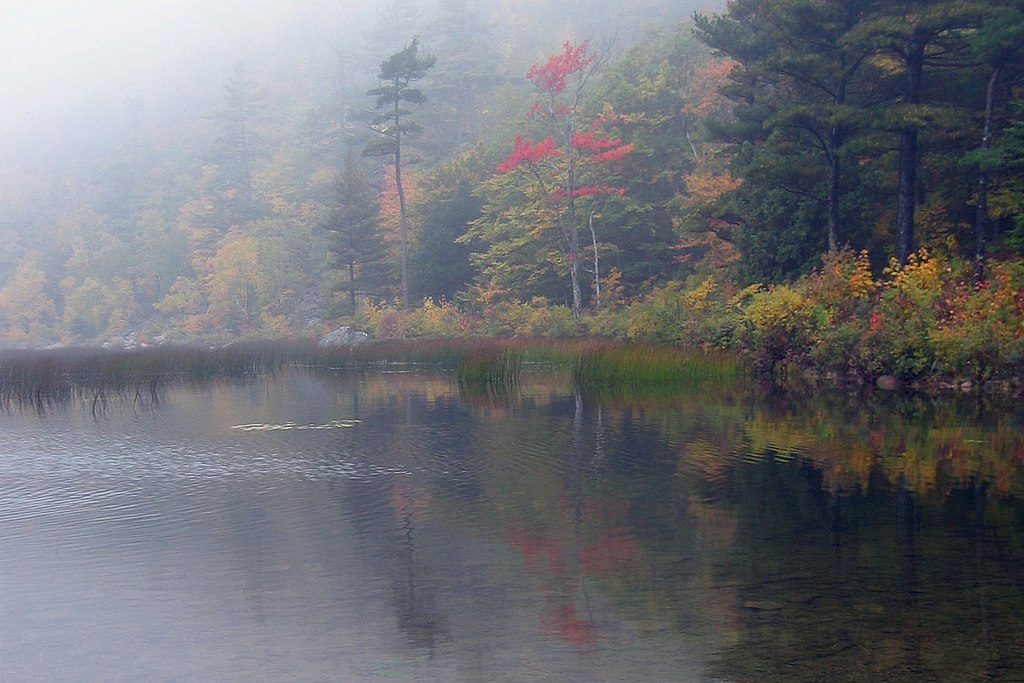
Tucked between Dorr and Champlain Mountains, The Tarn is a long, shallow pond that’s drifted toward marsh over the years. It’s only about 8 acres and roughly three feet deep, but that low-key vibe is the point—calm water, grasses poking through, and soft light make it a peaceful counterpoint to the park’s peak bagging.
This glacially carved basin delivers big scenery in a small package: reeds and reflections framed by granite slopes. Photographers love the still water and golden-hour glow, and the west-shore Kane Path runs right along the edge, so you’re never far from the water’s textures and mirror-like moments.
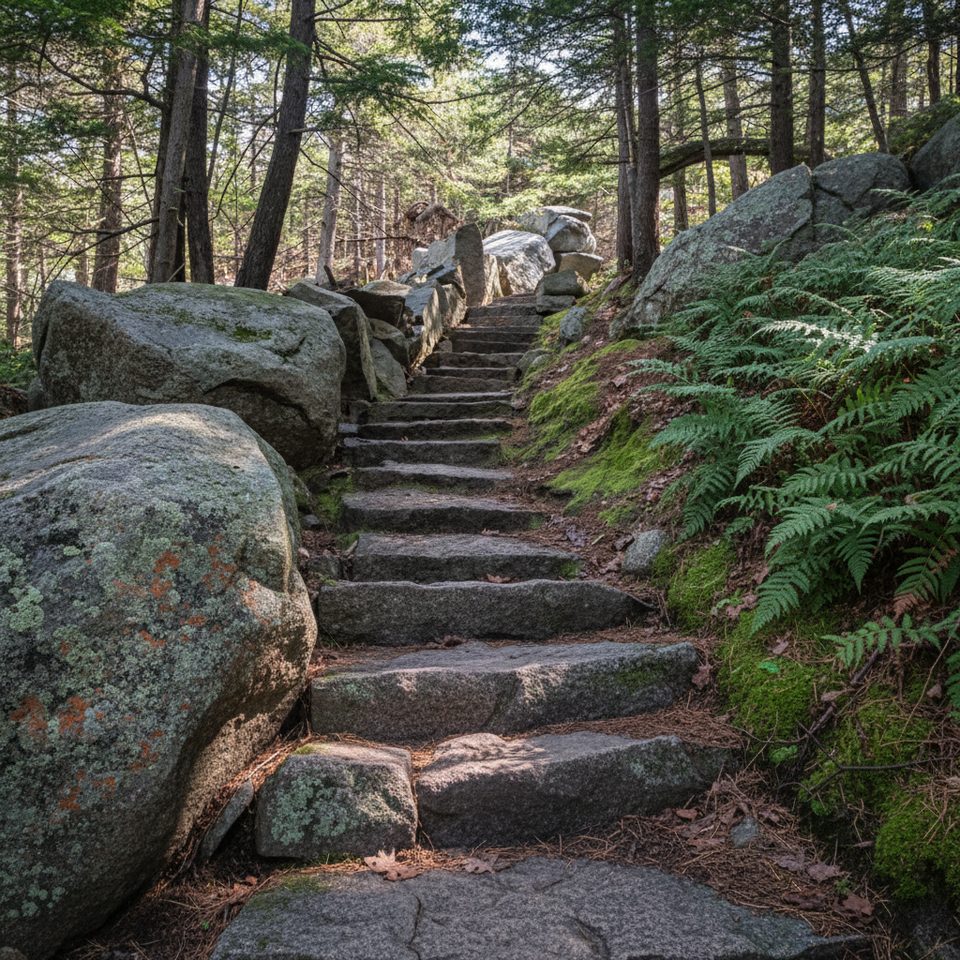
The Tarn sits directly along Park Loop Road/Otter Creek Drive. There’s no formal lot—just small pullouts near the south end—so many people park at Sieur de Monts and walk in via the Wild Gardens Path to the Kane Path. Expect stonework and rocky, uneven stepping stones underfoot along the lakeside stretch.
Think reeds, lily pads, and glassy water with Dorr and Champlain rising on either side. It’s tranquil compared to Acadia’s headliners, though you may hear passing cars because it’s roadside. This is a stop for quiet photos and an easy shoreline amble, not for swimming or boating.
The marshy edges can be lively: look for birds and amphibians, and keep an eye out for beaver activity around the dam areas. Historically the pond held stocked brook trout, but today it’s mostly baitfish and other small aquatic life.
The Kane Path along the west shore is part of Acadia’s early 1900s memorial path system. The Tarn itself was once stocked annually with brook trout, but warming, drying summers and aquatic weed growth shifted it toward a marshy wetland.
Place · 0.4 mi away
Place · 0.5 mi away
Place · 0.5 mi away
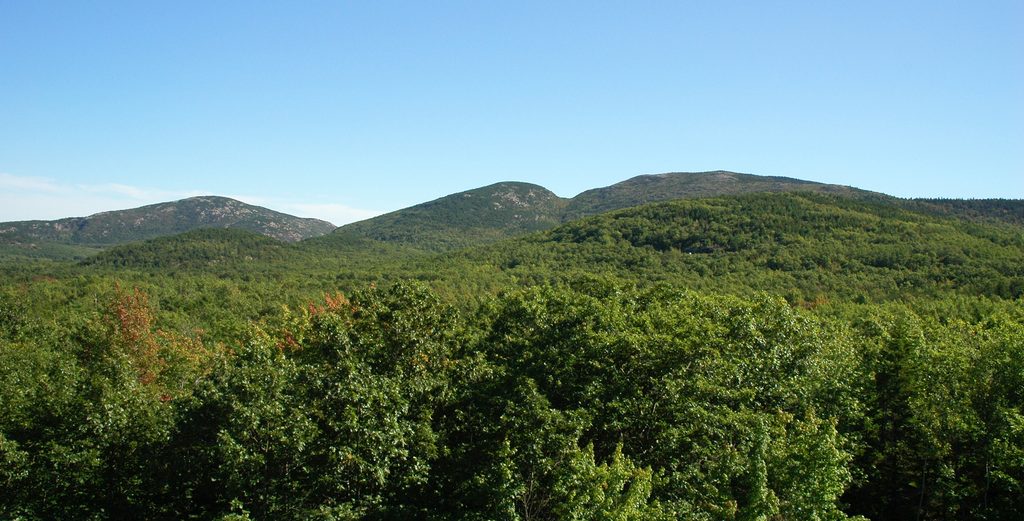
Place · 0.5 mi away
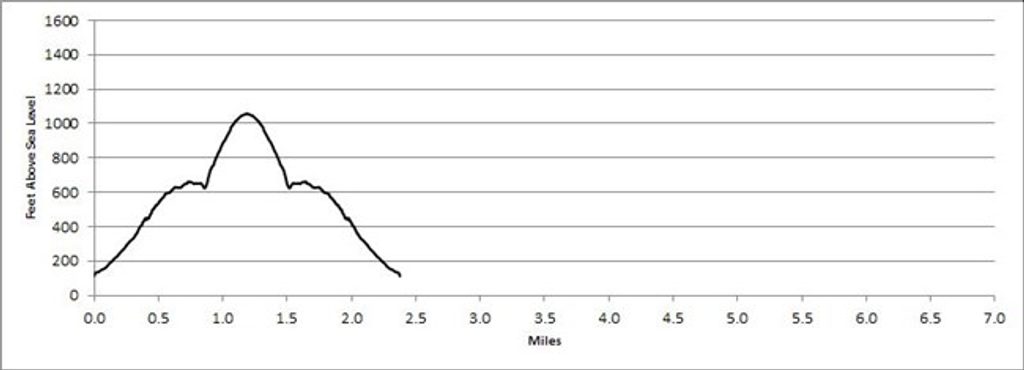
Challenging · 0 mi away
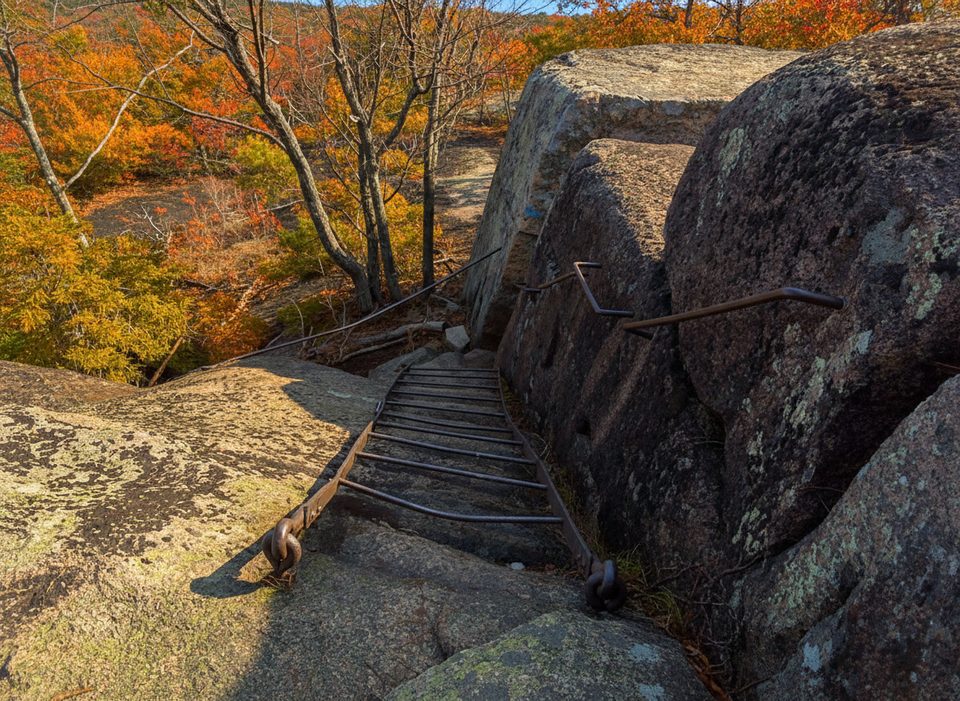
Challenging · 0.3 mi away
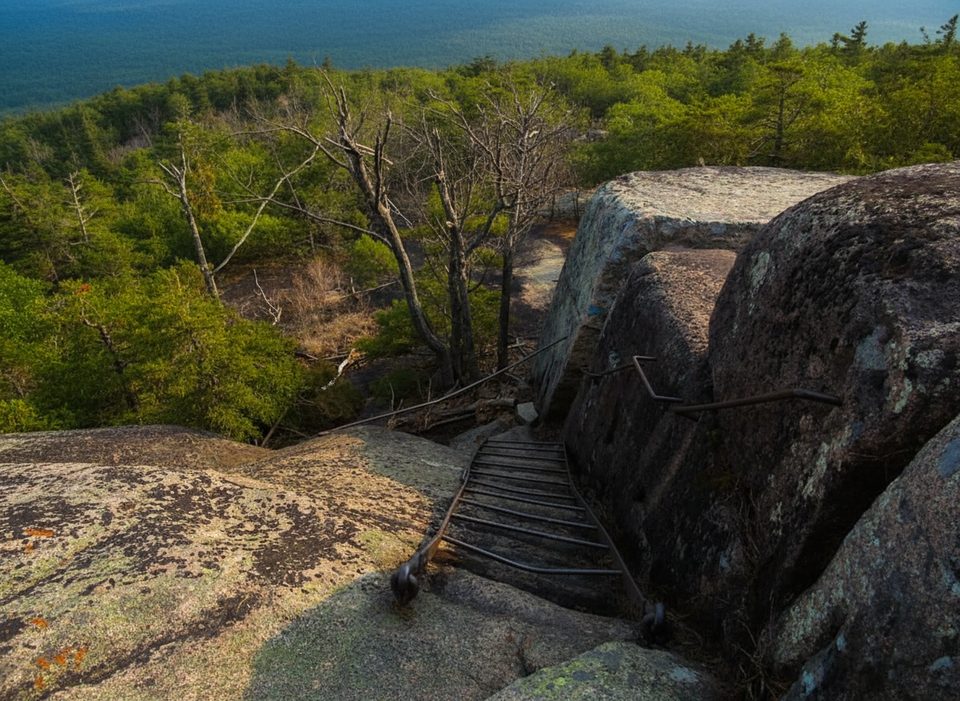
Challenging · 0.3 mi away
Challenging · 0.3 mi away

Parkwolf Tour Guide
