Wild Gardens of Acadia

Native-plant habitats in one peaceful, well-labeled stroll
Wild Gardens of Acadia, Acadia National Park
InsideAcadia National Park

Overview

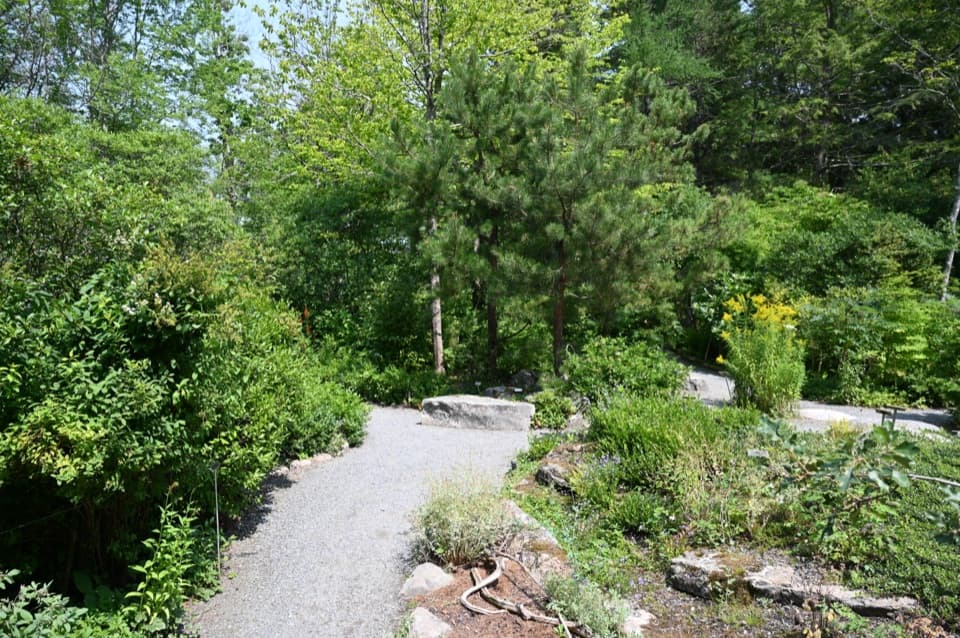
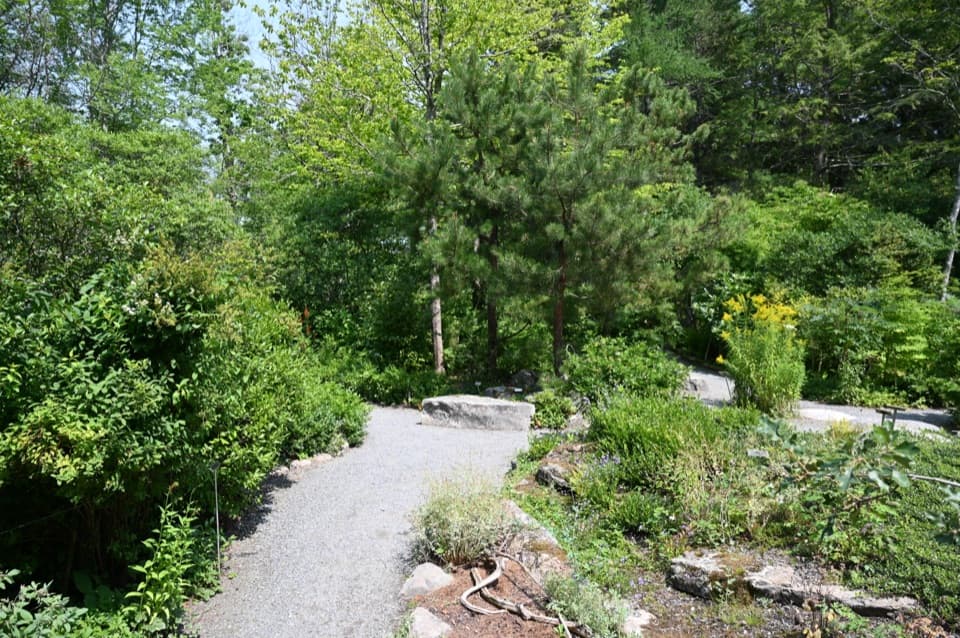
Tucked into the Sieur de Monts area, the Wild Gardens of Acadia is a living field guide to Mount Desert Island’s flora. Instead of formal beds, you wander through 13 habitat-themed sections—heath, seaside, mixed woods, mountain, and more—each planted with the species that naturally belong there. It’s calm, educational, and easy to fit into your day.

What You’ll See

  • 400+ labeled species, from ferns and sedges to lady’s slipper orchids and maples.
  • A loop of short gravel paths with benches and clear signage that make plant ID simple.
  • Seasonal highlights that change week to week; check the park’s “What’s in Bloom” updates to target your favorites.

Why It’s Unique

This isn’t a showy ornamental garden—it’s Acadia’s ecosystems in miniature. Each section mirrors real soil, light, and moisture conditions so you can learn how plants fit together in the wild. Volunteers and Friends of Acadia keep the gardens thriving and add on-site interpretation.

Wildlife

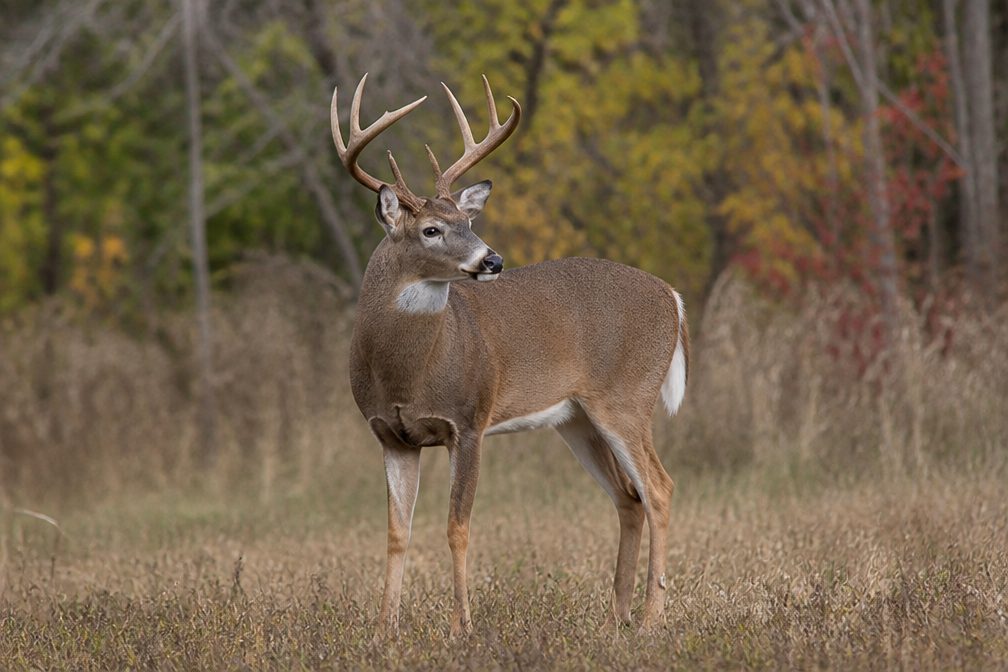
While it’s plant-focused, the mosaic of habitats draws birds and small critters. Visitors report frogs in wet areas and the occasional porcupine, with good bird song along nearby trails.

Make It a Stop-and-Stroll

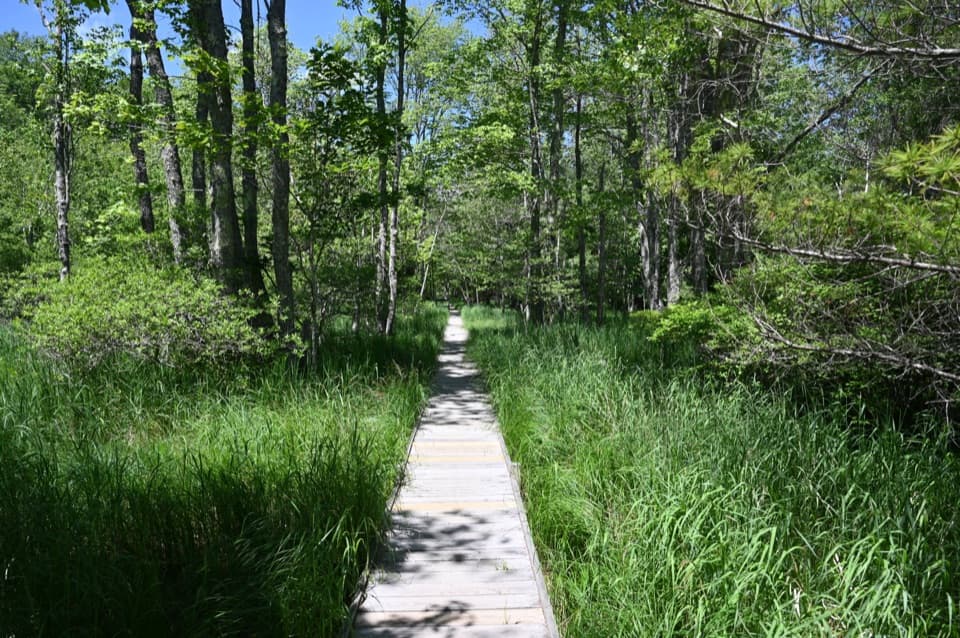
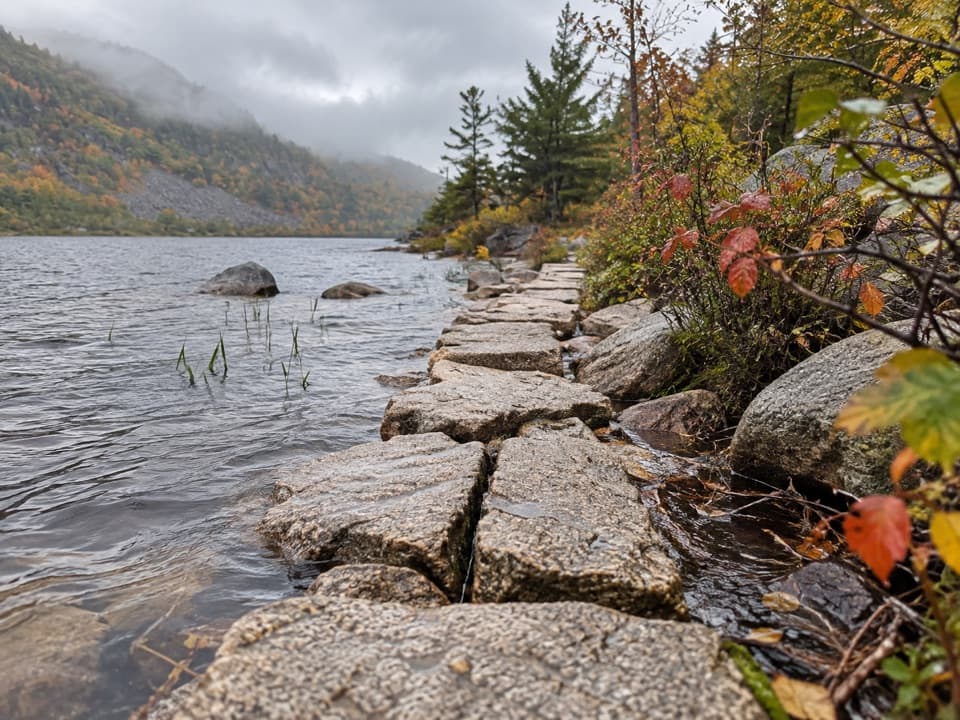
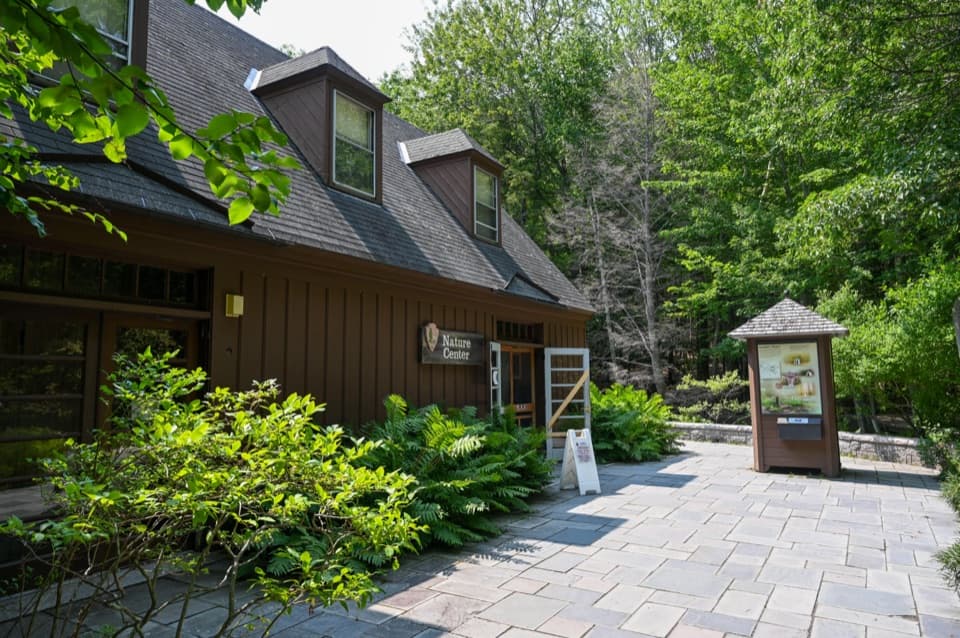
Pair the gardens with the Sieur de Monts Nature Center next door and a walk on the Jesup Path boardwalk through the white birch and meadow—an easy way to turn a 20-minute garden visit into a pleasant half-day.

Planning Essentials

  • No separate fee; your Acadia pass covers it.
  • Expect a short, relaxed visit; most people spend under 30 minutes unless they linger to read labels.
  • Docents are often present in season to answer questions.

Best Time to Visit

  • Time of year: Late spring through summer sees the most blooms; late summer/early fall shifts to berries, seed heads, and foliage.
  • Time of day: Go early morning or late afternoon for quieter paths and softer light; midday can be the busiest.
  • Weather: After rain, expect damp paths and more mosquitoes—bring repellent.

Quick History

Envisioned in the early 1960s and set within a landscape shaped by the 1947 fire, the gardens have long been volunteer-led. They’ve earned national recognition for stewardship, becoming an official Friends of Acadia committee in 2010 and receiving park partnership honors.

Pros

  • 400+ labeled native plants arranged by 13 Acadia habitats
  • Short, peaceful paths with benches and thoughtful interpretive signs
  • Docents often on hand for questions and quick plant ID

Cons

  • Compact; most visits take 15–30 minutes
  • Bloom displays are highly seasonal
  • Can be buggy or muddy after rain

Tips

  • Check the park’s “What’s in Bloom” page to time your visit for peak flowers.
  • Pair it with the Sieur de Monts Nature Center and a Jesup Path boardwalk stroll.
  • Arrive early or late afternoon to avoid the midday crowd surge.
  • Bring insect repellent; standing water and shade mean mosquitoes.
  • Plan 20–40 minutes if you like to read labels and linger on benches.
The Parkwolf tour guide sitting on a phone mounted in a car

Parkwolf Tour Guide

Like a tour guide in your car.

Save the places you found around Acadia, then let Parkwolf guide the drive between them.Download Parkwolf on the App Store