Place · 0.3 mi away
Challenging

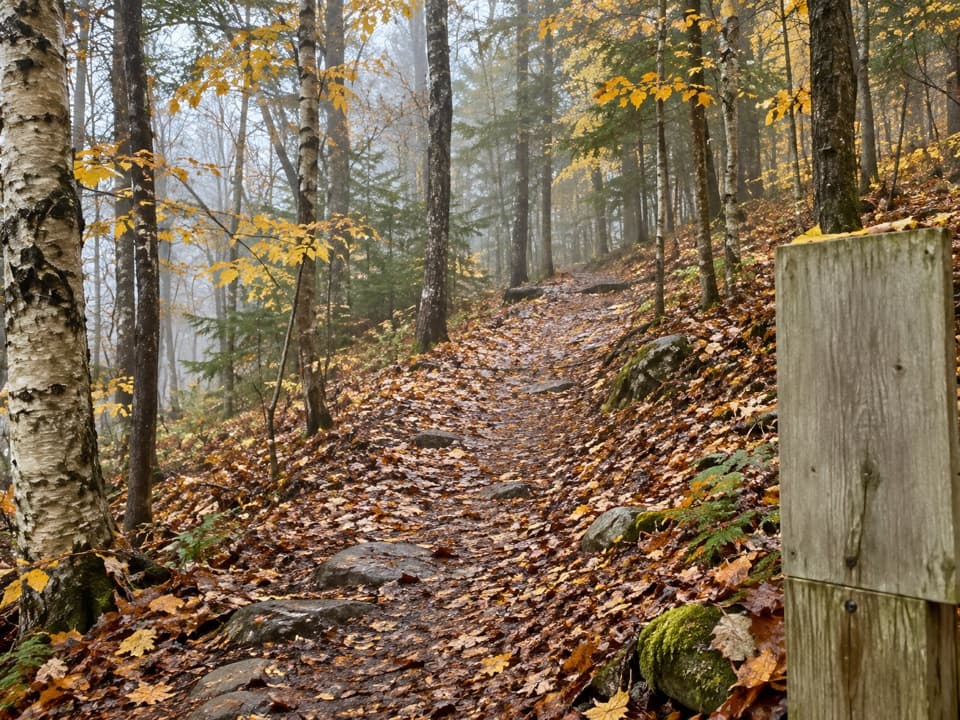
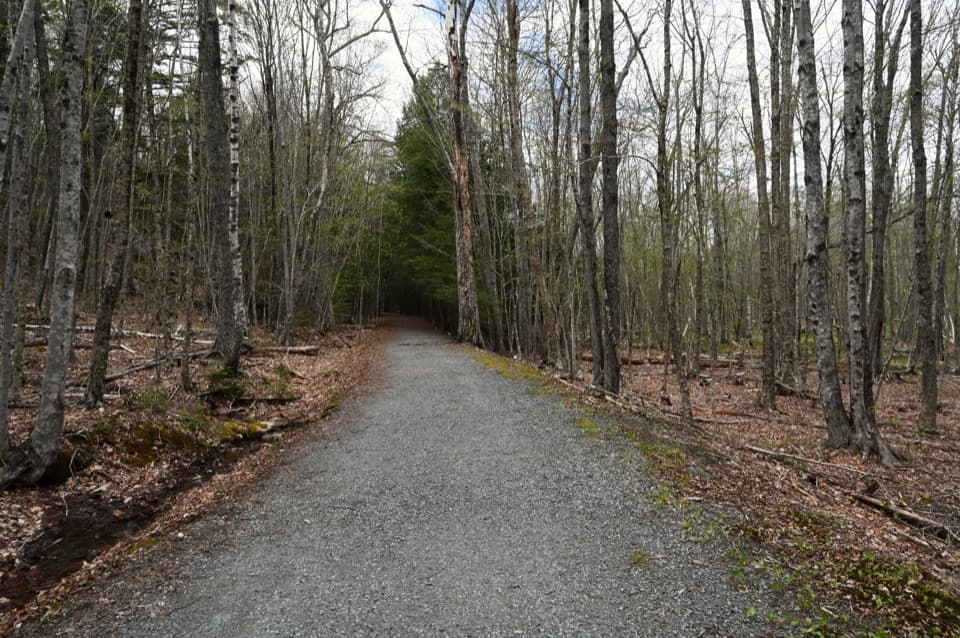
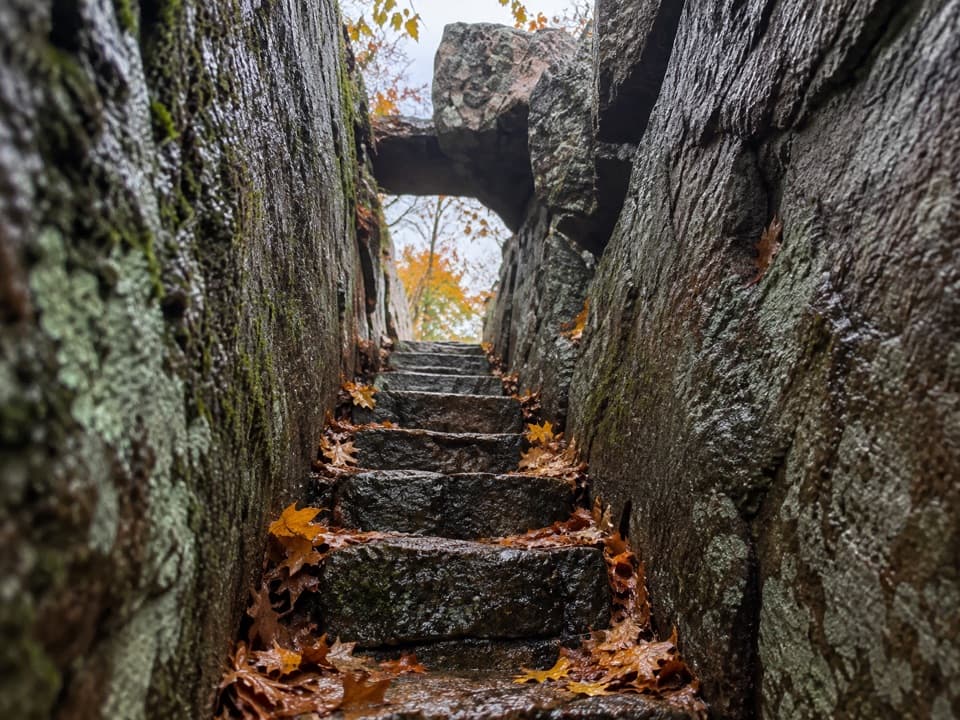
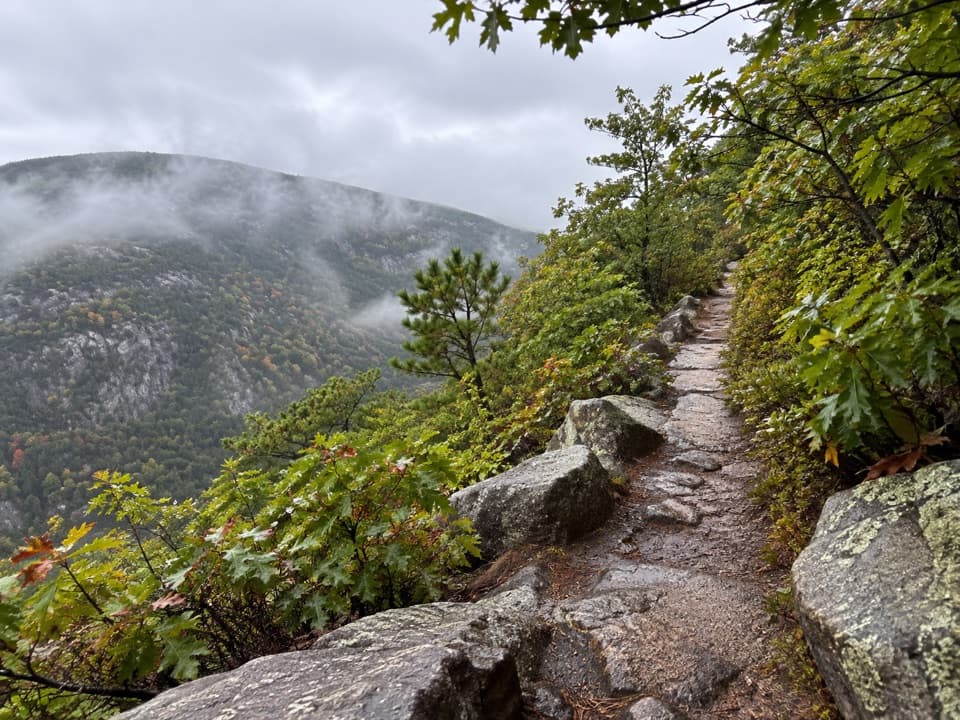
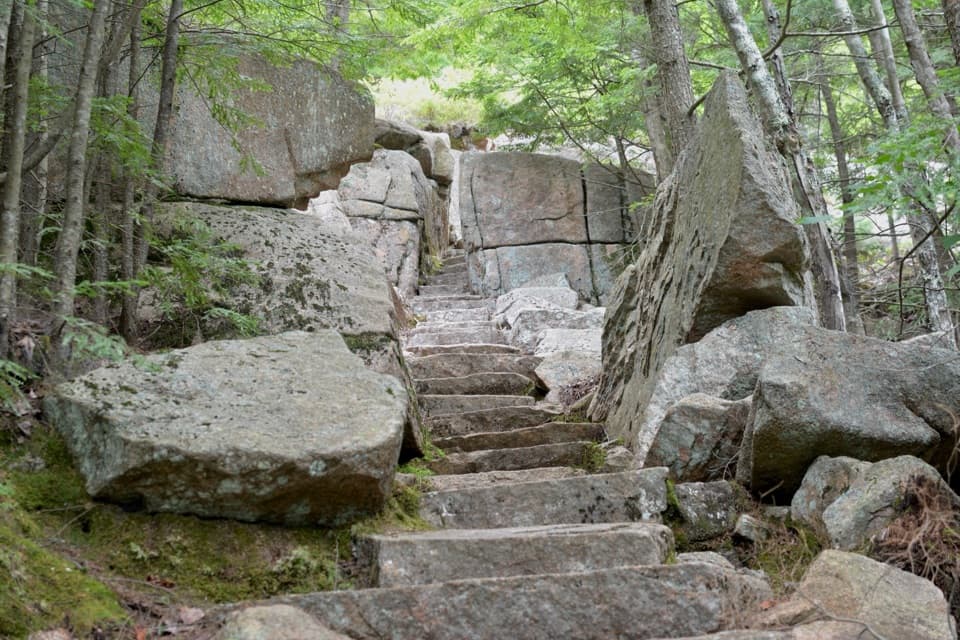
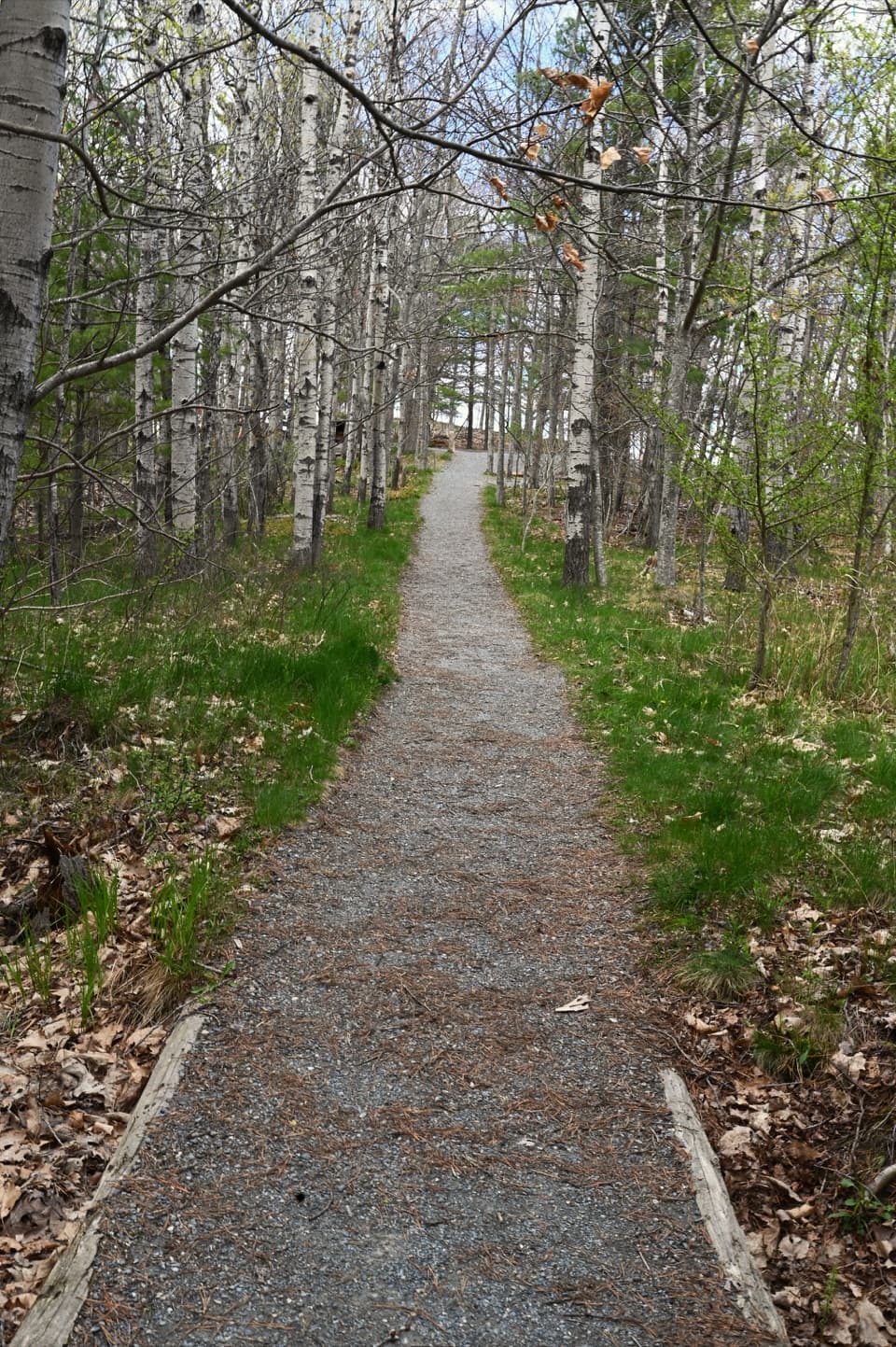
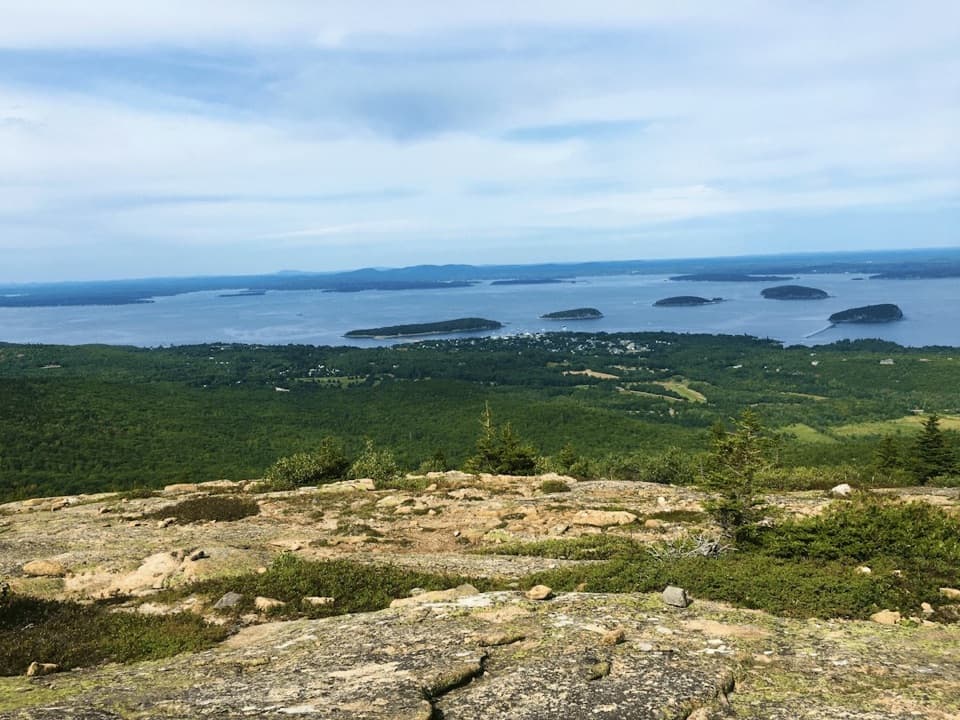
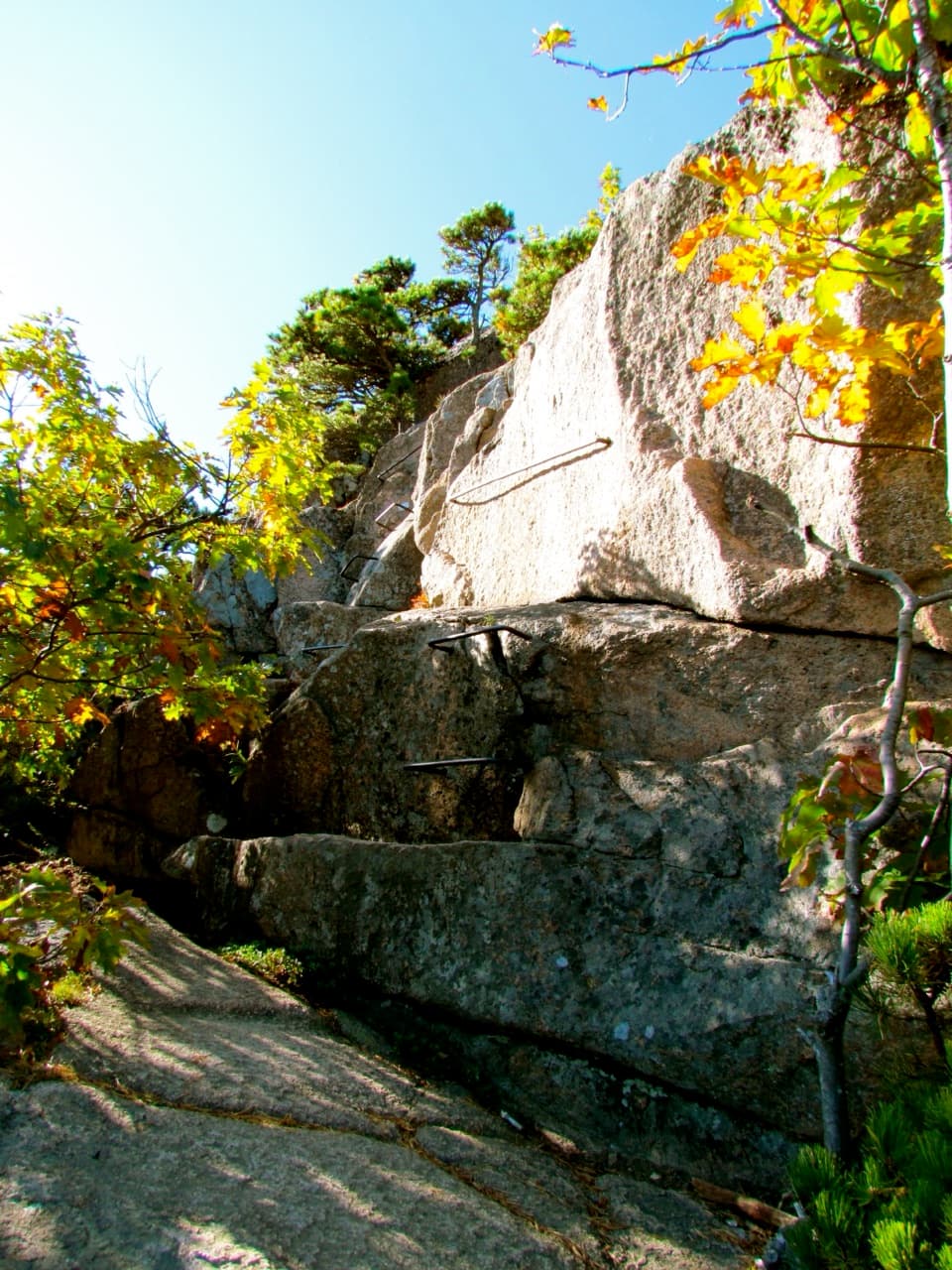
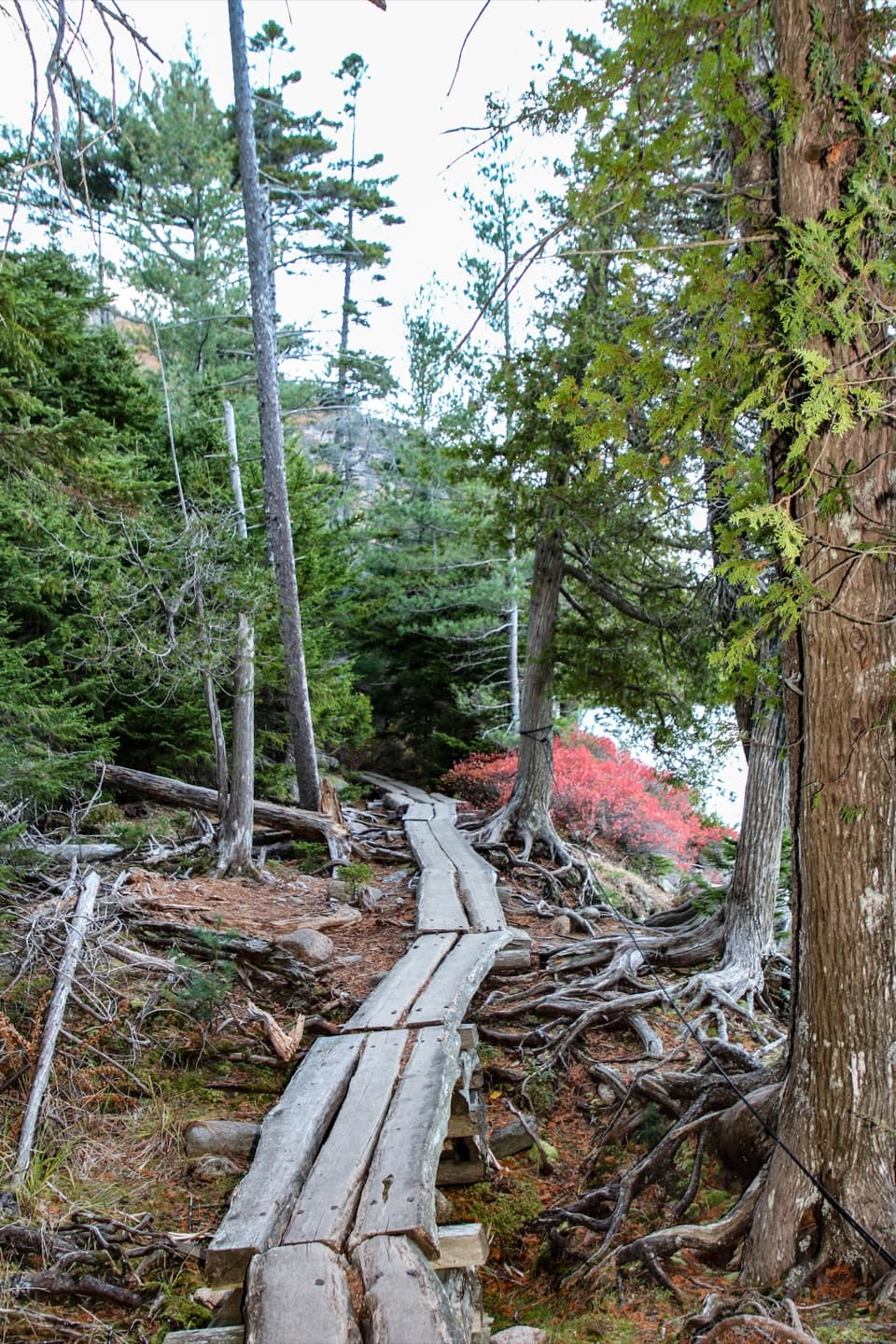
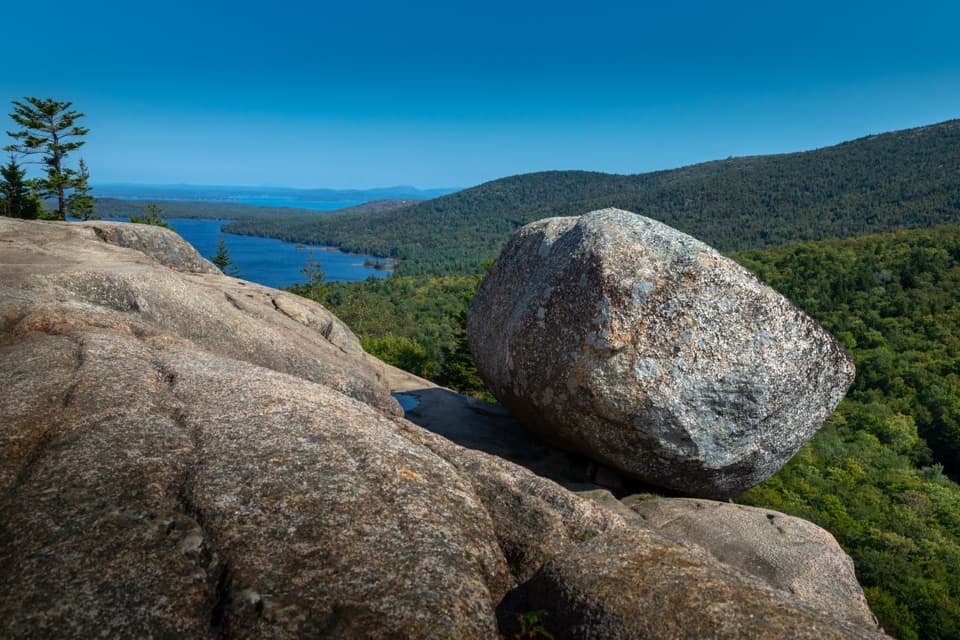
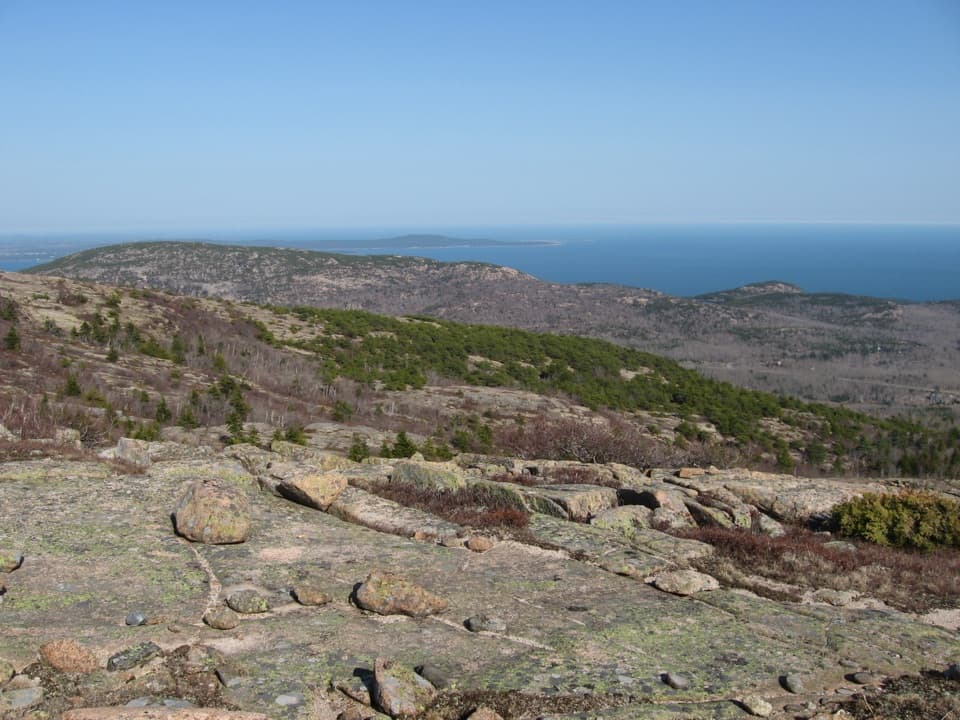
If you want Dorr’s summit without the iron rungs, this is the clean, no‑nonsense way up. The North Ridge is a steady granite climb with classic stone steps, shifting from shaded forest to open ledges as you gain the ridge. It’s 0.8–0.9 miles one way with about 970 feet of gain—short but punchy—and it delivers wide views toward Frenchman Bay, Bar Harbor, and neighboring Cadillac and Champlain.
Expect sustained climbing on rock and granite steps. The route is non‑technical, but it’s steep and will work your lungs. Good traction helps on the granite, especially if it’s damp. Intersections with other trails (Hemlock, Schiff, Ladder, Emery) come up near the ridge and summit—well marked, but it’s smart to carry a map or GPS if you plan a loop. Many hikers ascend the North Ridge and descend via Hemlock or stitch together a longer circuit using Schiff or Emery. Compared to the Ladder Trail, the North Ridge feels less exposed and more about cardio than scrambling.
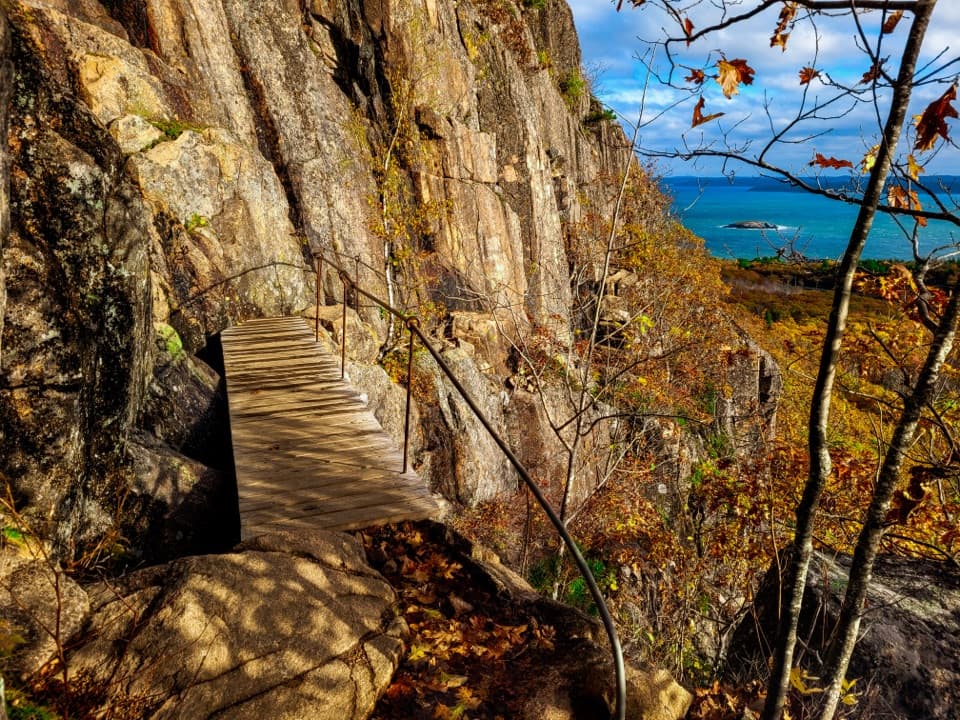
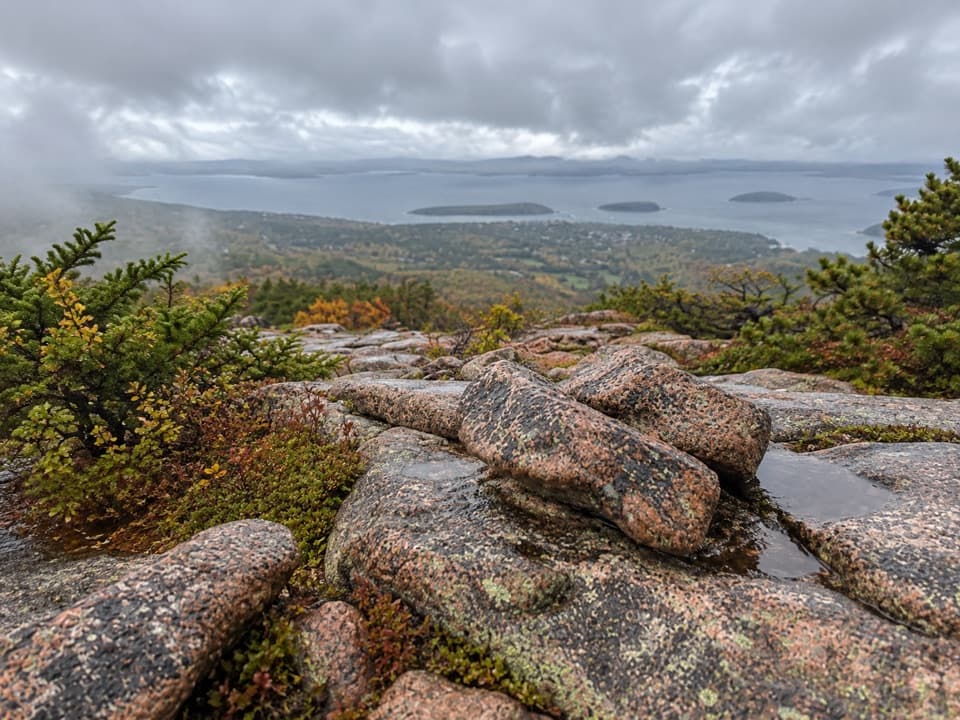
Near the top, the trees thin and ledges open up. The summit area is broad and breezy with sightlines over Frenchman Bay and back to Cadillac. It’s a rewarding summit that often draws fewer crowds than Cadillac itself.
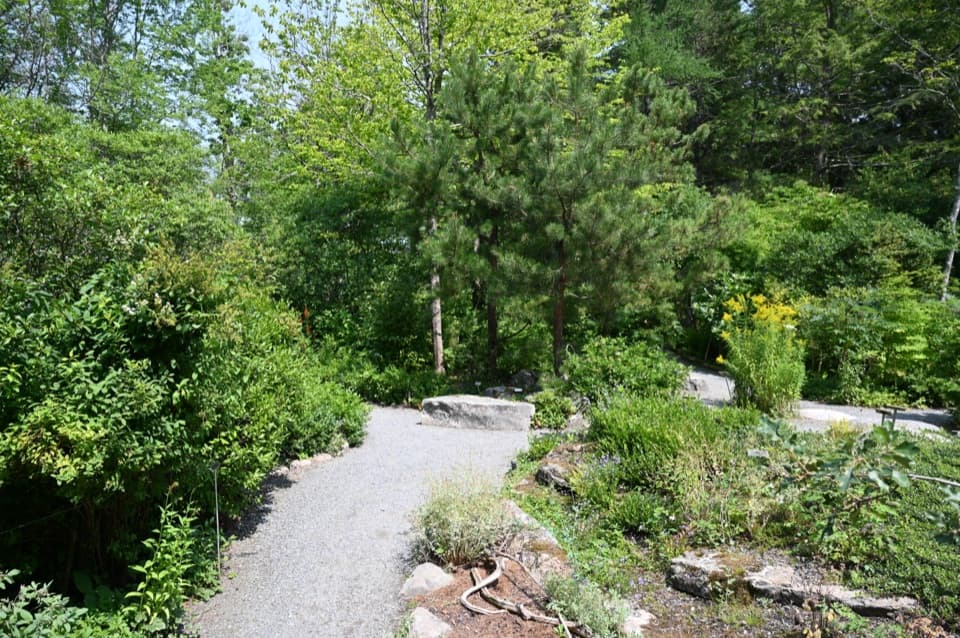
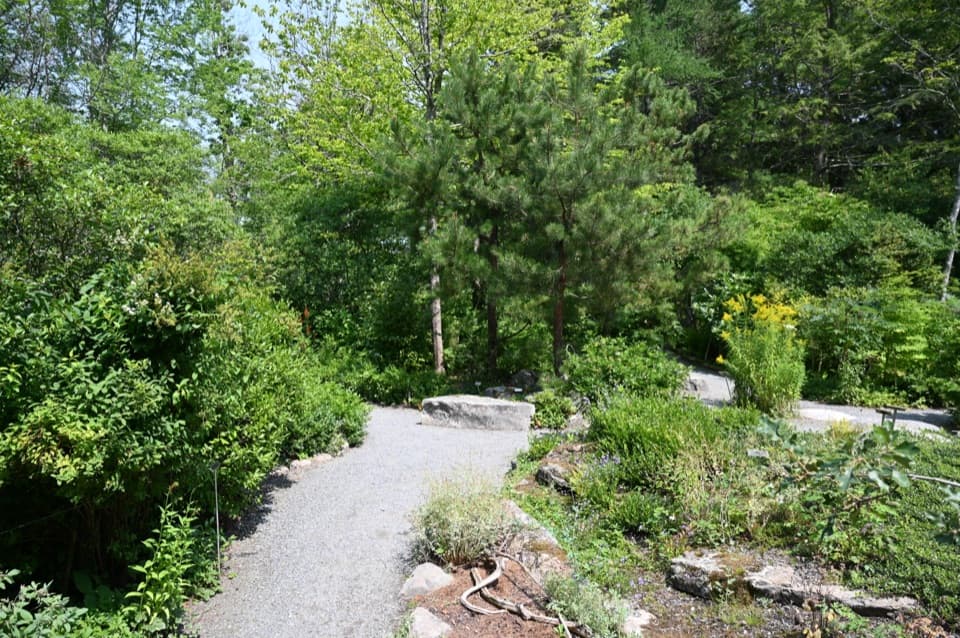
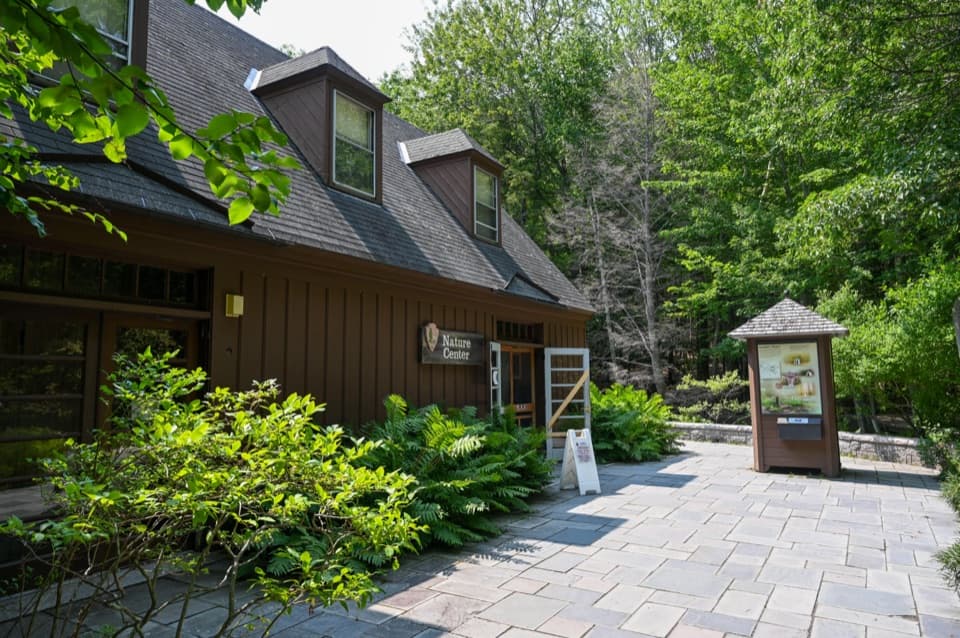
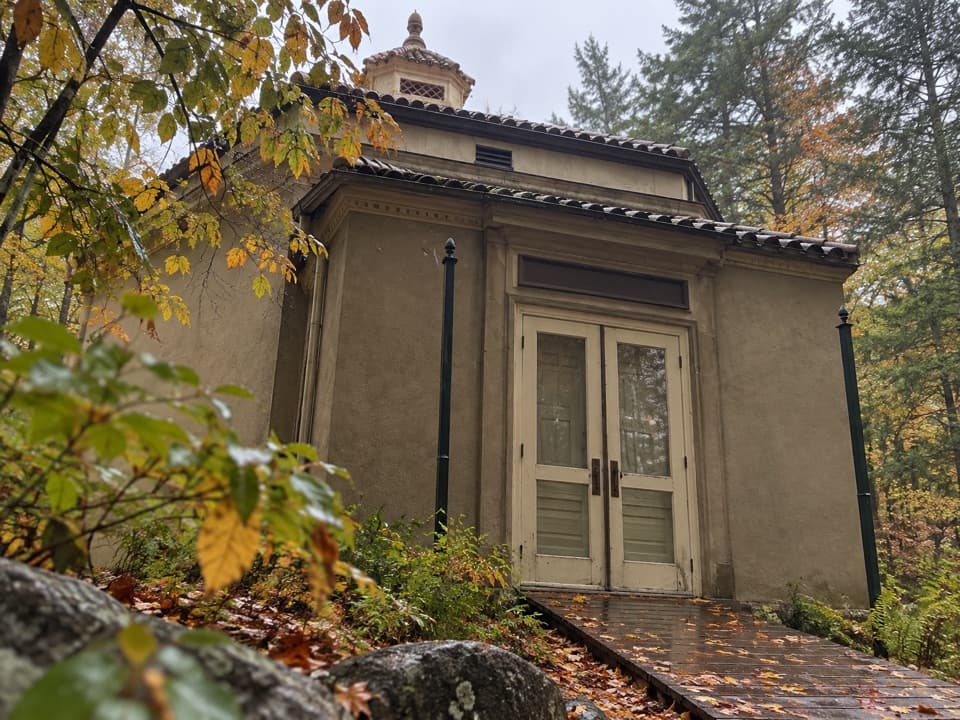
Start near the Sieur de Monts Nature Center. Parking exists but fills fast in peak season; arriving early or using the Island Explorer bus keeps it painless.
Late spring through early fall is prime. Summer crowds thin out early morning or late afternoon when temps are friendlier and light is better. Fall brings standout foliage. The trail is open in winter, but ice can make the granite treacherous—microspikes and extra caution are wise.
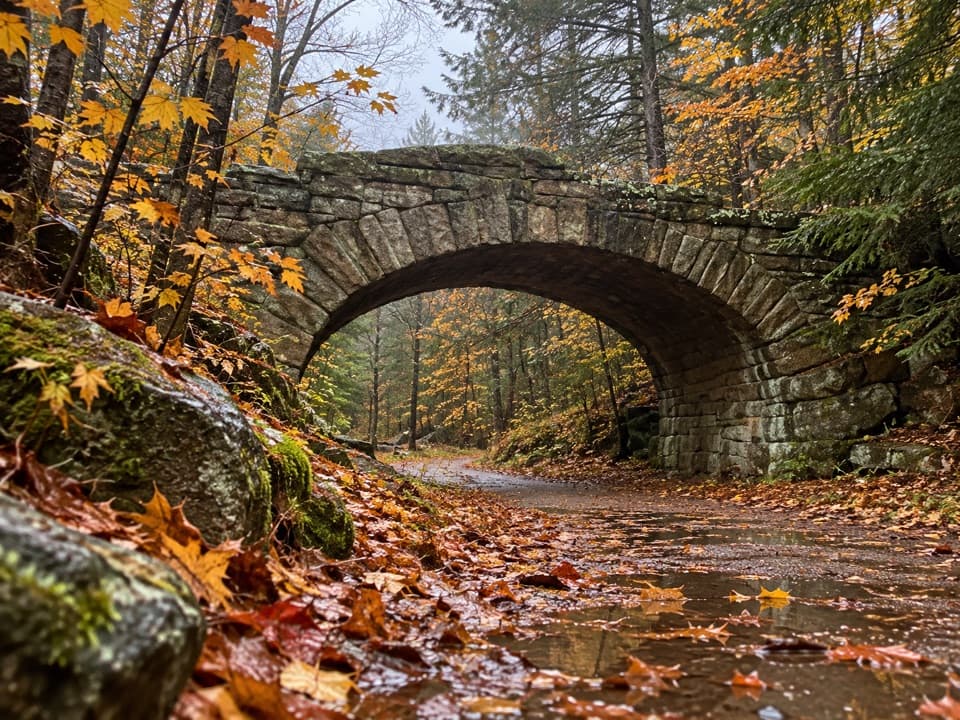
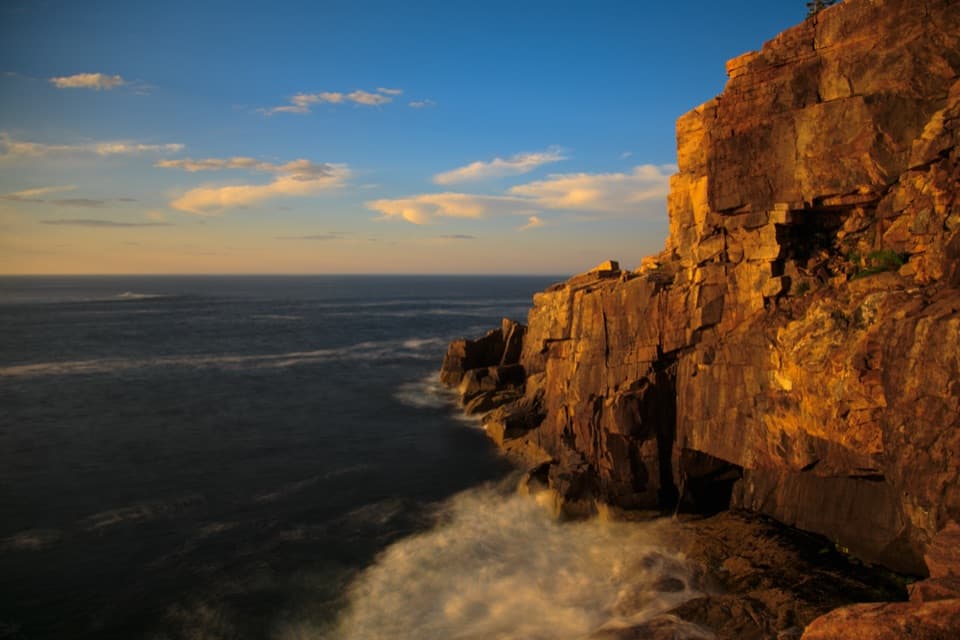
Geology and setting: You’re walking over Acadian granite sculpted by glaciers, with pockets of stunted spruce and pine clinging to the ledges. You’ll also pass examples of the park’s historic stonework if you extend your loop via adjacent paths.
Park at Sieur de Monts Nature Center; spots are limited and fill early. Consider the Island Explorer bus during busy months.
Steep, sustained grade on granite ledges and stone steps; upper ridge is exposed to wind. Intersections with other trails can be confusing without a map. In winter, ice forms on granite—use microspikes and proceed carefully.