
Place · 2.5 mi away
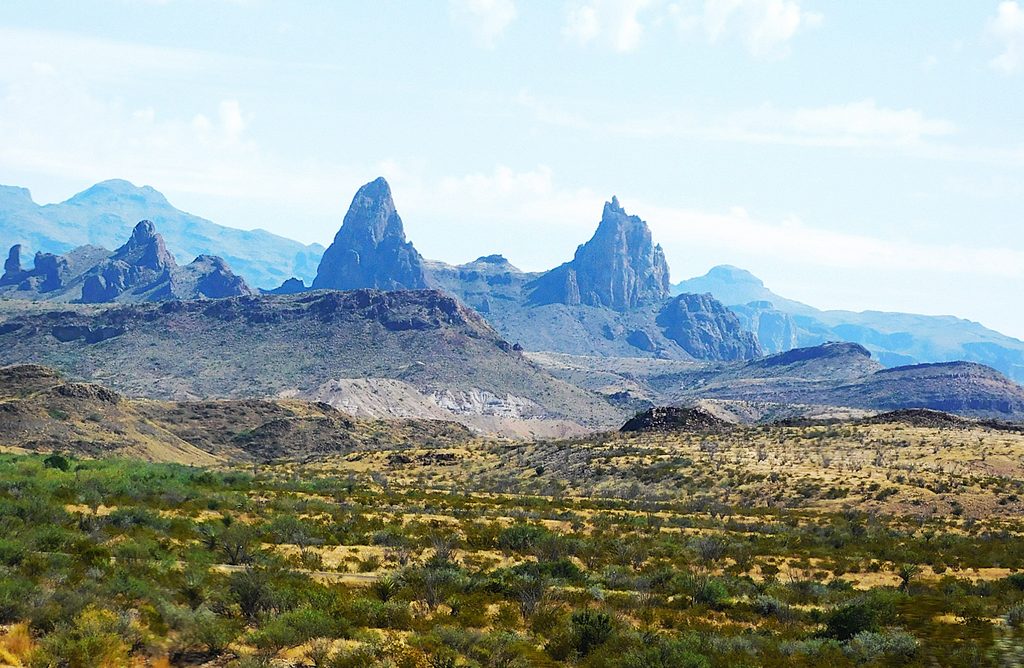
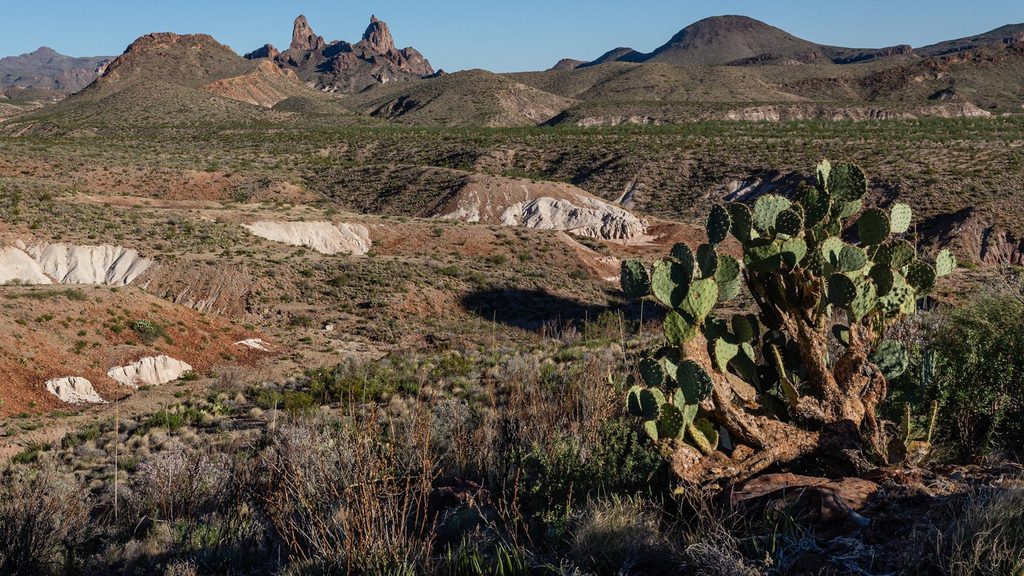
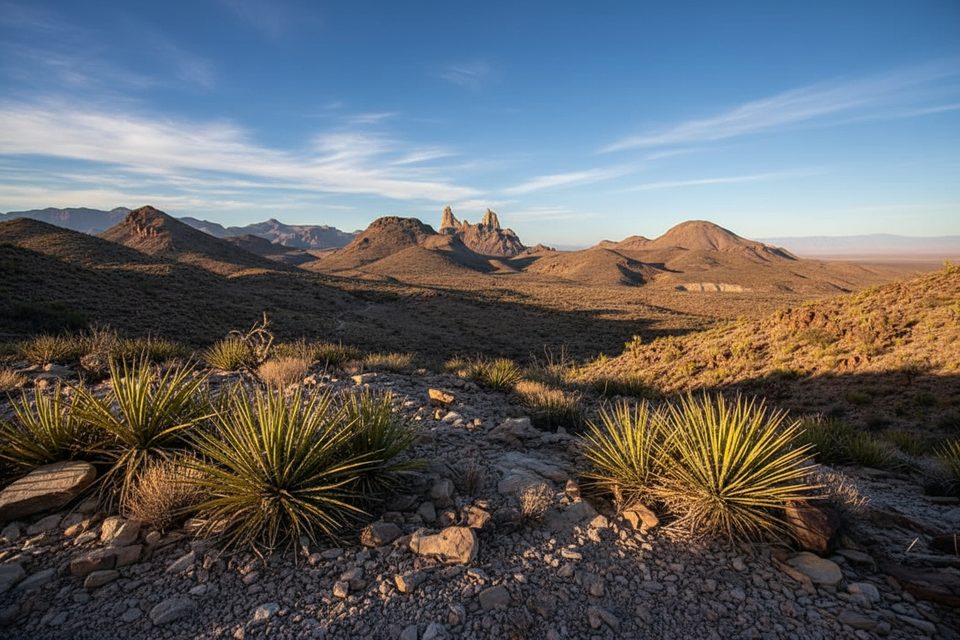
Mule Ear Peaks are the unmistakable twin rhyolite spires that punctuate the western desert skyline. They’re one of the park’s most recognizable silhouettes, and you can appreciate them either from the roadside Mule Ears Overlook or while hiking the Mule Ear Spring Trail. Geology buffs, photographers, and anyone who loves stark desert drama will feel right at home here.
That spring oasis is a striking contrast to the surrounding Chihuahuan Desert. The ground can glitter with embedded quartz along the way, and the views barely let up—this is one of those hikes where the destination and the journey both deliver.
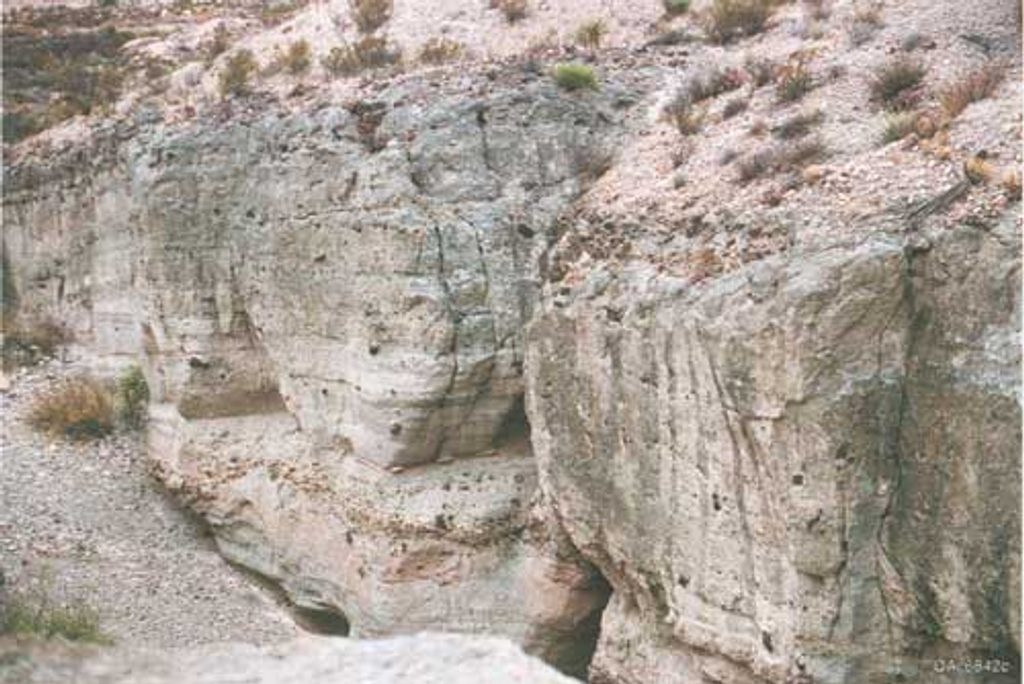
The peaks are volcanic in origin—two resistant rhyolite dikes tied to the Burro Mesa Formation, formed roughly 29 million years ago. Erosion removed the softer surroundings and left these dramatic pillars. Layers in the area include Mule Ear Spring Tuff and Bee Mountain Basalt, telling a story of explosive eruptions and lava flows that shaped the mesa country you’re walking through.
Water concentrates life out here. Around the spring, look for bird activity, insects, and signs of small mammals. Treat the spring as the fragile lifeline it is: don’t disturb the water, trample vegetation, or leave any food scraps.
Morning is prime—cooler temps and flattering light at the overlook (sunrise is especially good). Late afternoon also works for photography. Midday brings harsh light and heat. Crowds are usually reasonable with steady turnover at the pullout, but aim early on weekends and holidays.
This is a remote, no-frills stop: no restrooms, no potable water, no food. There’s a signed trailhead at the overlook with parking. Bring plenty of water, sun protection, and sturdy shoes; the route is exposed and can be windy. The spring is not a drinking source.
If you’re drawn to stark desert vistas, big geology, and a short hike to an unlikely oasis, absolutely. As a quick scenic stop, the overlook is a gimme; with a couple of hours, the trail makes the experience richer without being strenuous.
Place · 2.5 mi away
Place · 2.9 mi away
Place · 5 mi away
Place · 5.1 mi away
Easy · 2.5 mi away
Moderate · 2.5 mi away
Moderate · 4.3 mi away
Easy · 5.1 mi away

Parkwolf Tour Guide
