
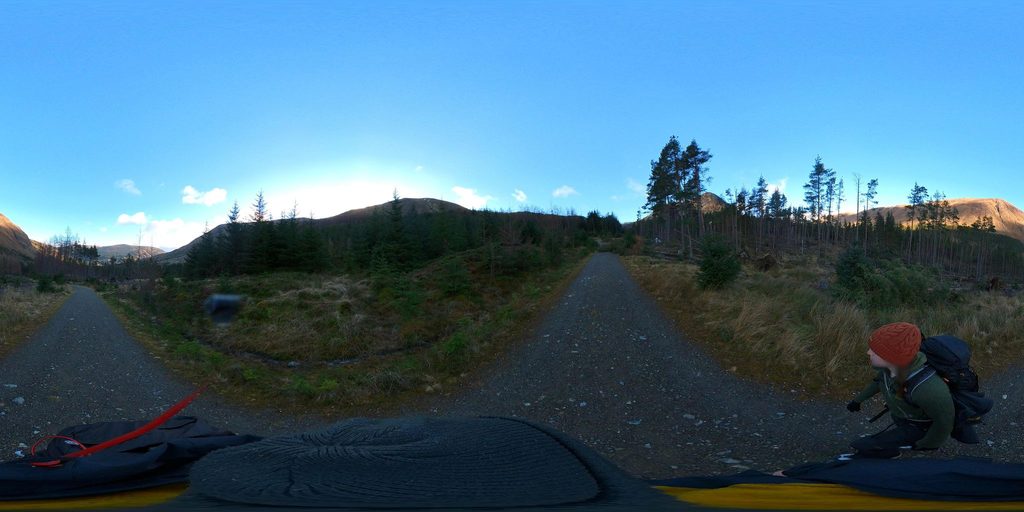
Place · 1.5 mi away
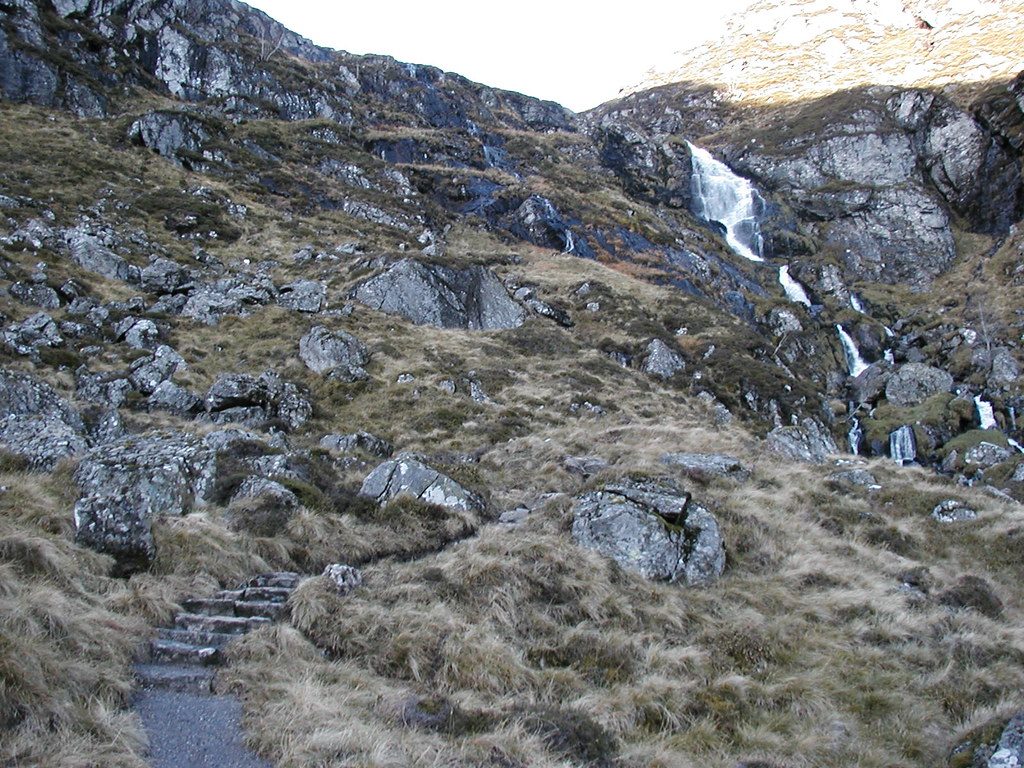
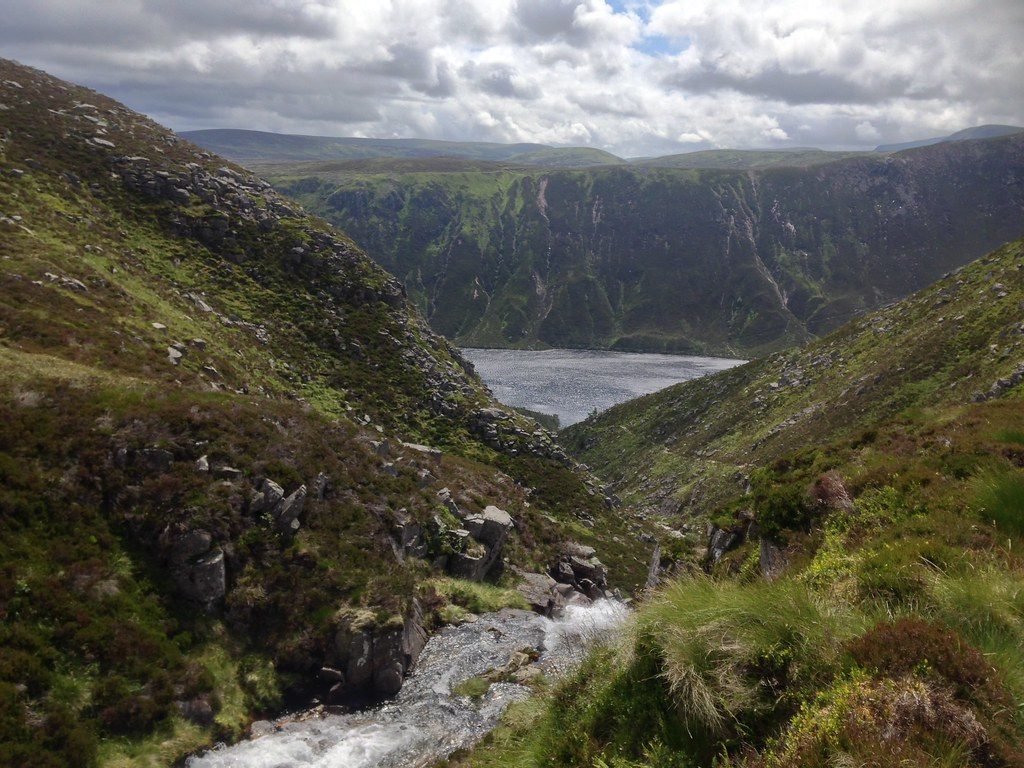
Corrie Fee is a textbook glacial corrie—a huge stone amphitheatre scooped out by Ice Age ice—tucked at the head of Glen Clova. Sheer cliffs, moraines, and a meandering burn all combine into one of the finest natural arenas in the UK. It feels wild and remote, yet the approach is straightforward and rewarding.
Expect that big, bowl-shaped skyline, cliffs ringing the corrie, and a broad floor cut by streams and dotted with upland habitats. Most walkers stop at the natural viewpoint where the forest path breaks out into the corrie; strong legs can continue into the bowl and up towards the waterfall for a stunning look back down the amphitheatre.
This reserve is famed for rare arctic–alpine flora—think purple and yellow saxifrages, globeflower, alpine blue-sowthistle—and for Scotland’s largest natural stand of montane willow scrub (especially around Corrie Sharroch). Overhead, watch for raptors: golden eagles and peregrine falcons are possible sightings.
Start from the Glen Doll car park and Ranger Base. A good, well-made path climbs gently through the forest to the corrie viewpoint. Beyond that, the terrain turns rougher and steeper as you approach the waterfall—fine for confident walkers, but it can be rocky and slick. Hillwalkers also use this as a springboard to bigger days on nearby Munros and winter climbing on the crags.
You’ll find pay-and-display parking and public toilets at the Glen Doll Ranger Base, plus visitor information and educational displays. That’s it—no café, shop, or fuel here—so arrive prepared. Picnic spots sit by the River South Esk near the start.
The reserve is open year-round. Midweek mornings are the quiet sweet spot; weekends see more traffic, especially around late morning to early afternoon. Arrive early to beat the rush and secure parking. For photos, soft morning or late-afternoon light does the corrie’s curves justice; clear winter air can be gorgeous, but conditions can be severe. Weather flips fast—even in summer—so bring layers and waterproofs.
Place · 1.5 mi away
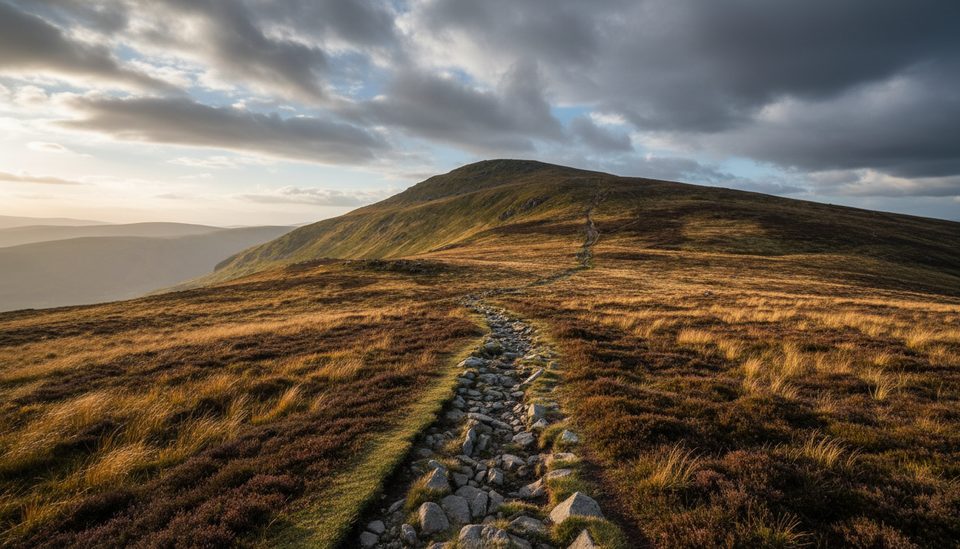
Place · 2.6 mi away
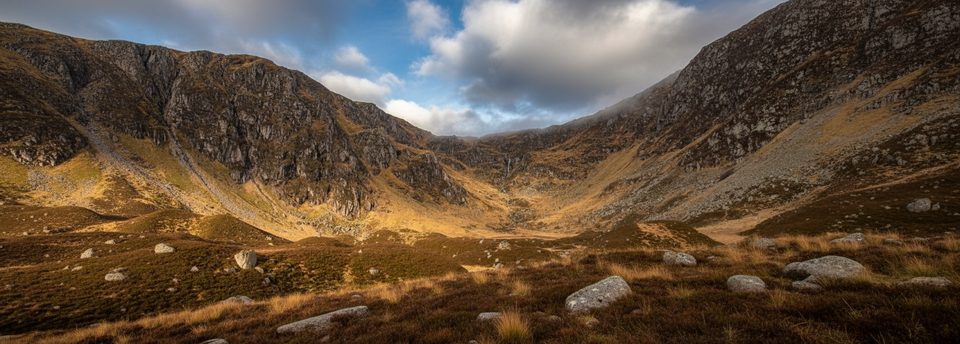
Place · 3 mi away
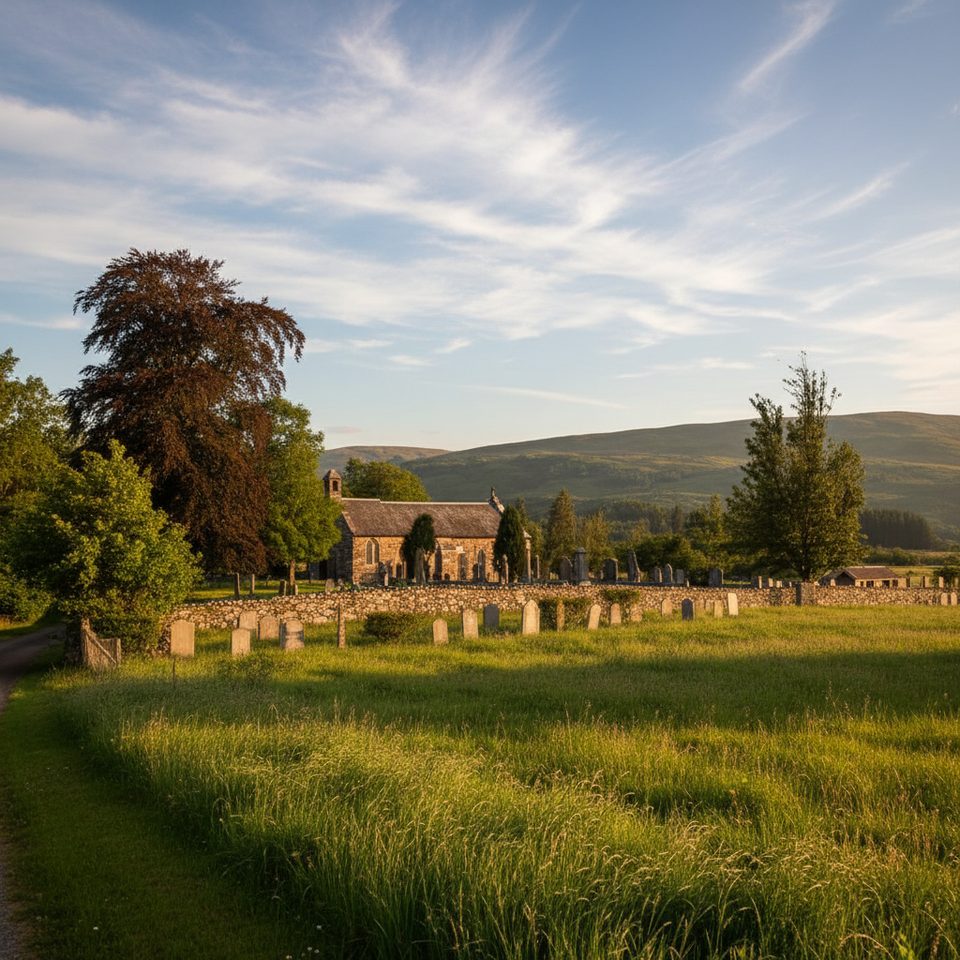
Place · 3.4 mi away
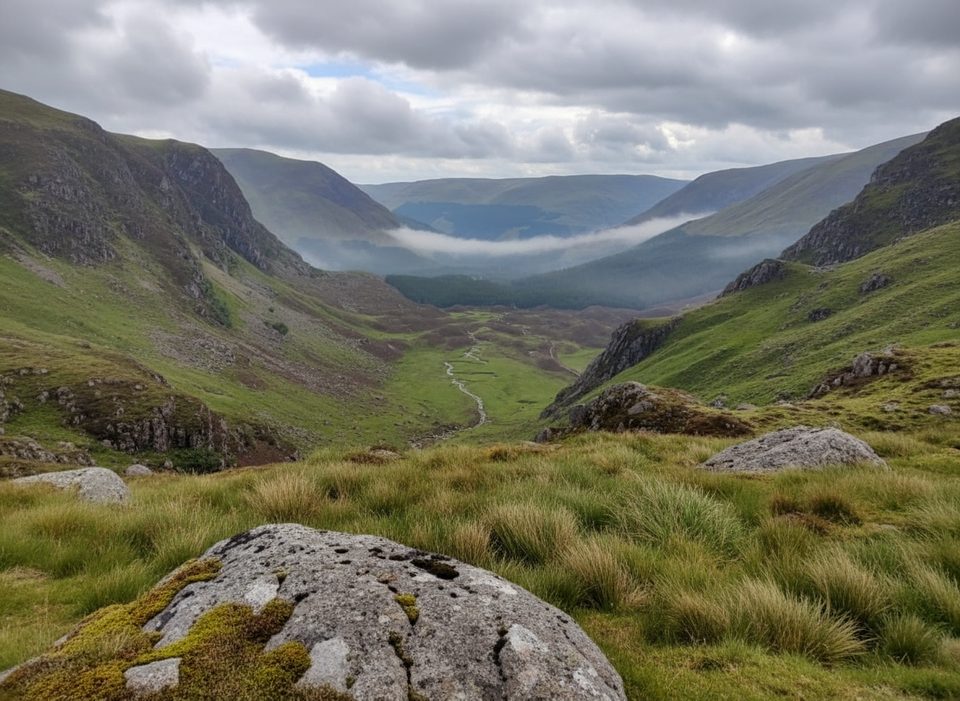
Moderate · 0 mi away
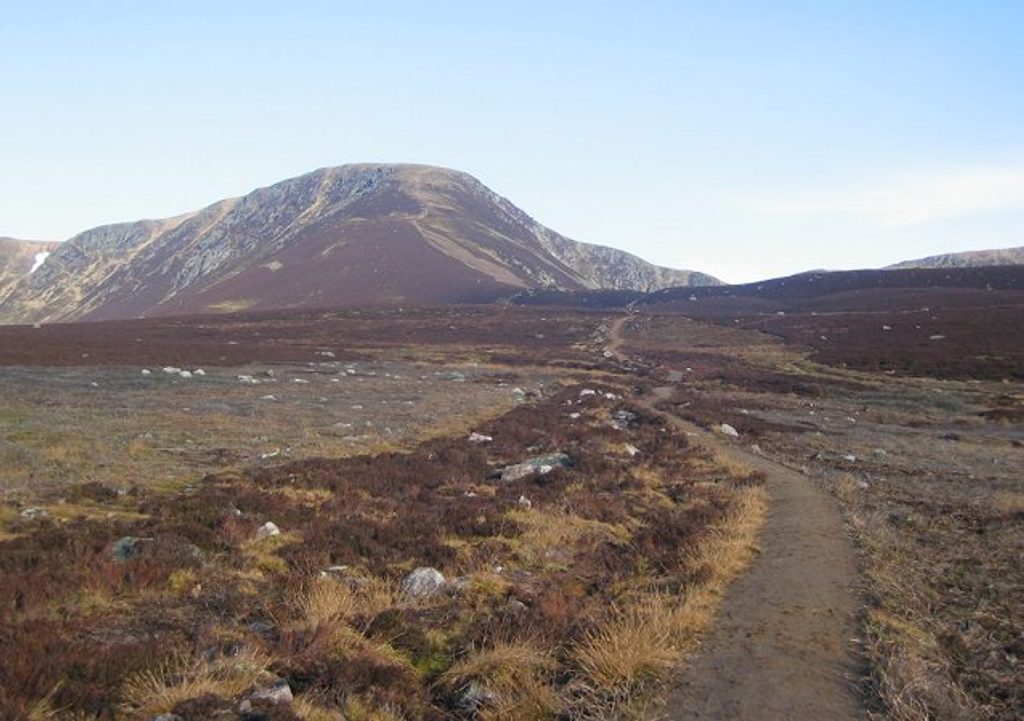
Moderate · 3.3 mi away
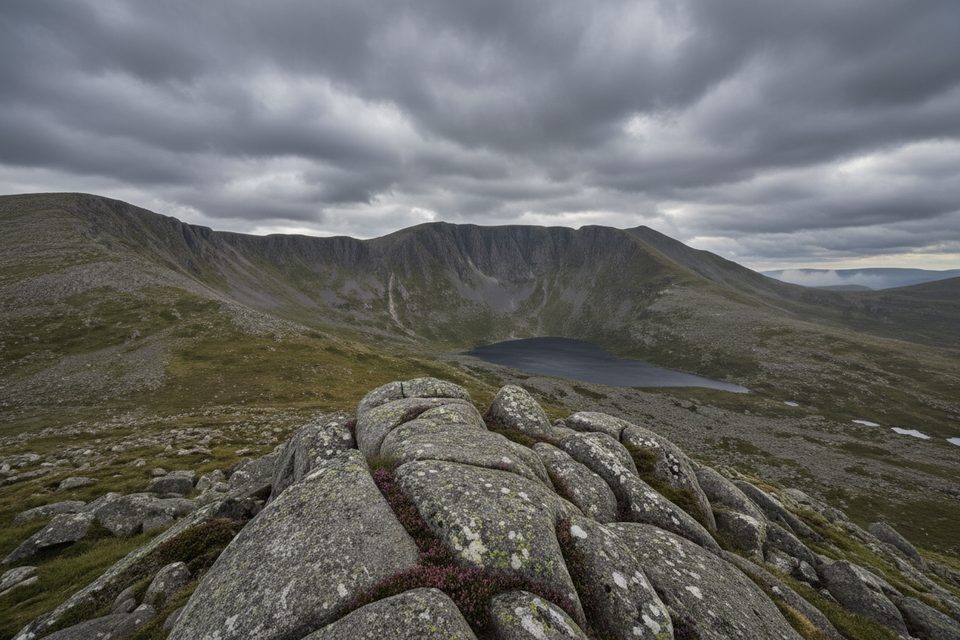
Challenging · 5.7 mi away
Moderate · 5.7 mi away

Parkwolf Tour Guide
