
Place · 1.5 mi away
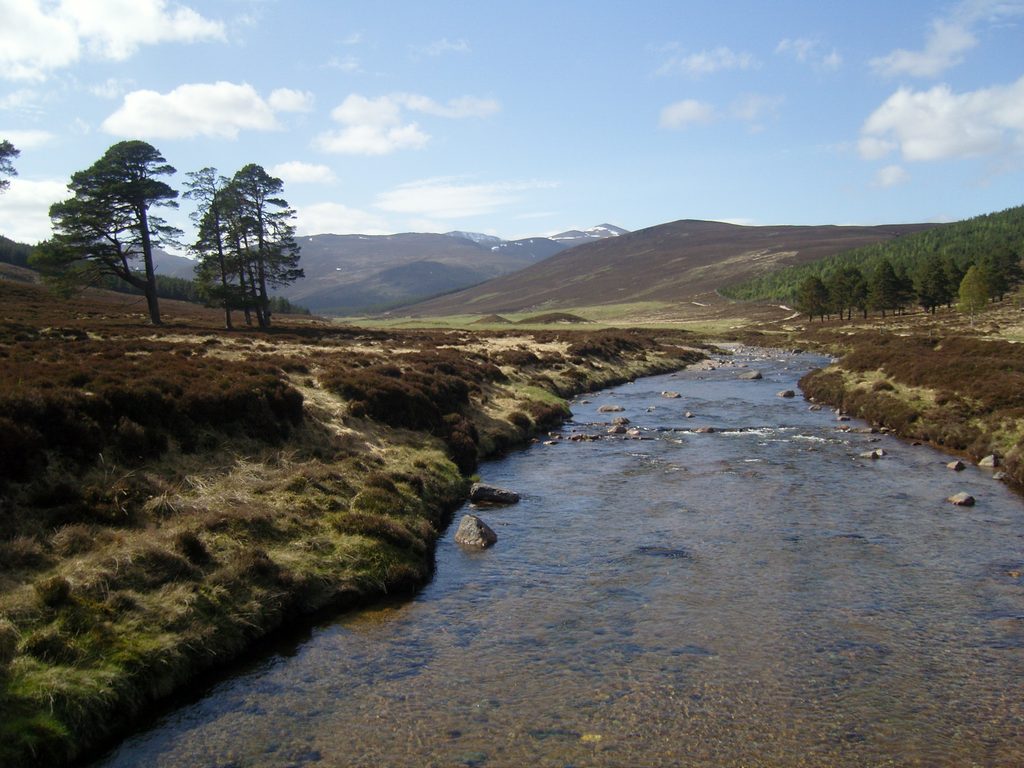
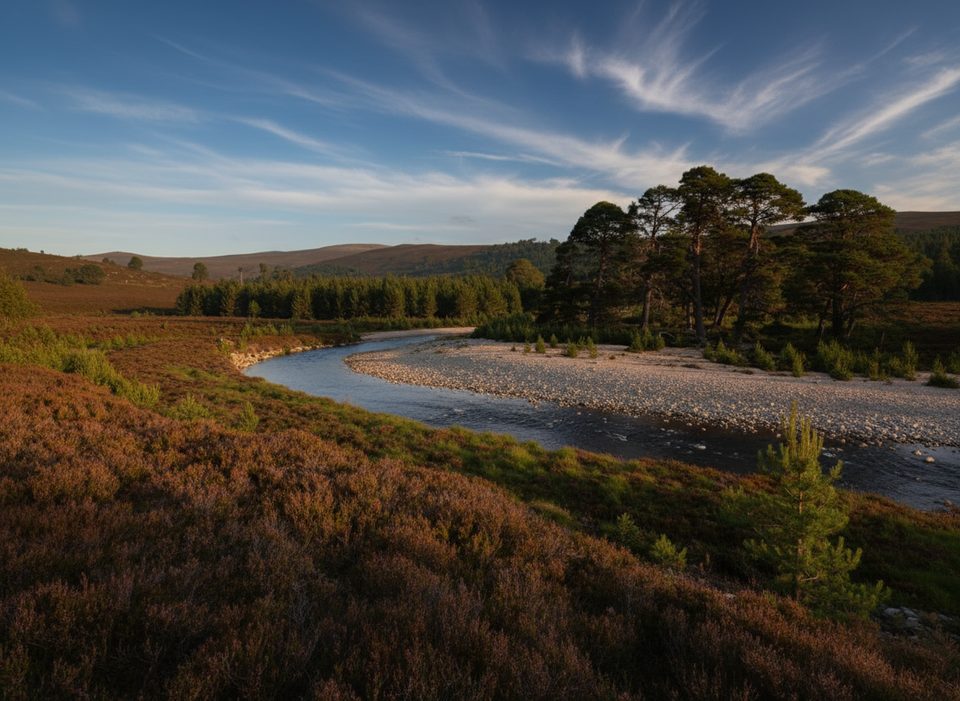
Glen Derry is a long, quiet glen running north from the Linn of Dee, stitched together by ancient Caledonian pinewoods, the clear Derry Burn, and big granite hills like Derry Cairngorm and Beinn Mheadhoin towering above. It feels remote but is straightforward to reach on estate tracks and paths, making it a classic gateway into the Cairngorms’ high, wild heart.
Most visitors start from the Linn of Dee area and follow the estate track towards Derry Lodge. Beyond the lodge, stick to the excellent path on the east side of the glen. Expect a gentle progression from river and woods to bigger, emptier country framed by high Munros. On clear days you’ll get classic Cairngorms vistas; higher circuits often loop past remote features like Loch Etchachan before dropping back toward the glen.
Red deer are regularly seen in the glen and on surrounding slopes. Birders keep an eye (and ear) out for pinewood specialists such as crossbills and crested tits, and you may occasionally spot raptors overhead. In winter, look for mountain hares higher up when their coats turn white.
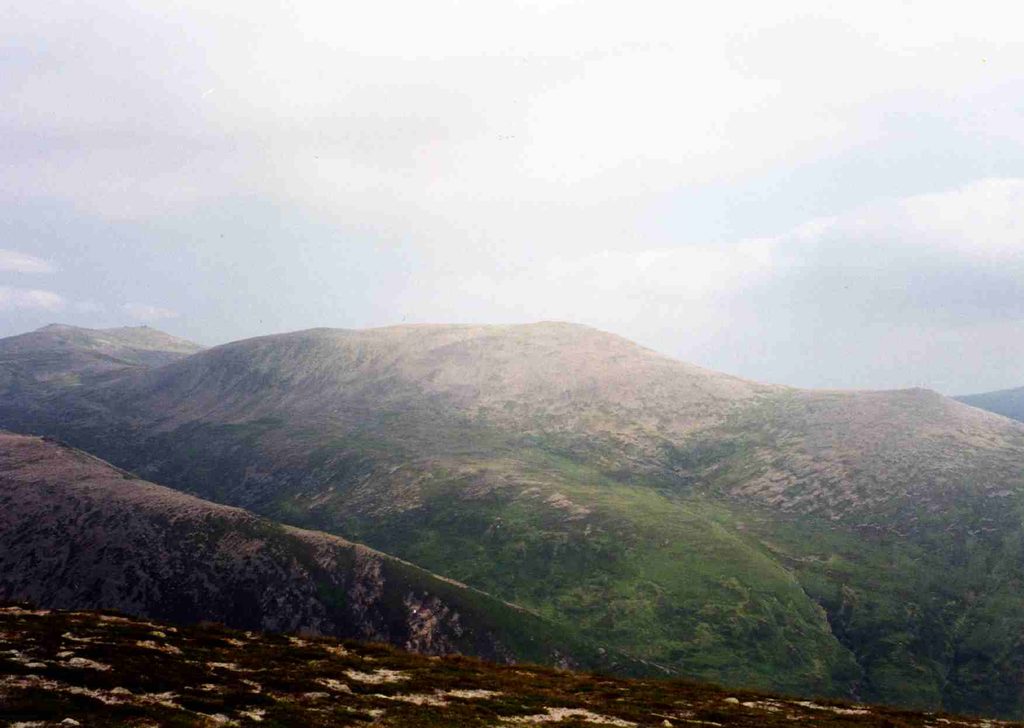
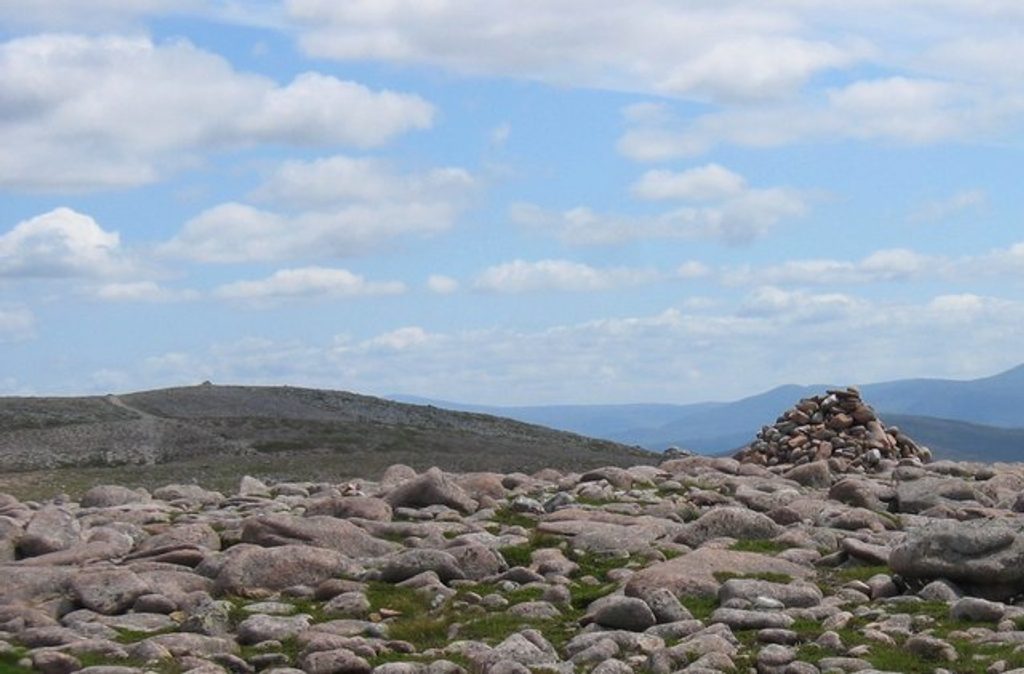
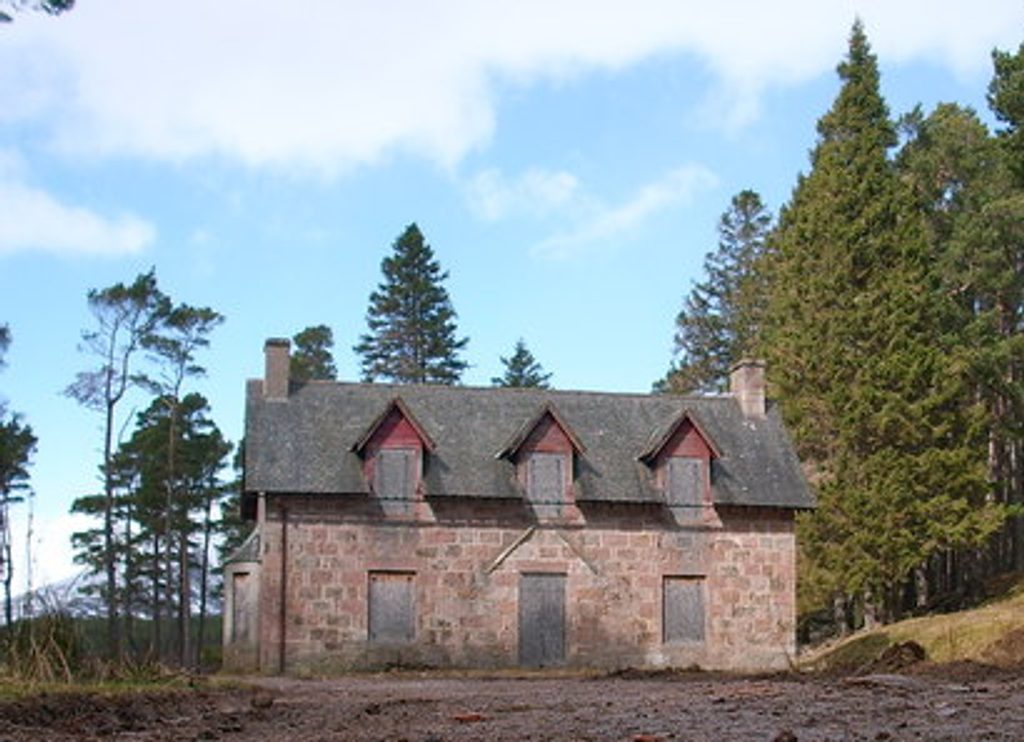
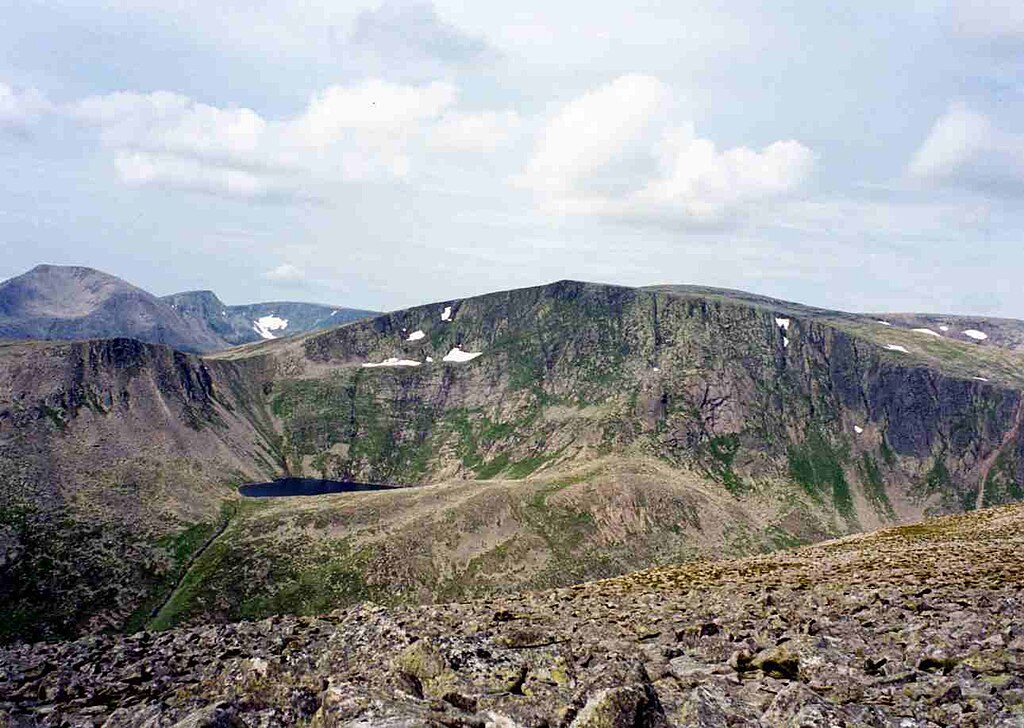
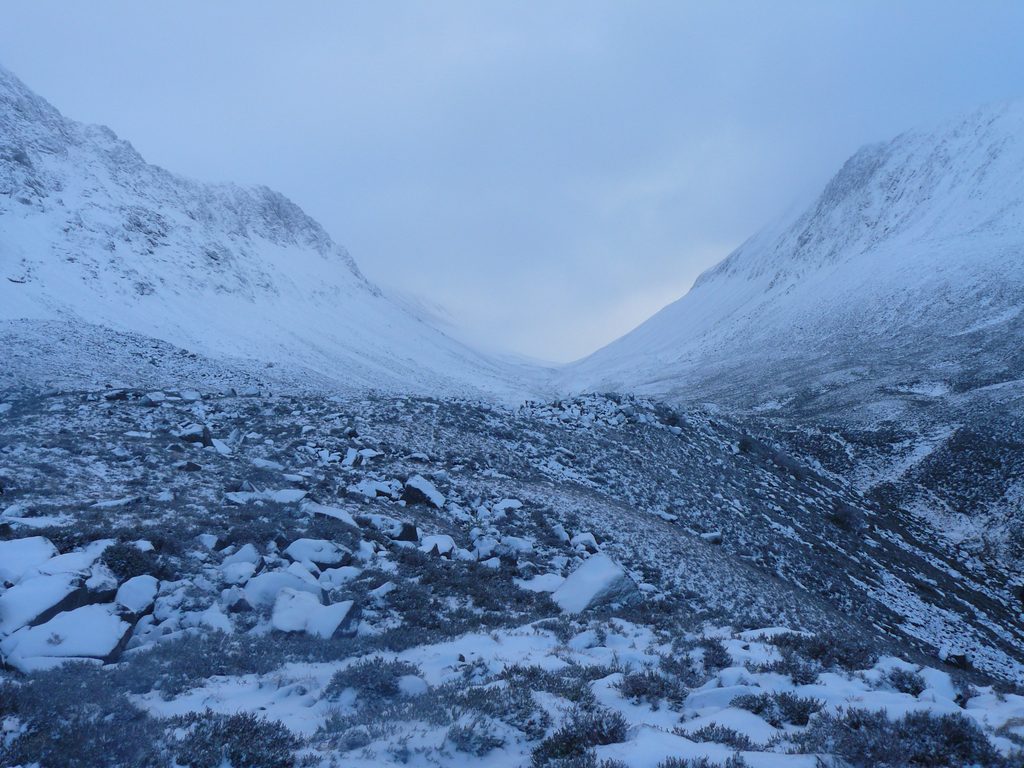
This is a granite-and-glacier landscape—boulder fields and rugged corries are the norm up high, with a broad, glacially carved valley below. The glen holds traces of old townships and kilns abandoned in the late 1700s. Derry Lodge itself dates from the Victorian era and has royal connections, but today it’s closed and unused.
There are no services in Glen Derry. No shop, no shelter, no toilets. The lodge is shut, and burn crossings after heavy rain can be serious higher up. The estate track is suitable for bikes and makes a big difference on the approach. Weather is highly changeable—even in summer—so go prepared with warm layers, full waterproofs, and proper navigation.
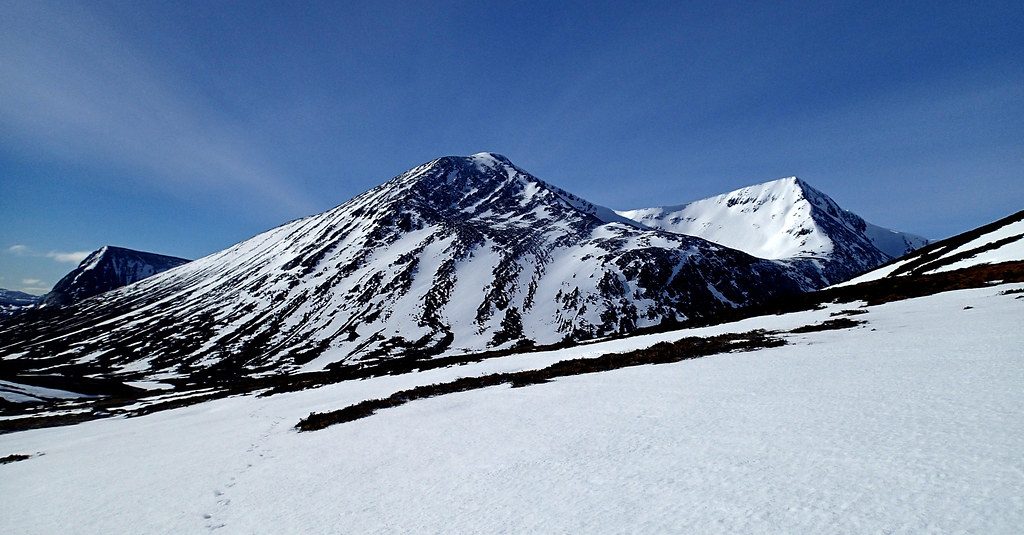
This area is high, remote, and among the coldest in Scotland. Expect sudden weather changes, strong winds, snow in season, and indistinct paths on the surrounding hills. If you’re heading beyond the glen, carry map, compass, and GPS, and be ready to turn back.
There are no “hours”—it’s open country. The glen rarely feels crowded thanks to the distance involved. Summer brings long days but also midges, especially near water and in the woods. Clear-weather windows in any season deliver the best views; winter conditions demand full mountain experience and kit.
Place · 1.5 mi away
Place · 1.5 mi away
Place · 1.8 mi away
Place · 1.9 mi away
Challenging · 4.5 mi away
Challenging · 4.5 mi away
Challenging · 4.5 mi away
Challenging · 4.5 mi away

Parkwolf Tour Guide
