
Place · 0.8 mi away

Loch Avon (also written Loch A’an) is a remote, high-mountain loch set in a dramatic, cliff-ringed basin at the heart of the Cairngorms. Oriented southwest to northeast, it sits around 730 m above sea level and forms the headwaters of the River Avon. It’s part of the protected Cairngorm lochs complex recognized under international wetland conservation.
This is one of the most spectacular, wild-feeling places in the range: steep granite walls plunging to turquoise water, with sandy and stony strands to sit out of the wind. The famed Shelter Stone bivvy adds a bit of Scottish mountaineering lore. If you crave solitude and big-mountain ambience, it delivers in spades.
There’s no road access or trailhead at the loch itself. Most walkers reach the basin via long mountain routes from the Cairn Gorm ski centre area or from Glenmore. The eastern end of the loch offers the least difficult approach, but all routes are serious undertakings with bouldery ground and potential river crossings. Plan for a full day out; many parties take 7–10 hours for an out-and-back.
Expect a raw, undeveloped shoreline—no signs, no benches, no toilets. You’ll find sandy/stony beach sections that make great rest spots. The Shelter Stone, a huge boulder near the loch, is a classic informal bivvy location for experienced wild campers. In winter, the Loch Avon basin is also a target for ski descents from surrounding gullies.
Treat this as a full-on mountain day. The Cairngorm plateau is notorious for rapid weather shifts: mist, snow, and strong wind can roll in any month. Carry an OS map and compass and know how to use them; bring full waterproofs, layers, food, and emergency kit. Be ready to ford streams and to manage time carefully—an early start is wise.
Specific species aren’t listed in the sources for this loch, but it lies within high-mountain habitats that are part of the protected Cairngorm lochs wetland complex. Give wildlife plenty of space and keep your impact light.
For hikers, aim for a settled forecast in late spring through early autumn; arctic conditions can linger into late spring, and snow is possible even in summer. Start early to bank daylight and calmer winds. Winter is a different game—best left to experienced ski-mountaineers. Crowds aren’t the story here; even on fair-weather days it stays quiet thanks to the effort required.
Place · 0.8 mi away
Place · 1.5 mi away
Place · 1.5 mi away
Place · 1.6 mi away
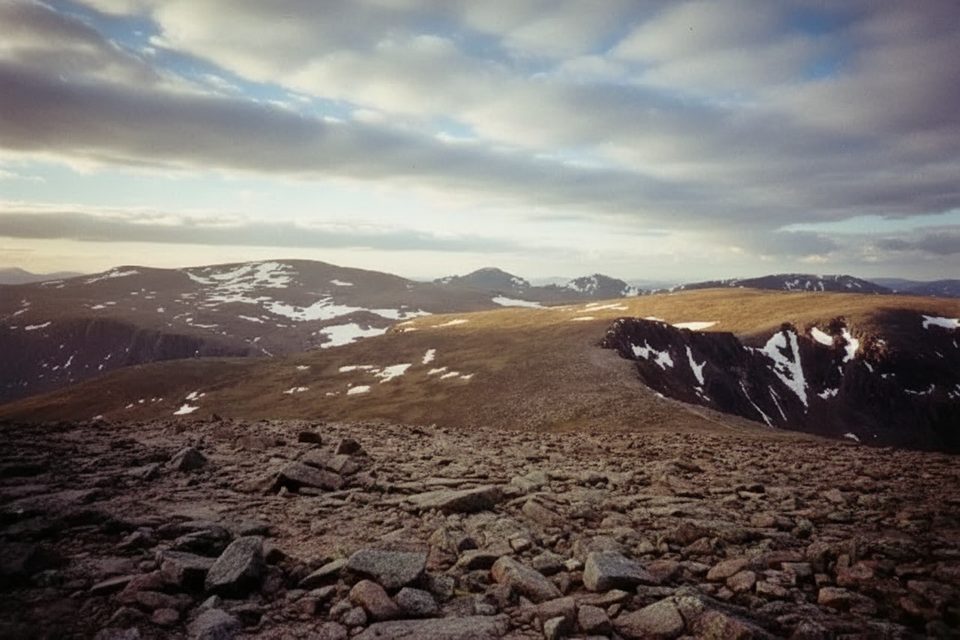
Challenging · 2.7 mi away
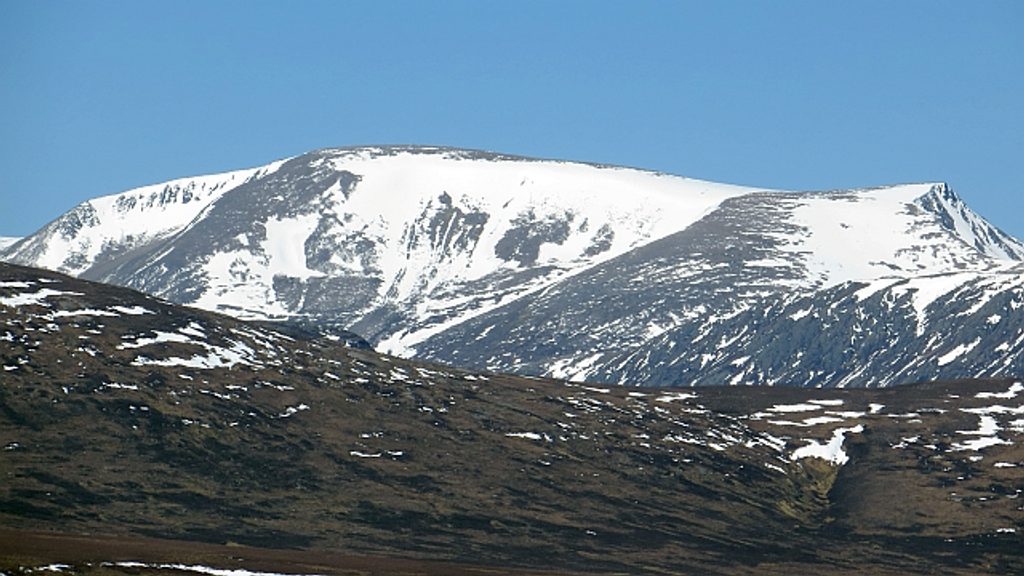
Challenging · 2.7 mi away
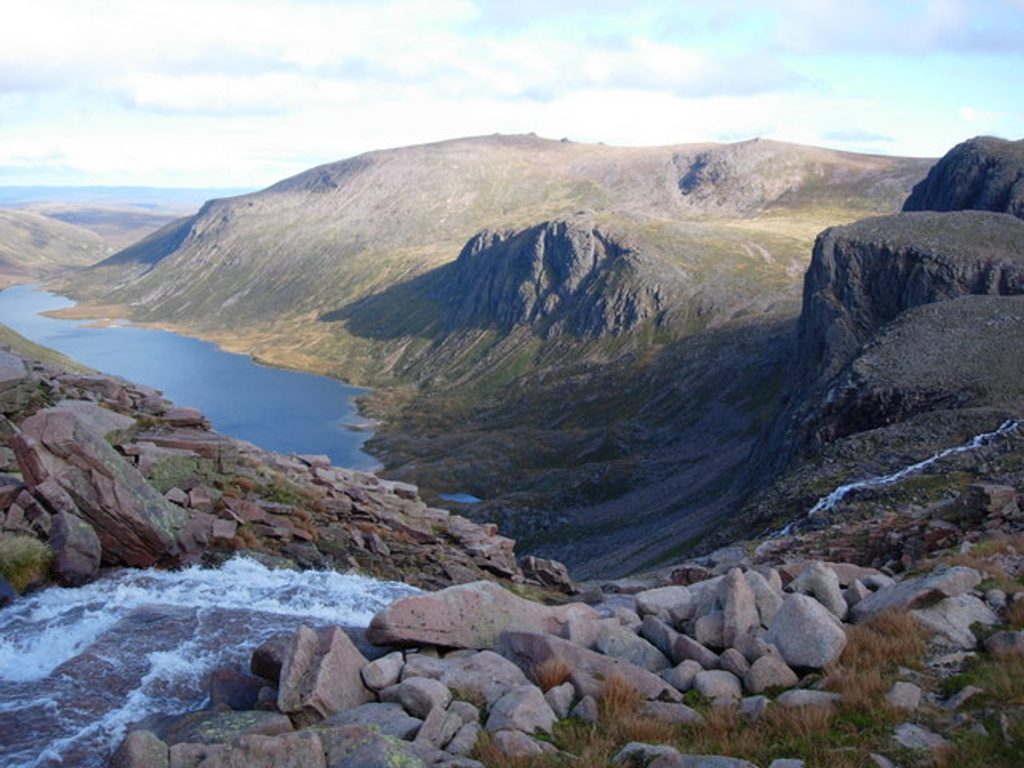
Challenging · 2.7 mi away
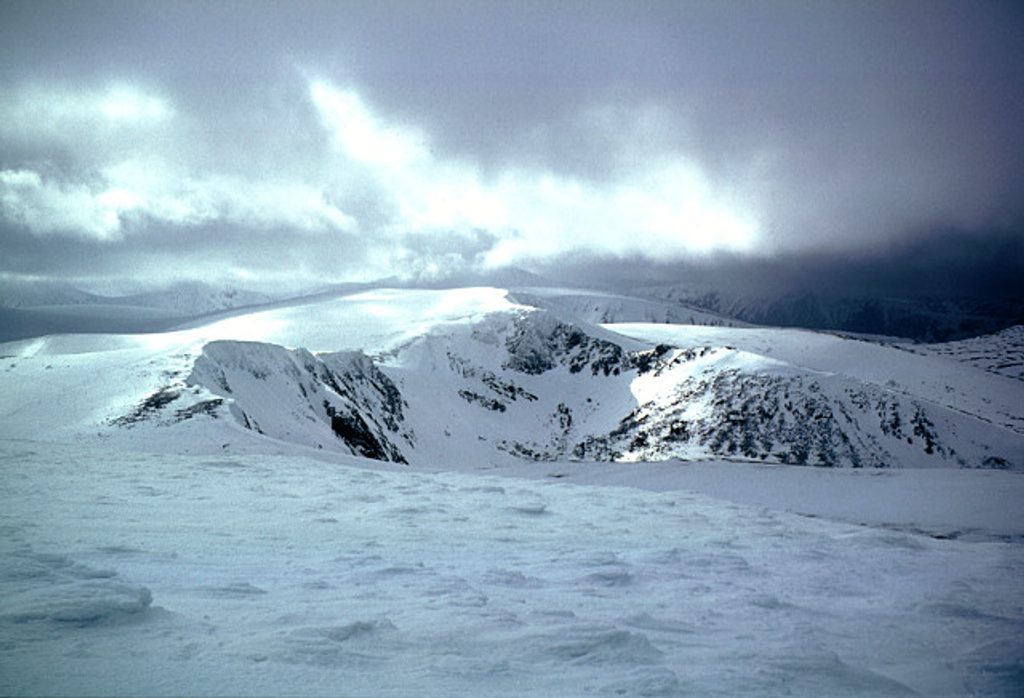
Challenging · 2.7 mi away

Parkwolf Tour Guide
