
Place · 1.4 mi away
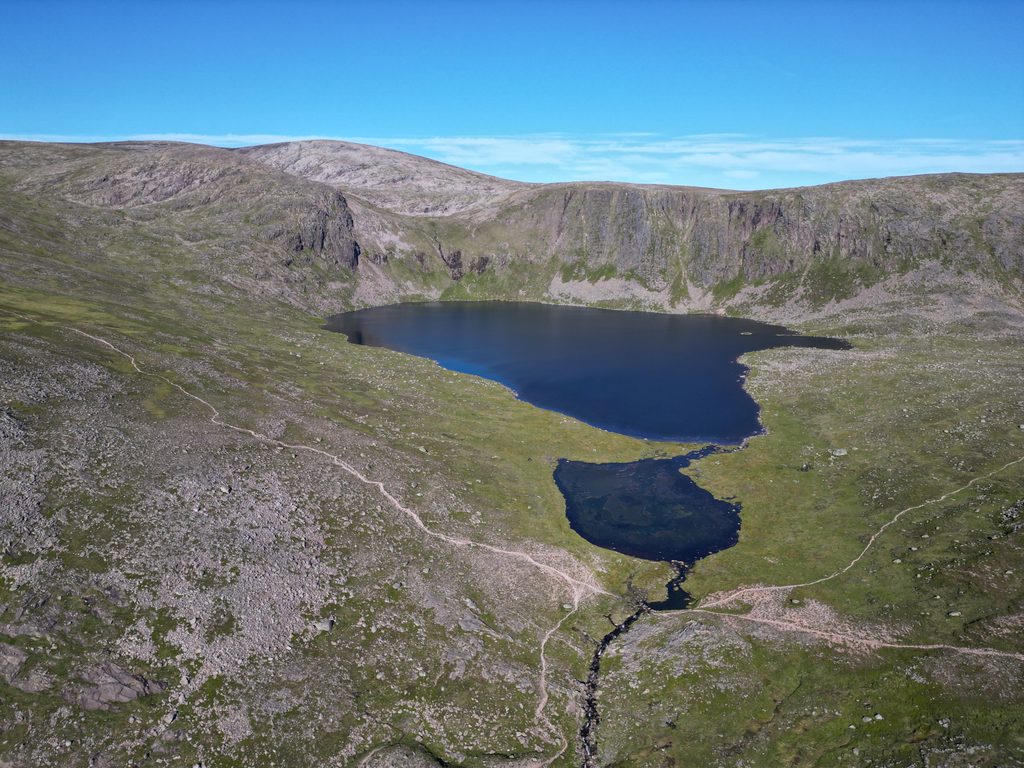
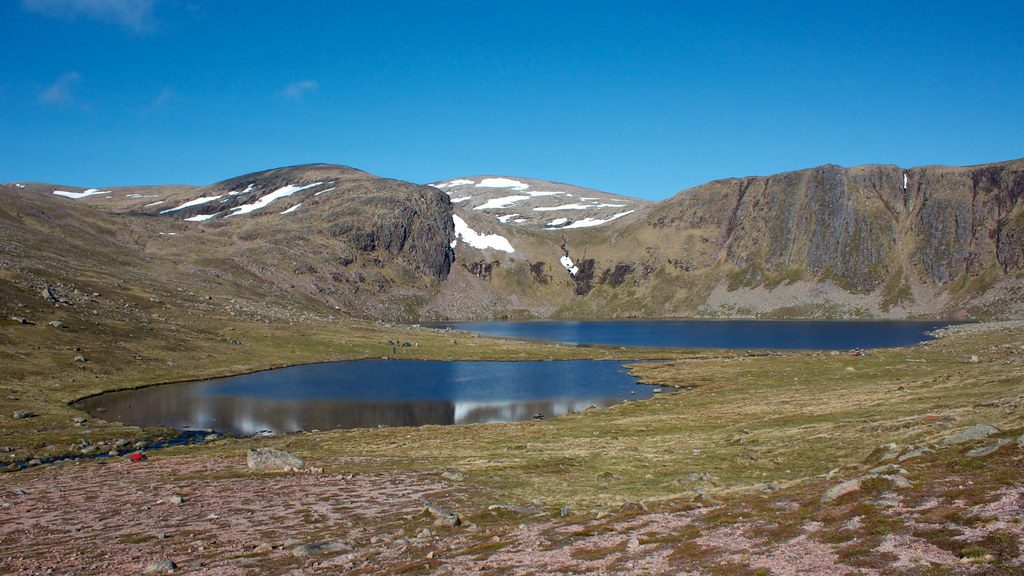
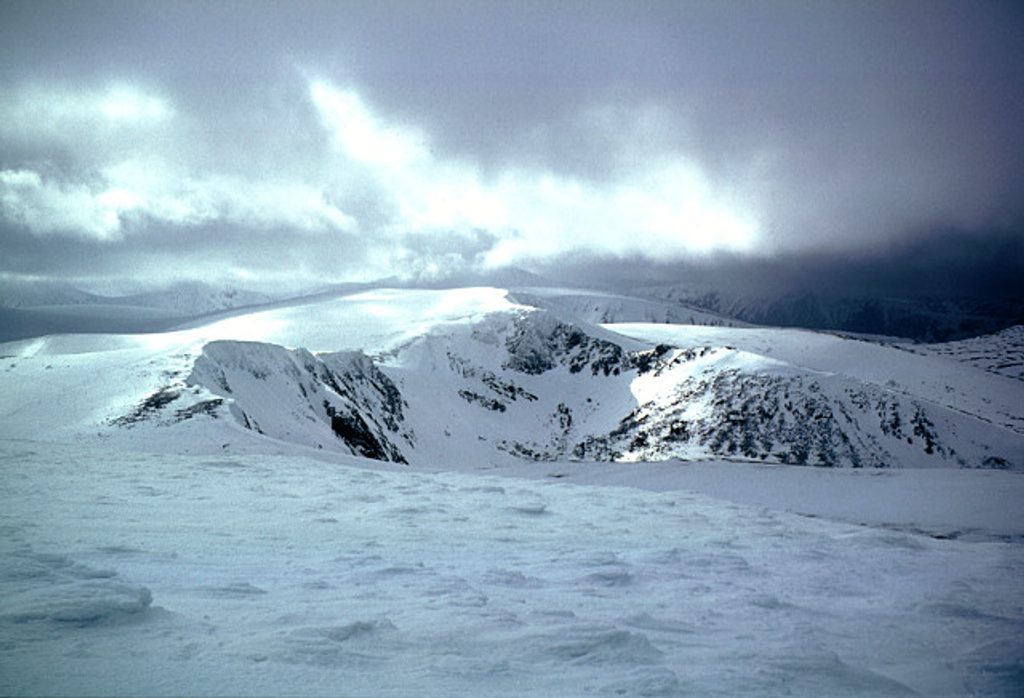
High, wild, and wonderfully out of the way, Loch Etchachan sits around 927 m on the central Cairngorms plateau—the highest significant loch of its size in the UK. It’s cradled by steep crags and open, glacially carved ground, giving you that big‑mountain amphitheatre feel the Cairngorms are famous for.
If you like your scenery hard‑won and crowd‑free, this is your loch. The setting is stark and beautiful, with wide views in good weather and a real sense of place. It’s a natural waypoint on classic Munro days and a sought‑after overnight for backpackers who want a true mountain camp.
Expect a long approach on foot. A classic way in begins from the paid Linn of Dee car park, heading up Glen Lui toward Glen Derry before gaining the high ground near the loch. Many walkers fold Etchachan into bigger itineraries—linking to Loch Avon (A’an) and the Shelter Stone, or tagging nearby Munros like Beinn Mheadhoin and Derry Cairngorm on a big mountain day.
The basin feels remote and elemental. On calm spells you get mirror‑like reflections; in wind, it’s raw and exposed. The southeast side has flatter ground that backpackers often use for wild camping. Don’t expect shelter beyond a basic mountain bothy some distance below the loch—there are no built amenities at the water itself.
This is serious mountain country. Weather turns quickly year‑round; winds can be fierce and snow can linger or arrive outside summer. Navigation skills are essential, and you should be fully self‑reliant with warm layers, waterproofs, map/compass or GPS, and an emergency plan. Treat water from the loch or nearby streams. Don’t count on phone reception.
You’re on the high plateau, where wildlife is subtle and often elusive. In the wider area, walkers report species typical of these heights—think ptarmigan, mountain hare, red deer, and occasionally raptors—best spotted in quieter moments when conditions are calm.
Late spring through early autumn offers the most reliable windows, but always check the forecast. Start early—approaches are long—and aim for golden light at sunrise or sunset if the weather allows. Even in peak season, the remoteness keeps numbers down, but summer midges can bite on still evenings.
This is wild camping only: no toilets, no designated sites, no services. Pick durable, flat ground, protect fragile vegetation, pack out all waste, and be ready for strong winds. A bike can save time on lower glen tracks on the way in and out if local rules allow.
Place · 1.4 mi away
Place · 1.4 mi away
Place · 1.4 mi away
Place · 1.5 mi away
Challenging · 3.8 mi away
Challenging · 3.8 mi away
Challenging · 3.8 mi away
Challenging · 3.8 mi away

Parkwolf Tour Guide
