
Place · 1.1 mi away
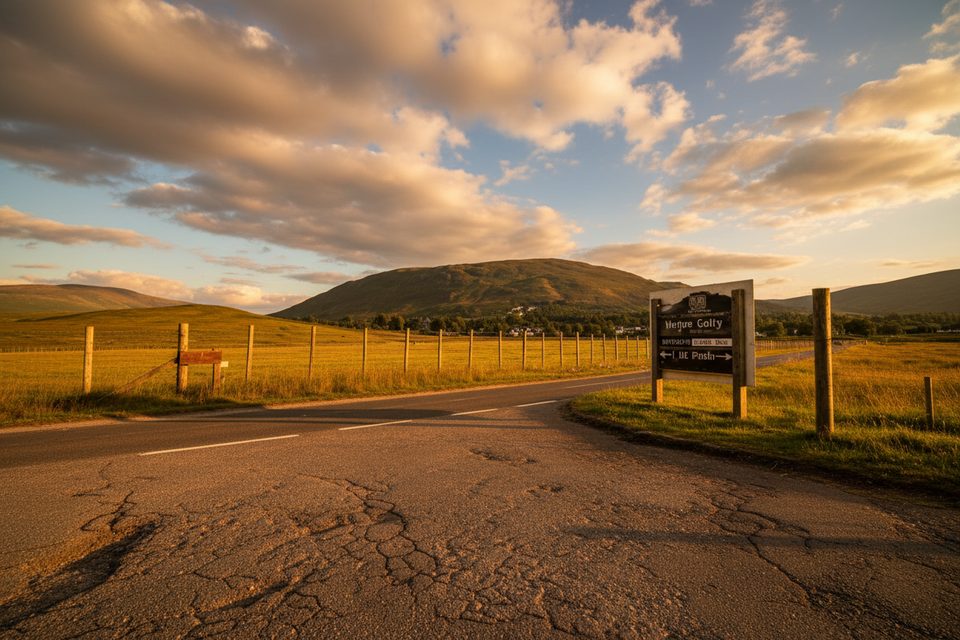
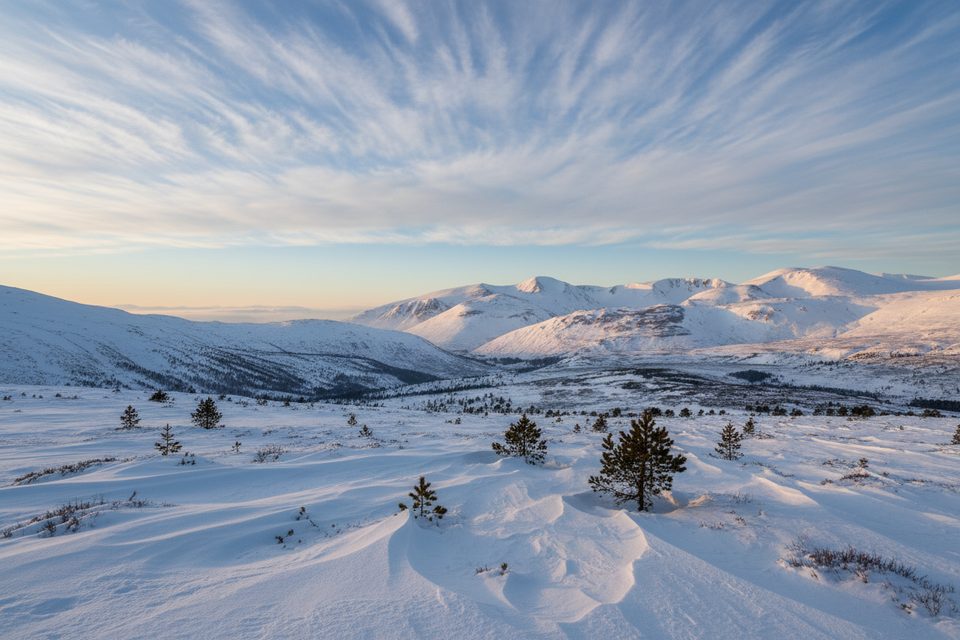
Morrone is the prominent 859 m Corbett rising directly above Braemar. It’s a classic half‑day hillwalk with a distinctly local feel: you step out of the village and straight onto the hill, climbing through native woods and open moor to wide‑angle views of the southern Cairngorms. The summit is crowned by a radio relay hut—a quirky landmark that’s handy for navigation.
Expect a varied ascent: riverside and village edges give way to the named Morrone Birkwood, then open heather moor and a broad, stony top. Along the way you’ll catch glimpses of waterfalls and the rooftops of Braemar below before the panorama opens up to Deeside and surrounding peaks. Paths are generally good but do pitch up steeply at times and can turn muddy after wet weather.
Morrone’s lower slopes hold one of the UK’s finest downy birchwoods with extensive juniper—an unusual and ecologically rich mix. It’s worth slowing down here: this woodland supports a variety of birds and invertebrates, with deer and even the chance of spotting mountain hares higher up.
The standard route starts in Braemar’s centre, with an option to begin from the top of Chapel Brae. It’s a well‑trodden local favorite described as a straightforward hillwalk for fit walkers. A full circuit is about 12 km and commonly takes around 5 hours. For a gentler option or in poor weather, the separate Morrone Birkwood circuit loops the lower woodland instead.
There are no facilities on the hill—no toilets, water, or food—so sort everything in Braemar before you go. Parking is in the village, with extra spaces at Chapel Brae when the centre is busy. Terrain is exposed on the upper slopes; in winter or icy conditions, treat this as a proper mountain day and bring appropriate kit.
Year‑round, with late spring through autumn offering the best footing and most reliable views. Clear weather days make the summit panorama really sing; winter ascents can be excellent but demand full cold‑weather preparation.
Walkers based in Braemar looking for a quality hill right from the door, photographers chasing big views above the village, and nature‑minded visitors keen to explore a rare birch–juniper woodland.
Place · 1.1 mi away
Place · 1.9 mi away
Place · 1.9 mi away
Place · 2.1 mi away
Challenging · 1.5 mi away
Easy · 1.5 mi away
Easy · 1.5 mi away
Moderate · 1.8 mi away

Parkwolf Tour Guide
