
Place · 1.2 mi away
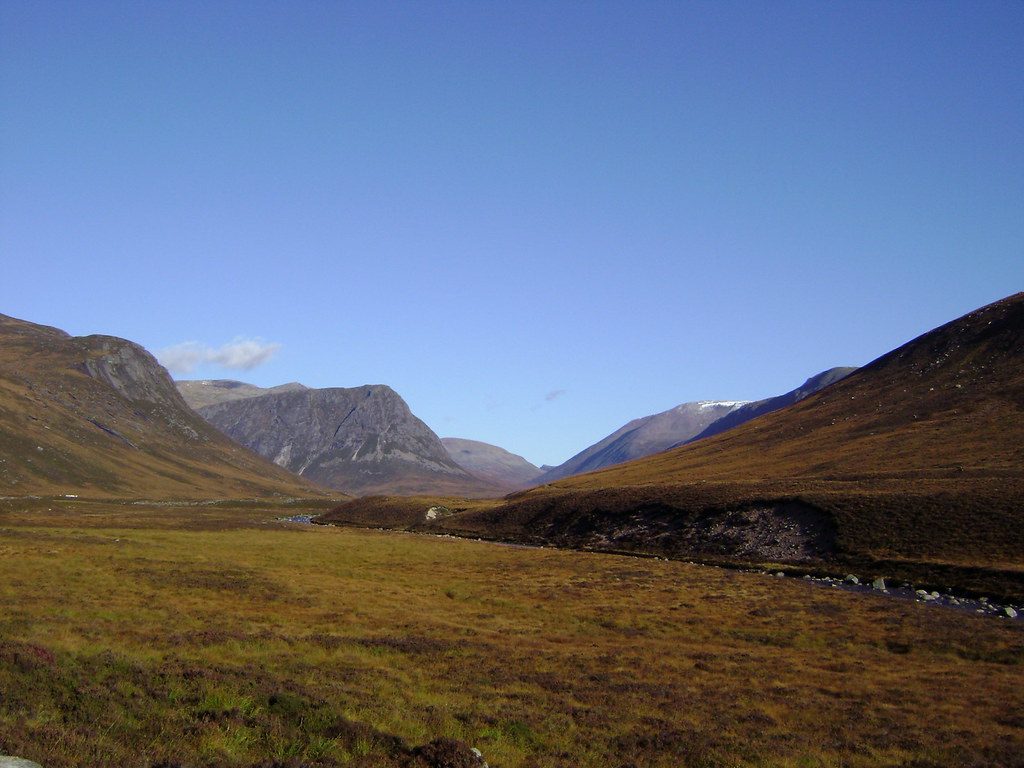
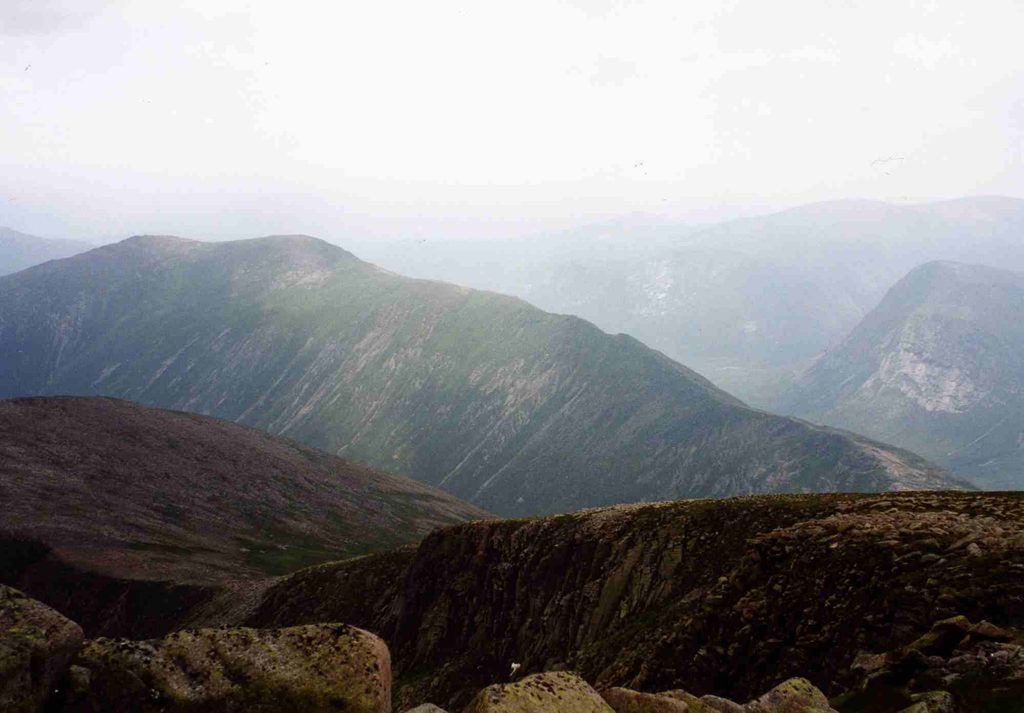
The Devil’s Point (Bod an Deamhain) is a stark, rocky pyramid rising to 1004 m on the west side of the Lairig Ghru. It anchors the southern end of the Cairn Toul ridge and feels every bit as remote as it looks—wild, austere, and hugely rewarding if you put in the miles. From its summit, you get some of the finest vistas in the range, with the River Dee threading far below and the central plateau stretching in all directions.
Most walkers come in from Linn of Dee via Glen Dee or Glen Luibeg, a long hike of roughly 12 km (one way) to Corrour Bothy before the real climb begins. The ascent from the bothy via the Coire Odhar path is steep and rough. Ambitious traverses sometimes link The Devil’s Point with Cairn Toul and other giants, or weave it into big days across the plateau—magnificent, but serious undertakings.
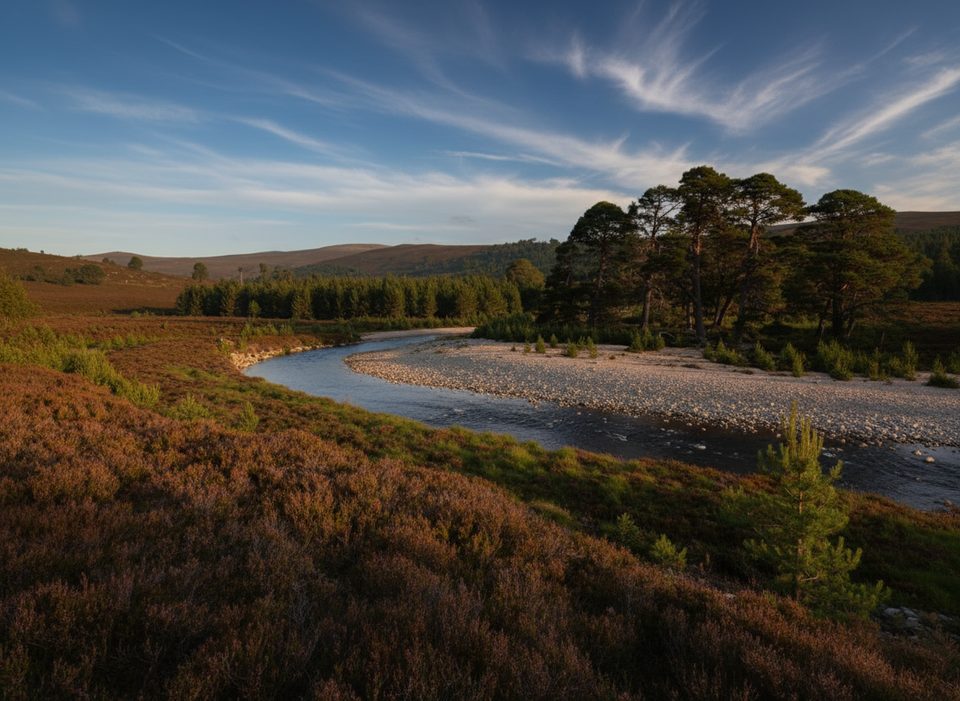
Expect a grandstand view straight down the Lairig Ghru, sweeping over Glen Dee and across the high Cairngorms. The terrain is classic Cairngorms—heather moorland, granite slopes, and lingering snow patches outside summer. Corrour Bothy sits below and is a popular shelter for breaking up the approach.
This is a remote mountain day: long approach, a punchy final climb, and full exposure to the elements. Strong winds are common. Navigation can be tricky in poor visibility, and committing traverses may involve sections off established paths. Start early when daylight is short, and carry full hill kit—map, compass/GPS, layers, emergency supplies. Many walkers stage at Corrour Bothy or wild camp to make the timing comfortable.
The Gaelic name, Bod an Deamhain, bluntly means “Penis of the Demon.” A famous anecdote says the euphemistic English name “The Devil’s Point” stuck after a tactful translation for Queen Victoria. Local lore adds a darker hue: tales of seductive whispers attributed to the devil and tragic fates linked to this brooding peak.
You’re in prime upland habitat. The wider area holds red deer, mountain hares, and ptarmigan among other high-country birds. Sightings aren’t guaranteed, but quiet, patient travel ups your chances.
Clear, calm summer days deliver the best views and the longest daylight for the big approach. Outside summer, expect lingering snow, fiercer winds, and shorter days—plan accordingly or make it an overnighter at the bothy. Thanks to the distance from roads, it rarely feels busy even in fair weather.
If you like your mountains wild and hard-earned, this one delivers in spades—iconic profile, huge views, and a satisfying sense of being deep in the Cairngorms’ heart.
Place · 1.2 mi away
Place · 1.5 mi away
Place · 2.1 mi away
Place · 2.1 mi away
Challenging · 6.3 mi away
Challenging · 6.3 mi away
Challenging · 6.3 mi away
Challenging · 6.3 mi away

Parkwolf Tour Guide
