
Place · 0.5 mi away
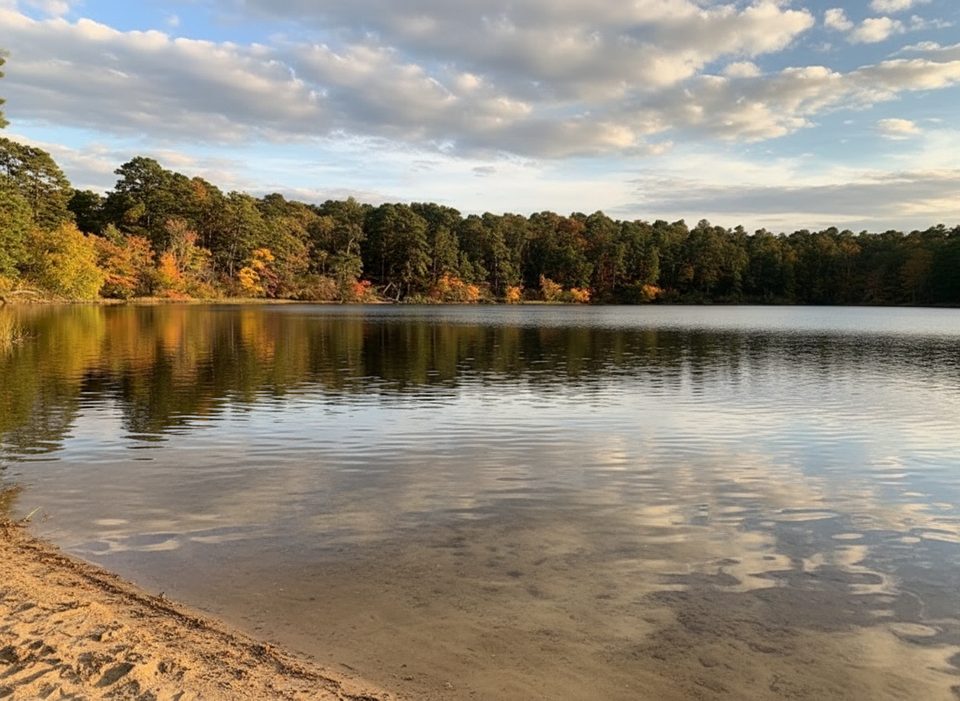
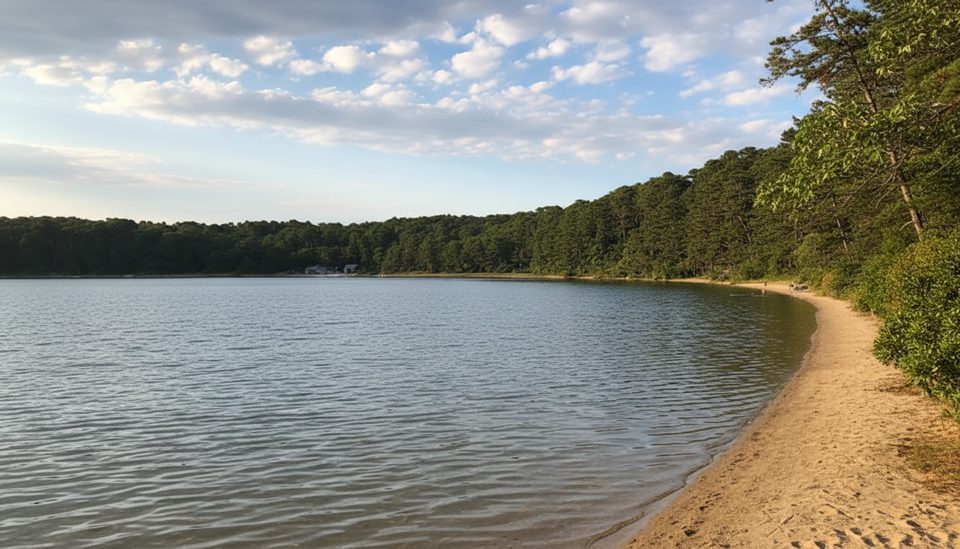
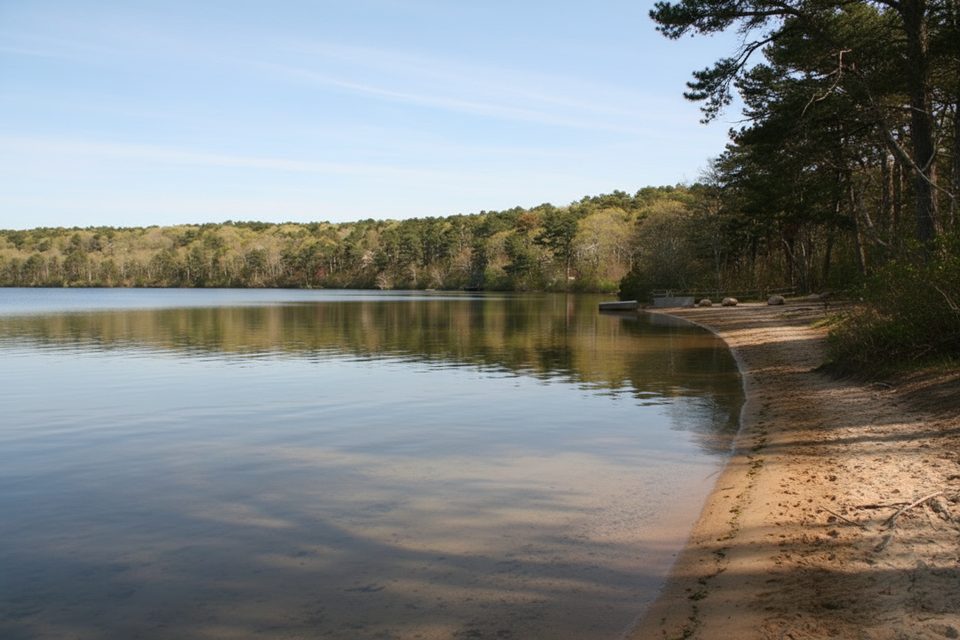
Dyer Pond is a small, inland freshwater kettle pond tucked into the woods of Wellfleet. It’s low-key and undeveloped—think glassy water, pine shade, and a tiny sliver of sand rather than a big beach scene. Short, easy footpaths circle pockets of shoreline, so it feels intimate and removed from the bustle.
There’s no parking at the pond itself. Most visitors leave their car at the Great Pond lot on Cahoon Hollow Road and walk 10–15 minutes on a sandy woods path to reach Dyer. In season (roughly the last Saturday in June through Labor Day, 9 a.m.–5 p.m.), town pond lots typically require a Wellfleet beach sticker; outside those dates/hours, they’re generally free. Separately, NPS rules note that during summer, vehicles are prohibited at Dyer Pond; outside summer, a maximum of three vehicles may use the designated area, and pond parking areas are closed from 12 a.m. to 6 a.m. Fire gates at Cahoon Hollow Road/Forest Road and Forest Road/Way 625 are open to pedestrians and bicycles from the third Thursday of June to October 1.
There are no lifeguards and no restrooms at Dyer Pond—plan accordingly and swim at your own risk. Glass containers and fires are prohibited at freshwater ponds. Gasoline-powered boats are not allowed here, keeping the water quiet and clean.
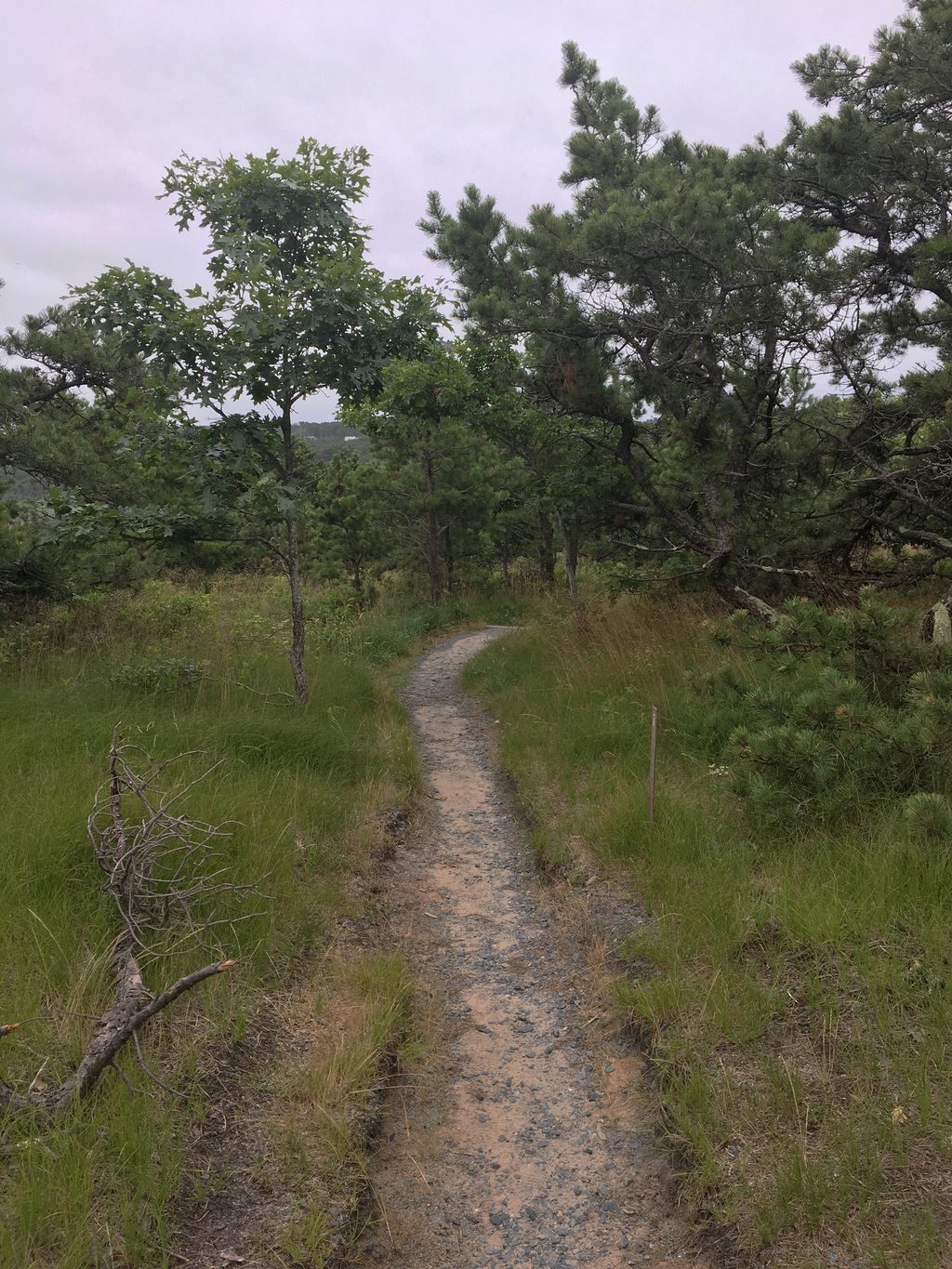
Expect short, sandy singletrack with gentle grades—easy walking and family-friendly. These are simple paths through pine-oak woods to pond edges; mountain biking is not what these trails are for.
This is classic pond-and-woodland habitat. Keep an eye out for songbirds, waterfowl, frogs and turtles, plus busy summer dragonflies skimming the surface. Step carefully on paths—tiny frogs sometimes cluster along the trail.
Summer brings the warmest water and the most people (and bugs). If you don’t have a town sticker, aim for early morning or after 5 p.m. during the sticker season. Fall is lovely—cooler air, quieter paths, and calmer parking. Shoulder seasons are the sweet spot for solitude.
Pack in/pack out—there are no trash services. Bring bug spray in summer, and avoid trampling shoreline vegetation; these kettle-pond ecosystems are sensitive and easily damaged.
Place · 0.5 mi away
Place · 0.5 mi away
Place · 0.6 mi away
Place · 1.2 mi away
Easy · 2.8 mi away
Challenging · 3.1 mi away
Moderate · 4.4 mi away
Easy · 4.4 mi away

Parkwolf Tour Guide
