
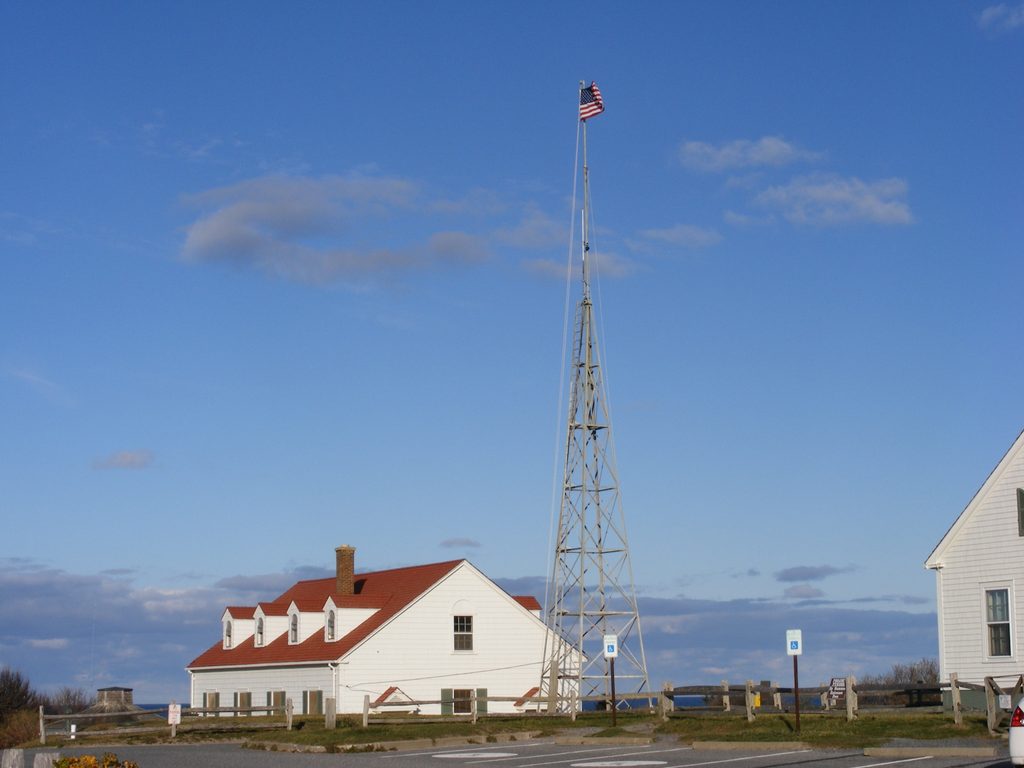
Place · 0 mi away
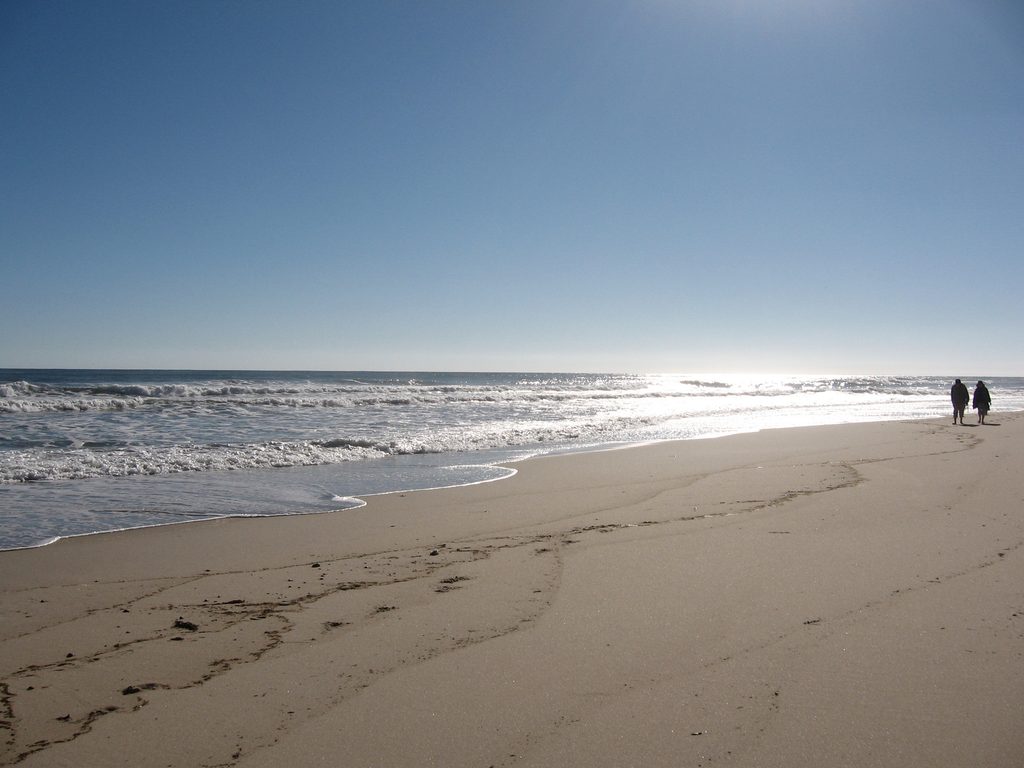
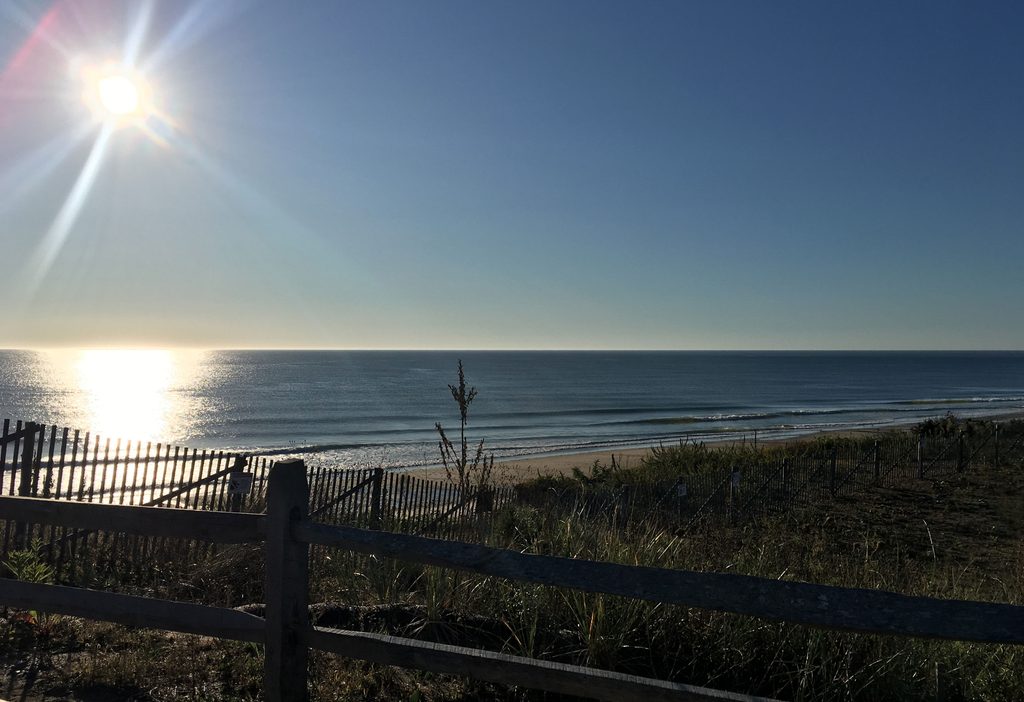
Henry David Thoreau’s “Great Beach” is the Outer Beach: roughly 40 miles of Atlantic-facing shoreline safeguarded within the seashore. It’s the park’s soul—endless surf, wind-sculpted dunes, and tall bluffs stitched together by six major public beach accesses. Think big sky, bigger water, and room to breathe.
This is a living coast. Waves, wind, and longshore currents constantly rework glacial sands, and the park monitors those changes. Bluffs retreat, stairways shift, and parking can be moved inland over time. In short: what you see this season may not be what you’ll see next season—follow current postings on-site.
The Great Beach is best sampled via six ocean beaches, north to south:
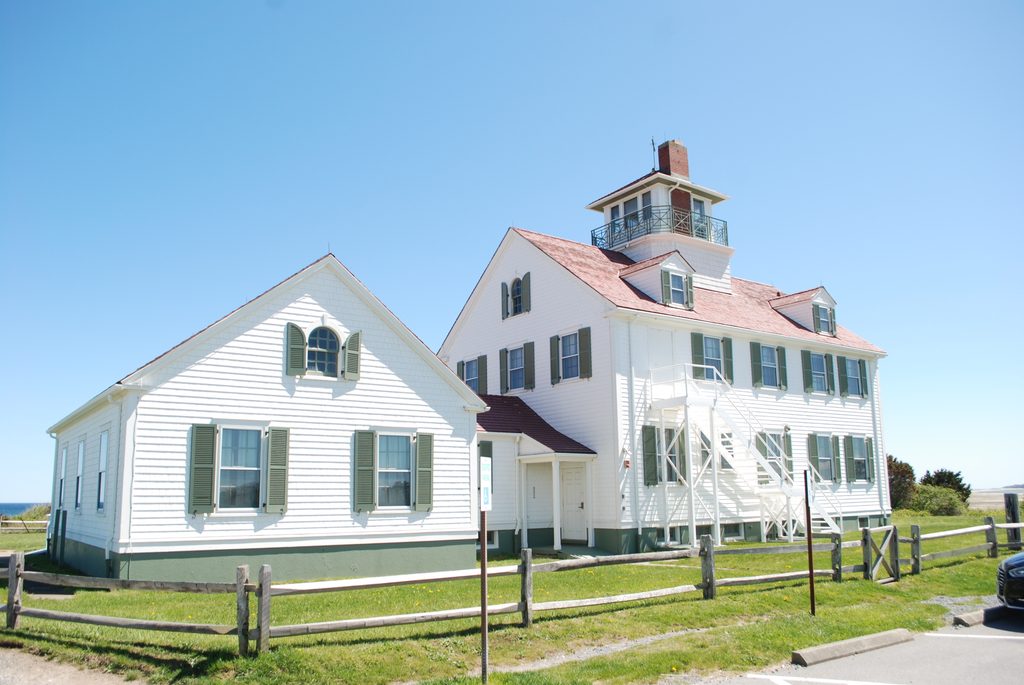
Each offers the same wild Atlantic energy, but the feel changes—from Race Point’s big-sky horizons to Coast Guard’s classic bluff-top vistas.
You’re walking a shoreline tied to major chapters: early colonial encounters, the wireless era at the Marconi Station site above Marconi Beach, and the 1961 creation of the seashore that preserved this coast for the public.
Shorebirds nest on portions of the beach; some areas may be seasonally roped off. Ocean safety is serious business here: expect rip currents, cold water, and sharks in summer. Heed lifeguards, flags, and all posted advisories, and keep your distance from wildlife.
In summer, the six main beaches typically offer restrooms or vault toilets, outdoor showers, drinking water/bottle fillers, changing rooms, first-aid kits, and lifeguards (generally late June through Labor Day). Outside peak season, amenities scale back; emergency call boxes remain. Beach fees are charged spring through fall; daily, seasonal, and interagency passes are accepted.
Crowds swell late morning to mid‑afternoon. Aim for before 10 am or after 3 pm for easier parking and quieter sand. For photography, sunrise lights up the surf from Coast Guard southward; sunsets land best at the northern end (Herring Cove/Race Point). Storm seasons dramatically reshape the beach—great for drama, less great for casual swimming.
Place · 0 mi away
Place · 0 mi away
Place · 0.5 mi away
Place · 1.1 mi away
Easy · 0.4 mi away
Easy · 1.3 mi away
Easy · 1.3 mi away
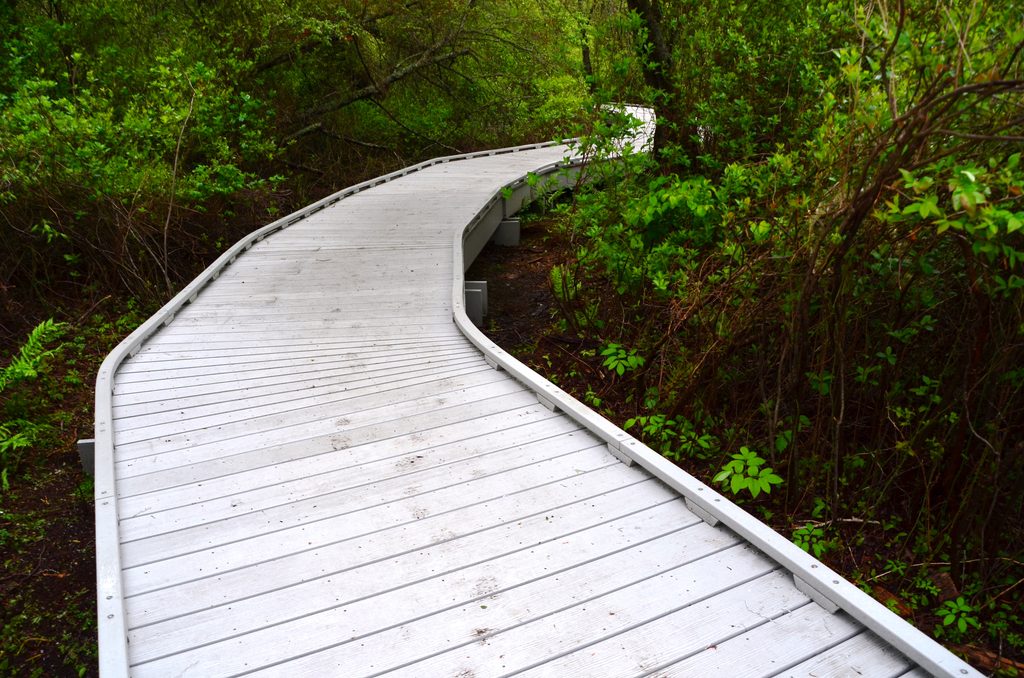
Easy · 1.7 mi away

Parkwolf Tour Guide
