
Place · 0 mi away
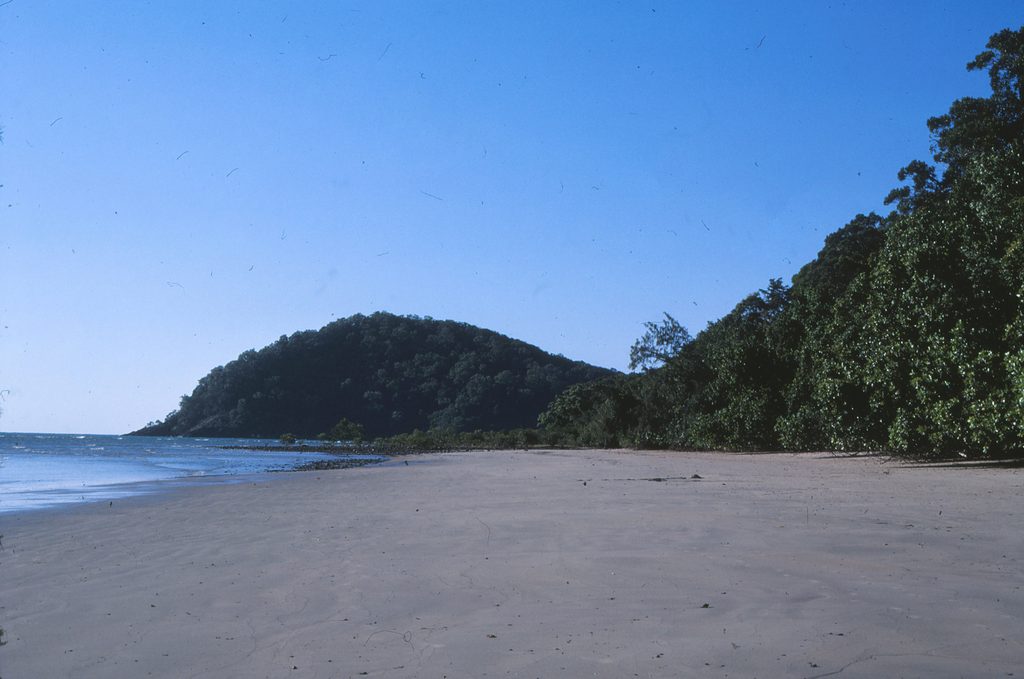
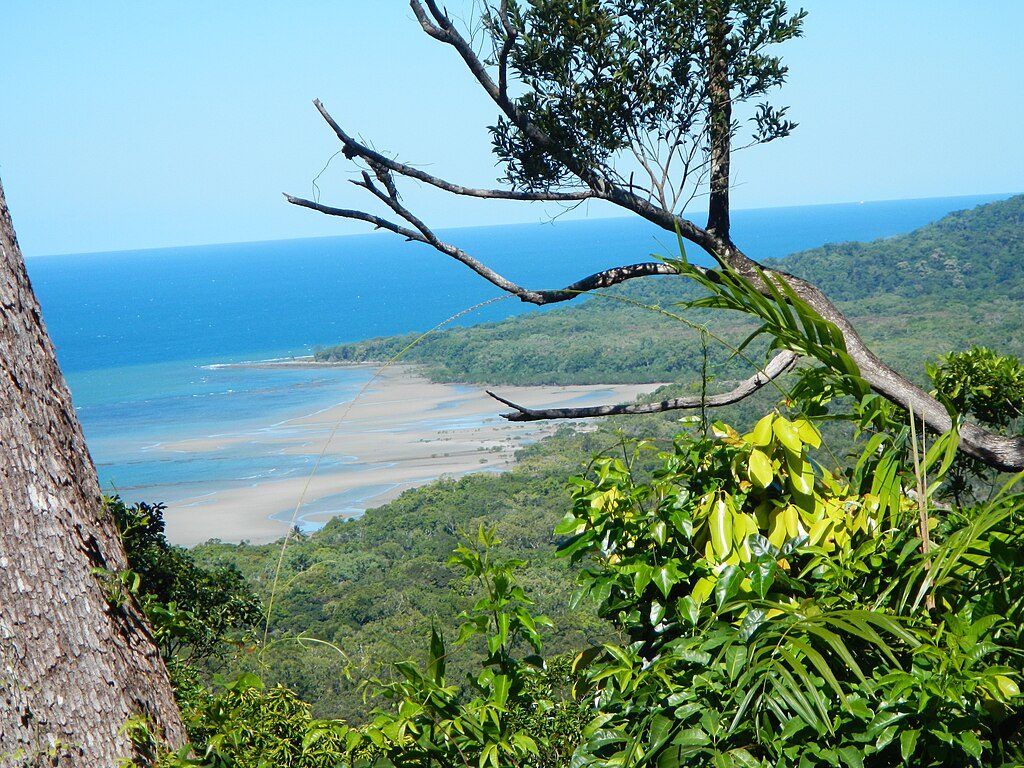
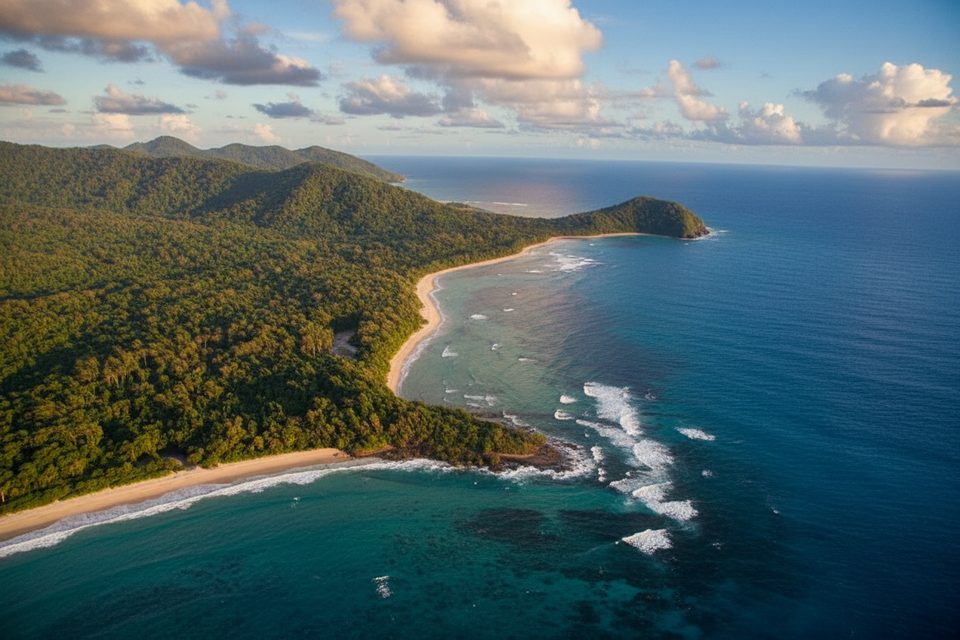
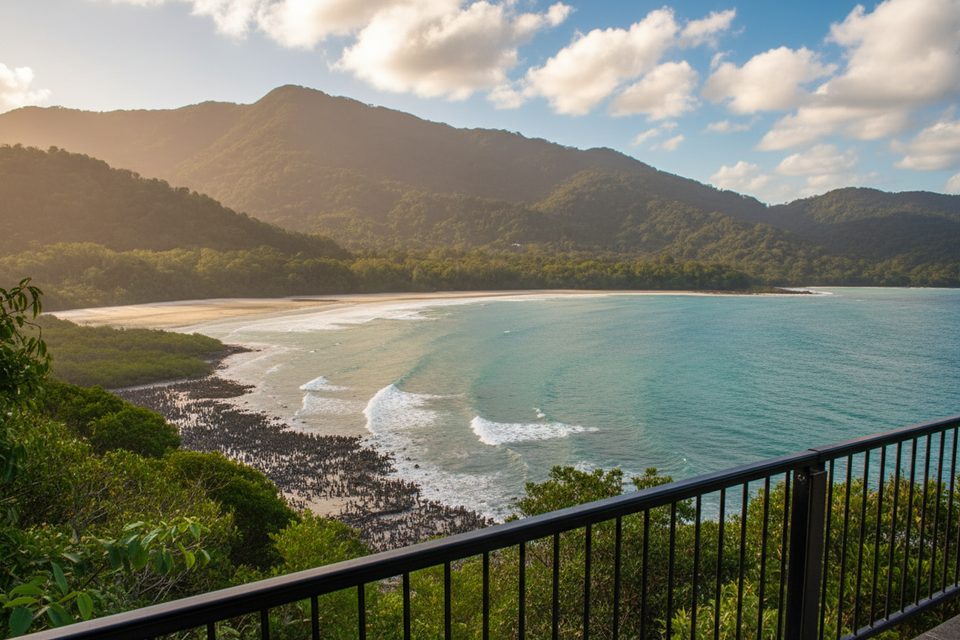
Cape Tribulation is the headline act of the Daintree: a raw white‑sand beach where ancient rainforest presses right to the shore and the Great Barrier Reef shimmers just offshore. It sits on Kuku Yalanji Country and is famous for being one of the few places on earth where two World Heritage areas meet. Lieutenant James Cook named it in 1770 after running into trouble on the nearby reef—fitting, because this coast still feels untamed.
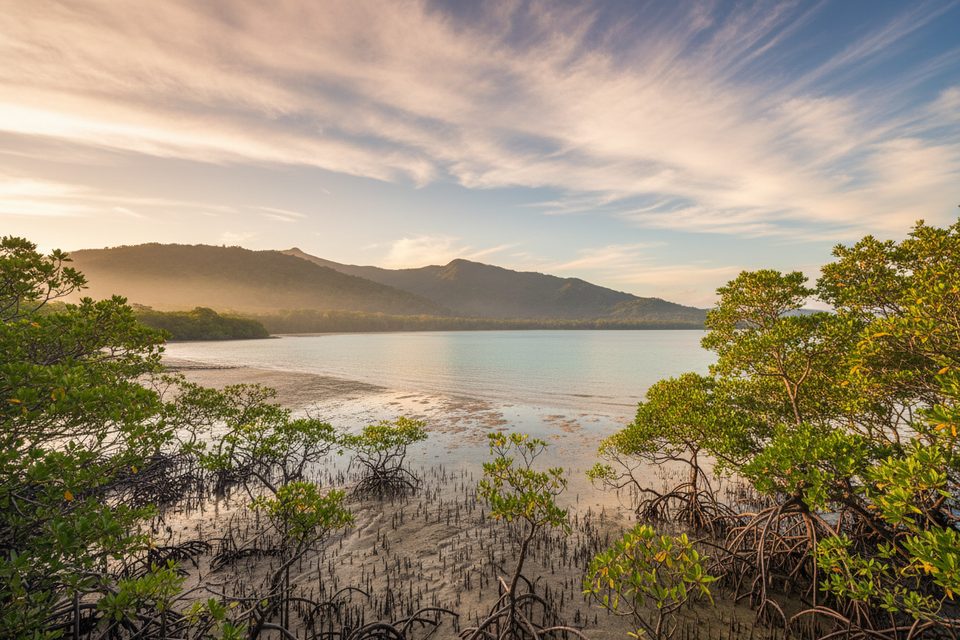
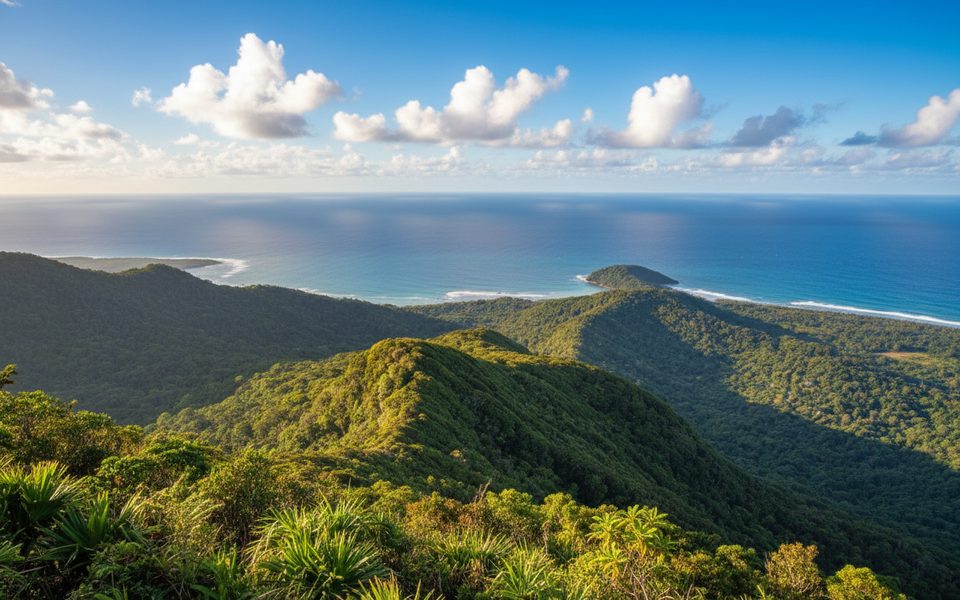
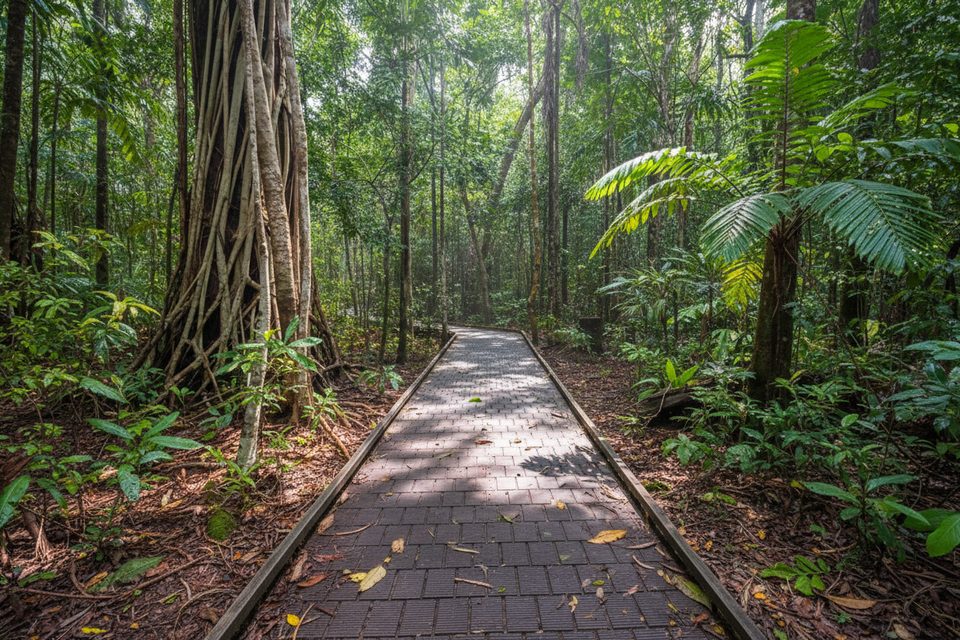
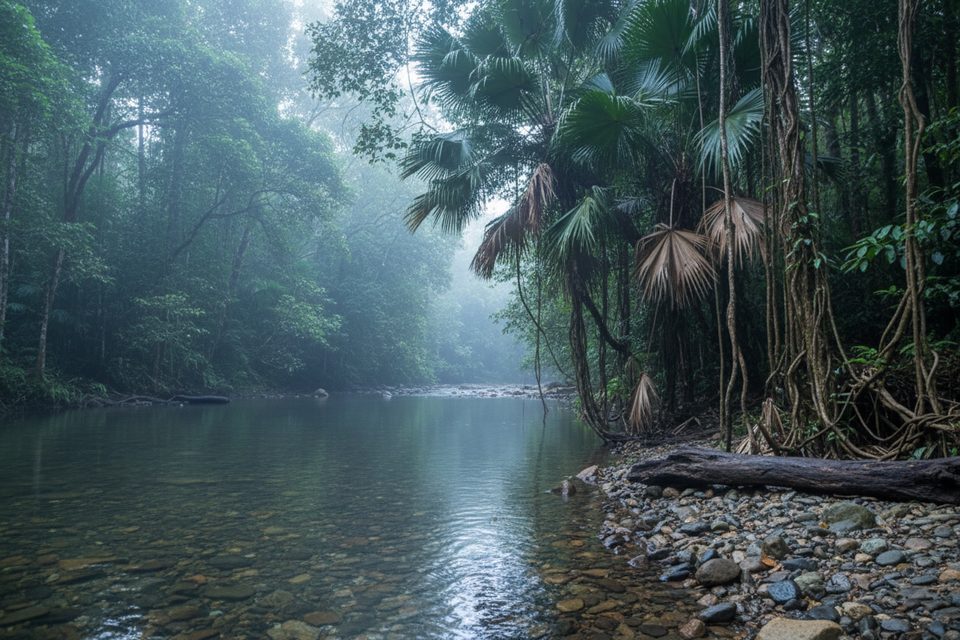
Expect a sweeping beach backed by jungle, with mangroves fringing the edges and mountains rising inland. Short boardwalks and lookouts around the Cape make it easy to dip into the forest for birds, butterflies and living plant fossils, then pop back out to those big coastal views.
These are bite‑sized, photogenic, and great for first‑timers.
Queensland Parks maintains three day‑use areas in the Cape Tribulation section: Jindalba, Dubuji and Kulki. You’ll find toilets and picnic tables at these hubs. Note: Dubuji has a temporary visitor‑facility/access closure listed through November 30, 2025—check park alerts close to your visit. Parks information highlights toilets and tables but does not promise public drinking‑water taps, so arrive self‑sufficient; top up in the village if needed. Around the Cape there are small cafes, simple shops, and a spread of stays from budget to eco‑lodges, plus tours to reef and rainforest.
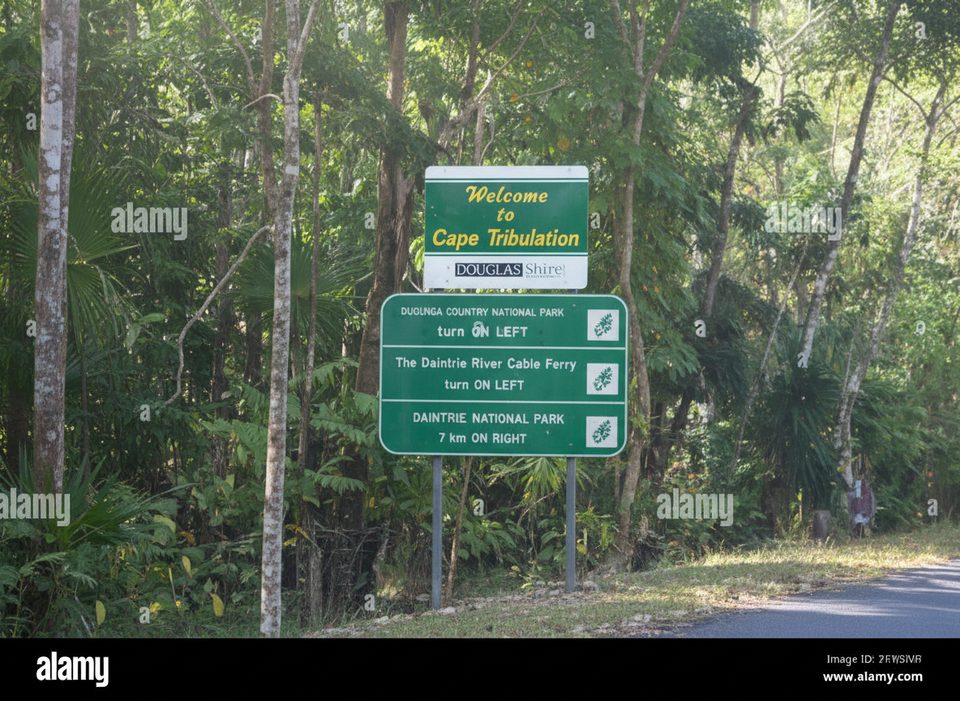
The only road access is via the Daintree River ferry, then a sealed 2WD road to the Cape. Beyond the Kulki turn‑off the sealed road soon ends; the Bloomfield Track north requires proper 4WD and planning. Ferry queues are common in peak season (July–September): northbound often around 10 a.m.–12 p.m., southbound 3–5 p.m. Travel early or return later to dodge the lines.
This is prime crocodile country—obey every sign and never swim in the ocean or at river mouths. Cassowaries roam the forest edges; drive slowly and give them space. If you fancy a freshwater dip, choose a known swimming hole like Emmagen Creek only after checking conditions locally on the day.
Sunrise lights the headland and beach beautifully and beats the heat and crowds; late afternoon is the next best window. Midday is the busiest. Weekdays are typically calmer than weekends. Plan at least a couple of short walks plus time at the beach and Kulki Lookout; staying overnight lets you catch both golden hours and a quieter vibe.
Place · 0 mi away
Place · 0 mi away
Place · 0 mi away
Place · 0.1 mi away
Easy · 0.1 mi away
Challenging · 0.3 mi away
Easy · 1 mi away
Easy · 2.7 mi away

Parkwolf Tour Guide
