Overview
About Richard Henry's House Site
Why stop
- A rare, tangible link to New Zealand’s early island bird-conservation work.
Heads up
- Boat-only access makes a casual stop difficult.
Map
Where it is
The highest, rockiest slopes around here are a summer buffet for grizzly bears.
Fiordland Tour Guide
Your drive to Richard Henry's House Site, narrated.
Parkwolf is a GPS audio tour guide for Fiordland National Park. As you drive, it chimes in with what’s ahead: hidden gems, upcoming stops, history, geology, and wildlife, right through your car’s speakers.
See the Fiordland audio tour- 112 audio storiesacross Fiordland’s roads, triggered by GPS as you drive
- Wildlife heatmapsfor Kea, Fiordland Penguin, Blue Duck, and 13 more
- Works offlinemaps, 77 trails, 102 places, and audio download before you lose signal
- CarPlay readysimple controls built for the drive
“Fantastic app with many points of information… It’s great to just turn on while you’re driving and it gives you an audio tour of the national Park. We love it!!!!”


Guide
More about Richard Henry's House Site
A place for the story, not the houseRichard Henry’s House Site is a small forest clearing on the neck of Pigeon Island in…
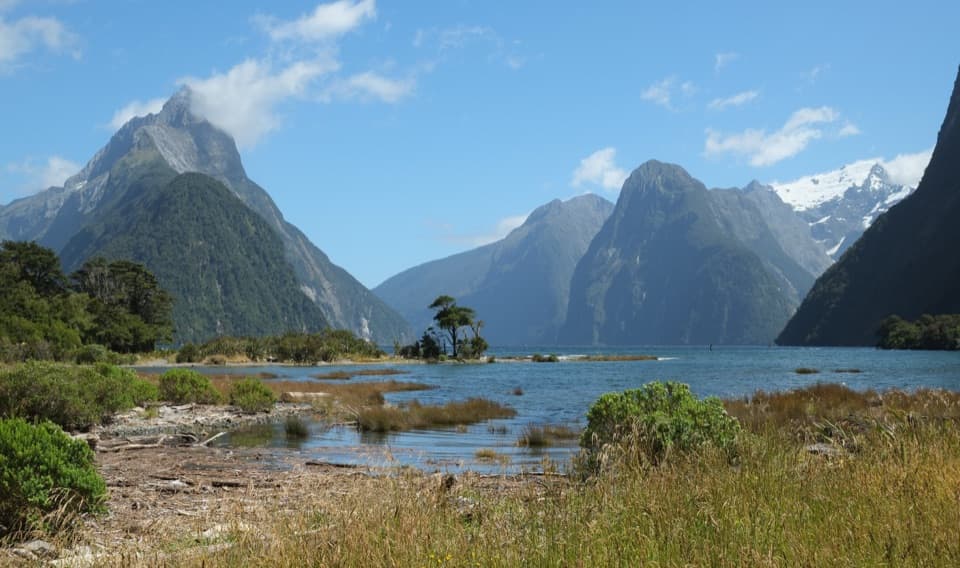
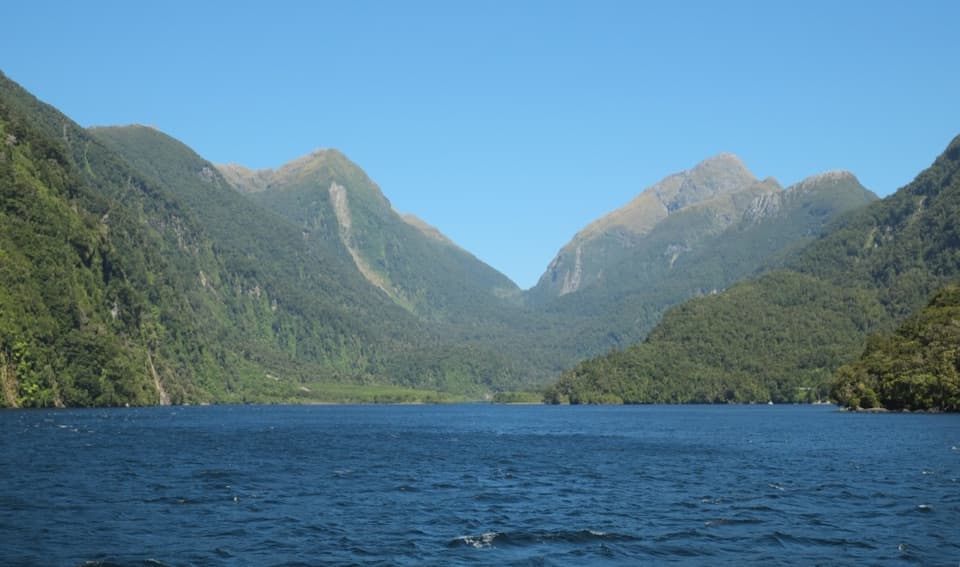
Richard Henry’s House Site is a small forest clearing on the neck of Pigeon Island in Tamatea/Dusky Sound, where Henry lived while working on New Zealand’s first island bird sanctuary. Go for the conservation history rather than a preserved cottage: only a few piles and the fireplace foundation remain. Reaching it takes a boat, either with a tour operator or in your own sea transport.
What remainsHenry’s cottage had three rooms, weatherboard walls, a brick chimney and an iron roof.
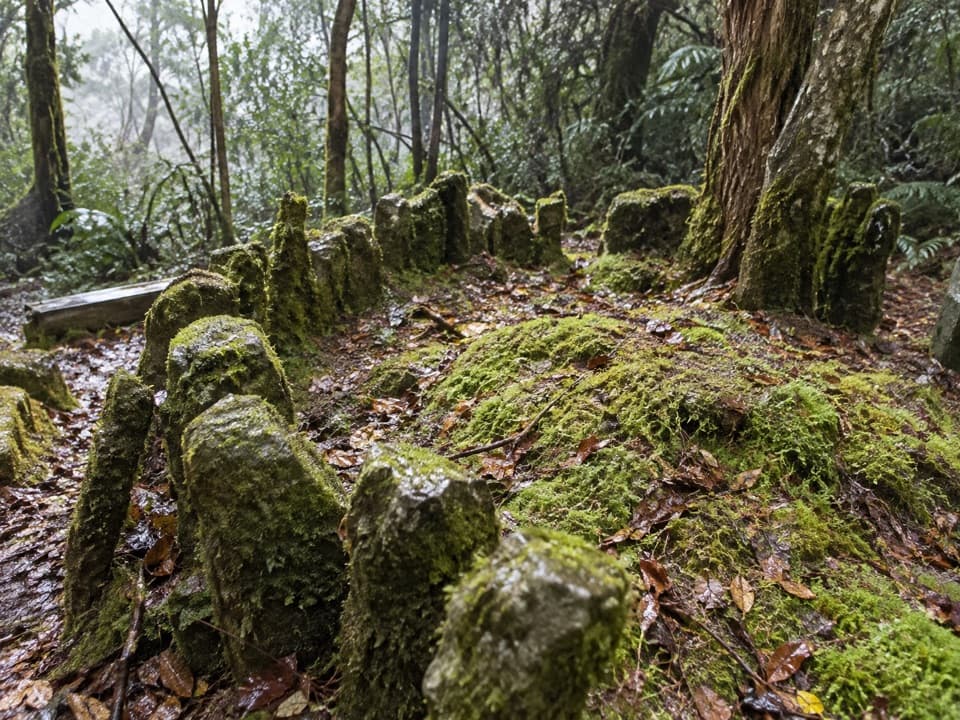
Henry’s cottage had three rooms, weatherboard walls, a brick chimney and an iron roof. The piles and fireplace foundation are all that remain of the house. A separate bird pen stands at the northern end of the clearing, made from upright punga trunks with their bases buried. The pen held captured birds briefly before they were transferred by boat; its surviving logs average about half a metre high.
The first island sanctuaryResolution Island was set aside as New Zealand’s first sanctuary in 1891, and Henry became its…
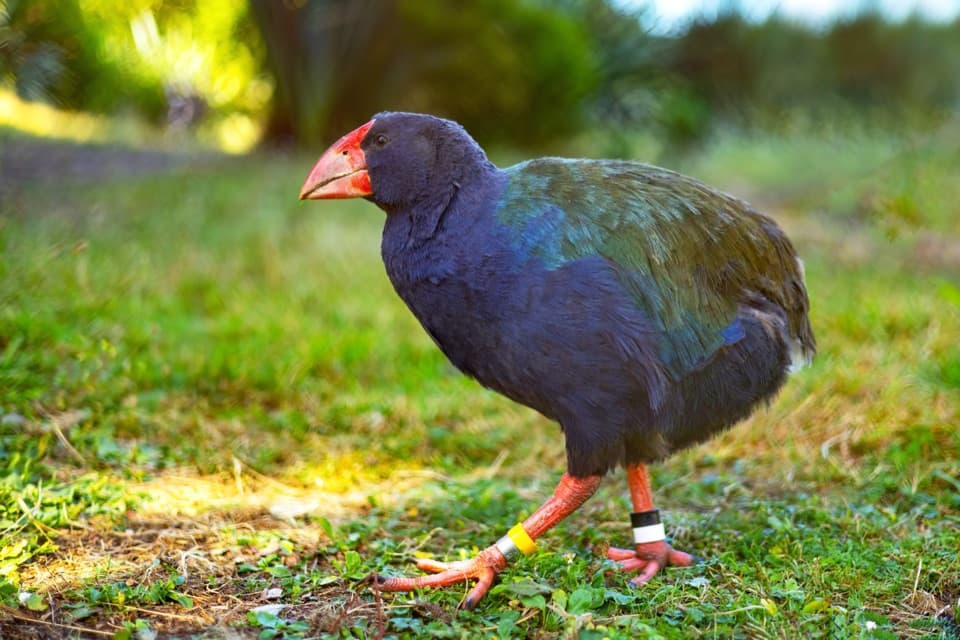
Resolution Island was set aside as New Zealand’s first sanctuary in 1891, and Henry became its caretaker and curator in 1894. He and his assistant Andrew Burt built a camp and boatshed on Pigeon Island. In his first six years, Henry moved more than 700 kākāpō and kiwi from the mainland to Resolution and nearby islands. He used a muzzled dog with a bell to help track birds through dense fern.
A setback, and a lasting legacyOn 4 August 1900, Henry found an introduced predator on Resolution Island.
On 4 August 1900, Henry found an introduced predator on Resolution Island. He kept trapping and poisoning, but left Dusky Sound in 1908. The sanctuary project did not keep predators out; Henry’s careful observations and relocation methods still informed later New Zealand bird-conservation work, including the kākāpō recovery effort.
Wildlife
Wildlife in Fiordland
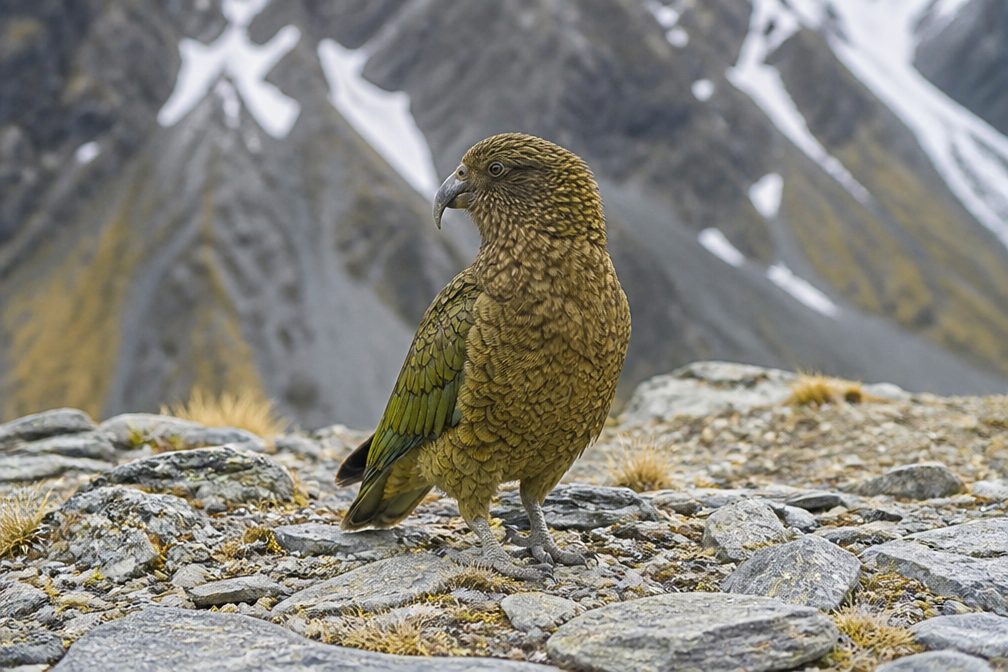 1,233 sightingsKeaMost seen around 10 AMSighting map
 214 sightingsFiordland PenguinMost seen around 7 PMSighting map
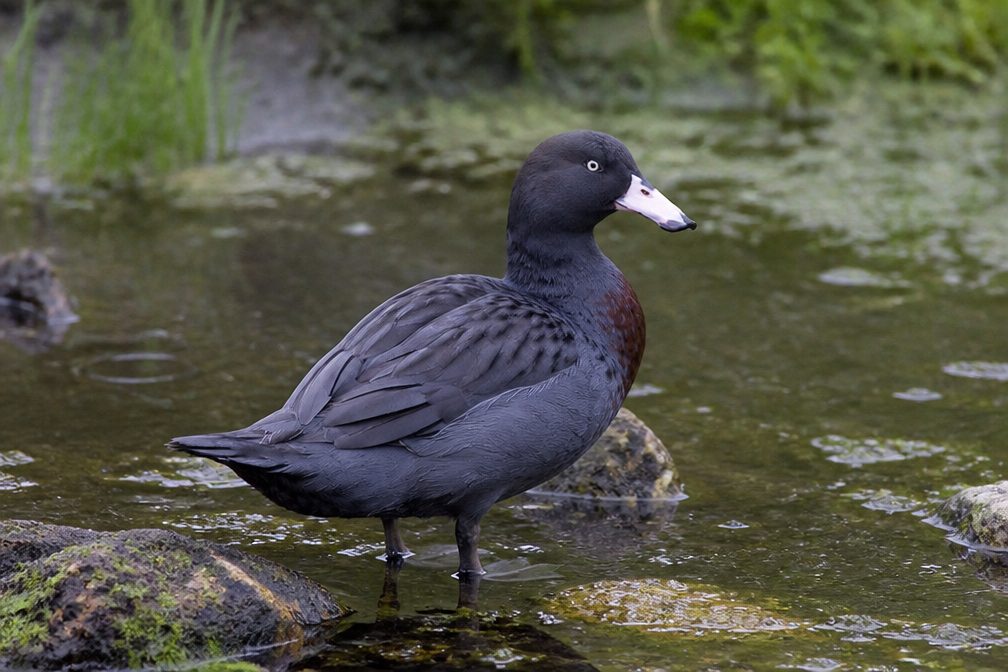 233 sightingsBlue DuckMost seen around 5 PMSighting map
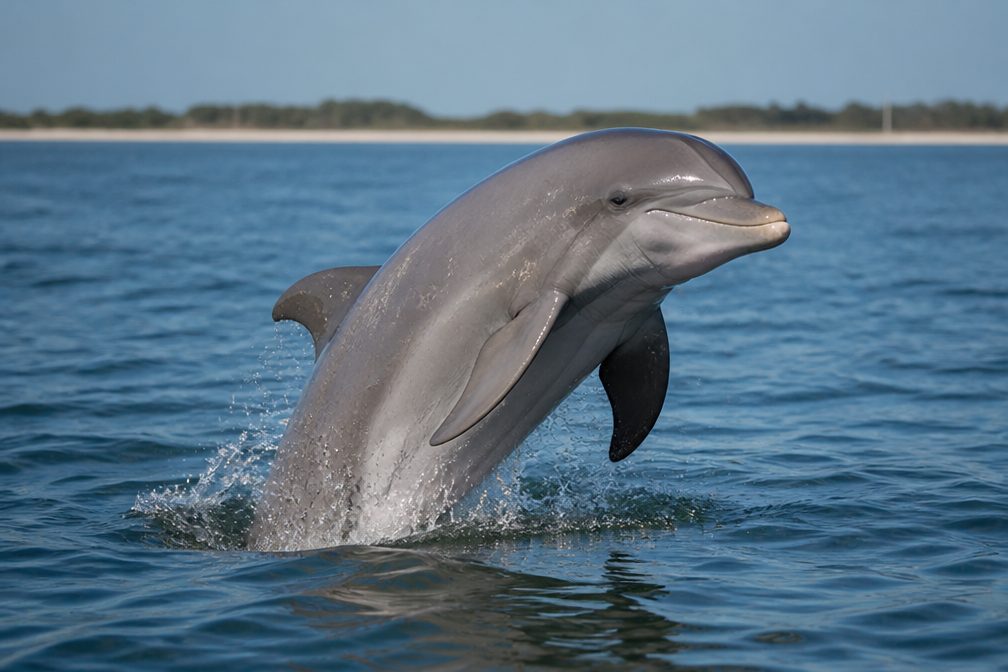 32 sightingsBottlenose DolphinMost seen around 5 PMSighting map
 252 sightingsNew Zealand Fur SealMost seen around 6 PMSighting map
 69 sightingsKākāMost seen around 6 PMSighting map
Sighting maps show where each species has been reported across Fiordland. Wildlife moves, so no sighting is guaranteed.