1 active Gateway Arch alert
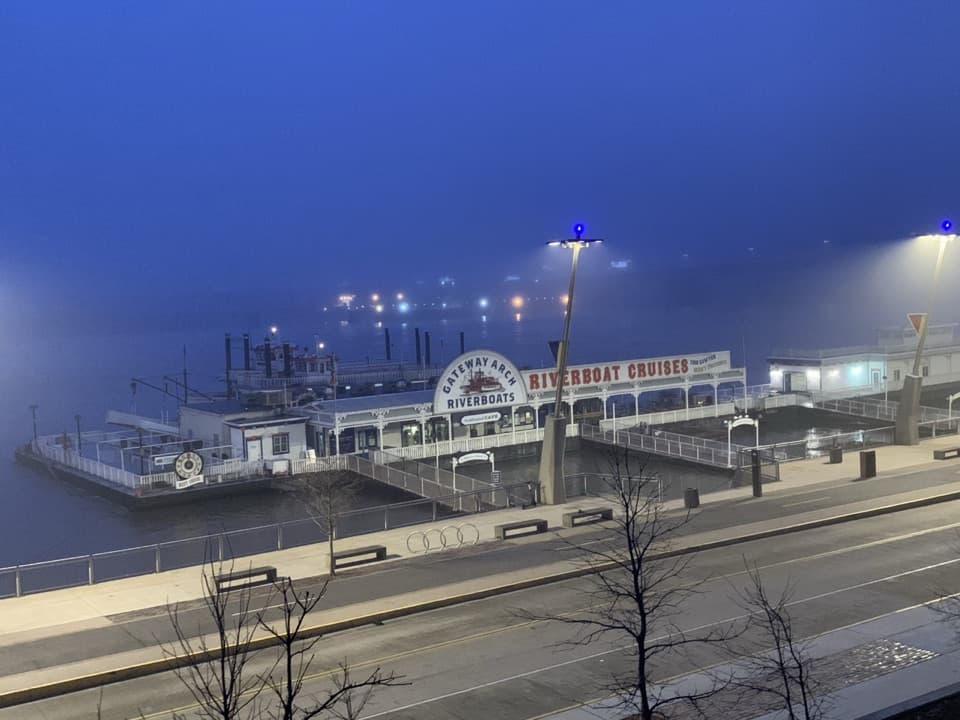
- ClosureDowntown freeway approach closuresPlan another route around two downtown freeway closures associated with construction work zones. - I-44 westbound express lanes and Broadway exit are closed.Official details
#1 of 21 sights in Gateway Arch
Sight · Gateway Arch National Park
Ride up the 630-foot arch for a city and river view.


Overview
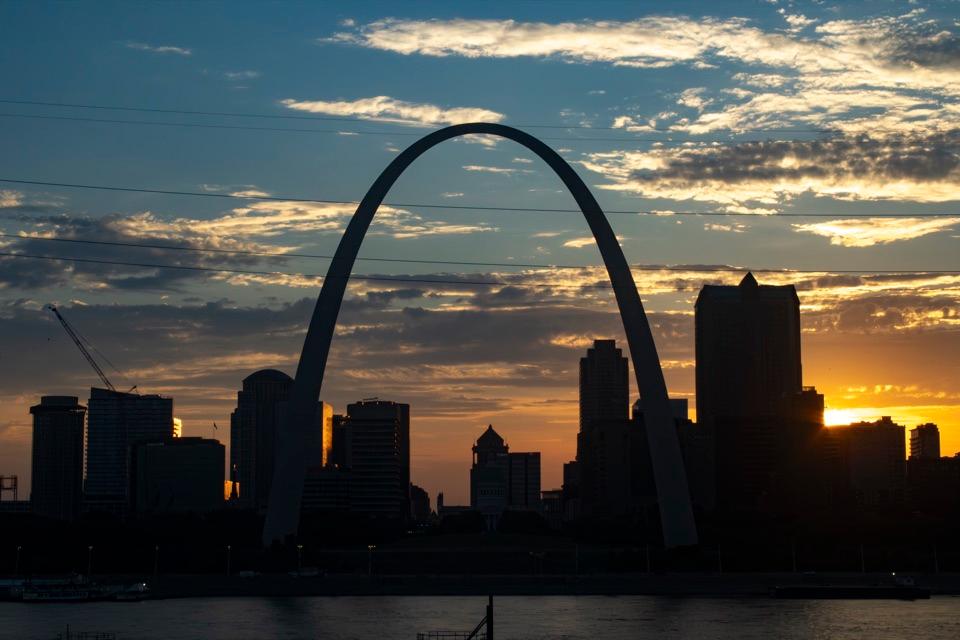
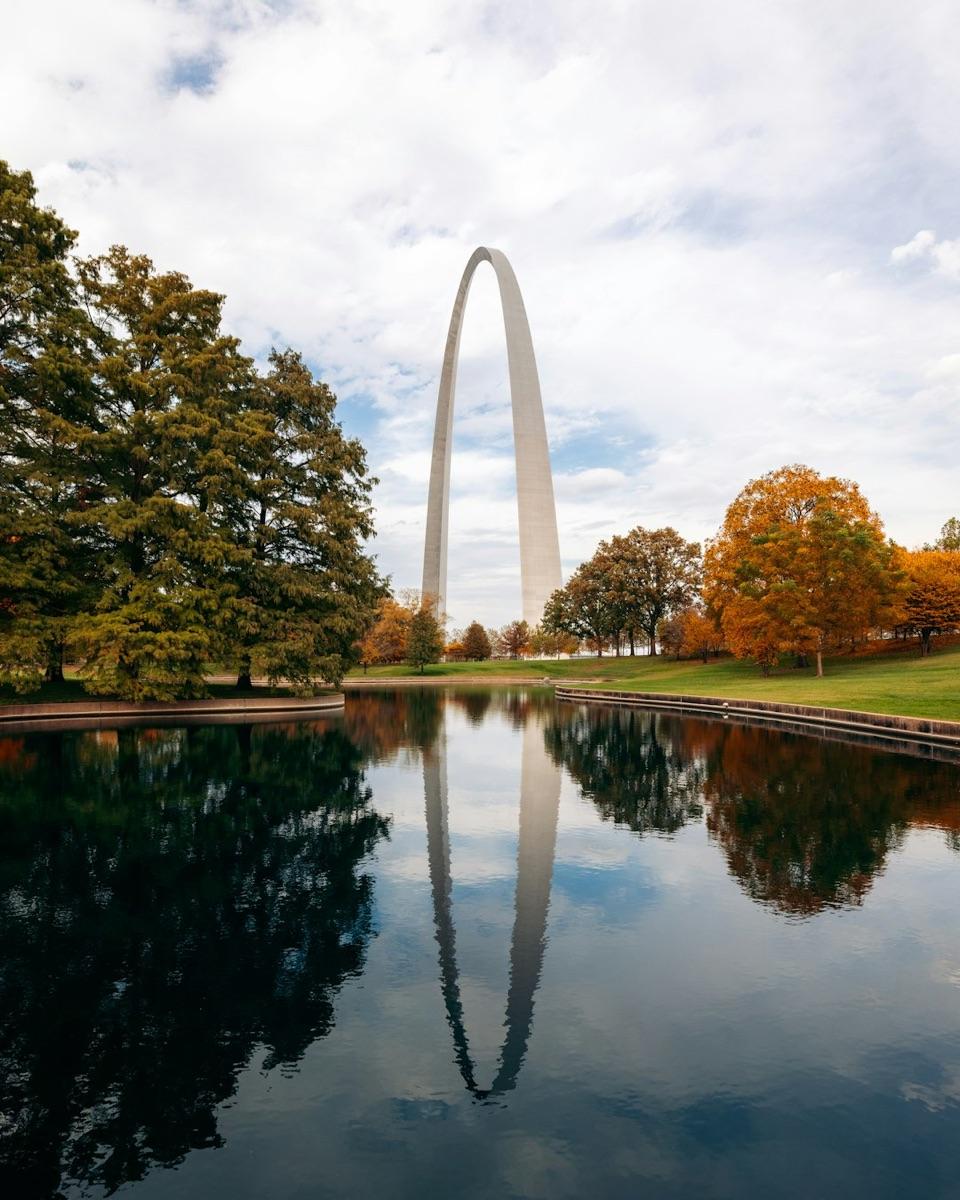
Gateway Arch is a 630-foot stainless-steel monument on the Mississippi riverfront, as wide between its feet as it is tall. It marks St. Louis’s role as a gateway for westward expansion. Make time for the grounds and the free museum beneath it, then add the tram if you want the unusual experience of riding inside the monument.
Map
Plan your stop
The highest, rockiest slopes around here are a summer buffet for grizzly bears.
Gateway Arch Tour Guide
Parkwolf is a GPS audio tour guide for Gateway Arch National Park. As you drive, it chimes in with what’s ahead: hidden gems, upcoming stops, history, geology, and wildlife, right through your car’s speakers.
Recorded for this place
Gateway Arch and Visitor Center“You're approaching the Gateway Arch and its Visitor Center. For the tram, book ahead and allow about an hour. You'll ride in a small five-person capsule, but the round trip still involves at least ninety-six steps.”
Plays as you drive up to Gateway Arch in the Parkwolf Gateway Arch Tour Guide.
More stories near here in the app
“Fantastic app with many points of information… It’s great to just turn on while you’re driving and it gives you an audio tour of the national Park. We love it!!!!”
Guide
The public entrance is on the west side, facing Fourth Street and the Old Courthouse; the Arch’s legs are exits only. Everyone passes through a security checkpoint, so arrive early for a timed tram ticket. The tram is popular and NPS recommends booking ahead. There is no dedicated Arch parking lot; the operator points drivers to the Stadium East garage about two blocks away.
The tram climbs inside one leg in small capsules just five feet across, each seating five. The climb takes about four minutes, followed by a short stay on the observation deck and a three-minute descent. Allow roughly 45 to 60 minutes for the whole tram visit. The capsules feel tight, so skip the ride if enclosed spaces are uncomfortable.
Reaching the deck and returning means at least 96 steps across six flights, and visitors may have to stand for 30 to 60 minutes. The top is not wheelchair accessible, and there are no restrooms or benches there. The museum and paved grounds have accessible options, so you can still have a full visit without riding.
The narrow windows face downtown St. Louis on one side and the Mississippi on the other. On a clear day, the view can reach about 30 miles; haze or low fog can hide much of it. The openings are small for a reason: the 16 windows on each side are only 7 by 27 inches, sized to withstand the pressure when the top section was fitted.
For a ground photo, walk a little off center beneath the curve so the observation-deck windows show. The reflection ponds also catch the Arch and its sweep; you don’t need a long walk to get the classic view.
The six-gallery museum is free and traces St. Louis from its colonial beginnings in 1764 through its riverfront port, industrial growth and the building of the Arch. It includes Indigenous and Creole history alongside the city’s role in westward expansion, which gives the monument a fuller story than the pioneer theme alone. There is a café below with coffee, snacks and cafeteria food, plus public restrooms and a shop; no dependable signature menu item makes the café a reason to come by itself.
Finnish-American architect Eero Saarinen’s design won a 1947–48 competition that drew 172 entries. He chose an inverted catenary, the curve a hanging chain makes, to suggest a gateway. The monument’s stainless-steel skin covers a structure of welded steel triangles. Construction ran from 1963 to 1965.
Landscape architect Dan Kiley planned the grounds with Saarinen, echoing the Arch’s curve in reflecting ponds, walkways and the stairs down toward the riverfront. Walk the lawn instead of treating the Arch as a quick look from the car: the changing angles make its scale easier to read, and the paved paths are accessible.
Before the keystone was set, workers sealed a time capsule inside the Arch containing thousands of signatures gathered from the public. St. Louis mayor Alfonso Cervantes signed first. It is still inside the structure and cannot be removed while the Arch stands.
Wildlife
 17 sightingsRed-tailed HawkMost seen around 11 AMSighting map
 14 sightingsGroundhogMost seen around 8 AMSighting map
 11 sightingsOpossumMost seen around 8 PMSighting map
 16 sightingsCottontailMost seen around 7 PMSighting map
 114 sightingsCanada GooseMost seen around 7 AMSighting map
 70 sightingsMallardMost seen around 6 PMSighting map
Sighting maps show where each species has been reported across Gateway Arch. Wildlife moves, so no sighting is guaranteed.
Keep exploring
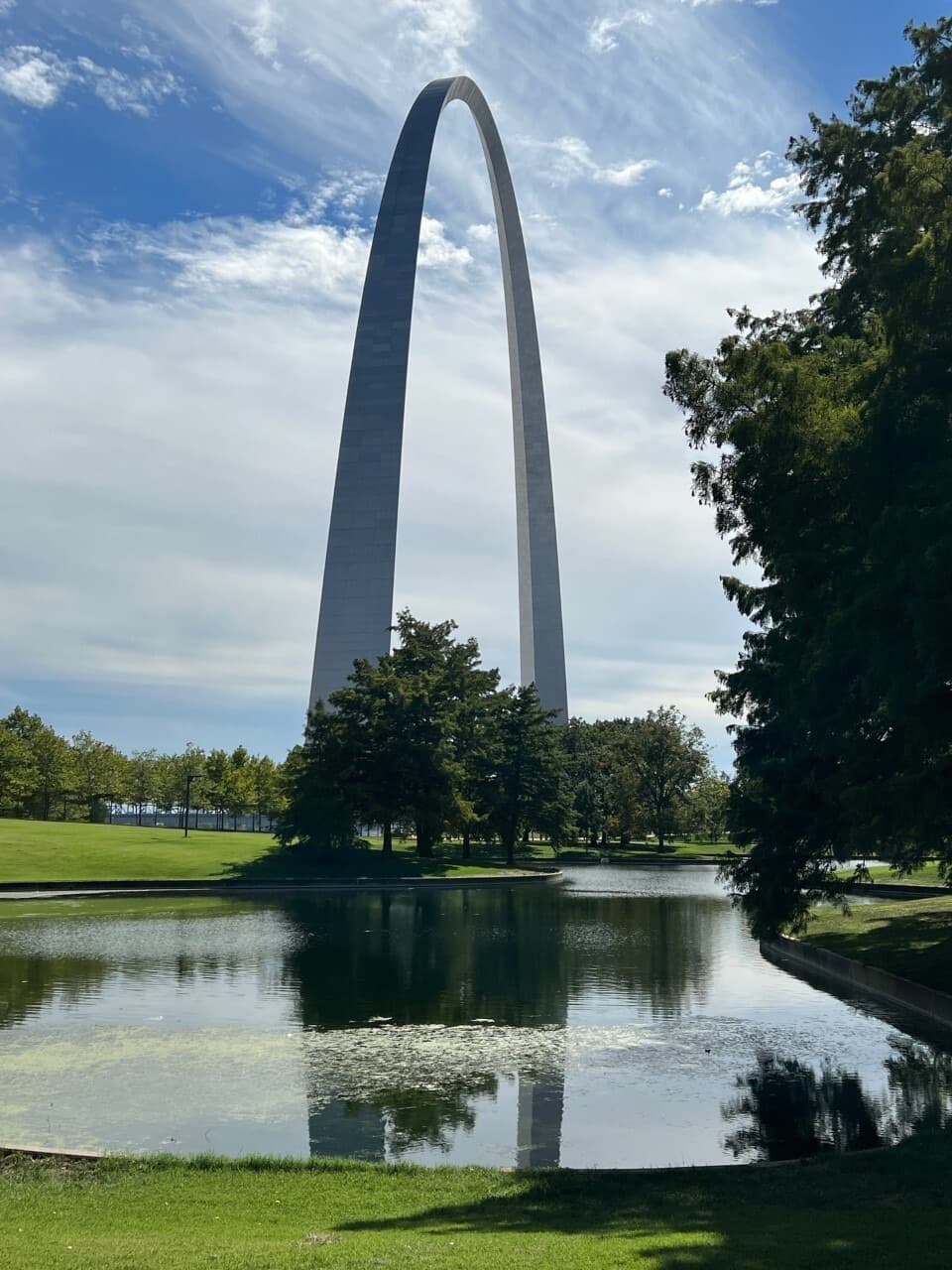 EasyNorth Pond Loop1 mi · 30 min · 0.1 mi awayThe Arch gets a second frame in the pond.
 EasyGateway Arch Loop1.6 mi · 45 min · 0.1 mi awayA short city loop for Arch reflections and riverfront views.
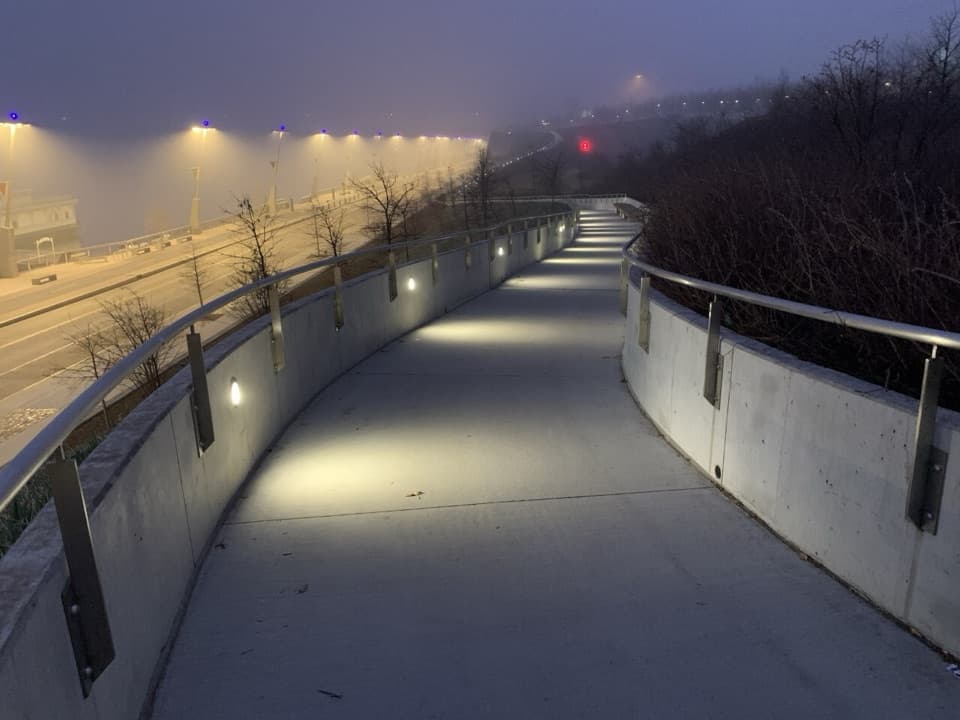 ChallengingSt. Louis Riverfront Trail23 mi · 11.5 hr · 0.7 mi awayFlat riverfront miles lead to a mile-long Route 66 bridge.
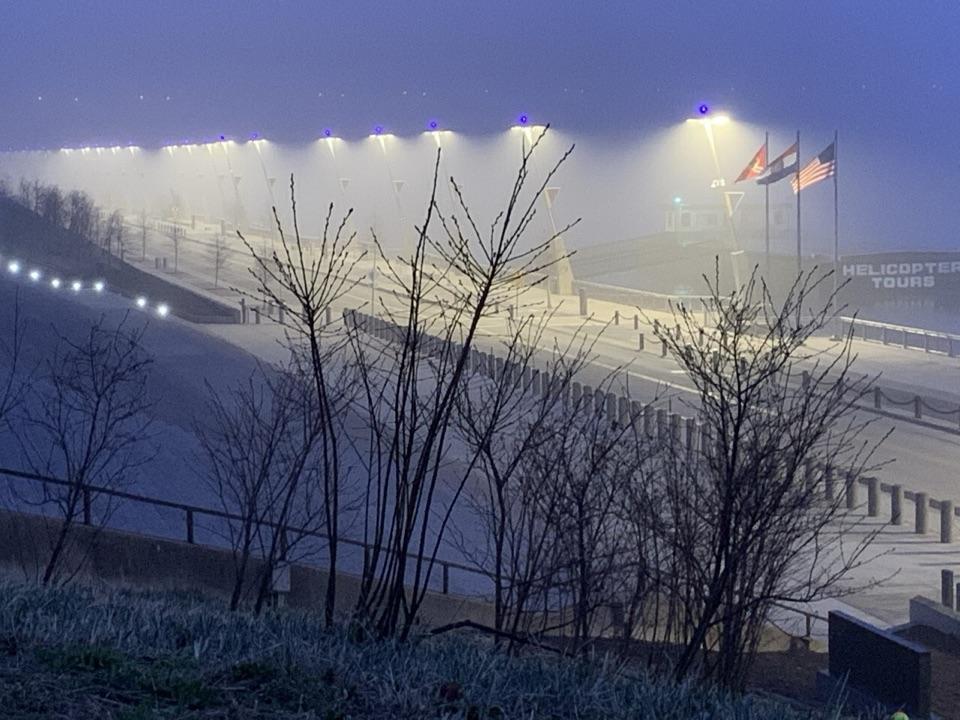 Sight · At the trailheadGrand StaircaseA 65-step link from the Arch grounds to the riverfront.
 Restaurant · 0.1 mi awayArch CaféA convenient place to try St. Louis toasted ravioli.
 Store · 0.1 mi awayThe Arch StoreArch gifts, park-history books and homemade fudge.
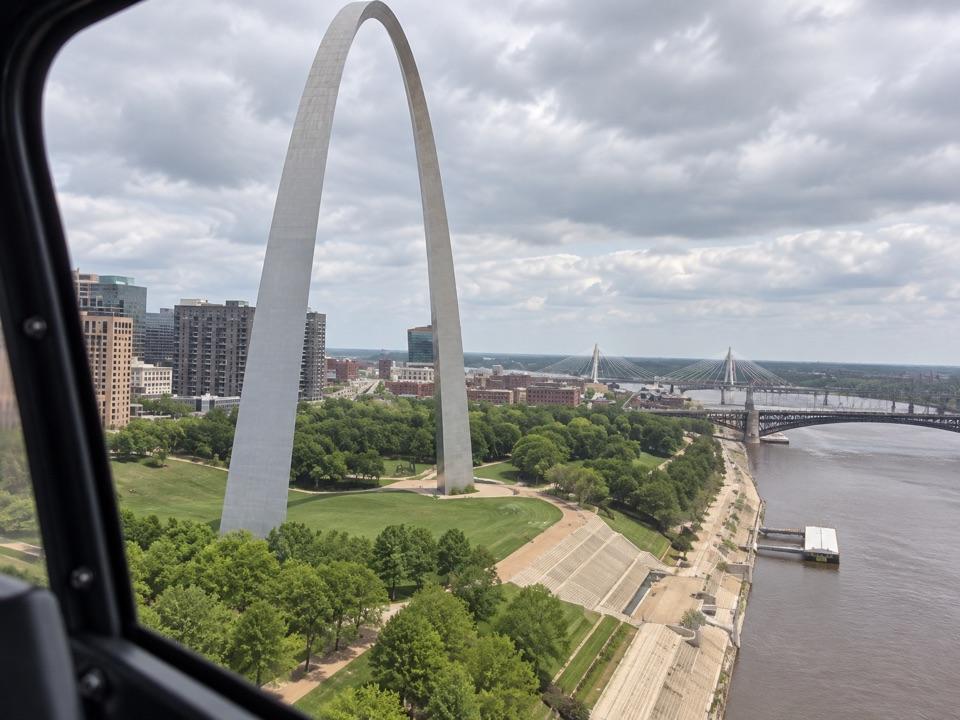 Sight · 0.1 mi awayGateway Helicopter ToursSee the Arch, river and city landmarks from above.
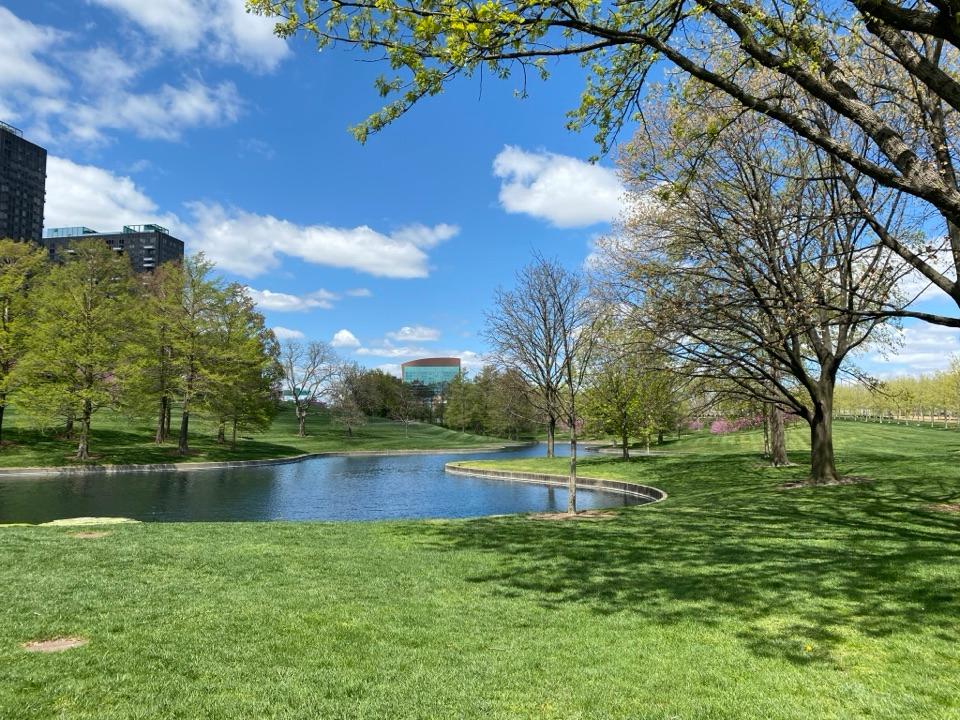 Sight · 0.1 mi awayNorth PondA small reflection pond whose curves repeat the Arch.
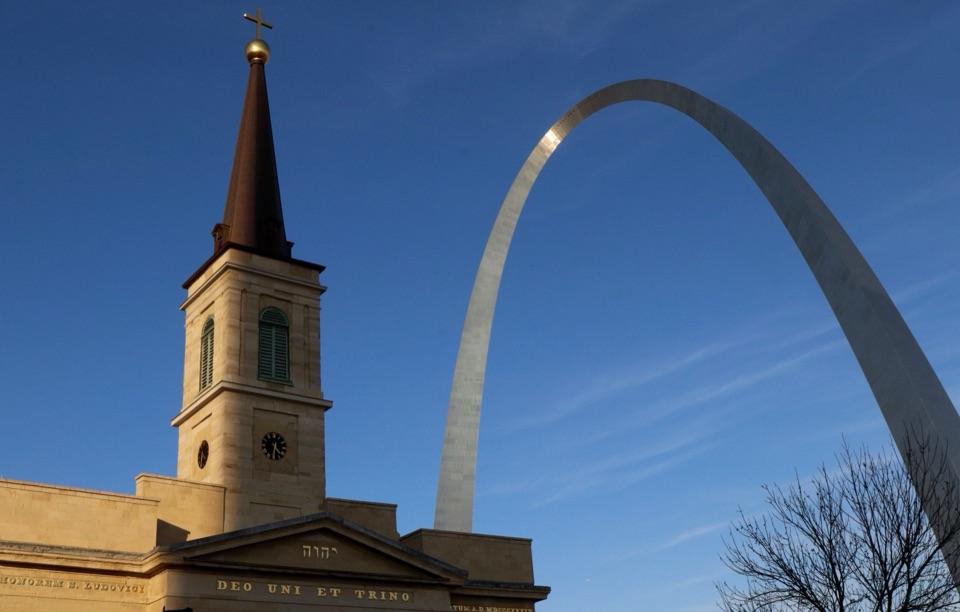 Sight · 0.1 mi awayOld CathedralA living church with a deep St. Louis story beside the Arch.
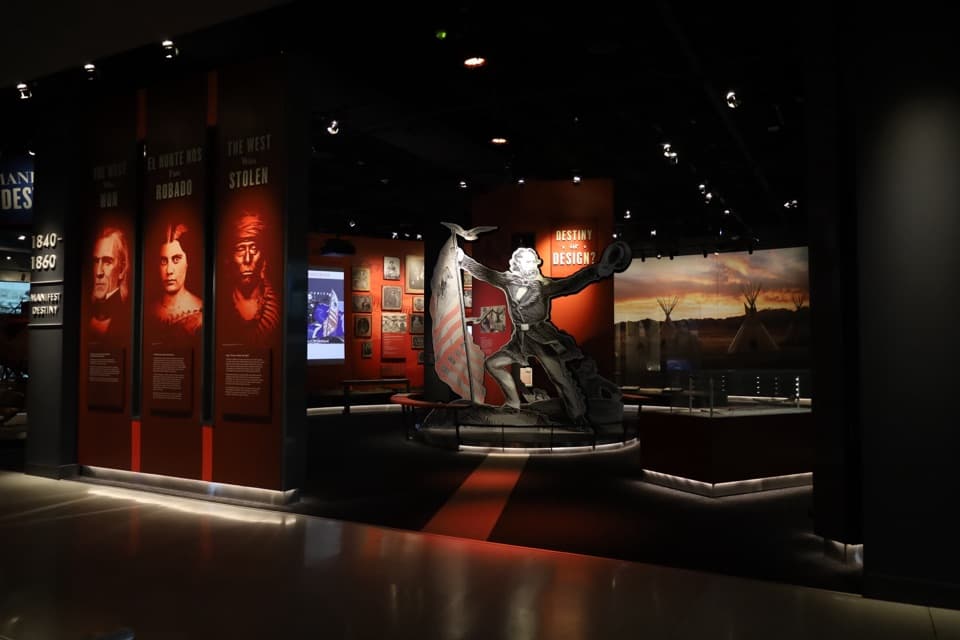 Sight · 0.1 mi awayMuseum at the Gateway ArchSix galleries span colonial St. Louis through Arch construction.
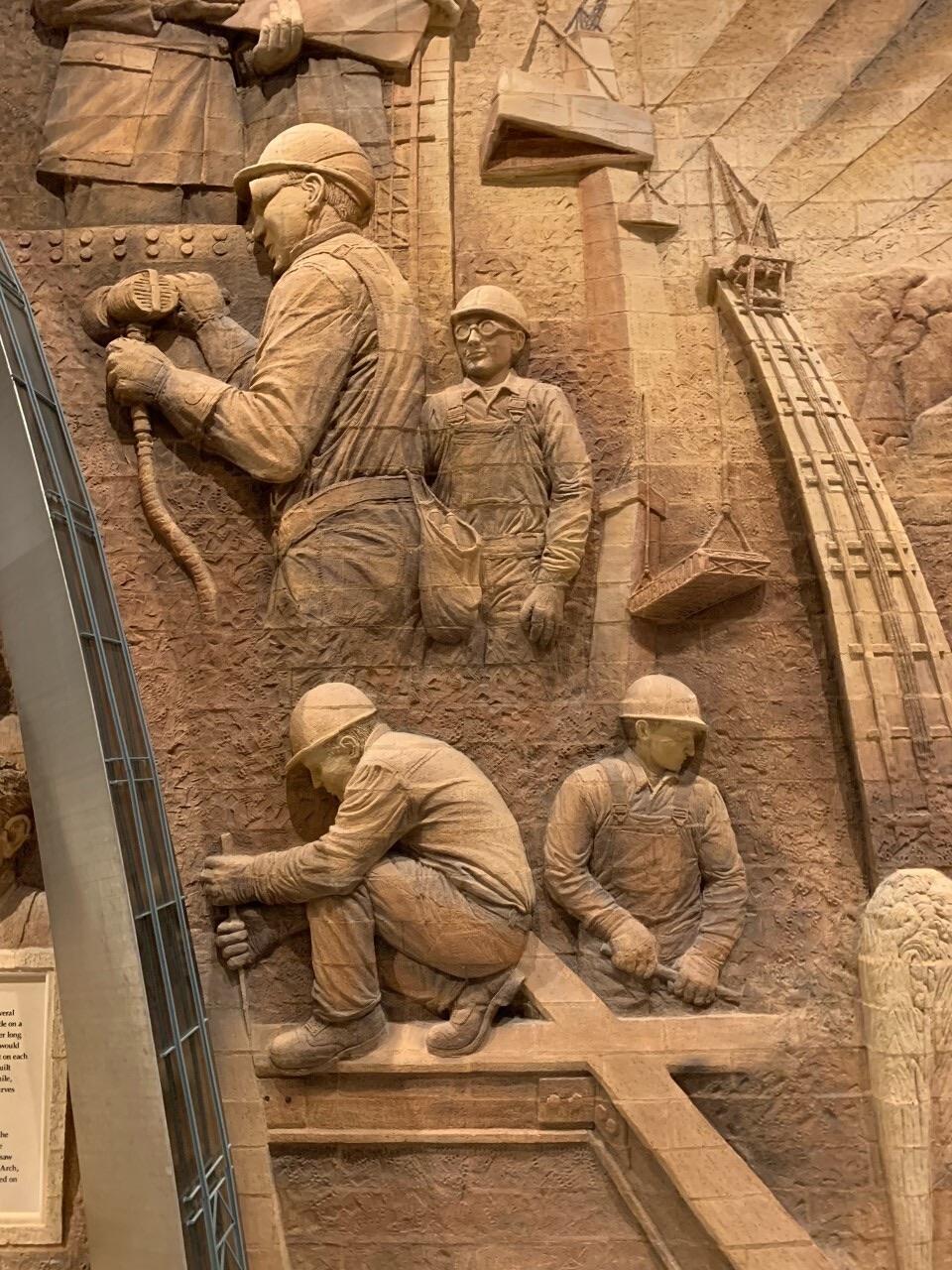 Sight · 0.1 mi awayTucker TheaterSee how Saarinen’s design became the Arch in 35 minutes.
Parkwolf’s Gateway Arch ranking

The audio tour guide for the drive, plus offline maps, trails, and wildlife heatmaps for when the signal drops.