
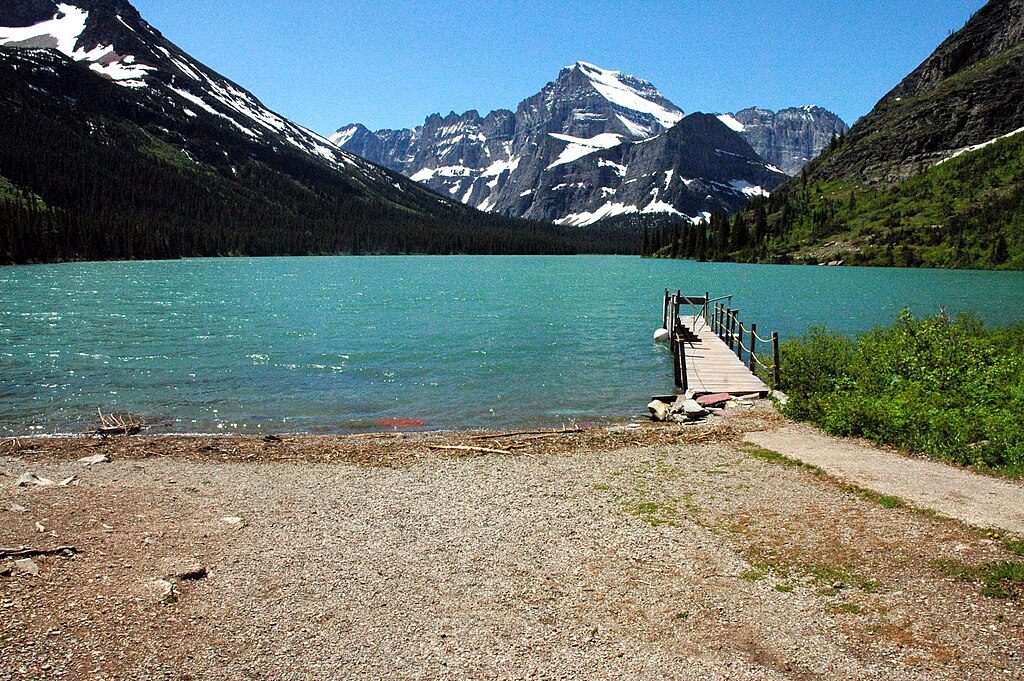
Place · 0.6 mi away
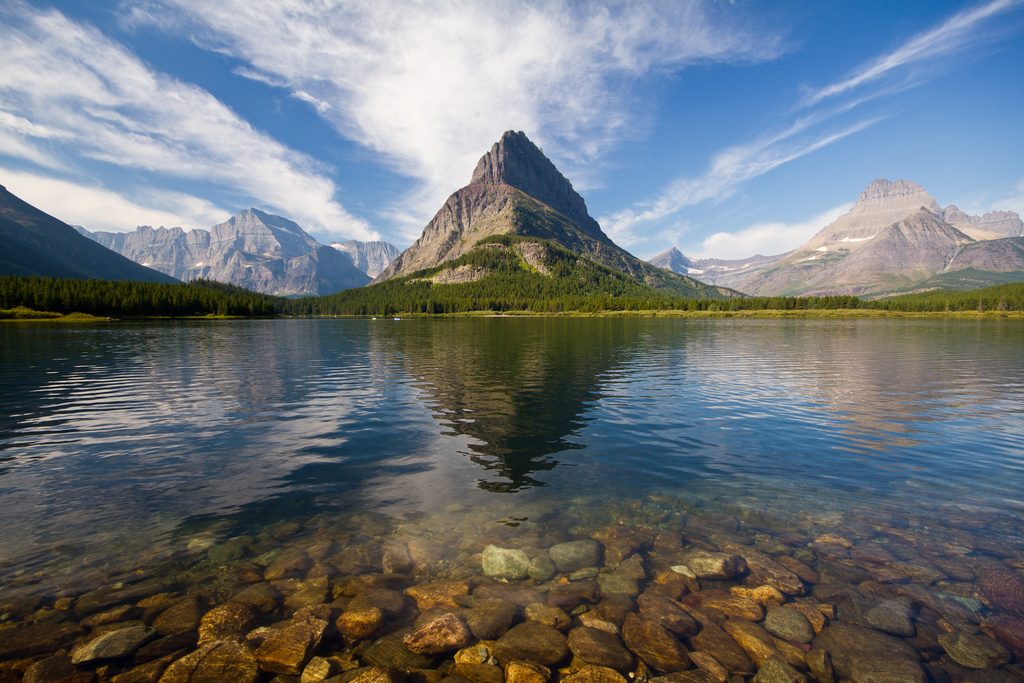
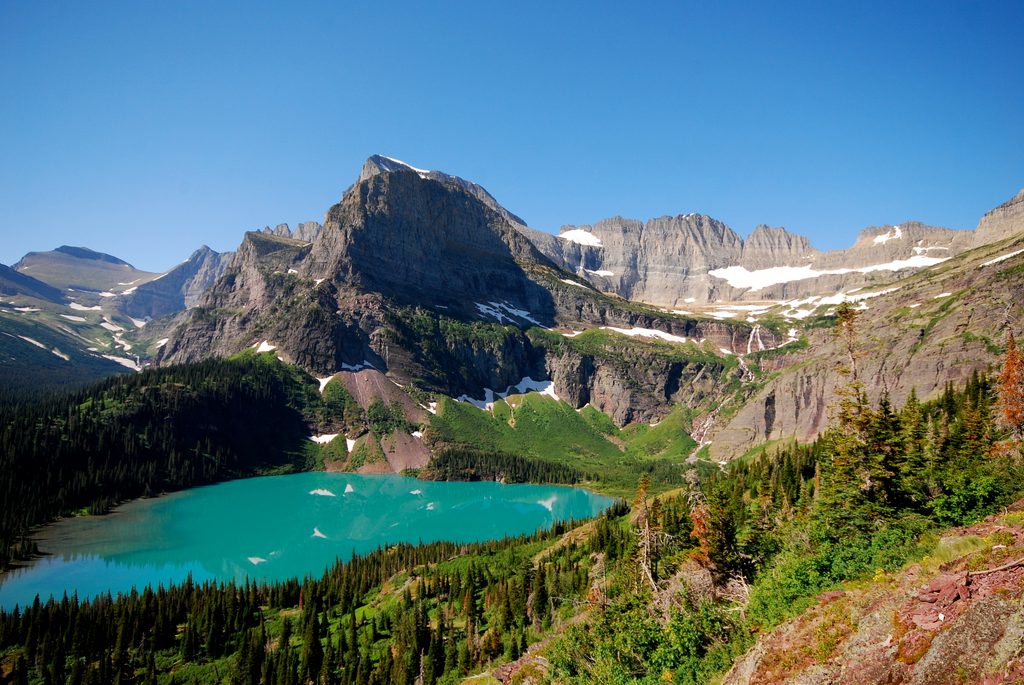
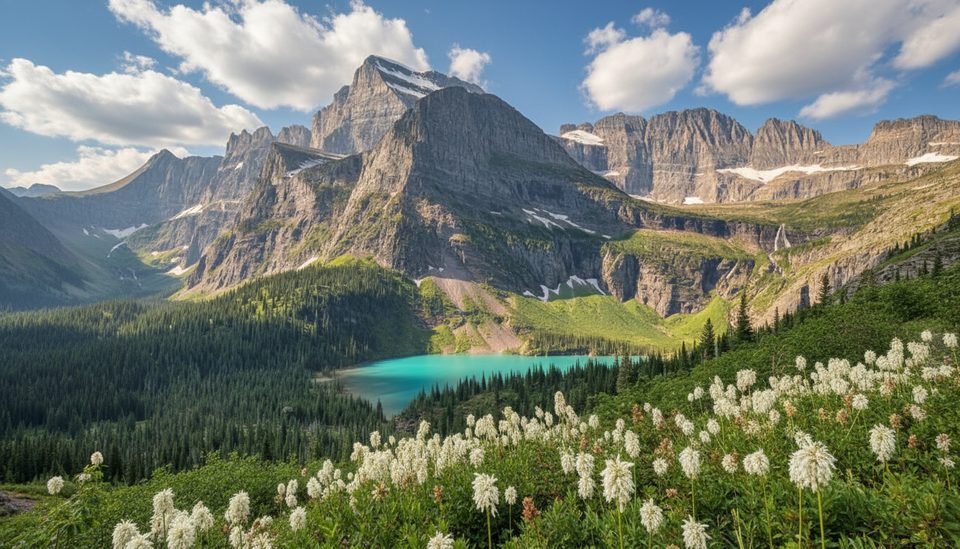
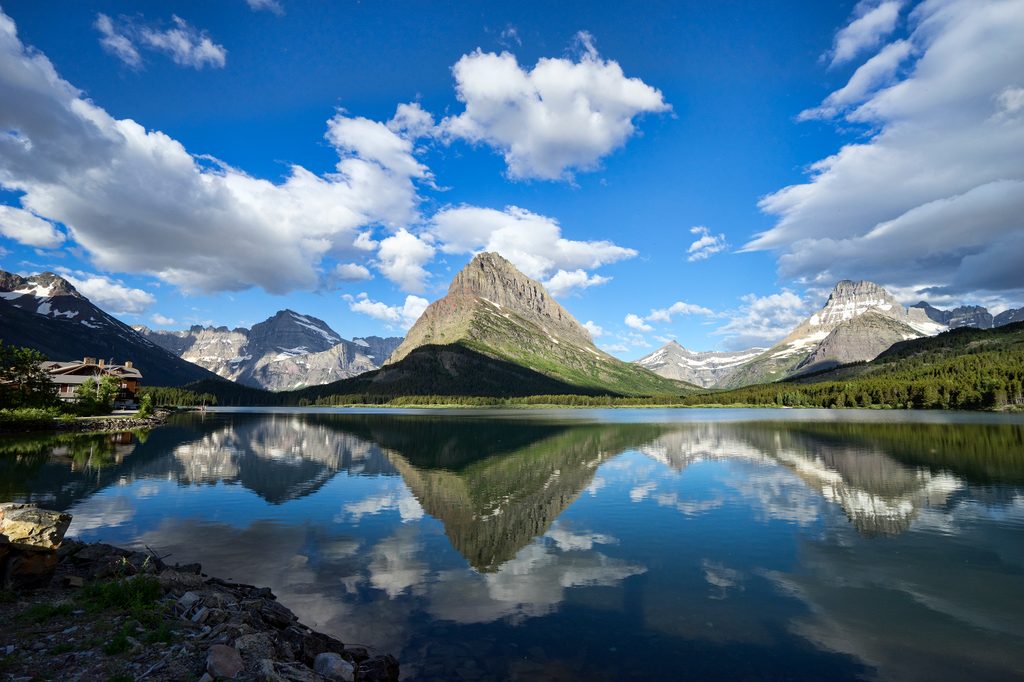
Grinnell Point is the striking, pyramid-like peak that dominates the Many Glacier skyline. It’s a front-row lesson in Glacier’s geologic story—ancient red and green rocks, stacked by massive faulting, and carved by ice into today’s dramatic profile. Most people admire it from around the Many Glacier lakes or while hiking toward Grinnell Glacier.
Expect big alpine drama: turquoise lakes below, sheer walls above, and a skyline etched by glaciers. The vivid reds and greens you notice in the cliffs are Precambrian Belt Supergroup rocks; the red hues in particular are classic of the local Grinnell Formation. U-shaped valleys, cirques, arêtes, and tarns around Upper Grinnell Lake are all ice-sculpted landforms. Modern glaciers (Grinnell, Salamander, tiny Gem) still linger on the high walls and have been retreating since the end of the Little Ice Age.
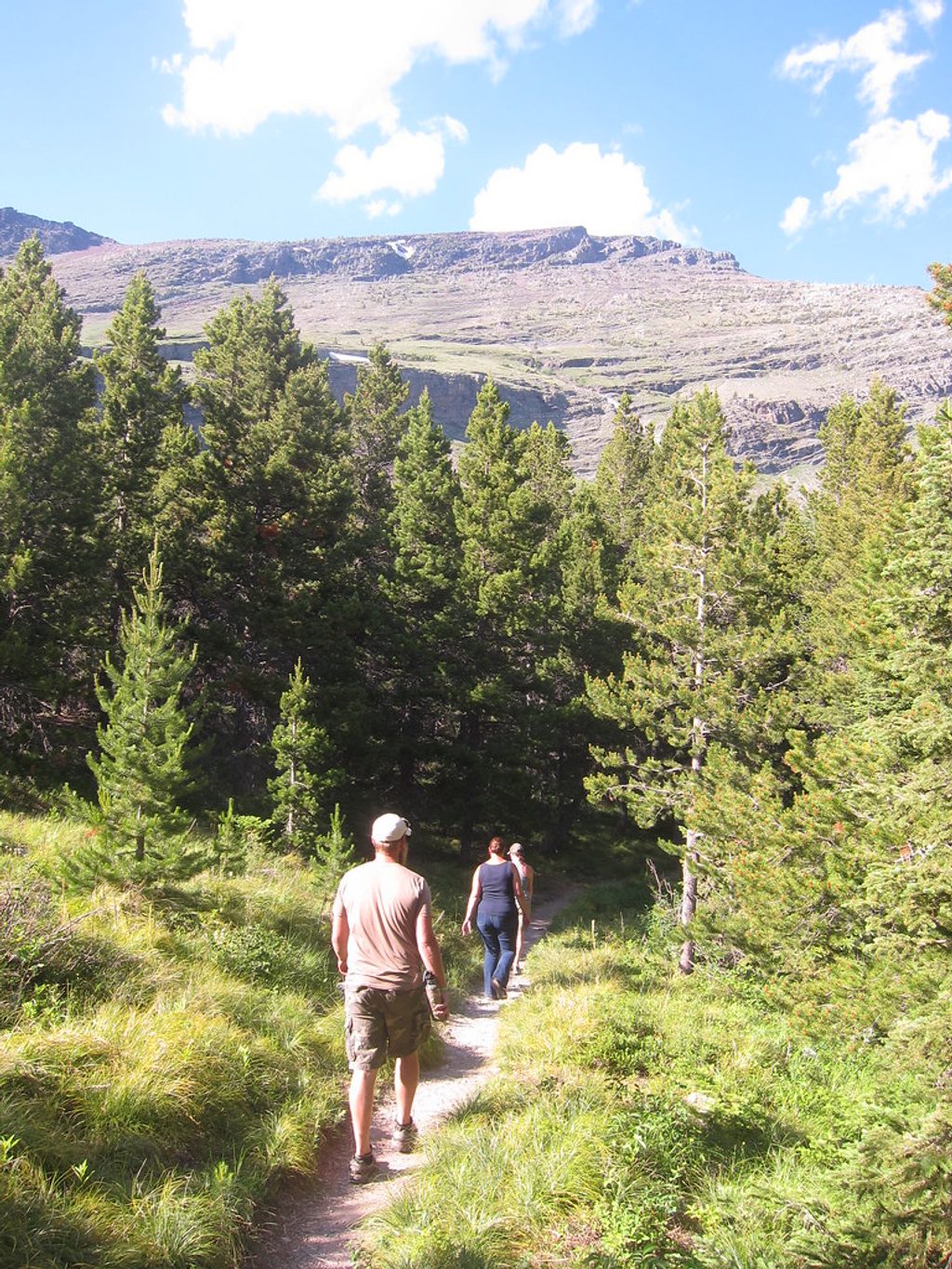
The easiest way to savor Grinnell Point is to pair it with time in the Many Glacier area—walk the lakeshores or hike portions of the Grinnell Glacier Trail for ever-better angles. If you want the full day, the trail is a classic, with sustained climbing and some cliff-hugging sections after Lake Josephine. Boat shuttles on Swiftcurrent and Josephine can cut several miles off the hike when they’re running.
This is prime habitat for large mammals. Bears are regularly reported in the Many Glacier corridor, and you may spot bighorn sheep along higher slopes. Carry bear spray, hike in groups when possible, and give all wildlife ample space.
The upper portions of the Grinnell Glacier Trail are exposed with little shade. Start early, pack plenty of water and sun protection, and expect rocky tread with some narrow sections. Seasonal realities matter: early summer often brings snow hazards and partial closures; later summer into fall usually offers fuller access but the upper trail can still feel exposed and slick with runoff.
Many Glacier has used vehicle-entry reservations in recent seasons, and parking fills very early on busy days. For the 2025 season, construction beyond the hotel area is slated to restrict access, shift trailheads, and rely on shuttle options for part of the summer—plan around that and check current updates before you go.
Place · 0.6 mi away
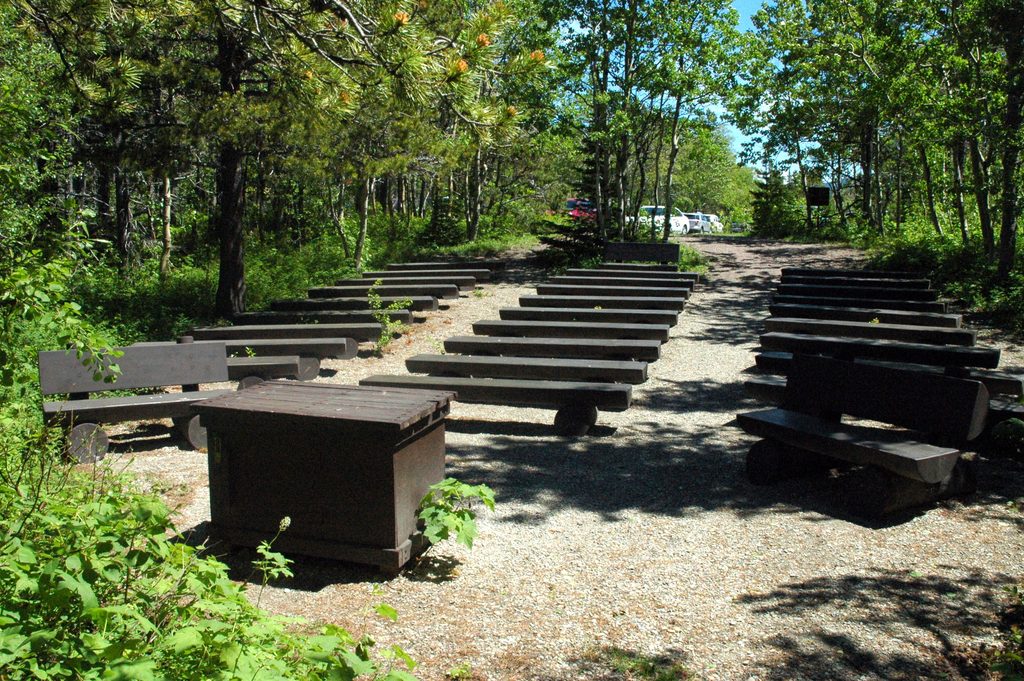
Place · 0.7 mi away
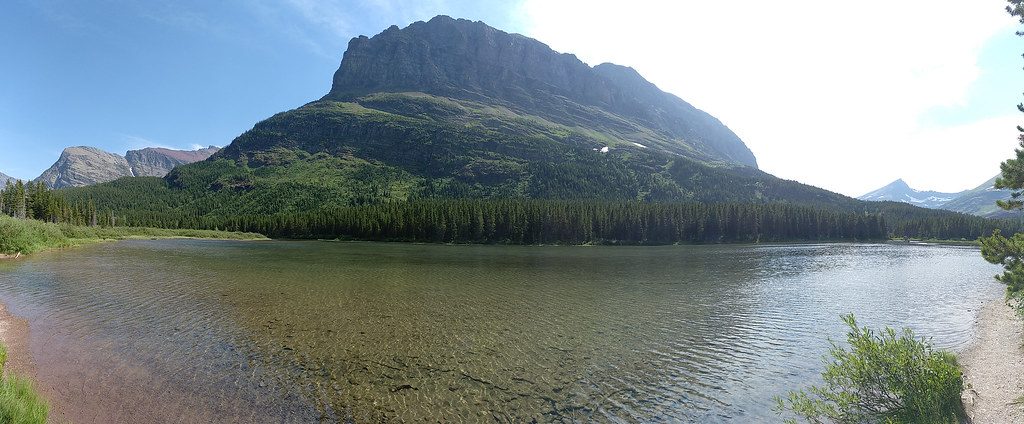
Place · 0.7 mi away
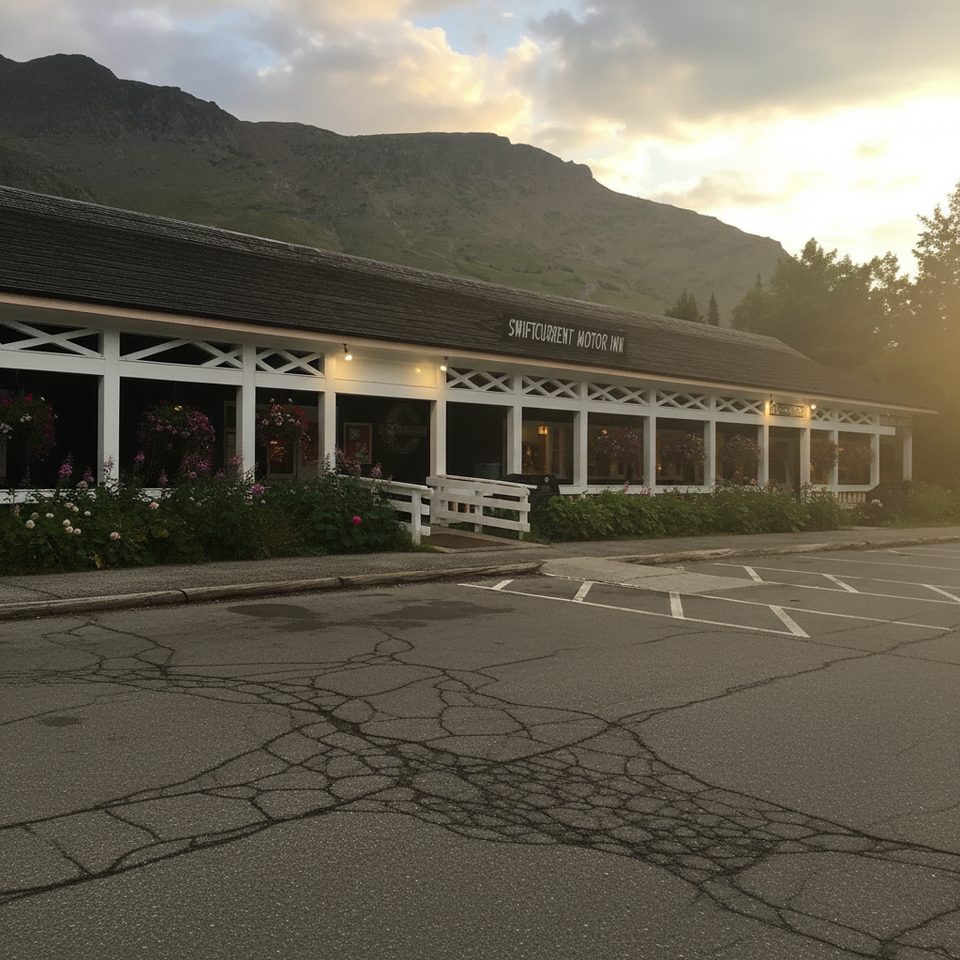
Place · 0.8 mi away
Easy · 0.9 mi away
Challenging · 0.9 mi away
Easy · 0.9 mi away
Easy · 0.9 mi away

Parkwolf Tour Guide
