
Place · 0.8 mi away
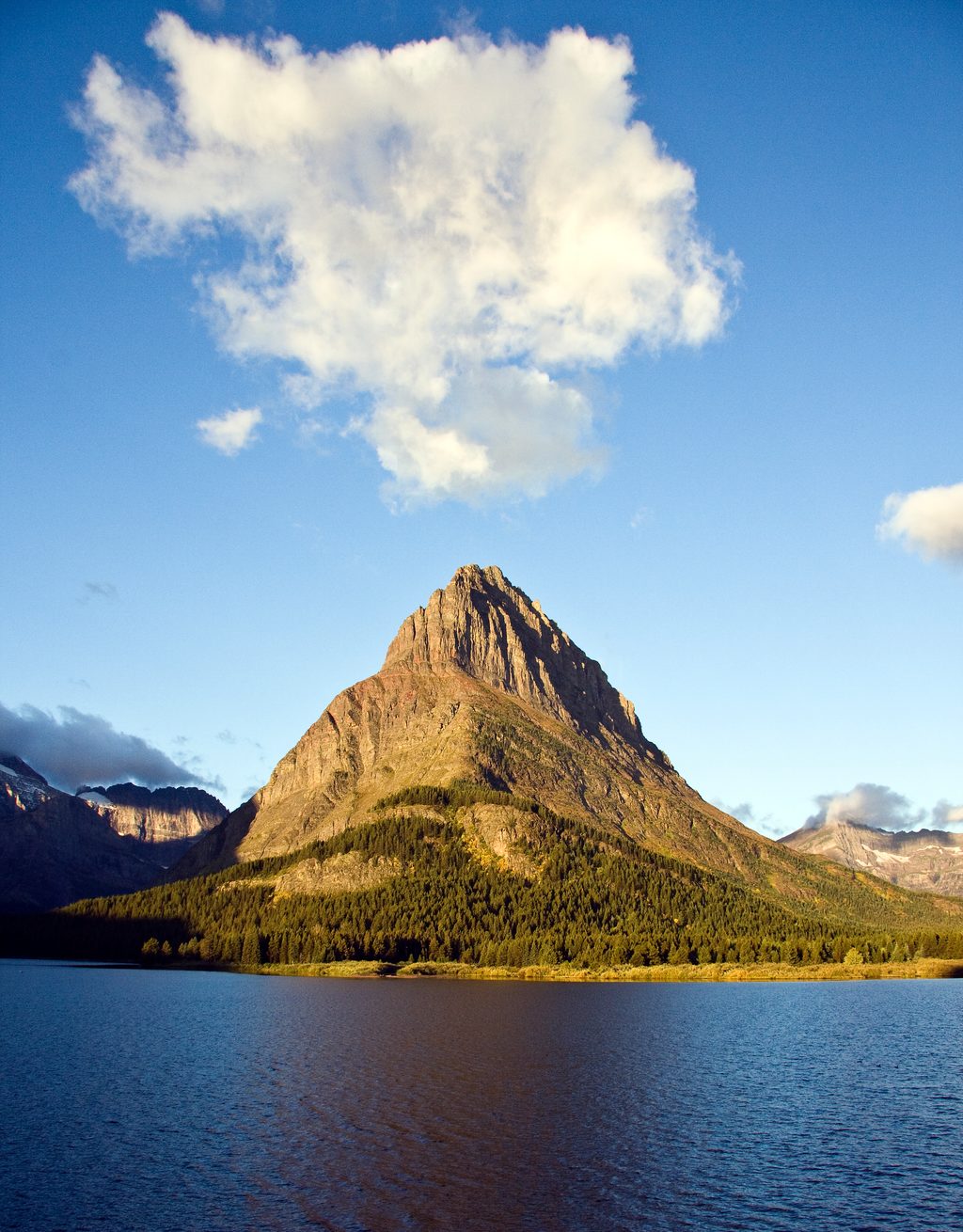
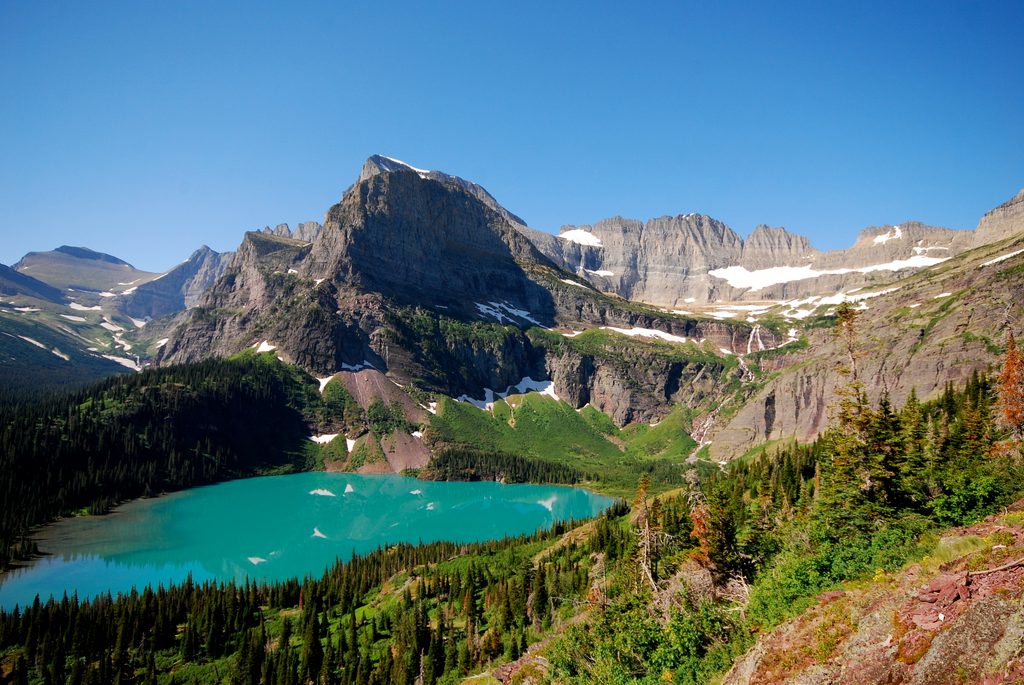
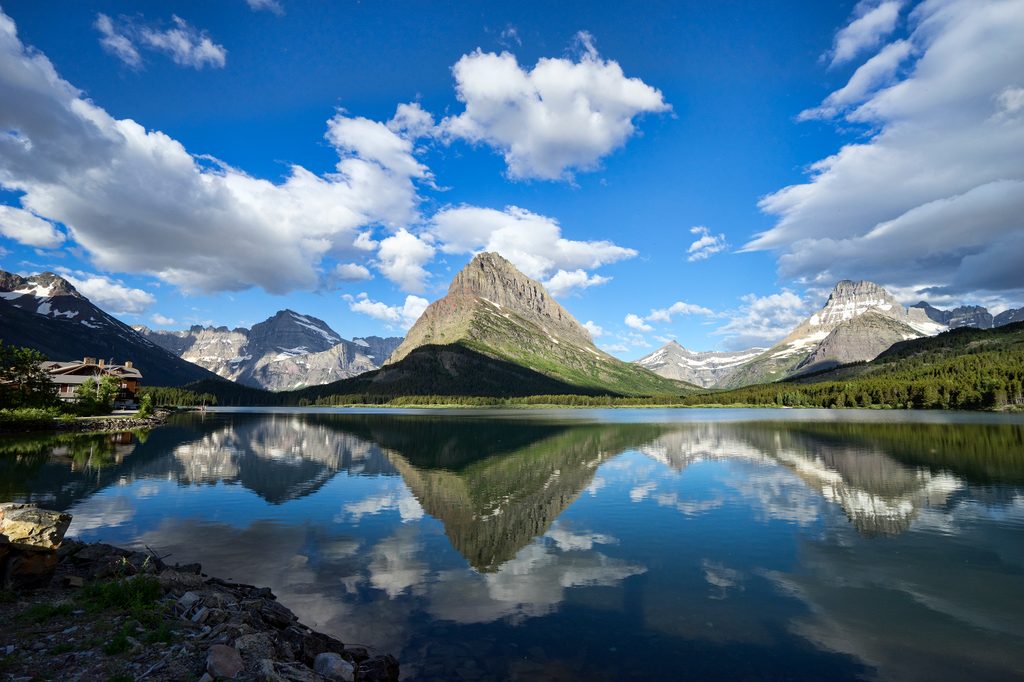
Rising to 8,855 feet in the heart of the Many Glacier region, Mount Grinnell is a classic Lewis Range summit with big-mountain feel. Its sharp eastern arm, Grinnell Point, often steals the camera from valley floors—and even hides the true summit from road viewpoints—so the peak itself is a little less obvious and a lot more rewarding once you’re on it.
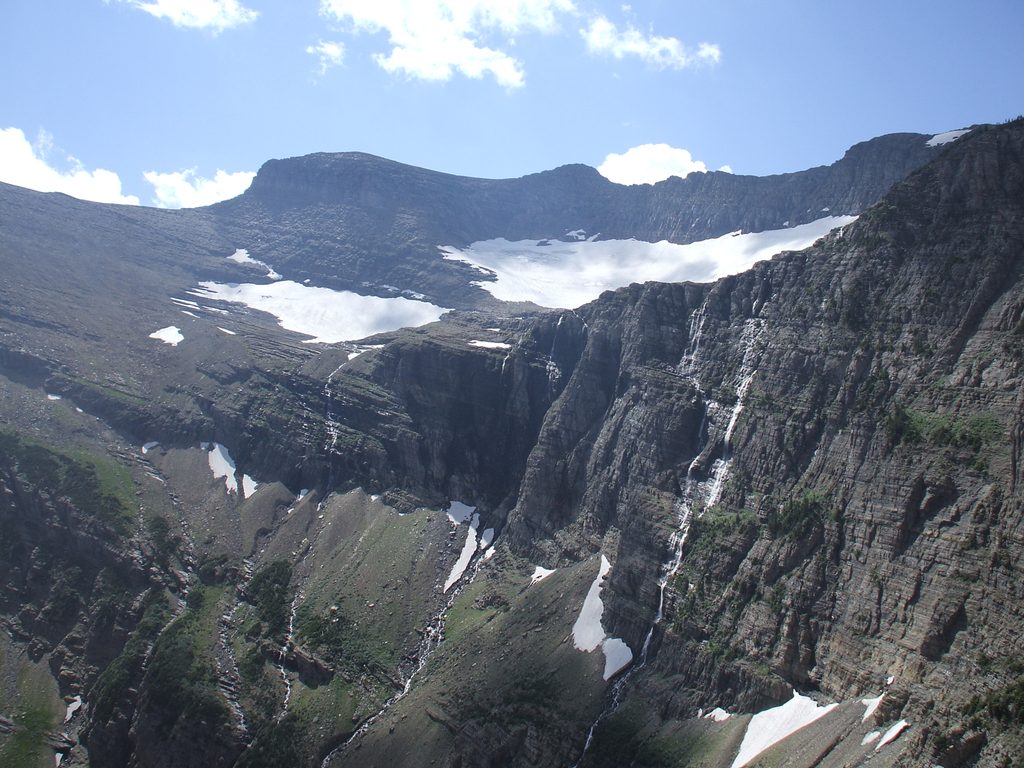
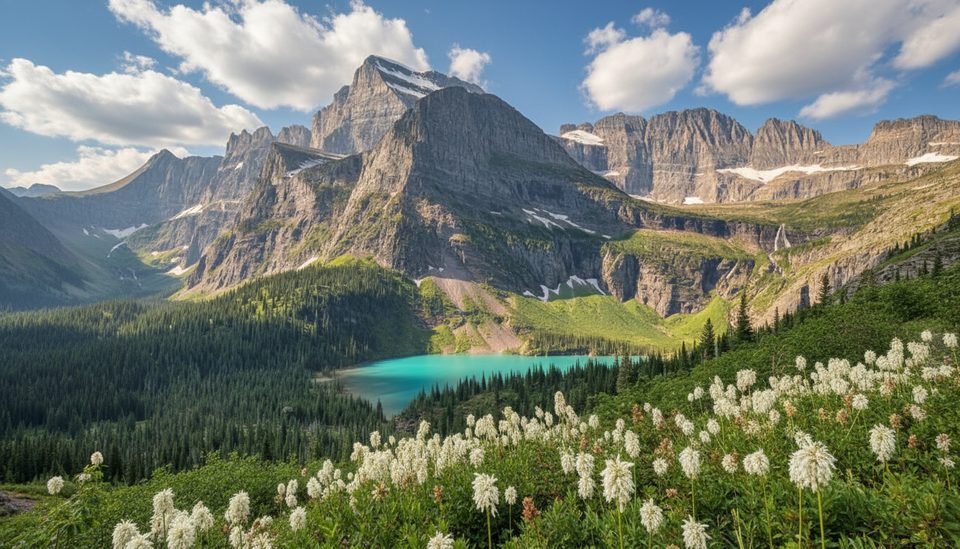
From the top and upper slopes, you’re ringed by the park’s greatest hits: Swiftcurrent Glacier to one side, Grinnell Glacier to the other, and a string of teal lakes—Swiftcurrent, Josephine, Grinnell, Redrock, Bullhead—laid out below. On clear days, the panorama stretches across the Many Glacier cirque and out toward distant sentinels like Chief Mountain.
There’s no signed “Mount Grinnell” trail. You reach it via established area trails and then a climber’s route: common approaches use the Highline/Granite Park Chalet corridor, the Grinnell Glacier Overlook area, or routes tied to Swiftcurrent Pass. Expect a true scramble: unmaintained, with intermittent use paths and decisions to make. It’s a choose-your-own-adventure that rewards good judgment.
Loose scree is the name of the game on sections of the ascent, and staying higher on the slope often keeps you on more stable ground. Some stretches feel exposed, so a steady head for heights helps. There are no amenities on the mountain—no water, no signage, no restrooms—so you’re fully self-reliant. Start early; summer afternoons commonly bring fast-moving storms.
Bighorn sheep are regularly seen on and around the mountain. This is quintessential Glacier backcountry—carry bear spray and give all wildlife plenty of space.
The peak—and nearby features—honor George Bird Grinnell, a key early advocate for the park. Mount Grinnell occupies a prime perch between Mount Gould and Mount Wilbur, with glaciers carving its flanks and classic Precambrian rock shaping its cliffs and cirques.
Sunrise to mid-morning is the sweet spot: softer light on the lakes and glaciers, calmer winds, and far fewer people. Aim for an early start during summer to beat both crowds on the approach trails and the almost-daily chance of afternoon thunderstorms.
Place · 0.8 mi away
Place · 1 mi away
Place · 1 mi away
Place · 1.1 mi away
Easy · 3 mi away
Challenging · 3 mi away
Easy · 3 mi away
Easy · 3 mi away

Parkwolf Tour Guide
