
Place · 0.3 mi away
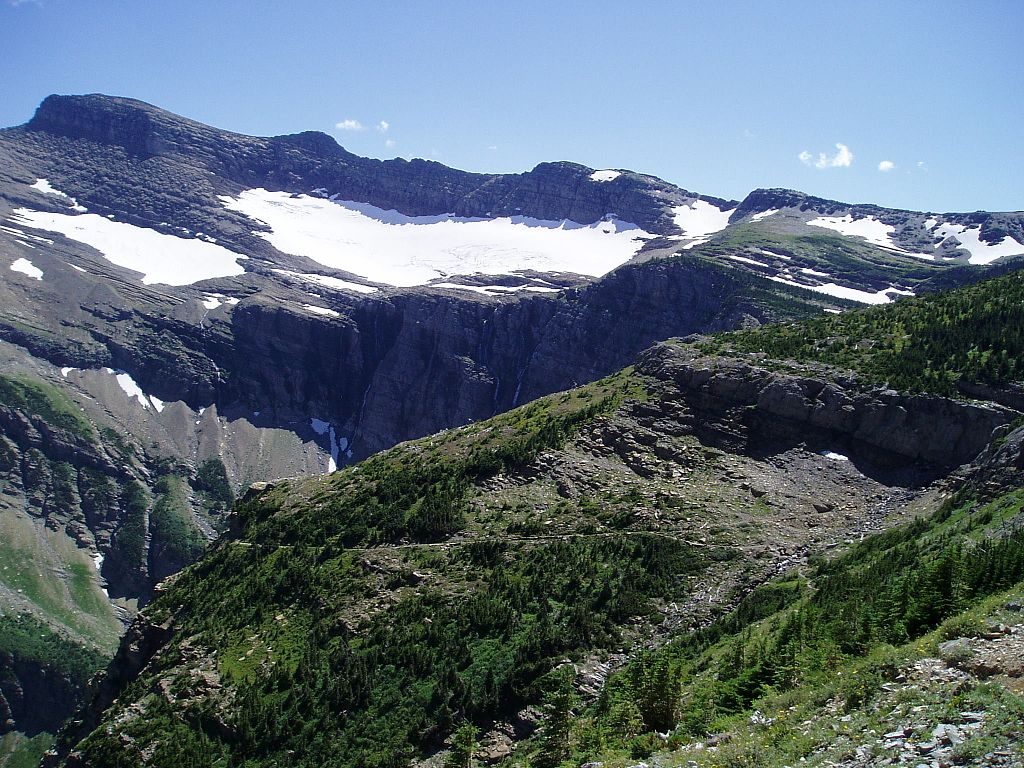
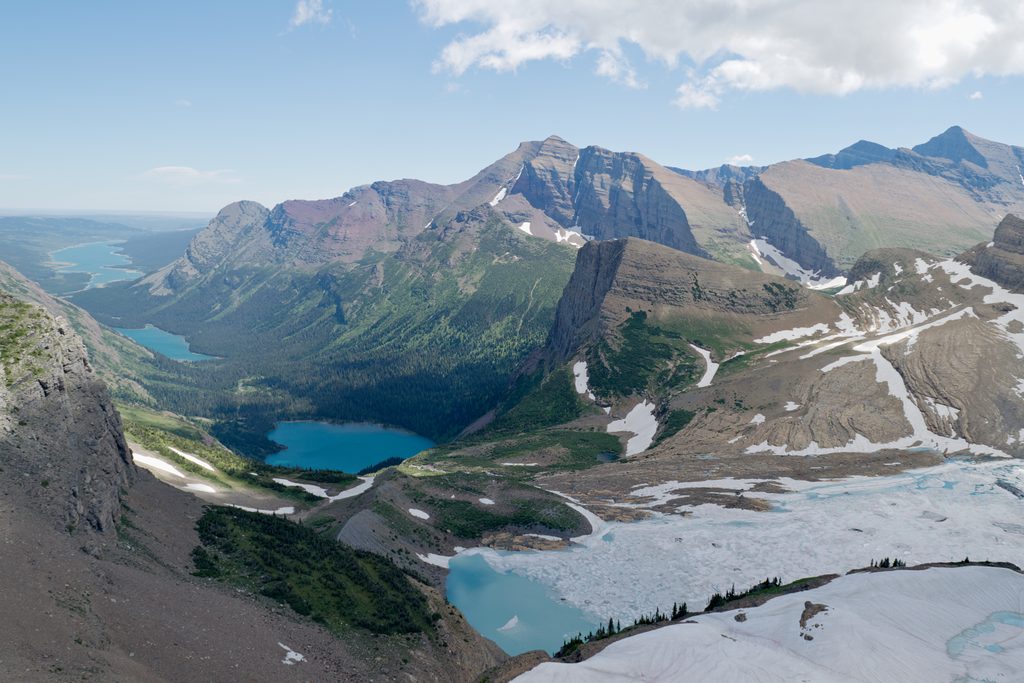
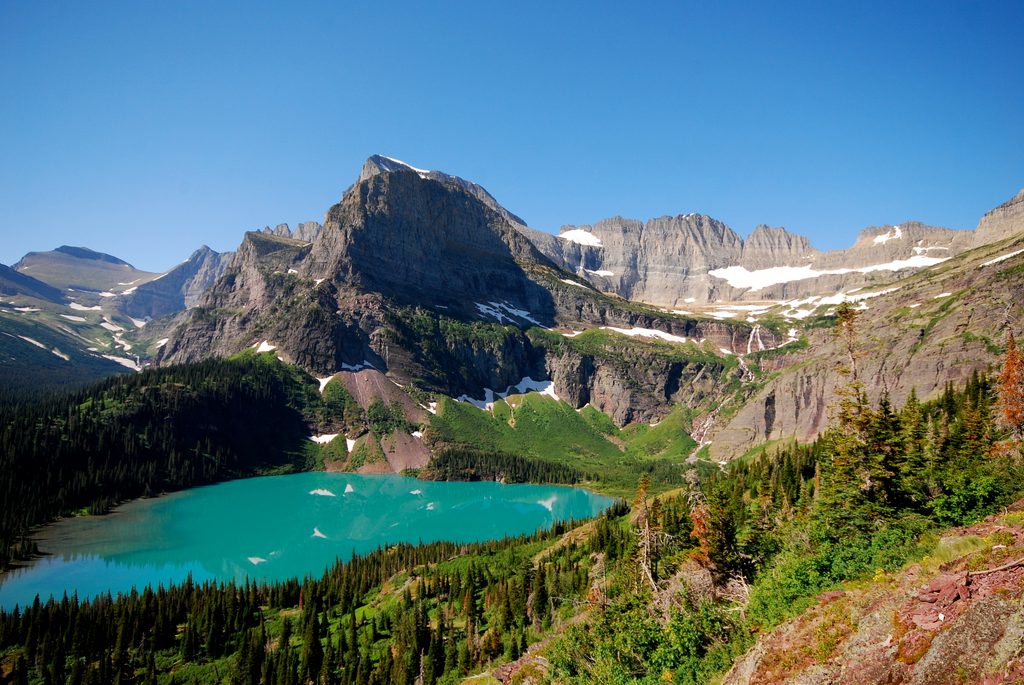
Swiftcurrent Glacier sits high above the Many Glacier valley, clinging to the cliffs near Swiftcurrent Pass. It’s one of the park’s modern alpine glaciers—small, receding, and a vivid, real-time lesson in climate—best appreciated from the Swiftcurrent Pass Trail as the valley funnels you toward the headwall. Expect a big-mountain feel: a chain of lakes, towering walls, waterfalls, and that unmistakable U-shaped valley carved by ancient ice.
Start from the Swiftcurrent Pass Trailhead at the far end of the Swiftcurrent Motor Inn parking area in Many Glacier. Early miles are friendly and rewarding, with short spurs to Fishercap and Redrock Lakes and on to Bullhead Lake—great places to scan for moose in willow flats and along shorelines. As you climb the headwall on switchbacks, the terrain gets serious: narrow tread, meaningful exposure (including the notorious “Devil’s Elbow”), and roaring cascades. This is where views of Swiftcurrent Glacier really deliver, perched above the cliffs near the pass.
At the pass, strong hikers can continue to the junctions for the Highline or Granite Park Chalet, or tack on the steep spur to Swiftcurrent Fire Lookout for sweeping vistas over peaks, lakes, and neighboring ice.
This valley is a master class in Glacier’s geologic story—1.4+ billion years of “silt, tilt, slide, and glide.” You’ll walk past colorful sedimentary layers laid down in an ancient sea, under mountains uplifted and shoved east along the Lewis Overthrust, and through terrain sculpted by Ice Age glaciers into classic cirques, horns, and that imposing headwall. Swiftcurrent Glacier itself likely grew during the Little Ice Age, and like others in the park, it’s been retreating—an on-the-ground indicator of a warming climate.
Make no mistake: this is a strenuous day with significant elevation gain and exposure. Many hikers turn around partway up the headwall if time, weather, or heights become an issue. This is prime bear and moose country—make noise, carry bear spray, and give wildlife space.
This is not a winter route. Snowfields can linger into May and June; early season travel requires extra caution. Weather is changeable at the pass—bring layers. Cell service is unreliable in the Many Glacier area. Many Glacier Road typically closes for the season around the third weekend in November, weather permitting. For 2025, note that Many Glacier Campground is closed for major work; plan staging accordingly.
Start at first light to grab parking, enjoy calm conditions on the headwall, and get flattering light on the cliffs and glacier. Mid to late summer into early fall usually offers the most reliable trail conditions and long daylight. Always check current trail status and any construction-related changes before you go.
With the campground closed in 2025, nearby alternatives like St. Mary or Two Medicine can work as bases. There’s no reliable cell service in the valley, so download maps and let someone know your plan. Pack the 10 Essentials, and always verify conditions and any closures the day before your hike.
Place · 0.3 mi away
Place · 0.7 mi away
Place · 0.9 mi away
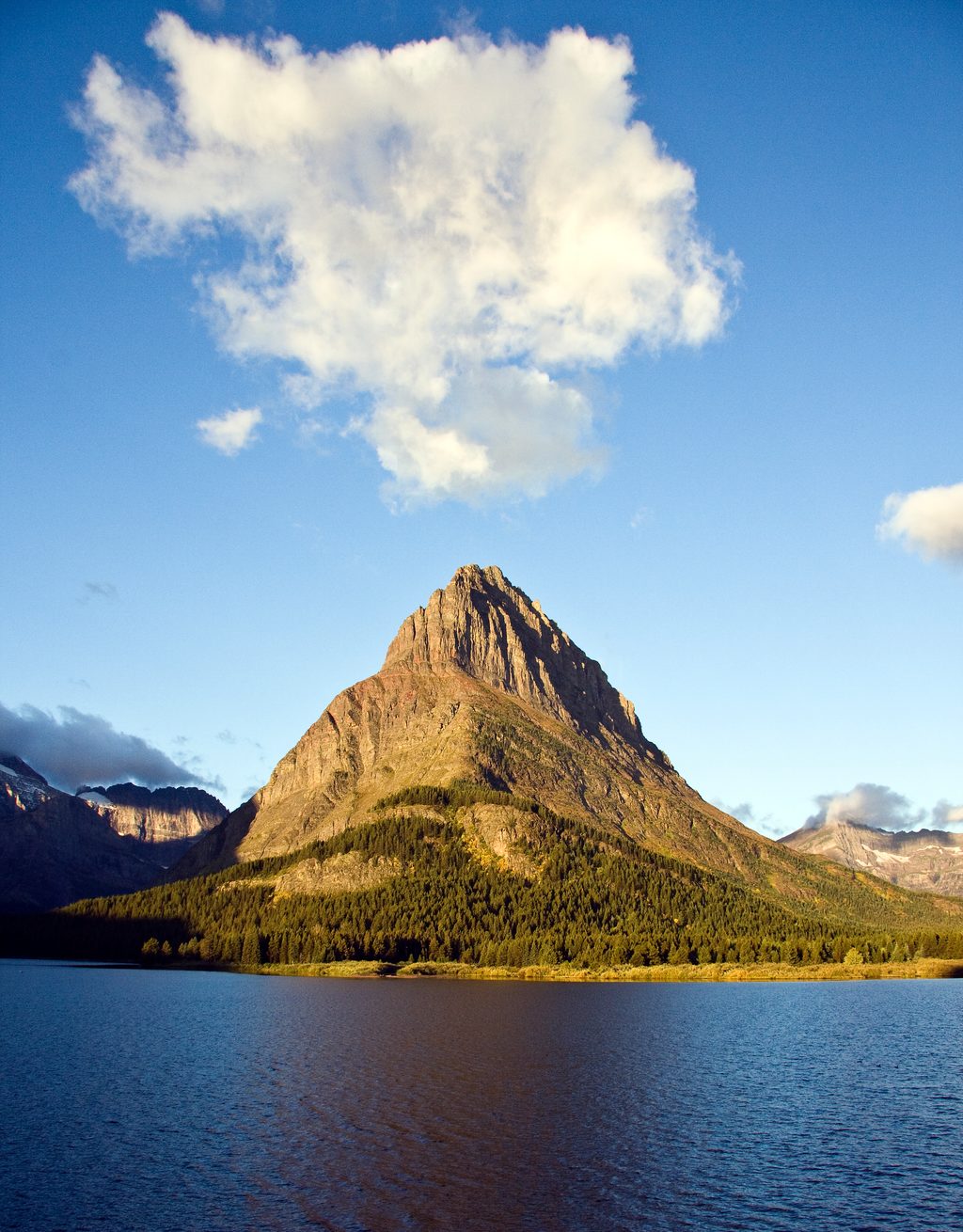
Place · 1 mi away
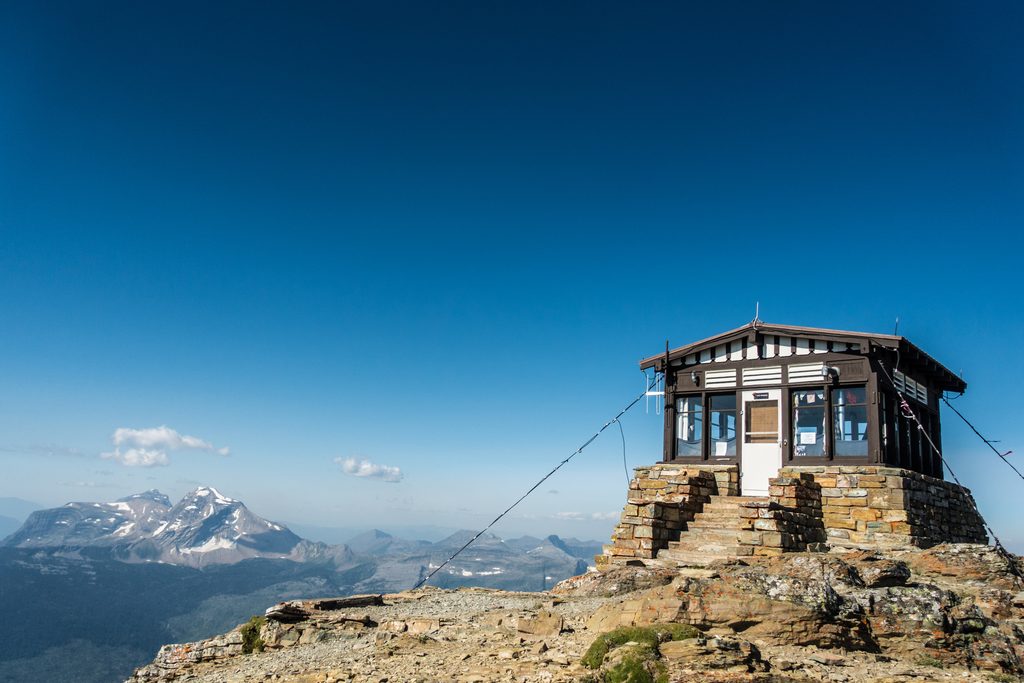
Challenging · 2.7 mi away
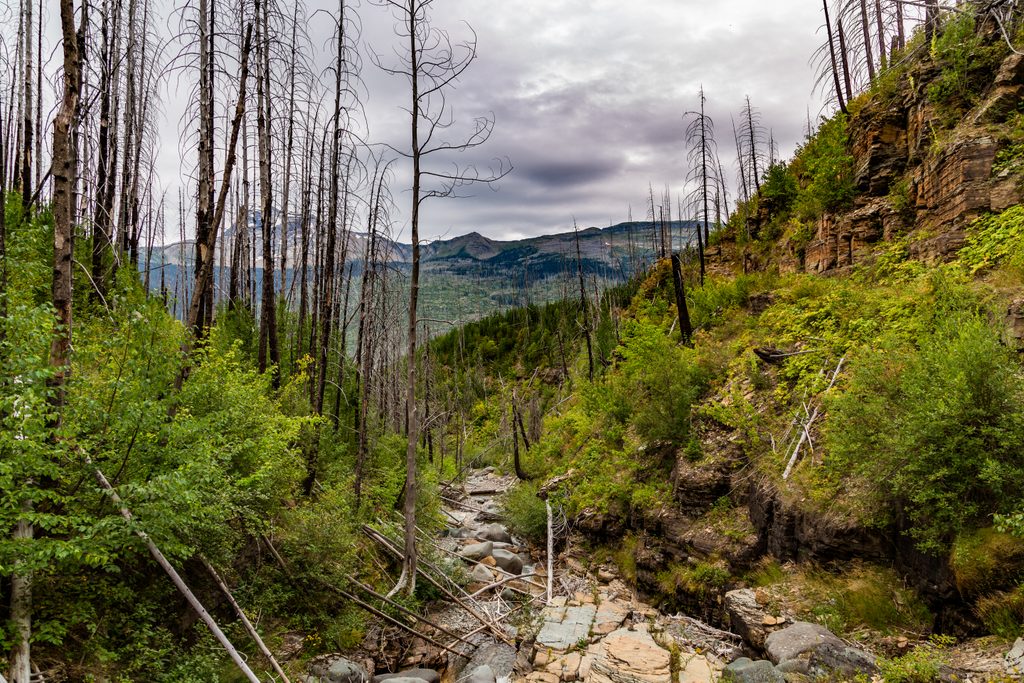
Challenging · 2.7 mi away
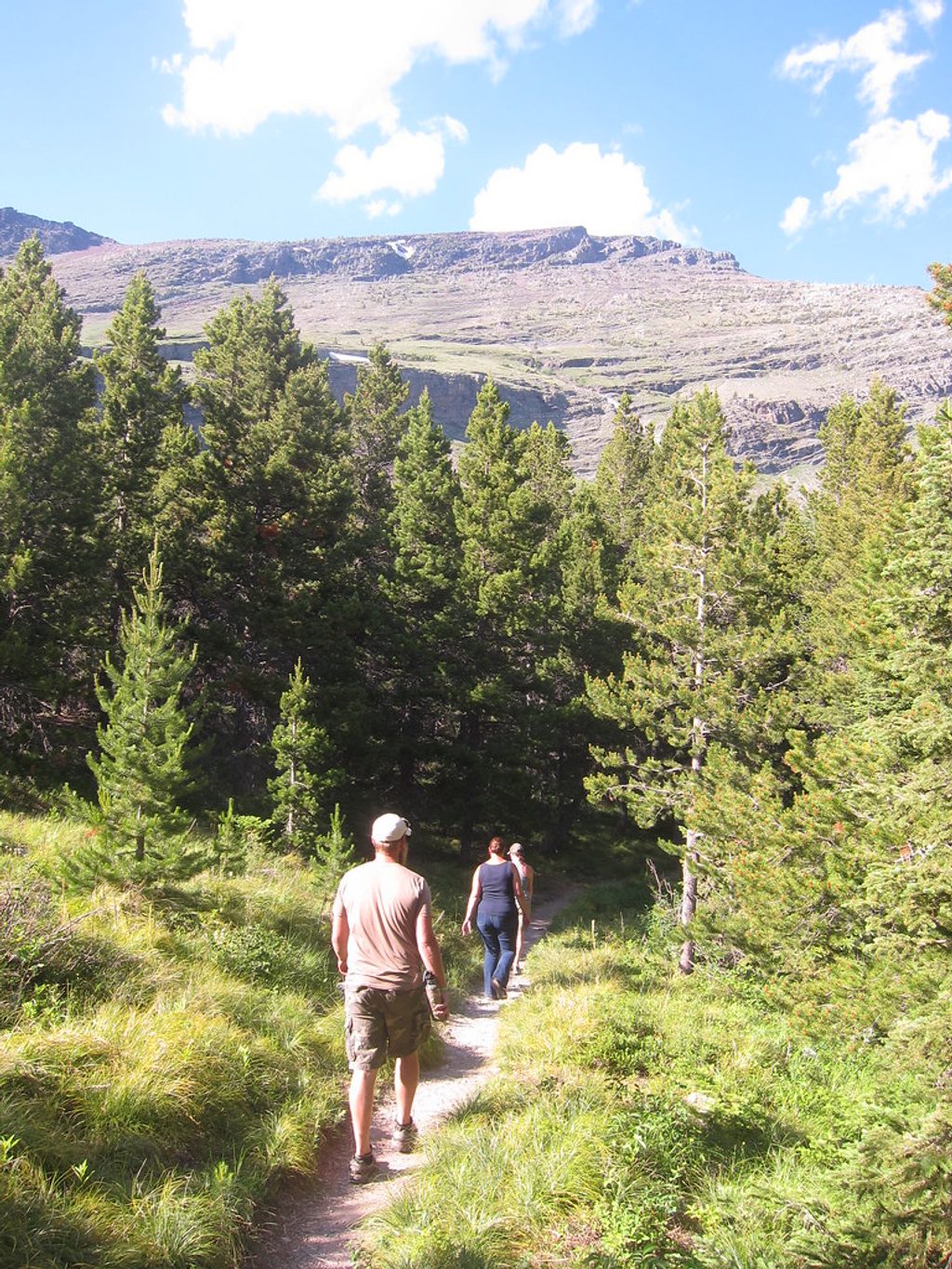
Easy · 4 mi away
Challenging · 4 mi away

Parkwolf Tour Guide
