
Place · 0.6 mi away
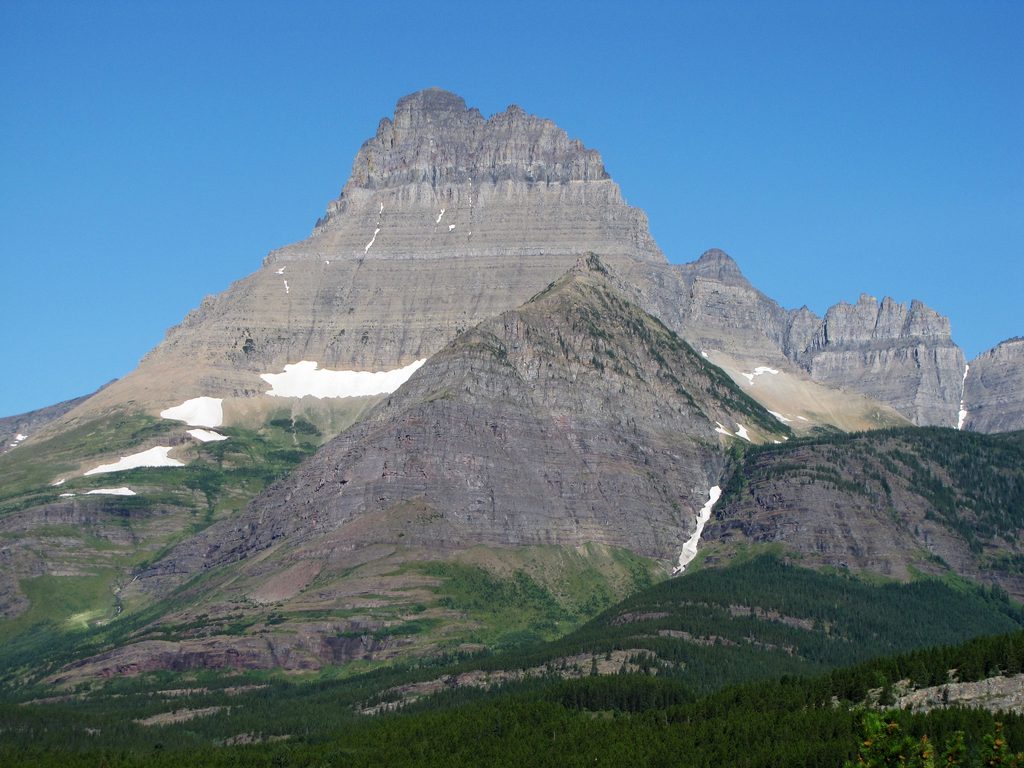
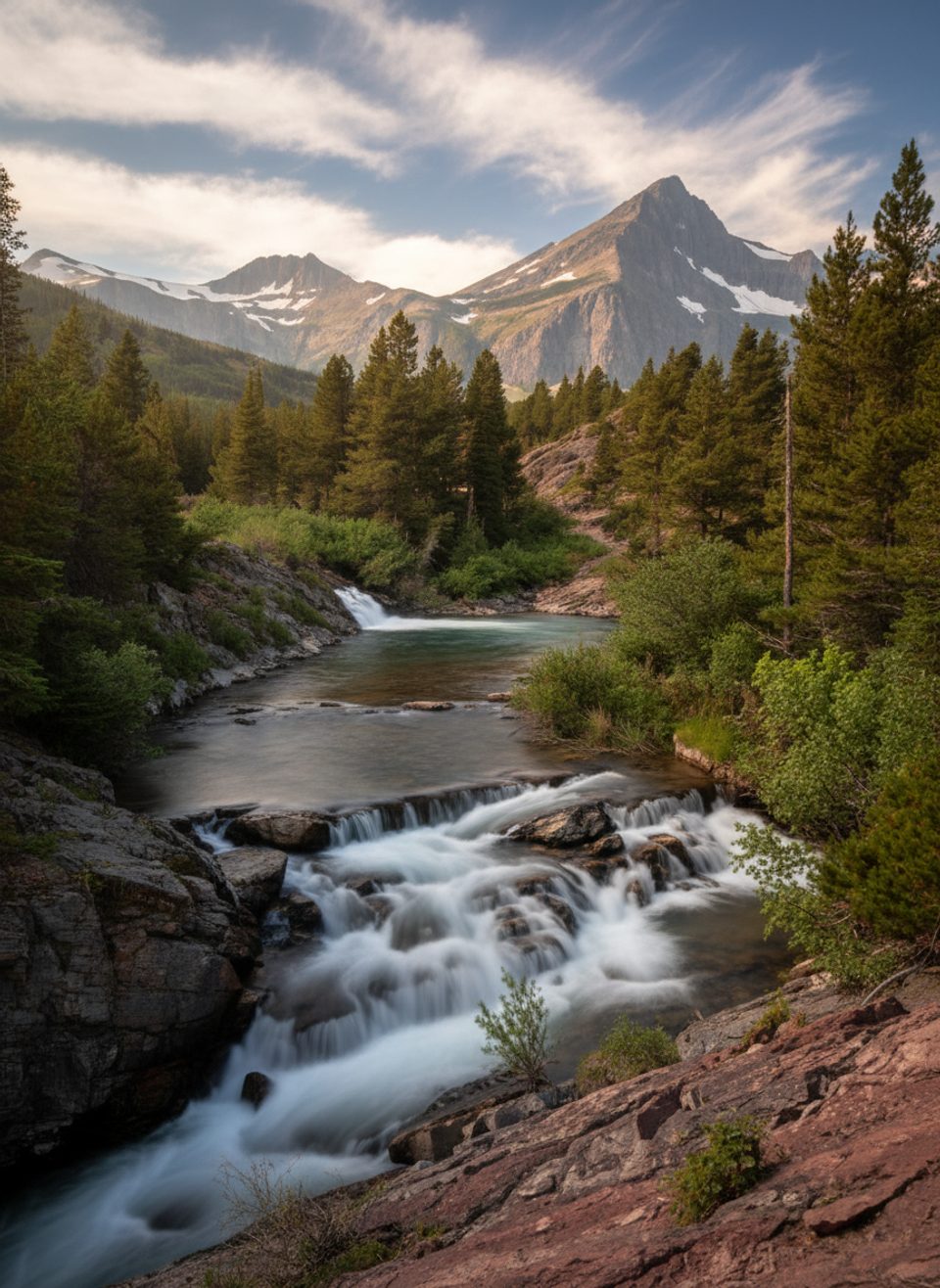
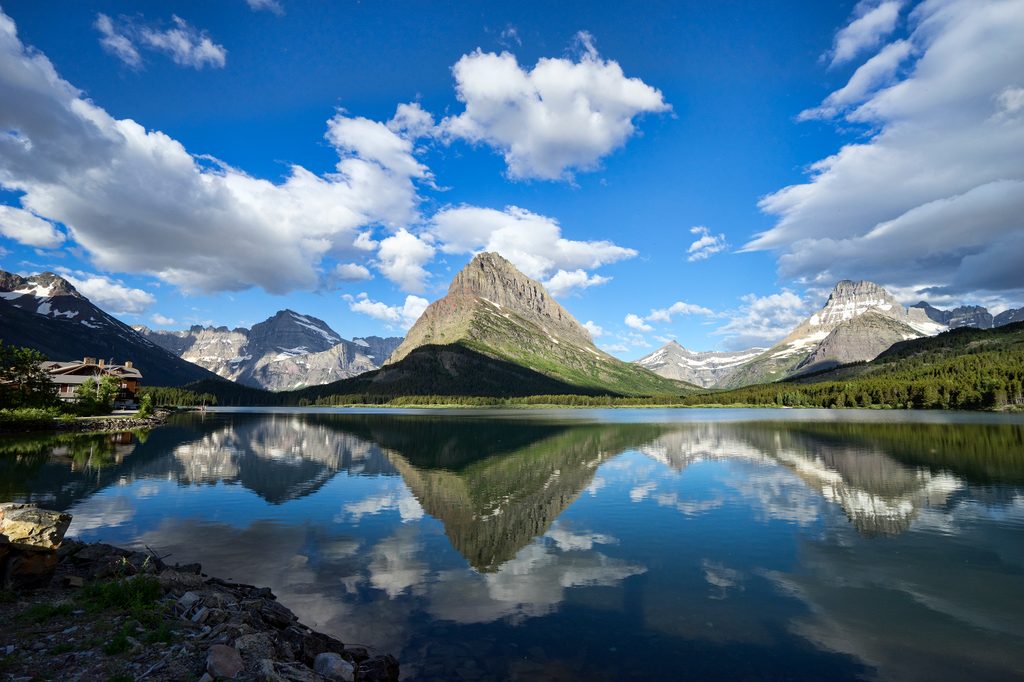
Mount Wilbur dominates the Many Glacier skyline—an angular, three-sided pyramid with a fierce east face that keeps climbers honest and photographers happy. You’ll spot it easily from the Swiftcurrent area and along the Iceberg Lake Trail, where its walls rise abruptly above the valley.
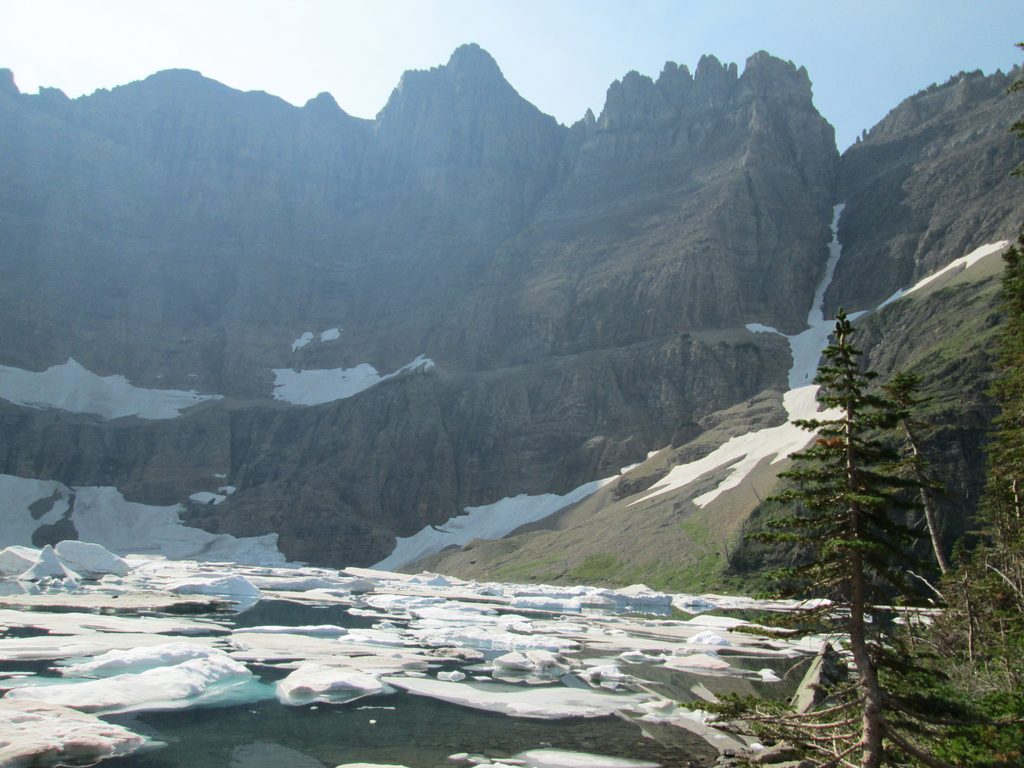
From the valley and Iceberg Lake, Wilbur looks like a freestanding fin. Up close, the face is cut by ledges, chimneys, and a striking dark rock band that slices through the upper cliffs. Expect sweeping views over Iceberg Lake’s cirque and the Many Glacier basin when weather cooperates.
This is not a hiking objective. Standard east-face lines (including Thin Man’s Pleasure) involve sustained Class 4 to low Class 5 terrain with loose rock, exposure, and tricky route-finding. Thin Man’s Pleasure is famous for a chockstone “hole” squeeze and a traverse across a solid, dark diorite band that many parties consider the best rock on the route. Helmets are a must; many teams carry a short rope and a light rack for the squeeze, exposed ledges, and a rappel on descent. Strong parties sometimes complete it car-to-car in a long day; conditions, rockfall, and route-finding dictate the pace.
Wilbur is carved from ancient Belt Supergroup rocks—mostly limestone—with that conspicuous igneous sill (the dark band) adding texture and grip. The mountain’s sharp form and the basin holding Iceberg Lake were sculpted by ice: Pleistocene glaciation carved the U-shaped valleys, arêtes, and cirques you see today, while modern park glaciers have been shrinking markedly over recent decades.
Many Glacier is prime bear country. Grizzlies and even moose use the approach drainages, especially when berries are in. Carry bear spray, make noise, travel in groups when possible, and check current closures before committing—trail and area shutdowns happen here.
Access is from the east side of the park via the Many Glacier Entrance. Approaches typically begin on the Swiftcurrent trail network (often toward Red Rock Falls or the Iceberg/Ptarmigan corridor) before leaving the trail for Wilbur’s east basin. There’s no shuttle service into the valley; plan to drive yourself and sort parking early in peak season.
Mid to late summer into early fall is the sweet spot for climbers, once seasonal snow has mostly melted off the east face. The park’s busiest months are July and August—start early for parking, cooler temps, and a safer window before afternoon weather or rockfall picks up.
Place · 0.6 mi away
Place · 1.1 mi away
Place · 1.3 mi away
Place · 1.5 mi away
Easy · 3.3 mi away
Challenging · 3.3 mi away
Easy · 3.3 mi away
Easy · 3.3 mi away

Parkwolf Tour Guide
