Point Sublime

Remote North Rim promontory with sublime 360-degree canyon views
Point Sublime, Grand Canyon National Park
InsideGrand Canyon National Park

Overview

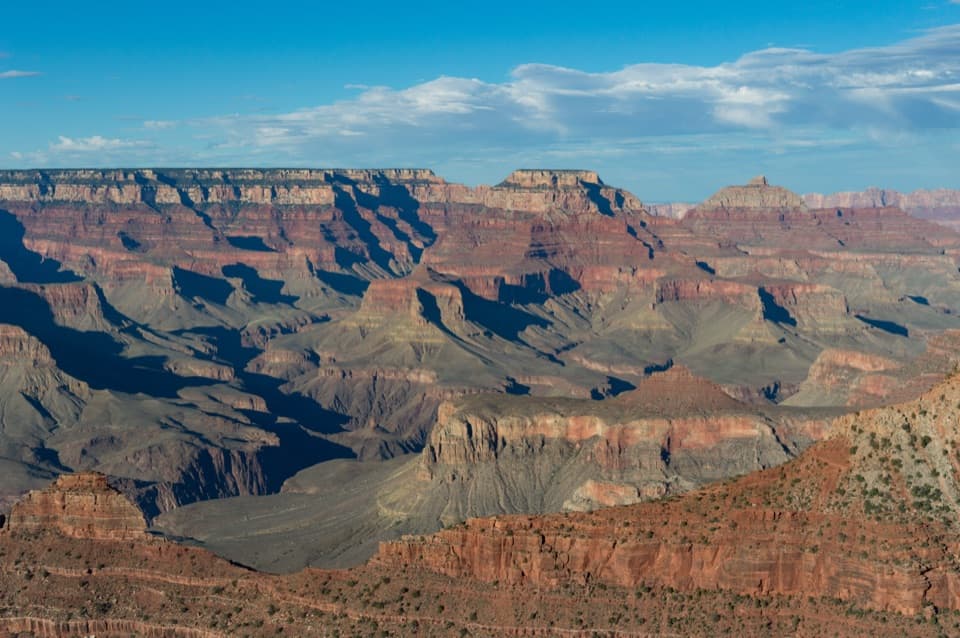
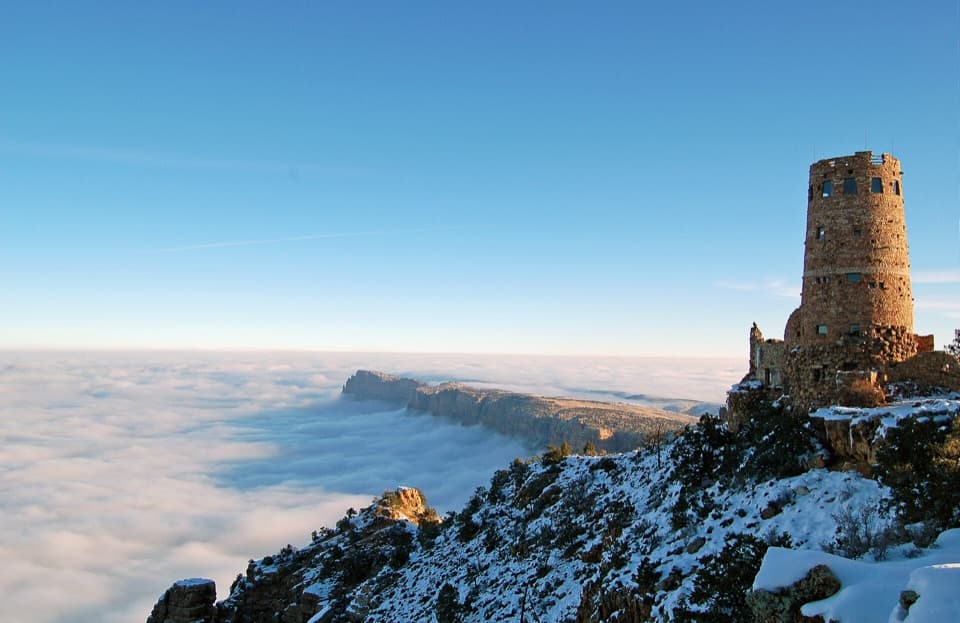
Point Sublime is the North Rim’s wild card: a remote promontory that juts into the abyss with sweeping 270–360° views, sheer drops on both sides, and a level of quiet you rarely get anywhere along the rim. It’s a choose-your-own-adventure kind of viewpoint—raw, undeveloped, and jaw‑dropping.

Why it stands out

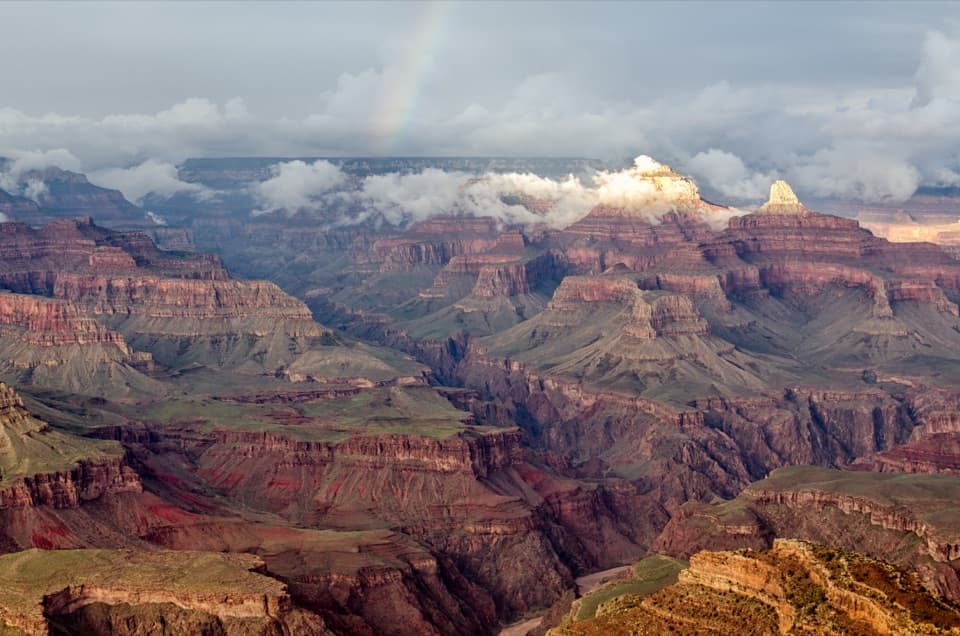
From this peninsula-like perch you can wander along rock outcrops for shifting perspectives of spires, buttes, and layered cliffs. On clear days you may spot the Colorado River far below and even catch distant whitewater. Photographers love the dramatic light here, especially around sunset and during stormy monsoon days.

Getting there

Reaching Point Sublime is half the story. Expect roughly 18 miles of rough dirt road from the North Rim developed area (alternate forest routes exist) with sharp rocks, sandy silt, off-camber sections, downed trees, and drop‑offs. A high‑clearance 4x4 and confident off‑pavement driving are strongly recommended. These roads can become impassable when wet or snowy—check conditions before you go and don’t force it.

What to expect on site

There are no facilities—no water, no toilets, no shelter. The road ends at a small area where people park and fan out on foot along the point. You’ll likely have it nearly to yourself, which is exactly the appeal.

Camping

Dispersed camping is allowed at Point Sublime with a backcountry permit. If you’re prepared and the weather cooperates, an overnight here can be unforgettable—stars overhead, canyon all around, and sunrise from your tent.

Wildlife

The forested approach and quiet setting increase your odds of seeing typical North Rim wildlife—think mule deer, elk, Kaibab squirrels, and various birds—especially at dawn and dusk along the meadows and pines.

Best time to visit

  • Season: Late spring through summer offers the best shot at dry, passable roads. Avoid or be very cautious during/after storms and in snow.
  • Day of week: Weekdays are even quieter, but this spot is rarely crowded.
  • Photography: Early and late light is gorgeous; monsoon season can deliver dramatic skies, but it also makes roads riskier.

Know before you go

Bring plenty of water, food, extra fuel, navigation (offline maps), and recovery gear. Plan for a slow, bumpy approach, and turn around if conditions deteriorate. The remoteness is the charm here—treat it with respect and you’ll be rewarded.

Pros

  • Panoramic 270–360° canyon views with occasional glimpses of the river
  • True solitude far from the busy overlooks
  • Backcountry camping allowed with a permit

Cons

  • Long, rough 4x4 drive that can be impassable when wet or snowy
  • No services—bring all water, food, fuel, and essentials

Tips

  • Use a high‑clearance 4x4 and check road conditions before departing.
  • Carry extra water, food, fuel, and offline maps—there are no services.
  • Allow 1.5–2 hours each way for the rough 18‑mile drive.
  • Consider alternate forest routes if main park road conditions are poor.
  • Get a backcountry permit in advance if you plan to camp at the point.
The Parkwolf tour guide sitting on a phone mounted in a car

Parkwolf Tour Guide

Like a tour guide in your car.

Save the places you found around Grand Canyon, then let Parkwolf guide the drive between them.Download Parkwolf on the App Store