
Place · 0.1 mi away
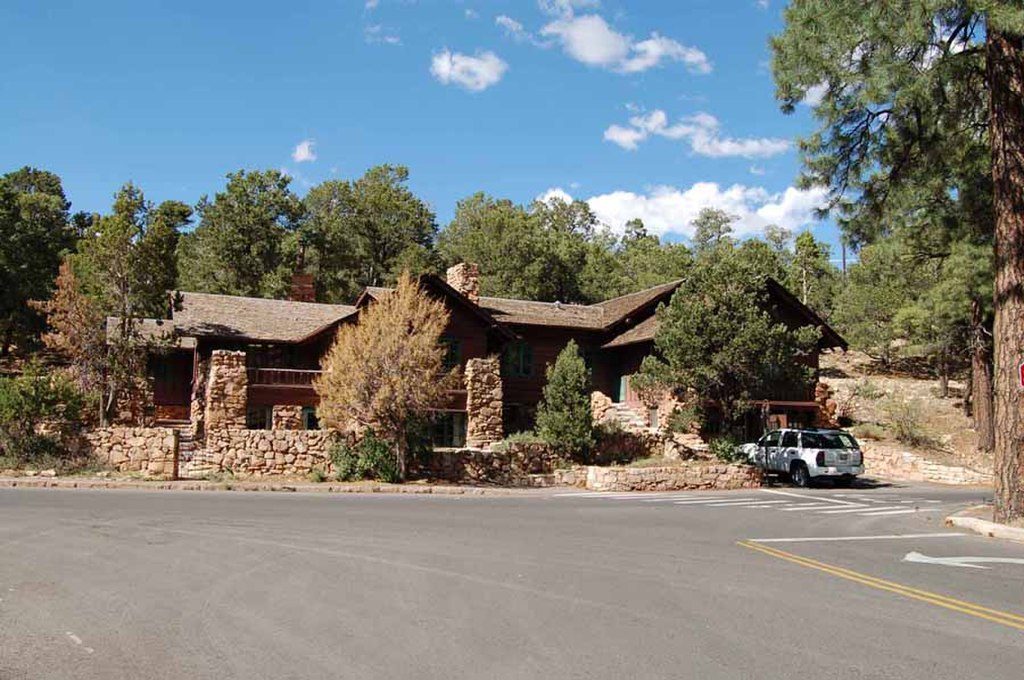
A short stroll from the South Rim in Grand Canyon Village, the Superintendent’s Residence is a standout piece of early park "parkitecture"—worth a pause if you like history and design. You’re here for the exterior: rugged stonework, wood-clad upper level, and those low, sheltering rooflines that helped define how national parks would build in harmony with their settings.
Built in 1921 as the park’s first headquarters, later converted to the superintendent’s home, this building helped set the blueprint for administrative architecture across western parks. It’s a major contributing property within the Grand Canyon Village National Historic Landmark District.
From the outside, note the stone first floor, wood-framed upper story, dark brown paint with green trim, rows of windows, and broad, low-pitched roofs. There’s an on-site interpretive marker that explains the building’s role in the Historic District. The interior isn’t open—today it’s used for administrative offices—so plan on a quick, appreciative look as part of a Village walk.
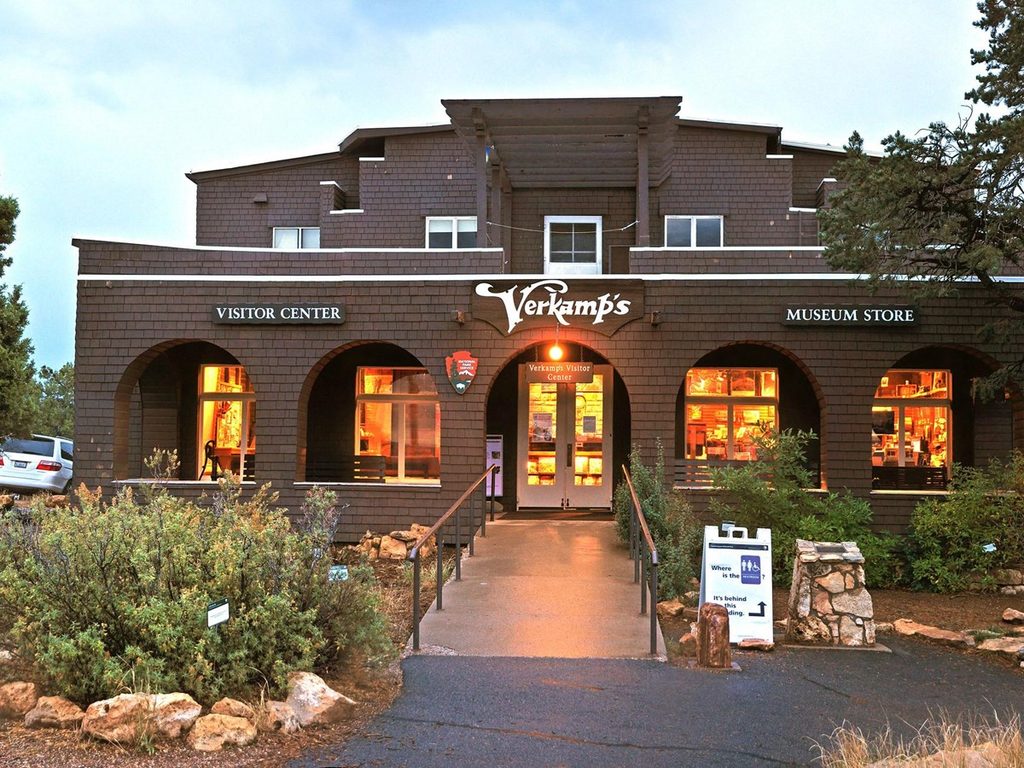
Think of this as a historic waypoint amid heavy hitters like Verkamp’s Visitor Center, El Tovar Hotel, and Lookout Studio—all close by. There are no restrooms or services in the building itself; use facilities elsewhere in the Village. Parking in peak season can be tight, so walking or using the free shuttles is the smoothest move.
If you’re into park history or architecture, yes—fold it into a self-guided Village circuit. If you’re chasing big canyon views, this is a brief, nice-to-have add-on rather than a destination.
Place · 0.1 mi away
Place · 0.1 mi away
Place · 0.1 mi away
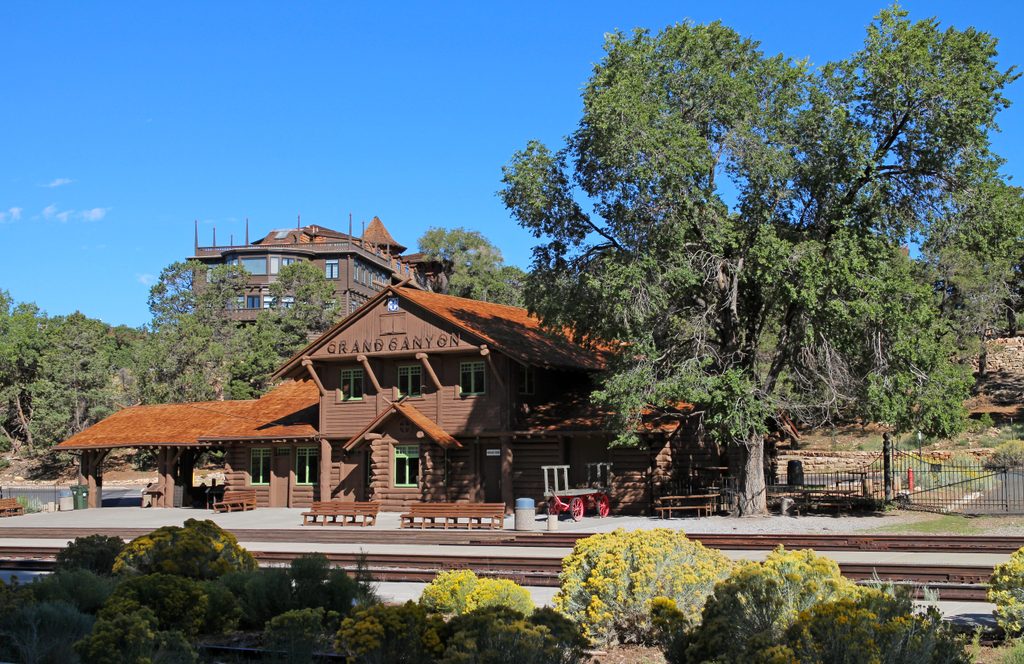
Place · 0.1 mi away
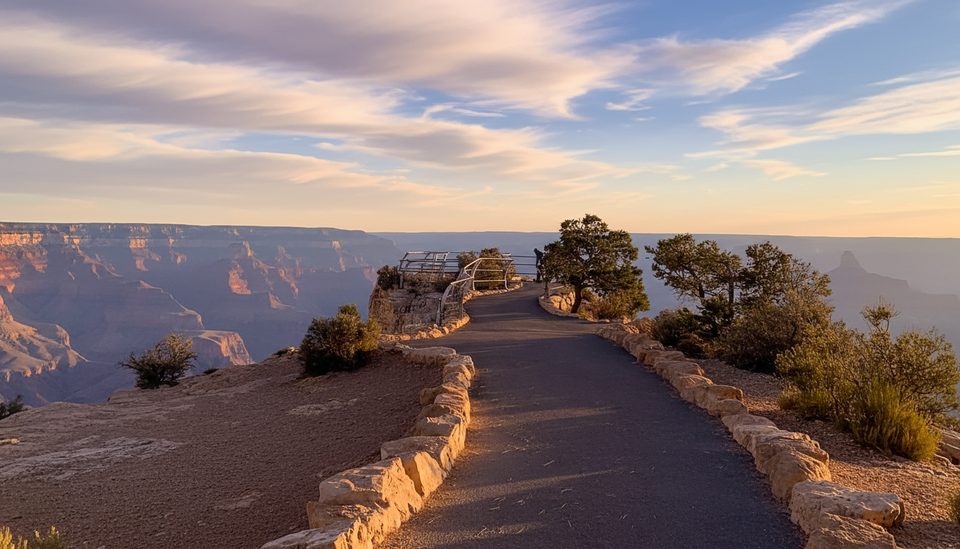
Easy · 0.5 mi away
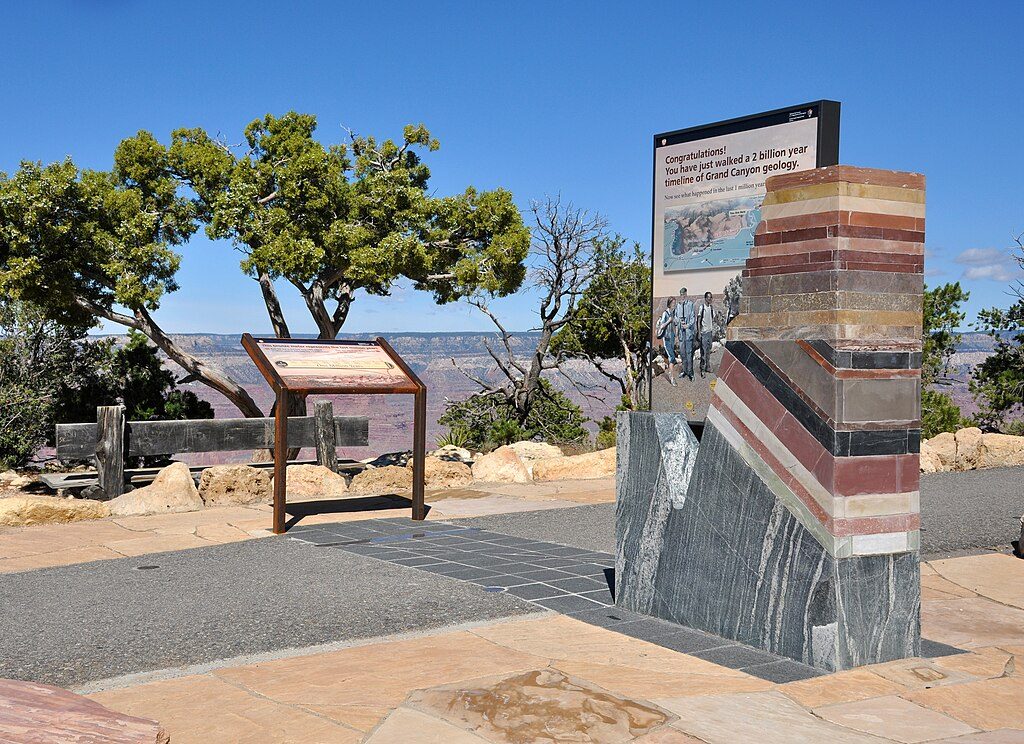
Easy · 1.2 mi away
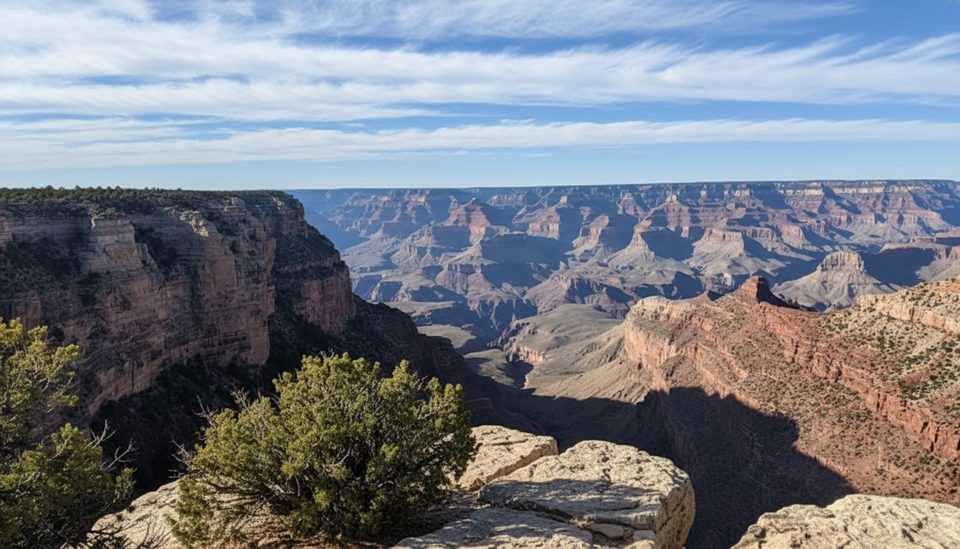
Easy · 2.5 mi away
Easy · 2.6 mi away

Parkwolf Tour Guide
