
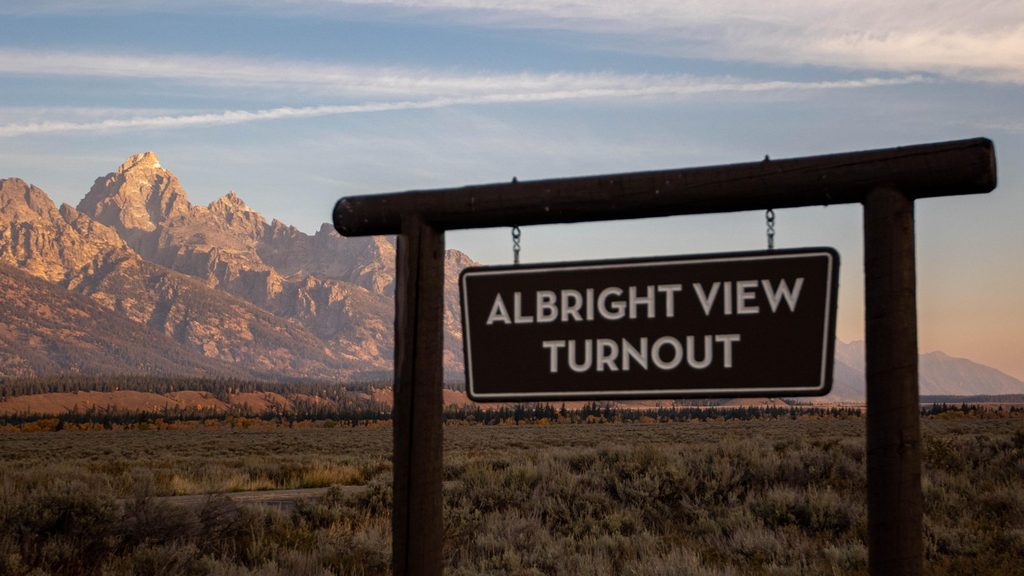
Place · 1.2 mi away
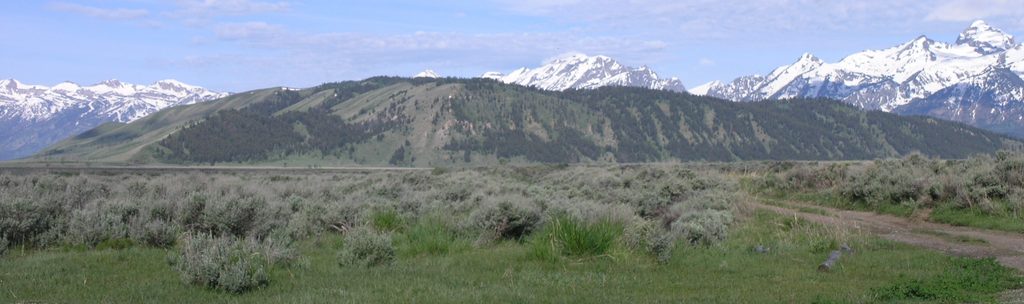
Blacktail Butte rises out of the Jackson Hole valley as a heavily forested ridge with pockets of aspen and broad rock outcrops. Topping out around 7,688 feet, it delivers sweeping views across the valley to the Teton Range. It’s a quieter alternative to the park’s headline hikes, but it doesn’t hand you the views—you earn them on a steep, straightforward climb.
Unlike most valley hikes here, Blacktail Butte combines a tough hill climb with a legit sport‑climbing area on its sedimentary walls. It’s also a wildlife hot spot—mule deer gave the butte its name, elk migrate nearby on their way to the refuge, and a wolf group associated with the area has been documented.
Trails head up quickly through fir and spruce with scattered aspen, offering shady stretches and occasional openings. Expect a direct grind with minimal switchbacks before the ridge grants those big‑sky vistas of the Tetons and sage flats below. It’s under the radar compared to marquee trails, making it a solid pick if you want views without the parade of people.
The west side hosts established, bolted routes that attract day‑trip climbers looking for approachable sport lines. It’s a convenient way to squeeze in a climbing day amid a broader Teton visit—bring a standard sport rack and confirm route details and any seasonal advisories before you go.
This is prime mammal country. Mule deer and pronghorn frequent the sage, bison roam the flats, and elk move through in numbers during migration. Bears and wolves are possible—give all wildlife plenty of space, carry bear spray, and keep your head on a swivel, especially at dawn and dusk.
At the base, the open meadows and historic ranch corridor offer classic valley‑to‑peaks compositions, often with grazing bison. On the butte itself, you’ll find layered views east and west; fall lights up the aspen pockets, and spring brings wildflowers.
Access is from US‑26/89/191 north of Moose Junction. There’s a small pull‑off/parking area and a signed trailhead—but no facilities. No toilets, no water, no frills. Come prepared and self‑sufficient.
The ascent is steep and sustained—wear real hiking shoes, pace yourself, and be cautious on loose sections. Carry bear spray, make noise in dense timber, and observe wildlife from distance. Climbers should respect closures and minimize noise at the crag.
Place · 1.2 mi away
Place · 1.7 mi away
Place · 1.8 mi away
Place · 1.8 mi away
Easy · 1.9 mi away
Moderate · 4.1 mi away
Easy · 4.1 mi away
Easy · 4.1 mi away

Parkwolf Tour Guide
