
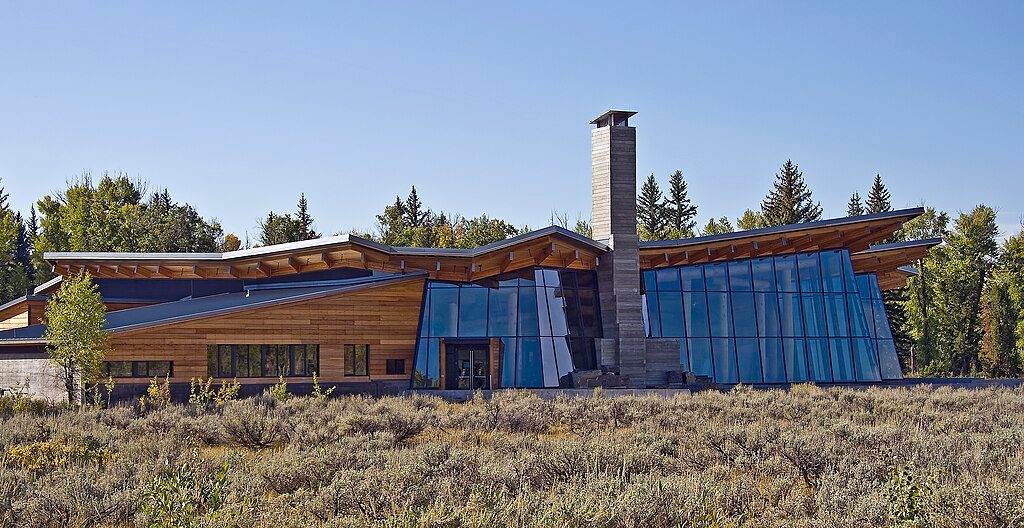
Place · 0.5 mi away
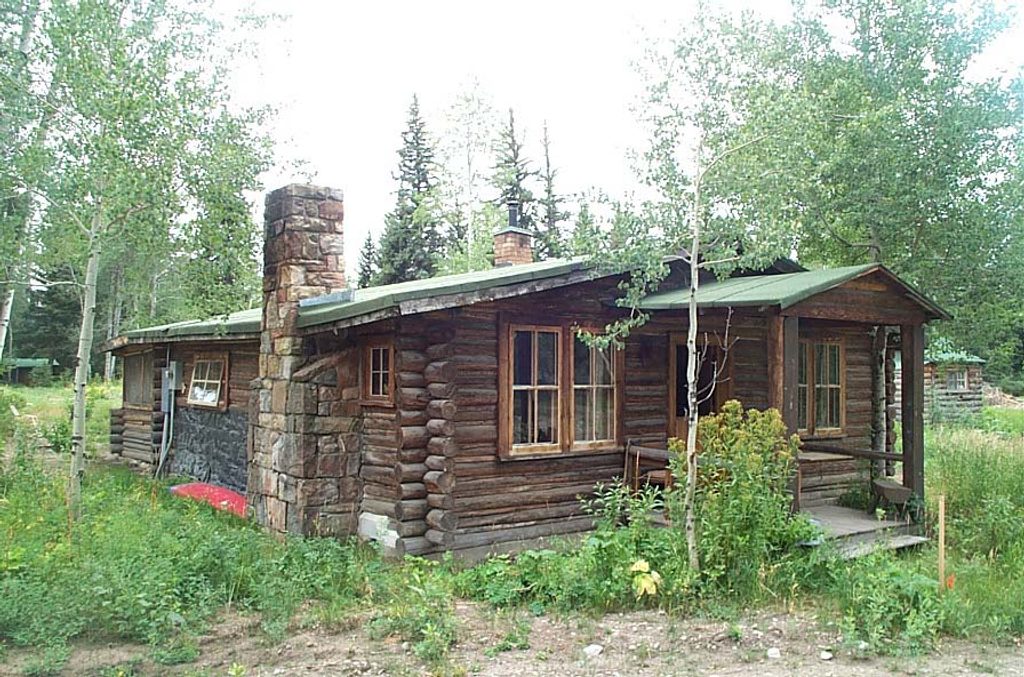
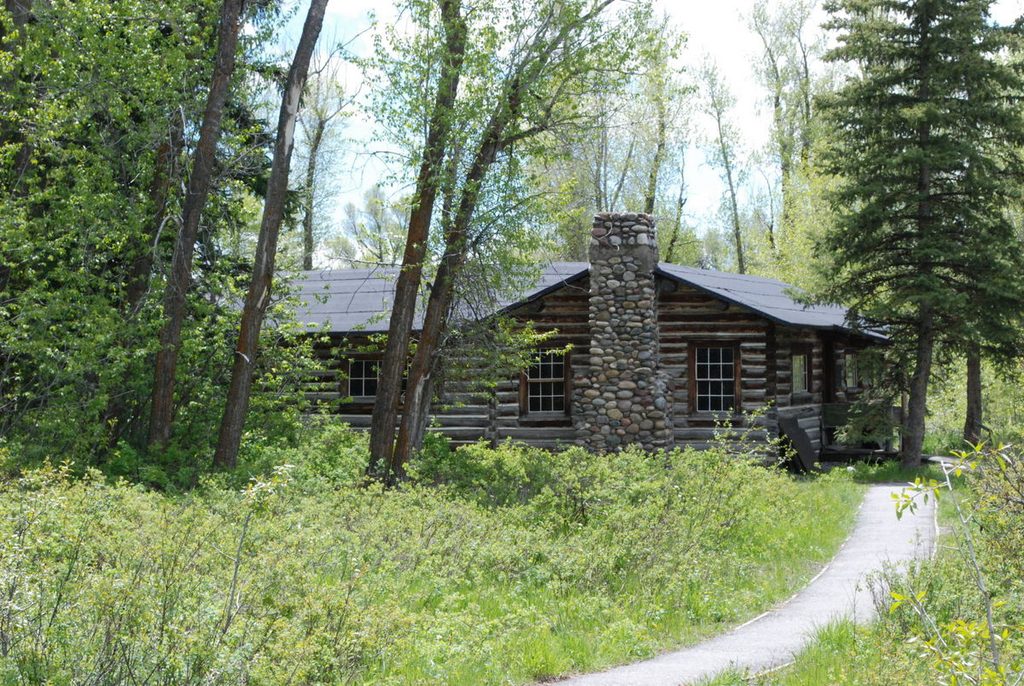
Tucked just west of Moose, this National Historic Landmark is a serene cluster of rustic cabins where the Muries lived and worked—and where the ideas that shaped the 1964 Wilderness Act took form. Set at the meeting of sagebrush, forest, and river habitats, the ranch feels worlds away from the park’s busy corridors.
Expect a walkable historic campus of 17 cabins, including the Murie Residence and work spaces, framed by sage meadows and cottonwoods. The grounds are well kept and calm—perfect for lingering photos, reading a wayside, or simply soaking up the place where so much conservation thinking began.
This is the home base of Olaus and Mardy Murie and of Adolph and Louise Murie—pioneering naturalists who helped pivot wildlife management toward whole-ecosystem thinking. Gatherings here, plus the writing and advocacy that happened around these tables, helped catalyze modern wilderness protection.
The habitat mosaic here—sage flats, woodland, and riparian corridors—draws birds and smaller mammals, and elk and deer move through the meadows. Predators exist in the broader area but are rarely seen by casual visitors. Bring binoculars; the viewing is subtle but rewarding.
You can drive a short gravel road to the ranch or stroll an easy half-mile from the Craig Thomas Visitor Center. In season, friendly docents offer tours that make the history click. The grounds welcome quiet, self-guided exploration year-round, but formal programming concentrates in warmer months.
If you care about the story behind protected wild places, this stop is gold. It’s not a dramatic overlook; it’s a thinking person’s detour—calm, meaningful, and refreshingly uncrowded even on busy days.
Services are minimal here—no food, no retail—so come prepared. Figure on 60–90 minutes if you’re touring the house and lingering on the grounds.
Place · 0.5 mi away
Place · 0.7 mi away
Place · 0.7 mi away
Place · 0.9 mi away
Easy · 0.9 mi away
Challenging · 2.7 mi away
Challenging · 2.7 mi away
Challenging · 2.7 mi away

Parkwolf Tour Guide
