Parking
The traditional access is Death Canyon Trailhead, about a mile down a rutted dirt road that is not recommended for low-clearance vehicles. If you park on the road shoulder, pull fully clear.
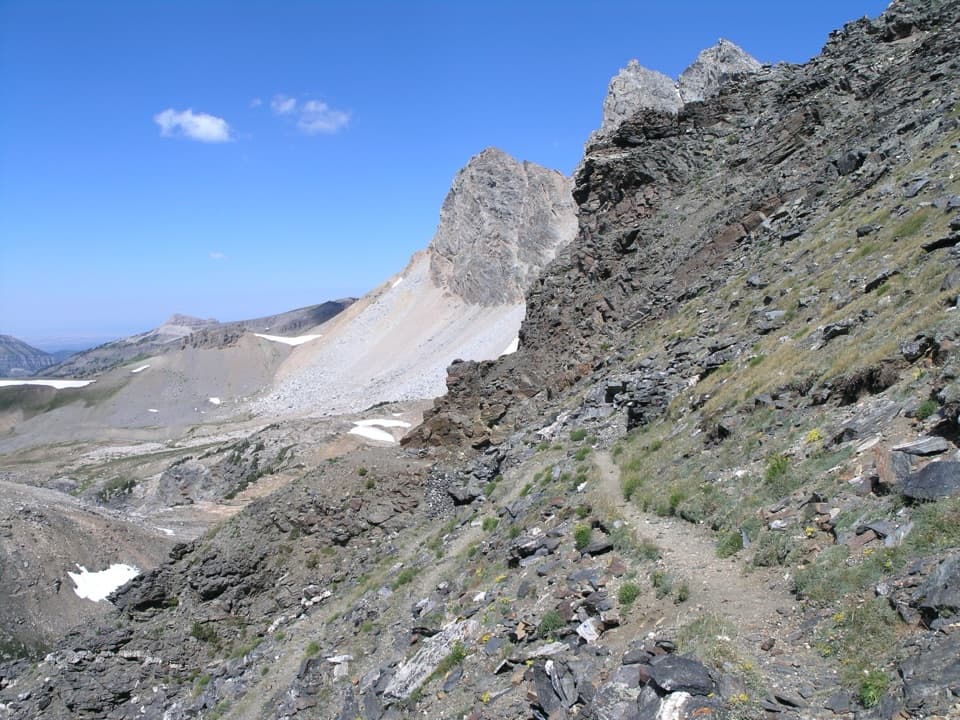
Grand Teton National Park, WY
A full-day climb to a high pass above Alaska Basin.
Overview
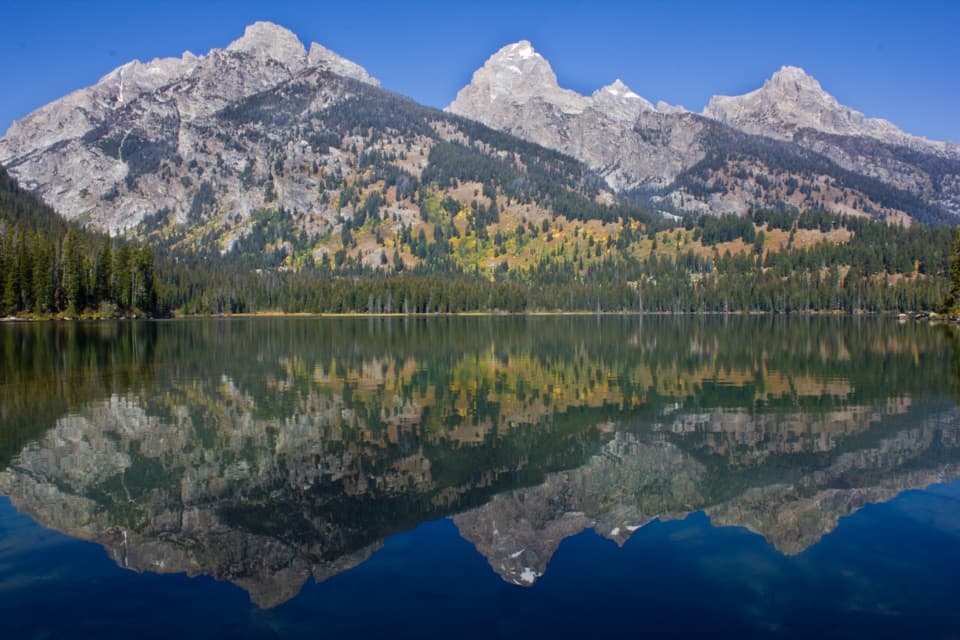
Static Peak Divide Trail is a 16-mile round-trip out-and-back from Death Canyon Trailhead. It climbs above Phelps Lake, follows Death Canyon, then switchbacks into the high country. The payoff is a broad alpine pass with views over Alaska Basin, Jackson Hole and the Teton peaks. Allow 9 to 11 hours and expect 5,590 feet of climbing. This is a strenuous, high-altitude day for hikers ready for a long climb, not a quick overlook walk.
 Parkwolf’s verdictIs this the hike for you?
Map & elevation
Plan your hike

The highest, rockiest slopes around here are a summer buffet for grizzly bears.
Grand Teton Tour Guide
Parkwolf is a GPS audio tour guide for Grand Teton National Park. As you drive, it chimes in with what’s ahead: hidden gems, upcoming stops, history, geology, and wildlife, right through your car’s speakers.
See the Grand Teton audio tourRecorded for this trailhead
Death Canyon Access: Phelps Lake from Above“You're nearing the access road for Death Canyon and Phelps Lake Overlook. The final road mile is rough, and a high-clearance vehicle is recommended.”
Plays as you drive up to this trailhead in the Parkwolf Grand Teton Tour Guide.
More stories near here in the app
“…We have been driving around with the audio tour and it has been informational and spot on. The whole family has been impressed. We used it for Yellowstone and Grand Teton.”


Trail guide
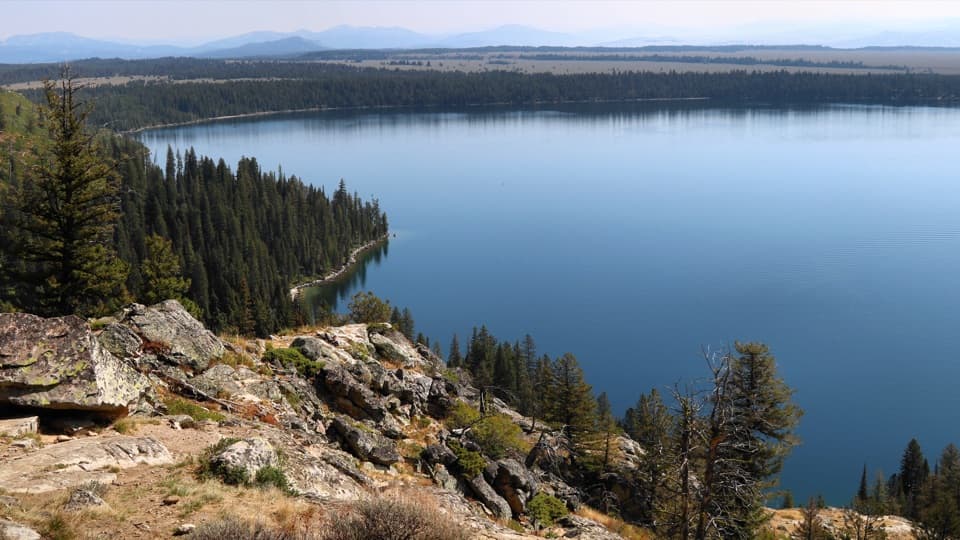
The route starts with a wooded climb to Phelps Lake Overlook, then drops about 500 feet on two switchbacks toward the lake. You gain that elevation back at the end, so don't mistake the early descent for a free mile. If you want a shorter Death Canyon outing, the separate hike to Static Peak Divide Junction is 7.7 miles round trip and turns back before the final climb to the Divide.
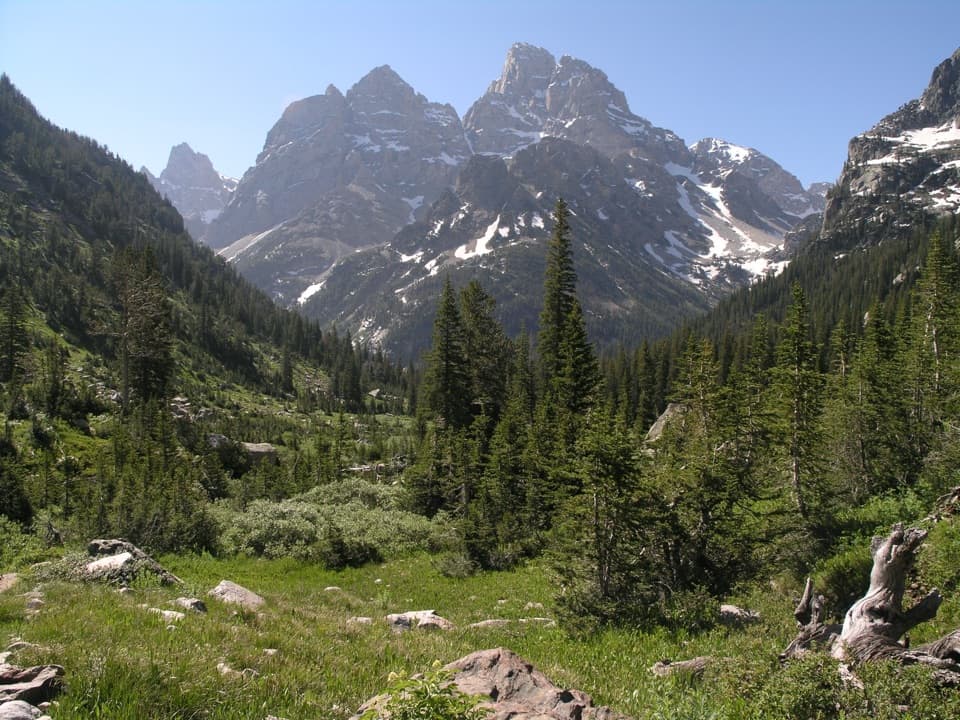
At the junction near Phelps Lake, turn into Death Canyon. The next couple of miles climb at a steadier, gentler grade, with rough and rocky footing in places and intermittent switchbacks. As you gain height, the canyon opens behind you and Phelps Lake comes back into view. At Patrol Cabin, also called Death Canyon Barn, turn right onto the Alaska Basin Trail. This junction is easy to pass if you are moving quickly; check the trail signs before continuing.
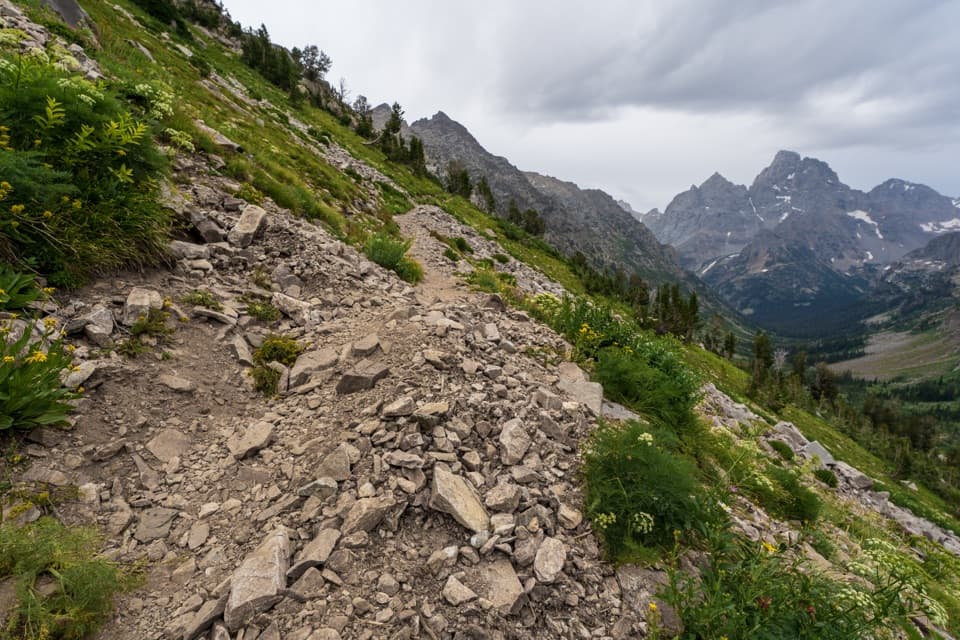
From the cabin, the route becomes a sustained climb up the side of Albright Peak. Switchbacks do most of the work, but this is still the day’s hardest stretch. A high clearing gives you an eastern view down Death Canyon and across toward the Gros Ventre Range. Keep going and the scenery opens on alternating sides as the trail crosses rocky alpine slopes toward the Divide. There is no quick finish after the climb starts, so set a pace you can keep on the way back too.
The named destination is Static Peak Divide, not the summit of Static Peak. From this open, rocky saddle you can look toward Jackson Hole, Alaska Basin, Death Canyon, Albright Peak and Buck Mountain. The gravel tread crossing the ridge gives the view a useful sense of scale; it is the place for a wide photo that includes both trail and peaks. A separate, rough scramble continues toward Static Peak and adds about half a mile and 500 feet of gain. It is not included in this route or its distance.
The Divide sits above 10,000 feet, where altitude can be a real problem if you are not acclimated. If you feel altitude-sickness symptoms, head back down rather than trying to push through. Snow often lingers here into July, and early-season travel can require an ice axe and crampons, along with experience using them. The most reliable season is after the snow has melted and before the first fall snow arrives. No pets are allowed on this trail.
Wildlife
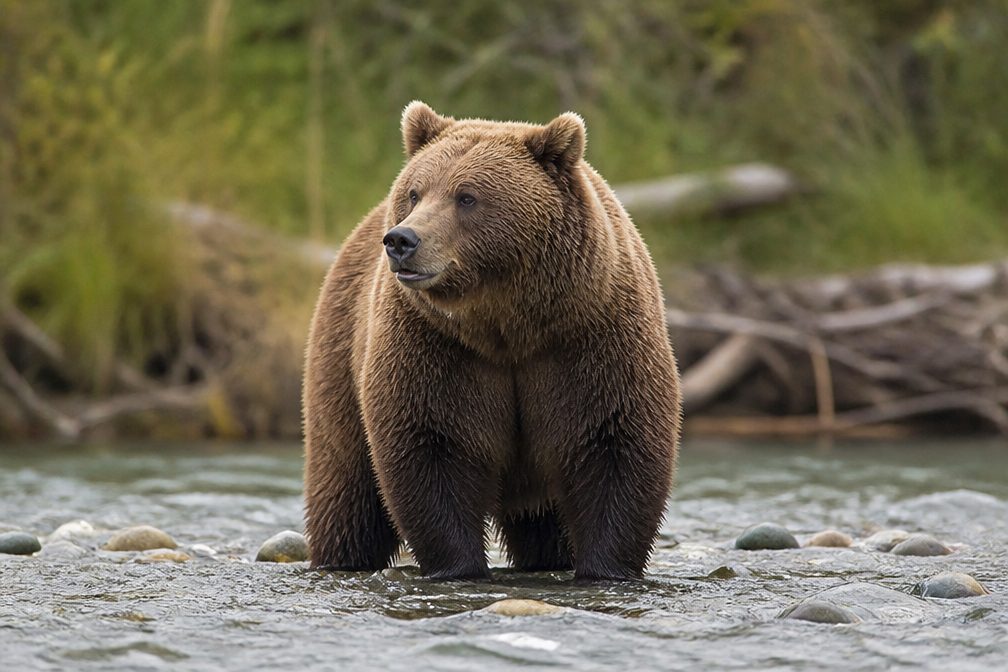 172 sightingsGrizzly BearMost seen around 7 PMSighting map
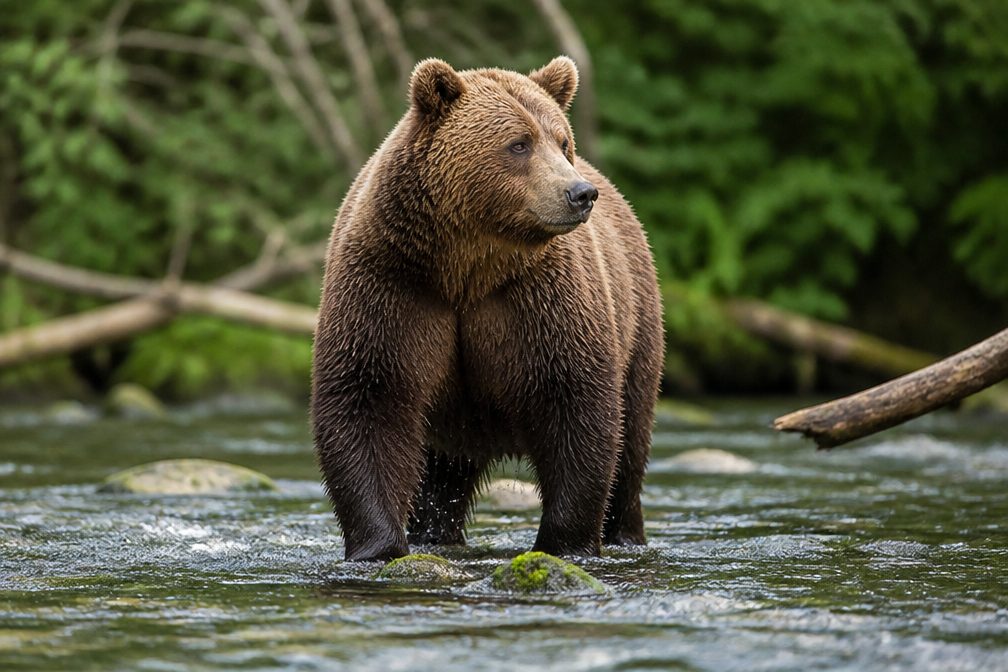 195 sightingsBrown BearMost seen around 6 AMSighting map
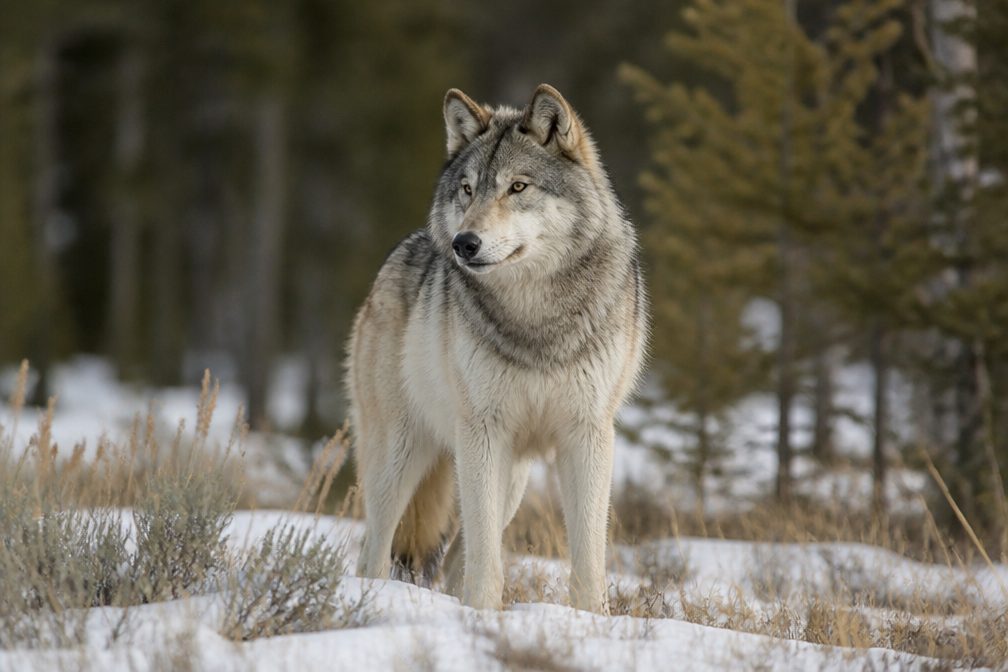 32 sightingsGray WolfMost seen around 7 PMSighting map
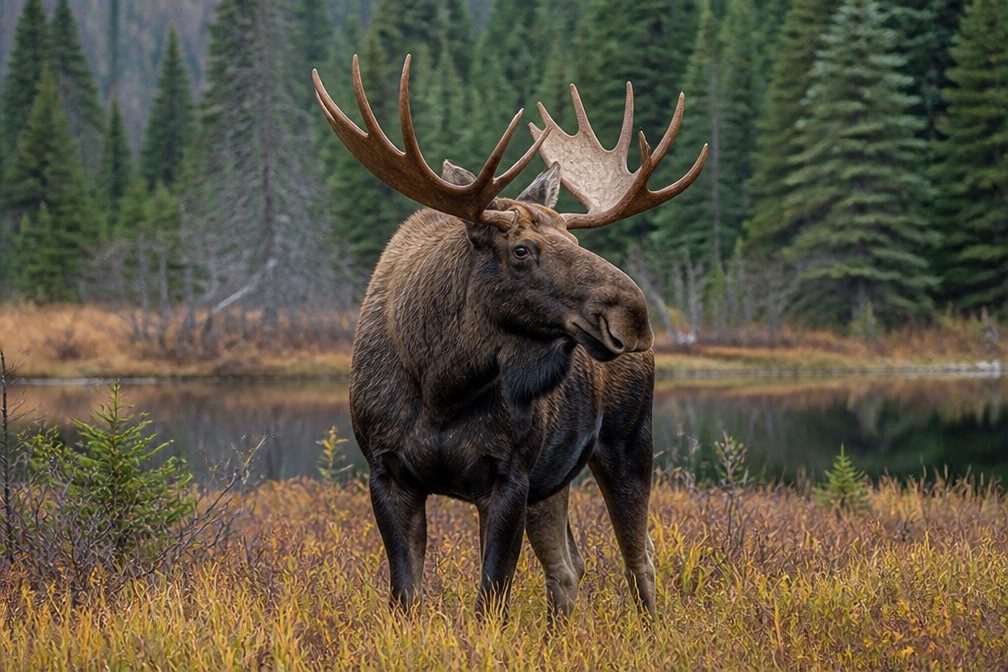 1,816 sightingsMooseMost seen around 7 AMSighting map
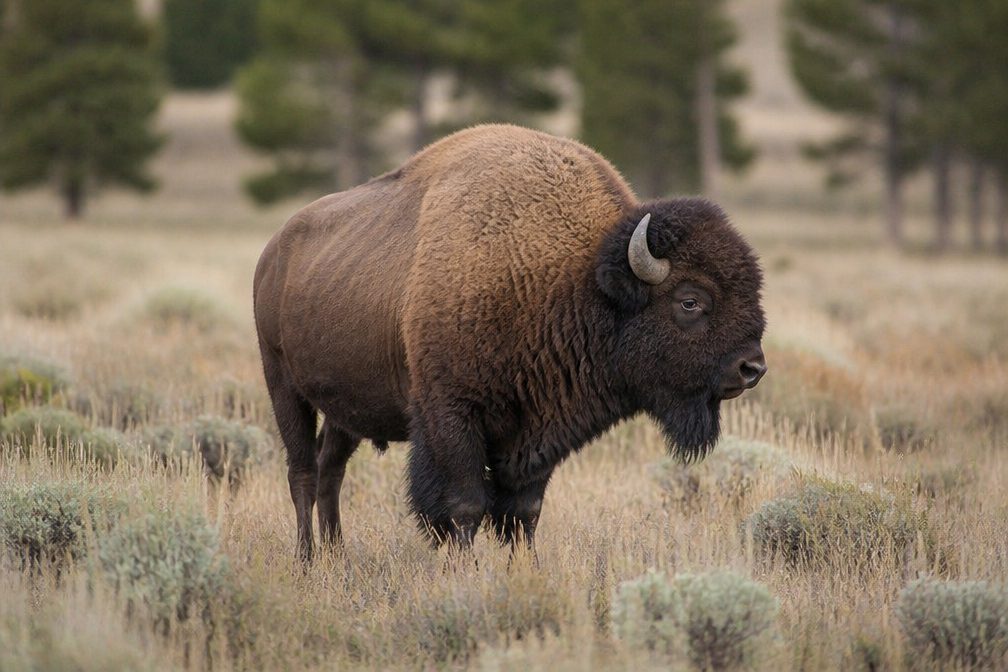 614 sightingsBisonMost seen around 6 AMSighting map
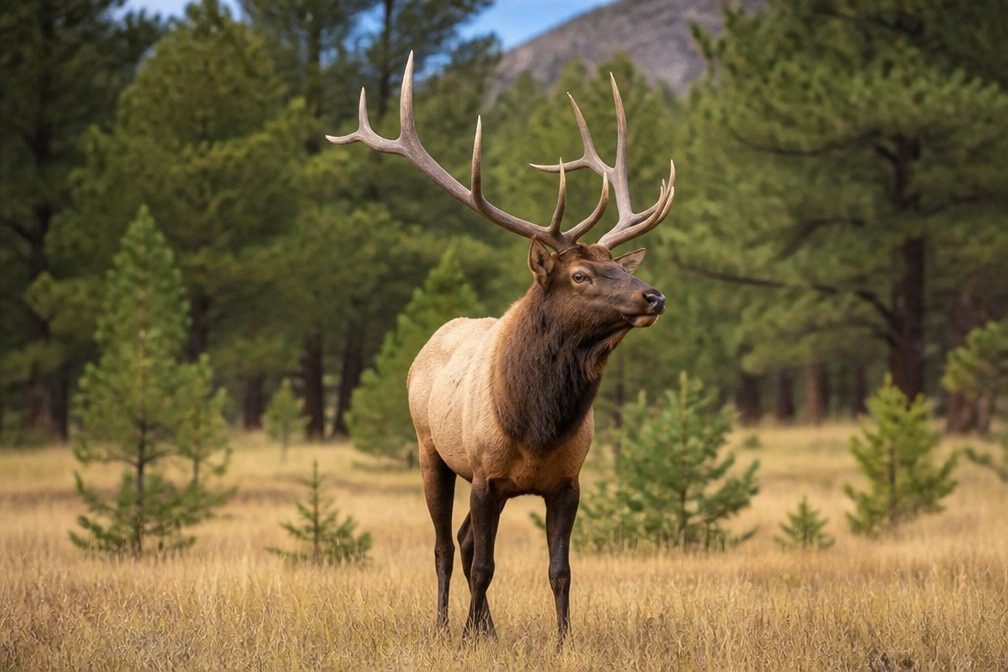 738 sightingsElkMost seen around 7 PMSighting map
Sighting maps show where each species has been reported across Grand Teton. Wildlife moves, so no sighting is guaranteed.
Keep exploring
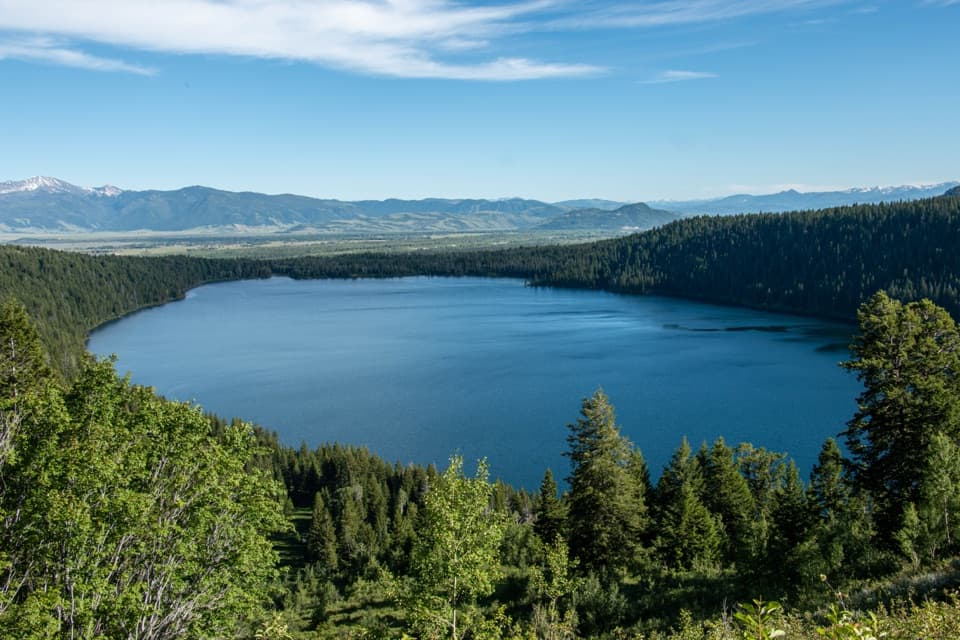 EasyPhelps Lake Overlook2 mi · 1.5 hr · At the trailheadA short climb to a high view over Phelps Lake
 ModeratePhelps Lake Trail from Death Canyon Trailhead3.7 mi · 2.5 hr · At the trailheadA lake overlook and shore stop, with a steep climb back.
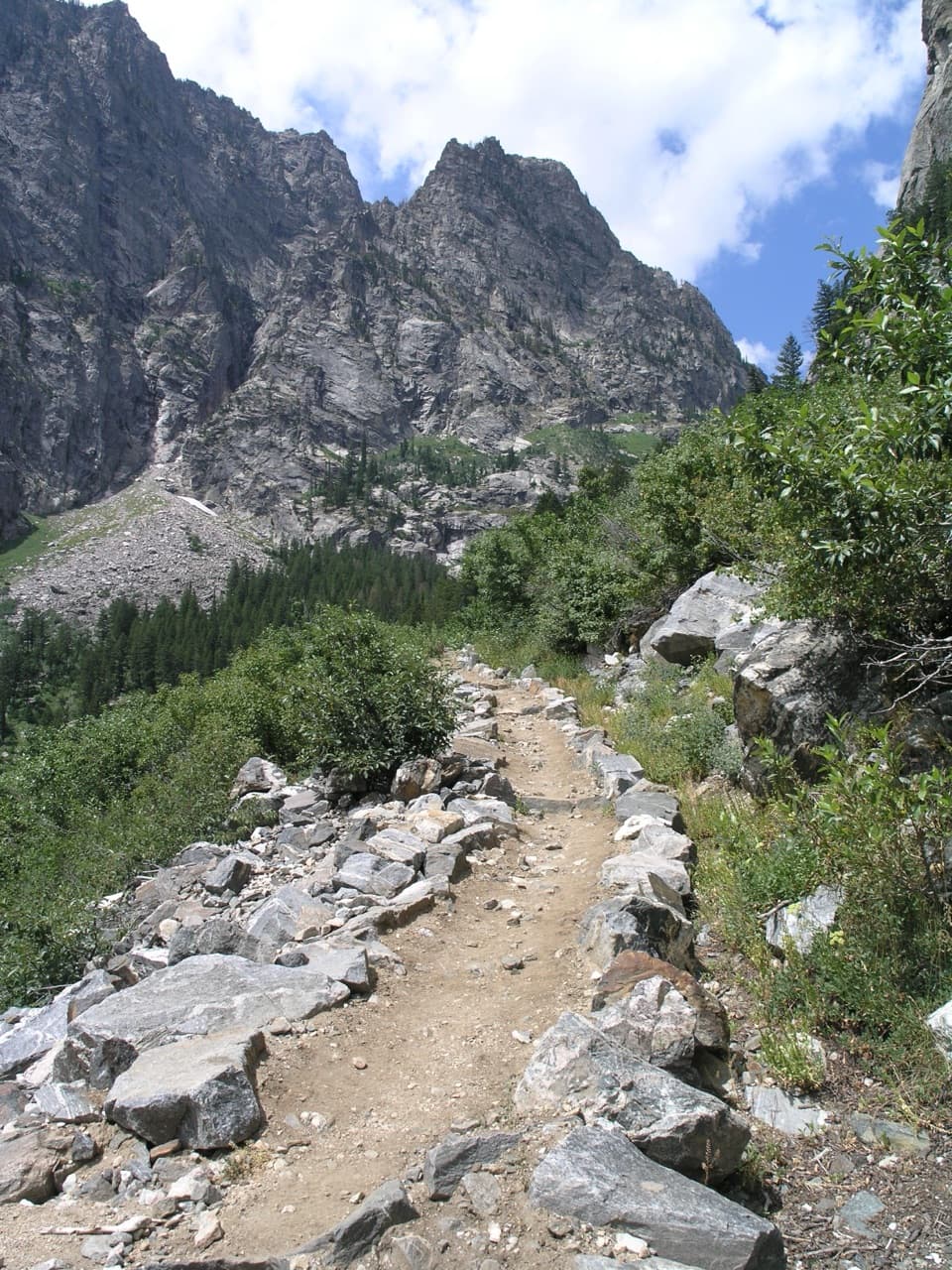 ChallengingDeath Canyon-Static Peak Divide Junction Trail7.7 mi · 6 hr · At the trailheadA steep canyon walk to iron-stained cascades and an alpine patrol cabin.
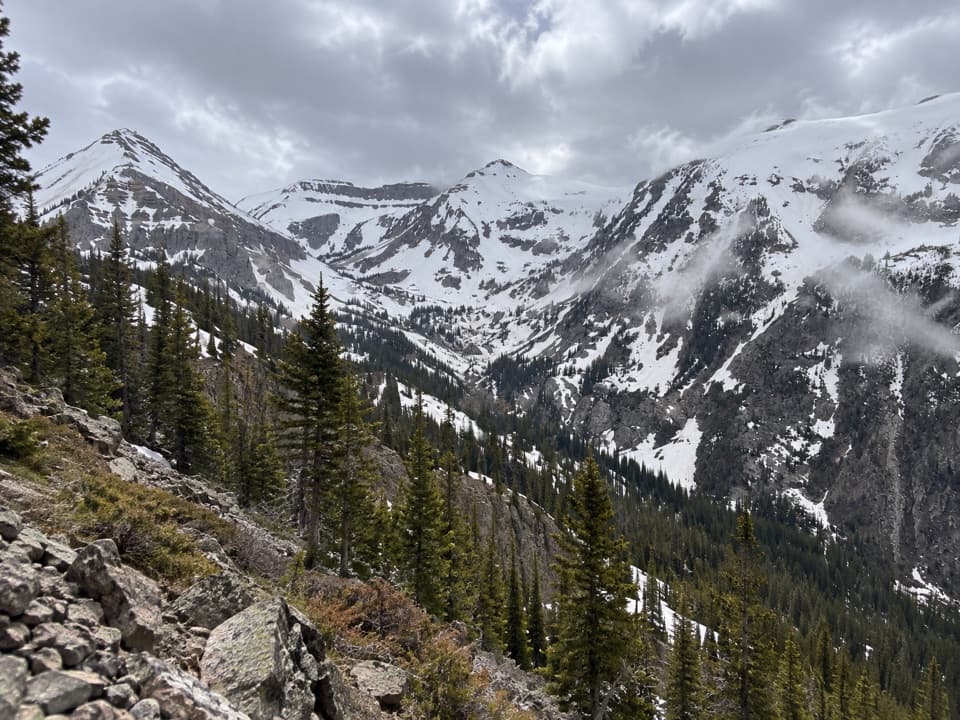 ChallengingOpen Canyon to Mount Hunt Divide14.8 mi · 10 hr · At the trailheadA full-day climb from a lake overlook into high alpine country.
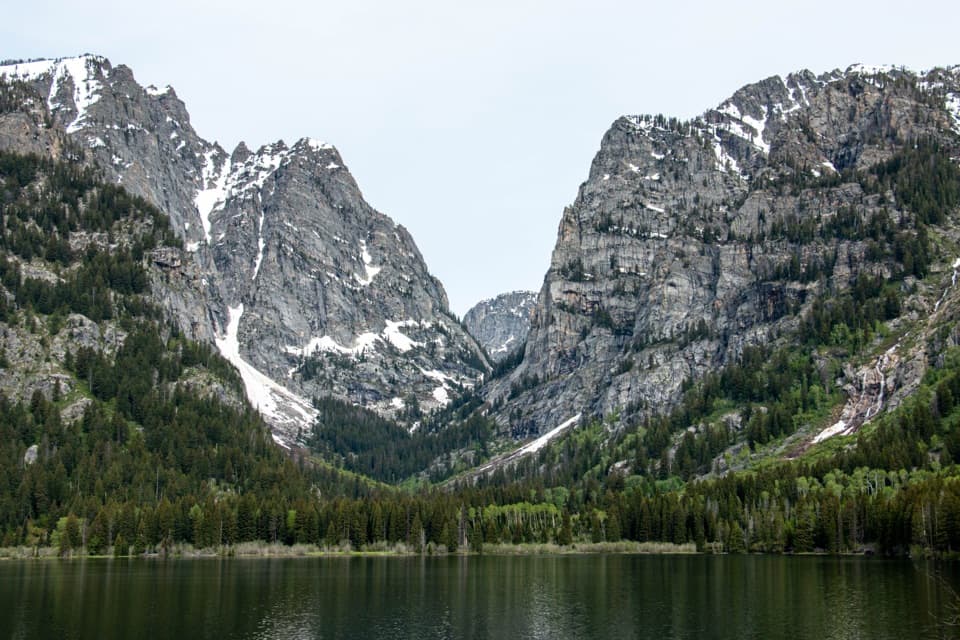 EasyLake Creek-Woodland Trail Loop3 mi · 2 hr · 2 mi awayWooded loop to Phelps Lake with Death Canyon views.ModerateAspen Ridge-Boulder Ridge Loop6.2 mi · 4 hr · 2.1 mi awayAspen groves, glacial boulders, and a south-shore look into Death Canyon.
 ModeratePhelps Lake Loop Trail6.4 mi · 4 hr · 2.1 mi awayA lake circuit with rocky shores, mountain views and a beach break.
 EasyMurie Ranch Trail1.1 mi · 45 min · 3.2 mi awayA flat, wooded walk to a landmark of conservation history.
 Sight · 0.3 mi awayWhite Grass Dude RanchA 1919 dude ranch became a center for preserving western park buildings.Sight · 0.9 mi awayPhelps Lake OverlookA forest hike opens onto a wide view of Phelps Lake.Sight · 1.2 mi awayPhelps LakeA mountain lake with a sandy beach and a distinctive boulder.
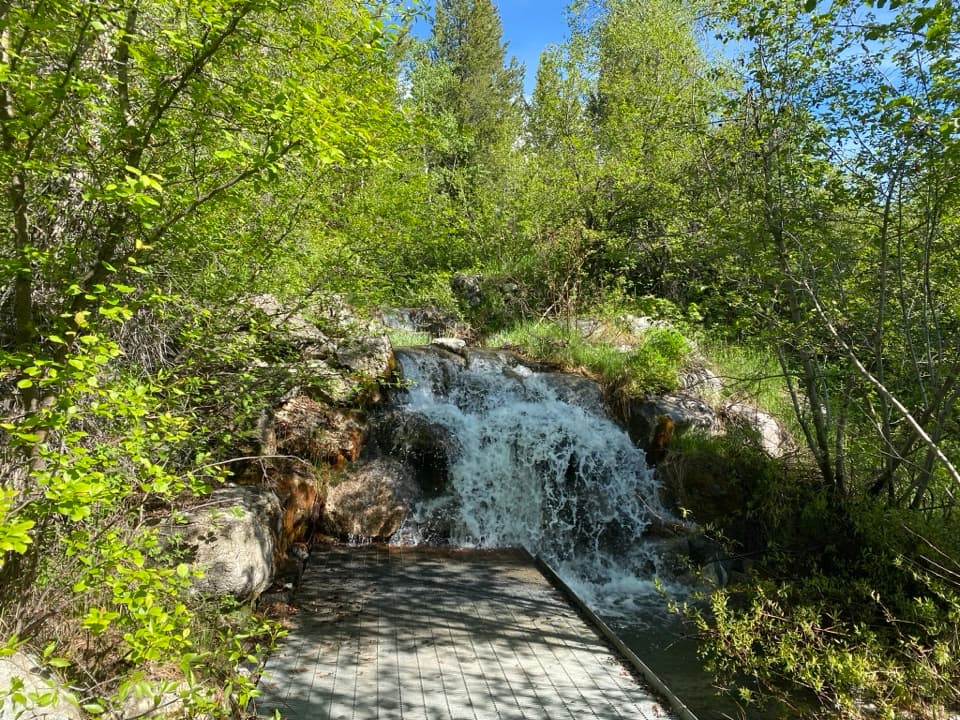 Sight · 2.1 mi awayLake Creek OverlookA quick, accessible stop beside Lake Creek's small cascade.
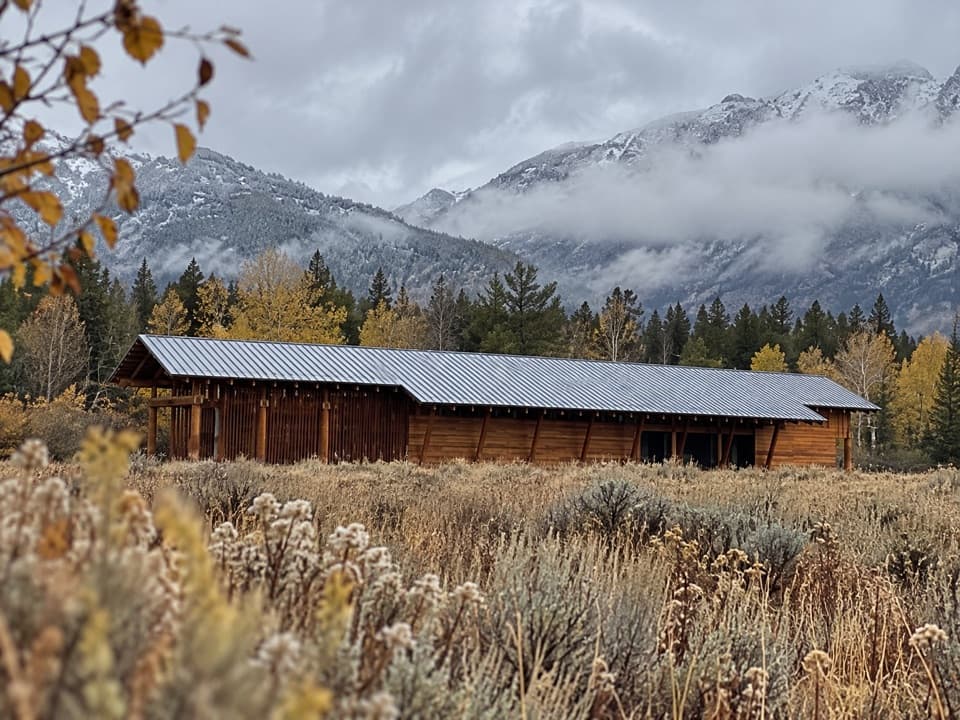 Visitor center · 2.1 mi awayLaurance S. Rockefeller Preserve CenterA sensory introduction to the preserve before the Phelps Lake walk.
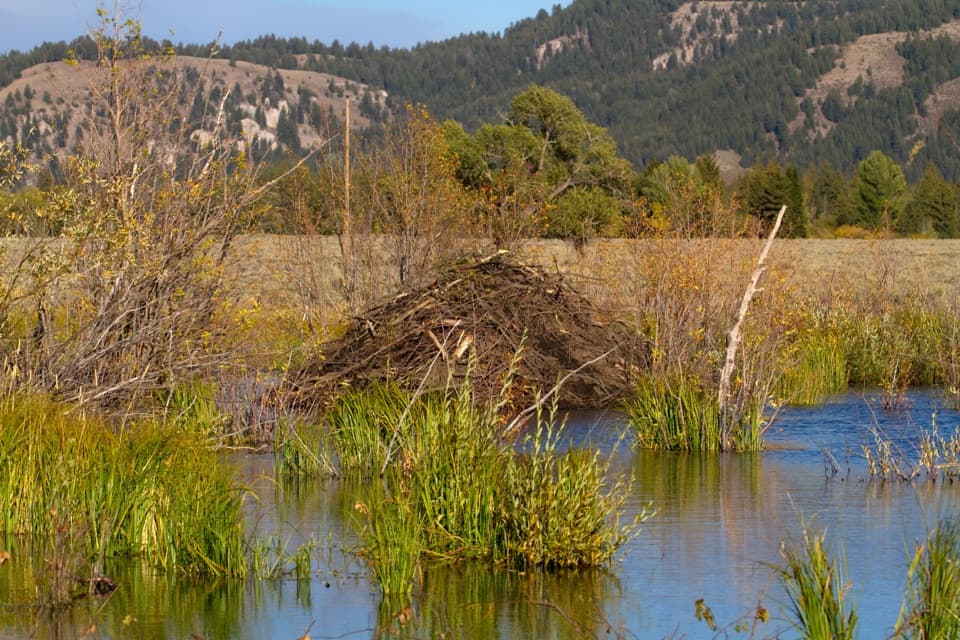 Sight · 2.2 mi awaySawmill Ponds OverlookA spring-fed beaver pond with a 1920s sawmill story.Sight · 2.6 mi awayMurie RanchA ranch home where the Muries helped shape modern conservation.
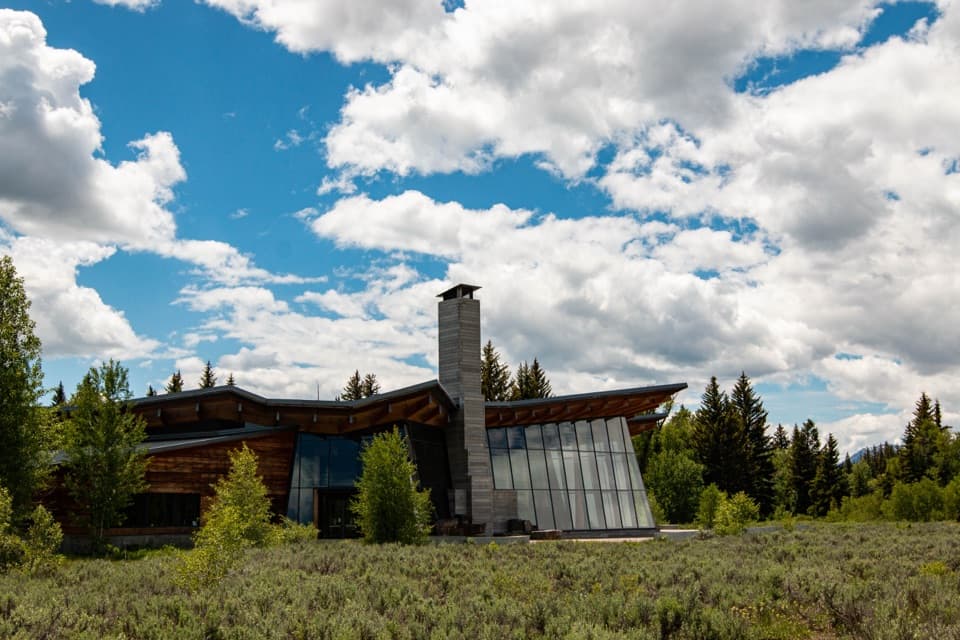 Visitor center · 3.1 mi awayCraig Thomas Discovery & Visitor CenterStart with the map, stay for the mountain reveal inside.
Parkwolf’s Grand Teton ranking
The audio tour guide for the drive, plus offline maps, trails, and wildlife heatmaps for when the signal drops.