
Place · 0.3 mi away
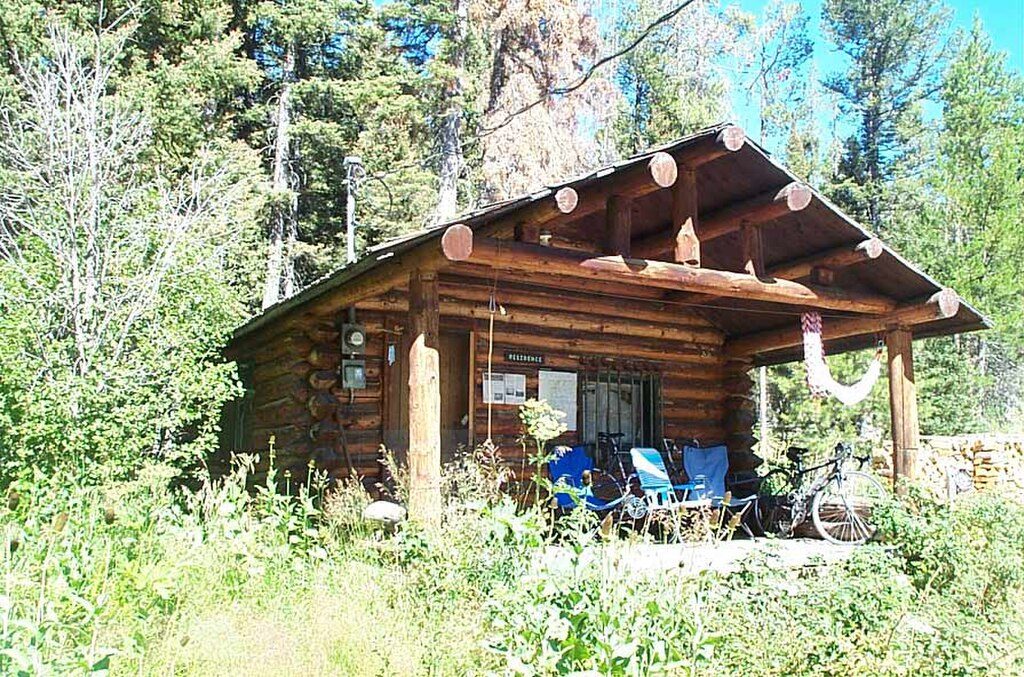
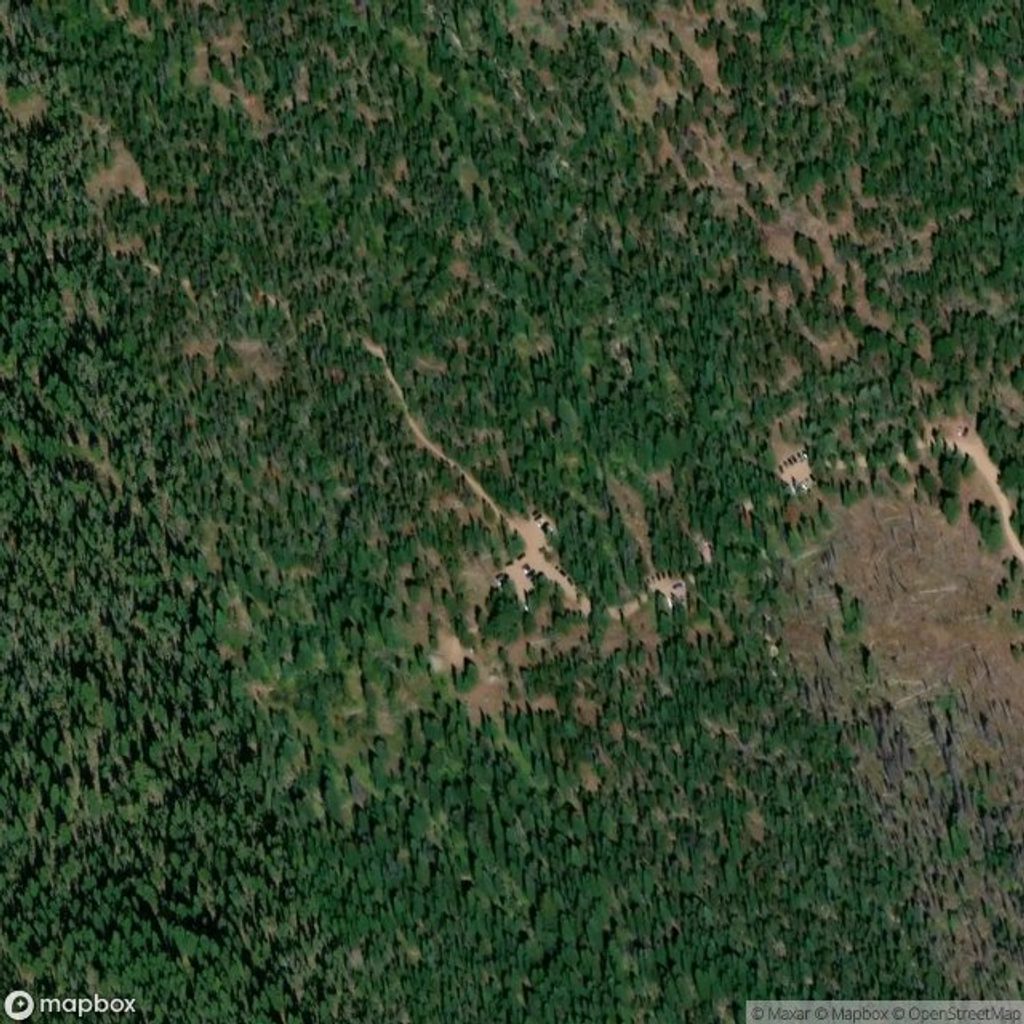
Tucked into the White Grass area southwest of Moose, this small historic district preserves the park’s only surviving horse patrol station. Built in 1930 in classic National Park Service rustic style, it’s a quiet, history-rich stop that shows how early rangers lived and worked right after the park’s 1929 creation. The site sits in a forest clearing with meadows nearby and a vegetative buffer separating it from a small parking area.
This is the only original National Park Service–built horse patrol station in the park; other patrol cabins were inherited from the U.S. Forest Service. It’s listed on the National Register of Historic Places (1990), and it represents the park’s early operational footprint and the era when mounted patrols were the norm.
Access is straightforward: the historic buildings sit a short walk from nearby parking. Expect limited to no on-site services or programming; this is a quick, self-guided look rather than a full visitor facility. Plan on a short stop unless you’re deep into park history and architecture.
The surrounding mix of forest and meadow means you may encounter typical Teton wildlife—think deer, elk, moose, small mammals, and a variety of birds. Give animals space and keep your distance.
There’s no documented schedule or regular programming here. It’s an uncrowded, low-profile stop most of the day; drop in when you’re exploring the White Grass area. Photographers will appreciate softer light early or late in the day for the cabin’s textures.
Place · 0.3 mi away
Place · 0.3 mi away
Place · 1.2 mi away
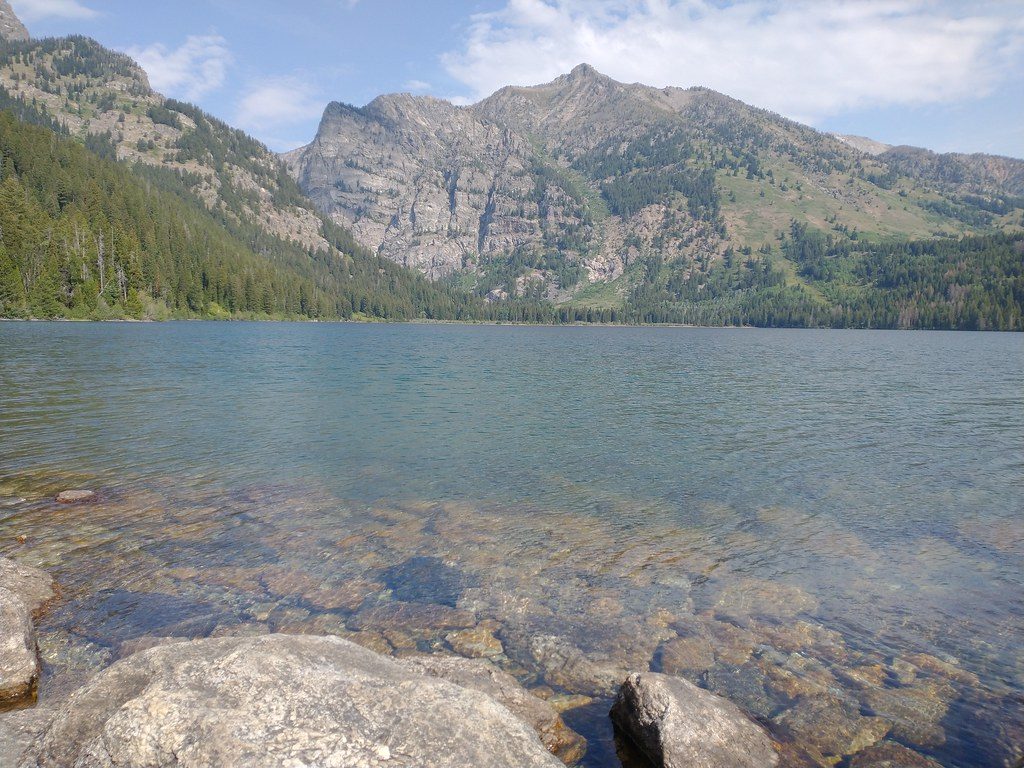
Place · 1.3 mi away
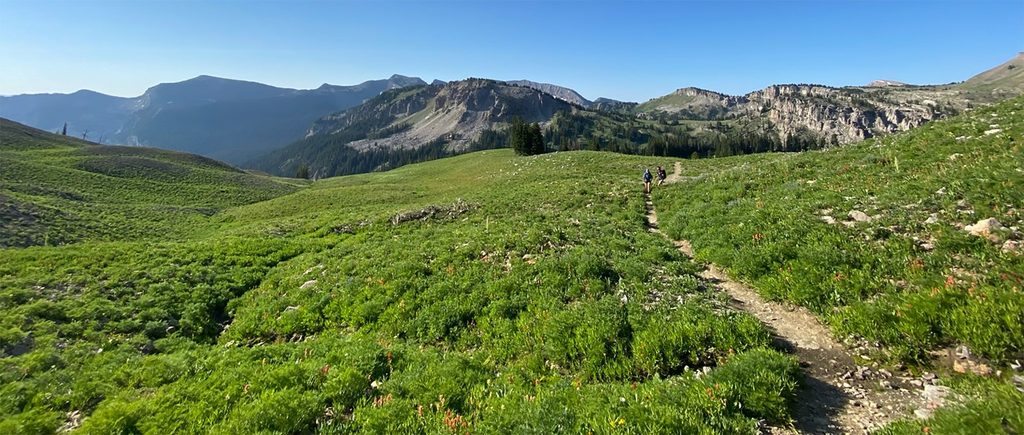
Challenging · 0.3 mi away
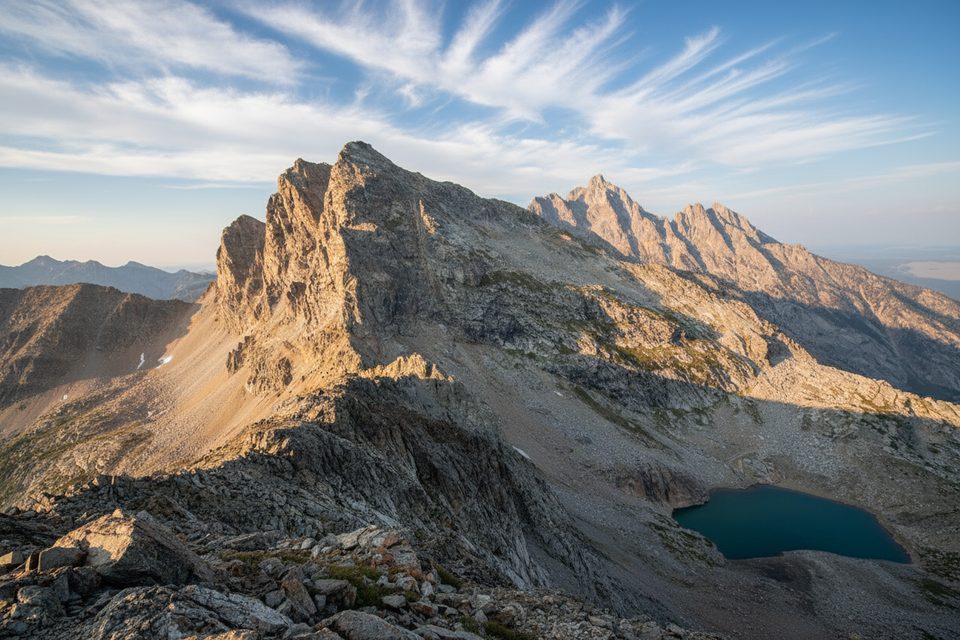
Challenging · 0.3 mi away
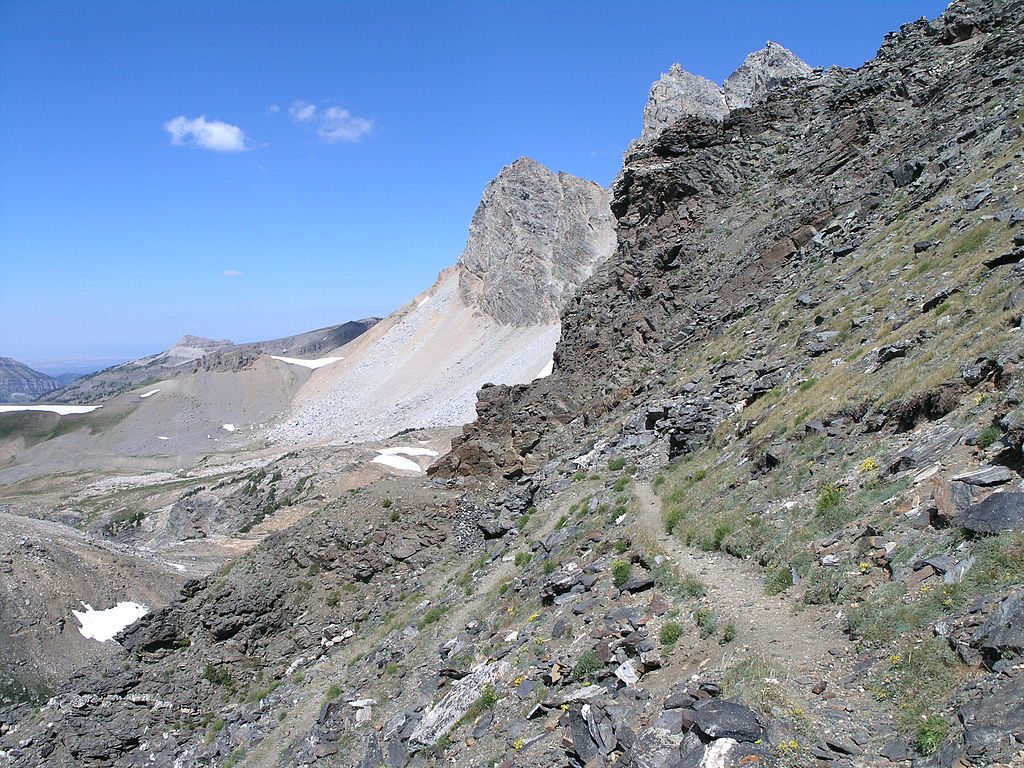
Challenging · 0.3 mi away
Moderate · 0.3 mi away

Parkwolf Tour Guide
