Apollo Bay

Laid-back base between surf, rainforest, and wildlife sanctuaries
Apollo Bay, Great Ocean Road
InsideGreat Ocean Road

Overview

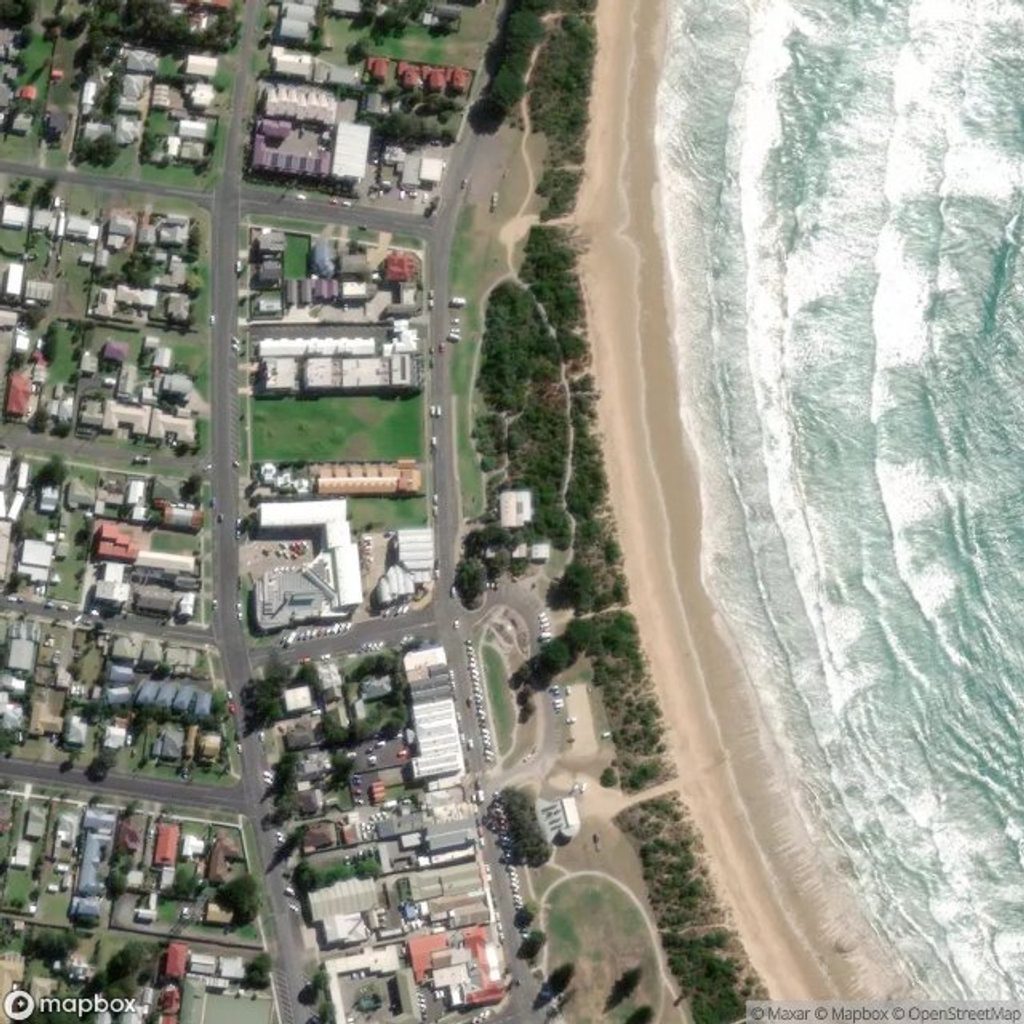
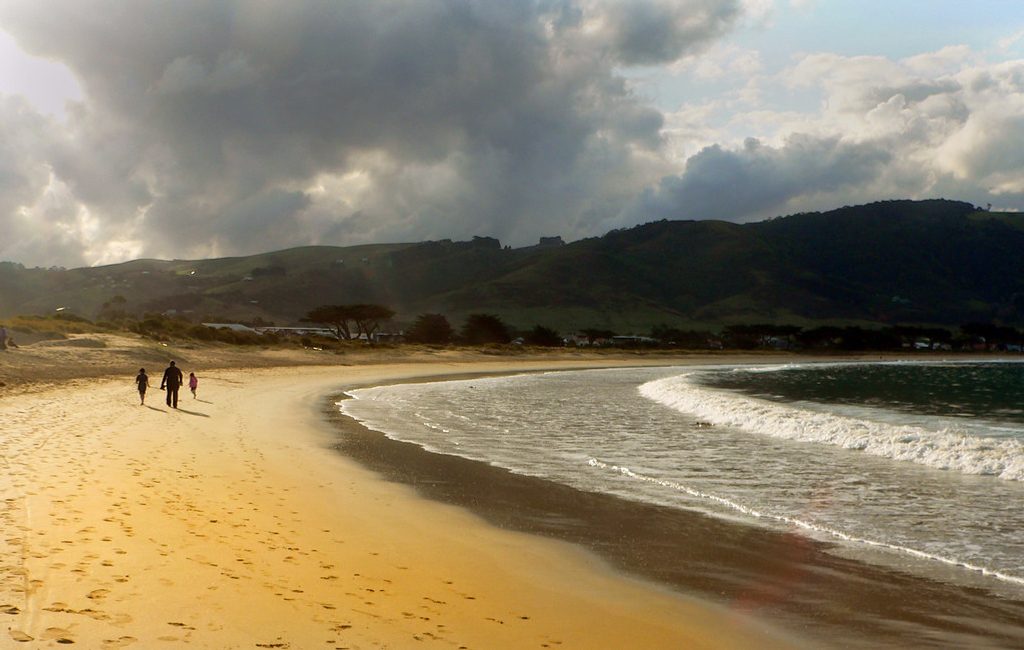
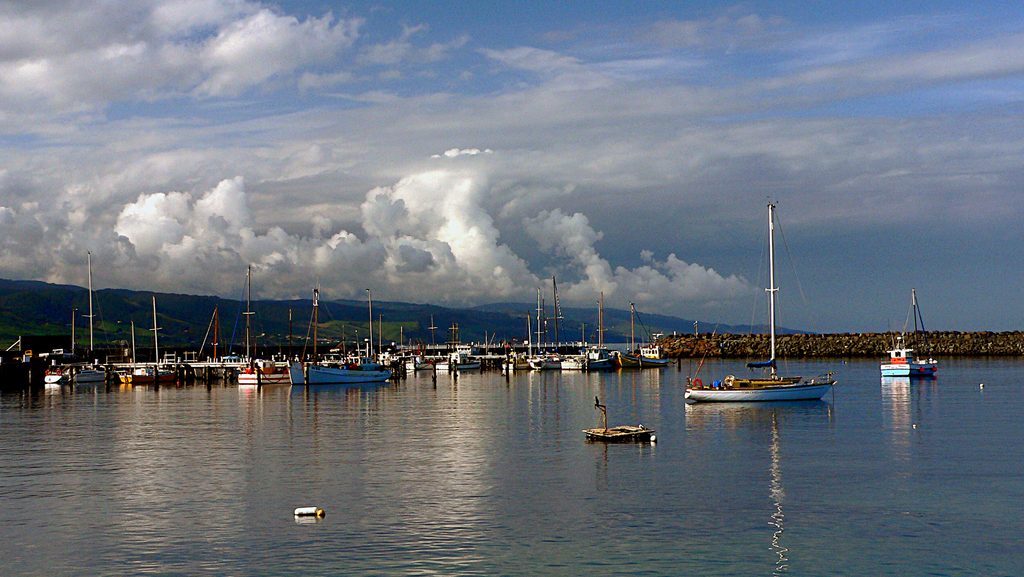
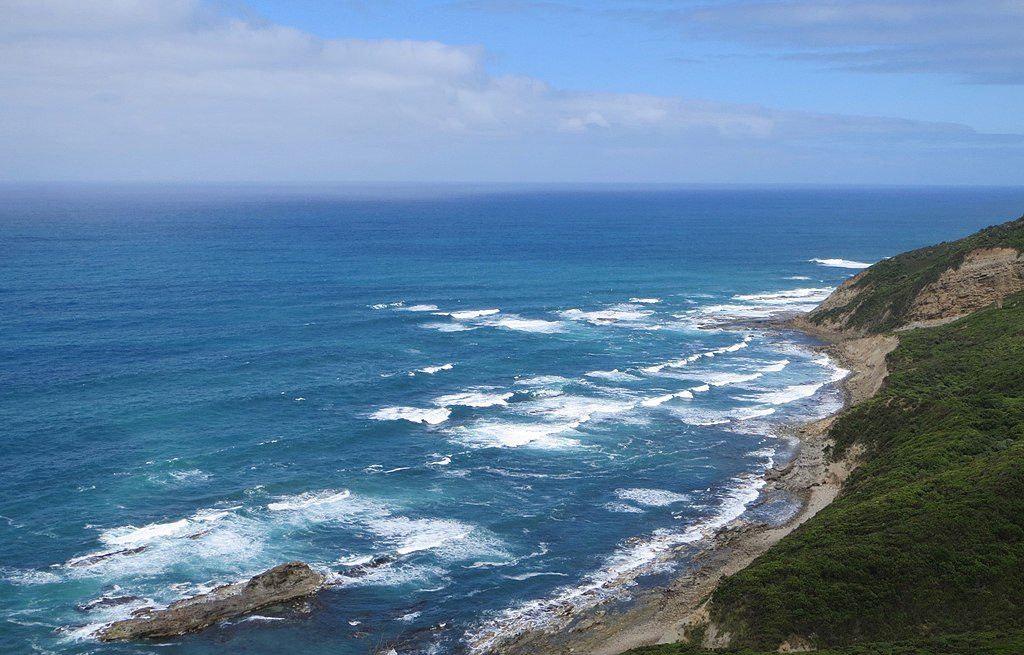
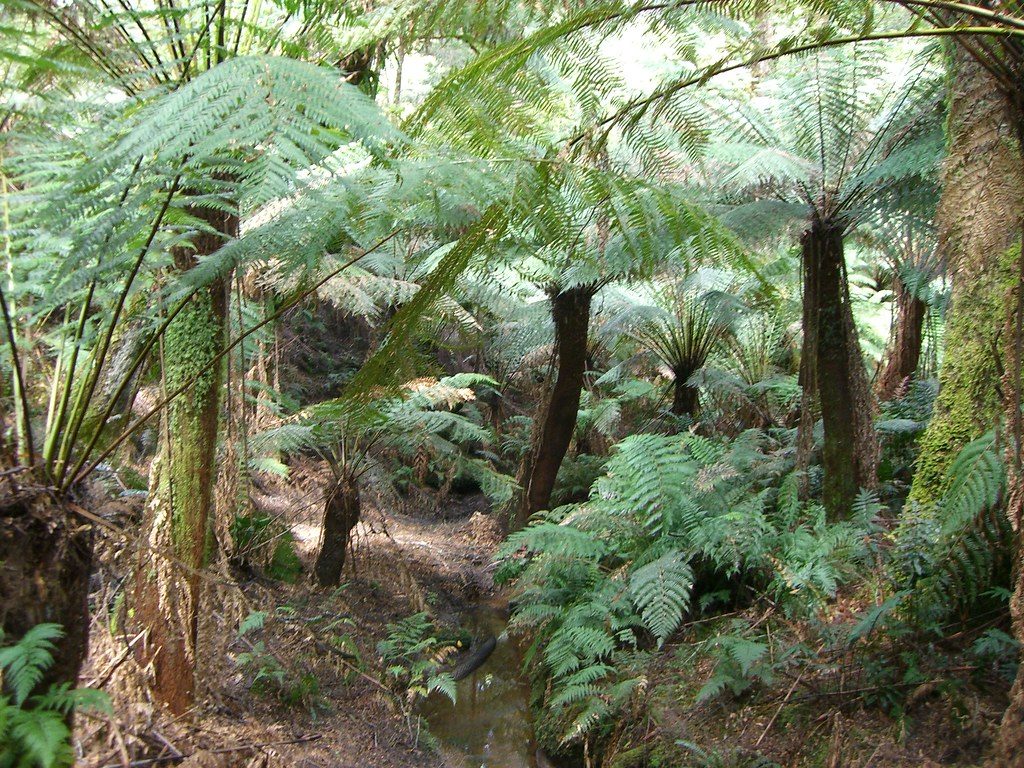
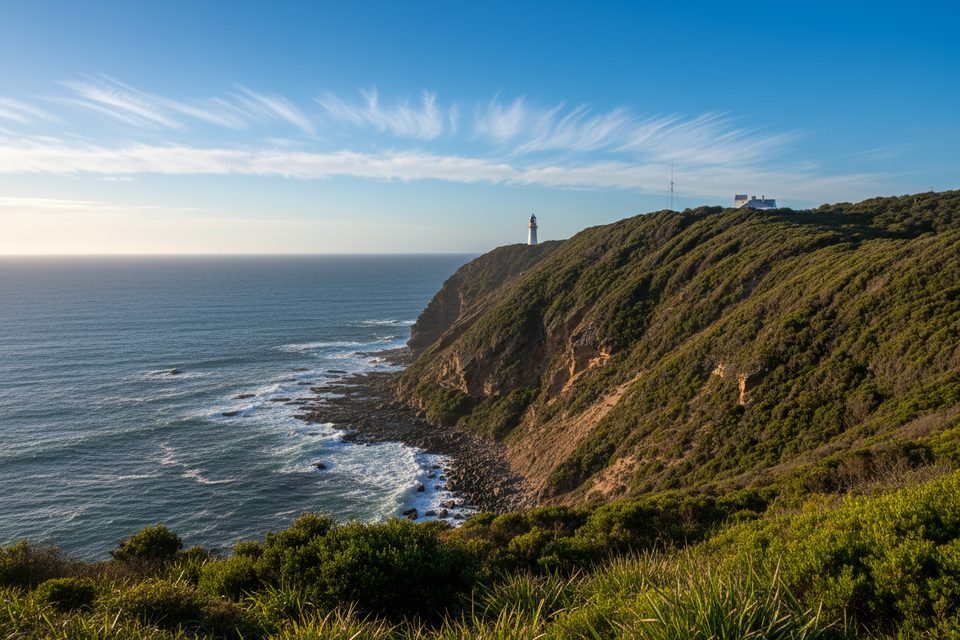
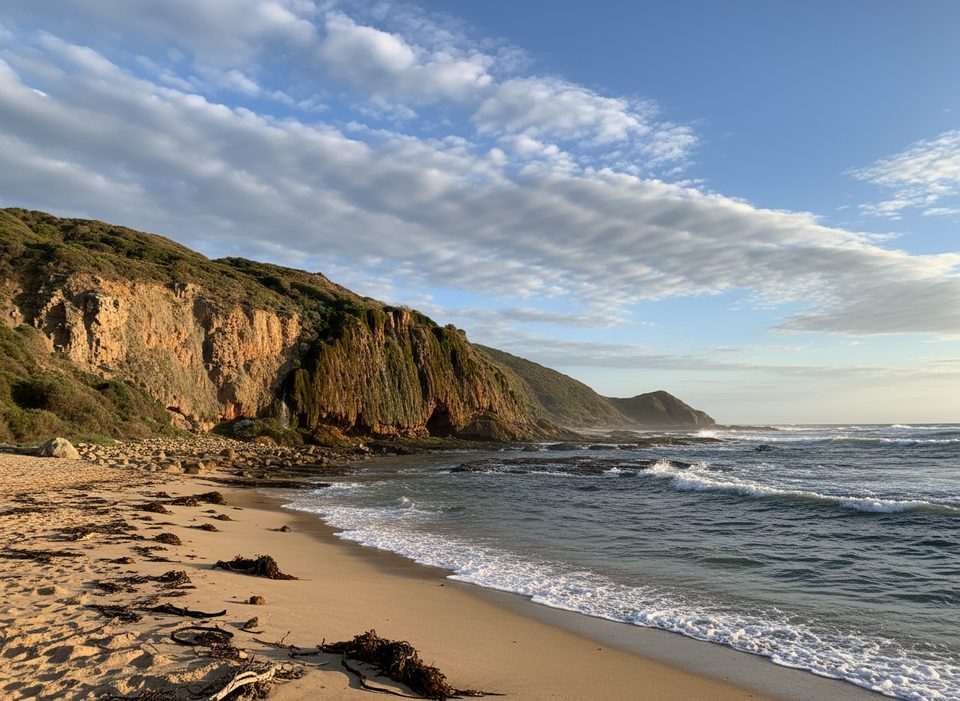
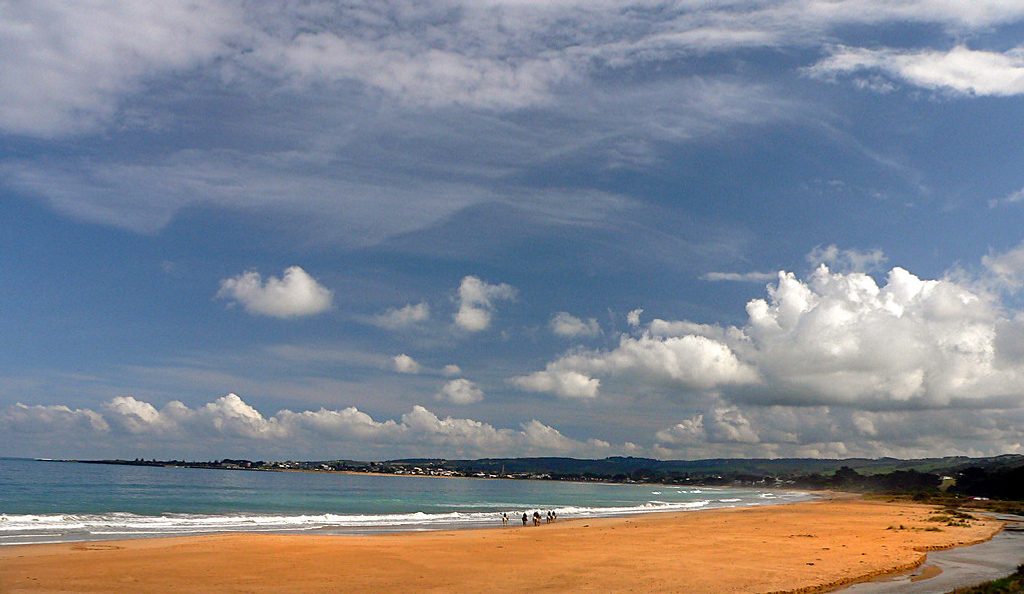
Apollo Bay is the sweet spot to pause on the drive and actually experience the Great Ocean Road, not just whip past it. It sits between wild Southern Ocean shores and the ferny folds of Great Otway National Park, making it a practical, low‑stress base. The full coastal route runs about 243 km; you can sample it in 2 days, but 4–5 days around here lets you see far more.

Why Base Yourself Here

From town, you can bounce between reefy coastline, temperate rainforest, and easy guided wildlife experiences without long detours. Daylight hours are for coastal wanders and short inland drives; the real wildlife magic tends to happen at dawn and dusk.

Wildlife Highlights Nearby

  • Wildlife Wonders (≈5 km west): a predator‑proof sanctuary with guided walks (standard ~75 min; dawn/dusk ~90 min) and a café with views. Likely sightings include koalas, swamp wallabies, Tasmanian pademelons, and Gang‑gang cockatoos.
  • Marengo Reefs Marine Sanctuary (just south of town): shore access and guided kayak/snorkel options to see Australian fur seals, kelp forests, and reef fish.
  • Great Otway National Park: glow‑worms at Melba Gully after dark; tranquil dawn canoeing at Lake Elizabeth with a chance of spotting platypus.
  • Add‑on day trips along the coast: kangaroo tours at Anglesea Golf Club; abundant wildlife in the volcanic crater at Tower Hill; seasonal whale viewing further west.

In‑Town Practicalities

Main Street keeps things simple: public toilets are plentiful, parking is straightforward, and there’s Wi‑Fi in the precinct. Camping and caravan parks in and near town cover the basics (toilets, drinking water, showers or laundries depending on the site), with several options along the shoreline and inland.

How Long to Stay

If wildlife is the priority, plan 2–3 days: one day around Apollo Bay for the sanctuary and reef, one inland for rainforest and glow‑worms, and an optional third for a longer coastal push.

Best Time to Visit

  • Wildlife sightings peak at dawn and dusk—book those early/late tour slots first.
  • Hit the reef when tides and swell are favorable; check conditions before committing.
  • Build flexibility into your plan; shifting a tour by a few hours can dramatically improve sightings and sea conditions.

Safety & Etiquette

Drive slower at dawn and dusk when animals are active. On the coast, stay off rock platforms in heavy swell and follow marine‑sanctuary rules (look, don’t collect). In forests and sanctuaries, keep your distance from wildlife and stick to tracks.

What to Pack

Layers for variable coastal weather, a lightweight rain jacket, sturdy closed‑toe shoes for rainforest tracks, sandals for beach/reef, a headlamp with a red filter for glow‑worms, binoculars, reef‑safe sunscreen, insect repellent, and motion‑sickness meds if you feel winding roads.

Pros

  • Excellent base between the coast and the Otways for easy wildlife access
  • In‑town essentials are handy: public toilets, Wi‑Fi, and Main Street parking

Cons

  • Winding coastal driving; having your own car makes side trips far easier
  • Marine and reef time depends on tide and swell conditions

Tips

  • Book Wildlife Wonders dawn or dusk tours first—they’re the best for sightings and sell out.
  • Check tide and swell before heading to Marengo Reefs or any rock platforms.
  • If you’re driving at dawn or dusk, slow down and scan road verges for wildlife.
  • Pack layers year‑round; coastal wind can feel cool even on sunny days.
  • Need dependable internet? Choose a campground or holiday park that advertises Wi‑Fi.
The Parkwolf tour guide sitting on a phone mounted in a car

Parkwolf Tour Guide

Like a tour guide in your car.

Save the places you found around Great Ocean Road, then let Parkwolf guide the drive between them.Download Parkwolf on the App Store