
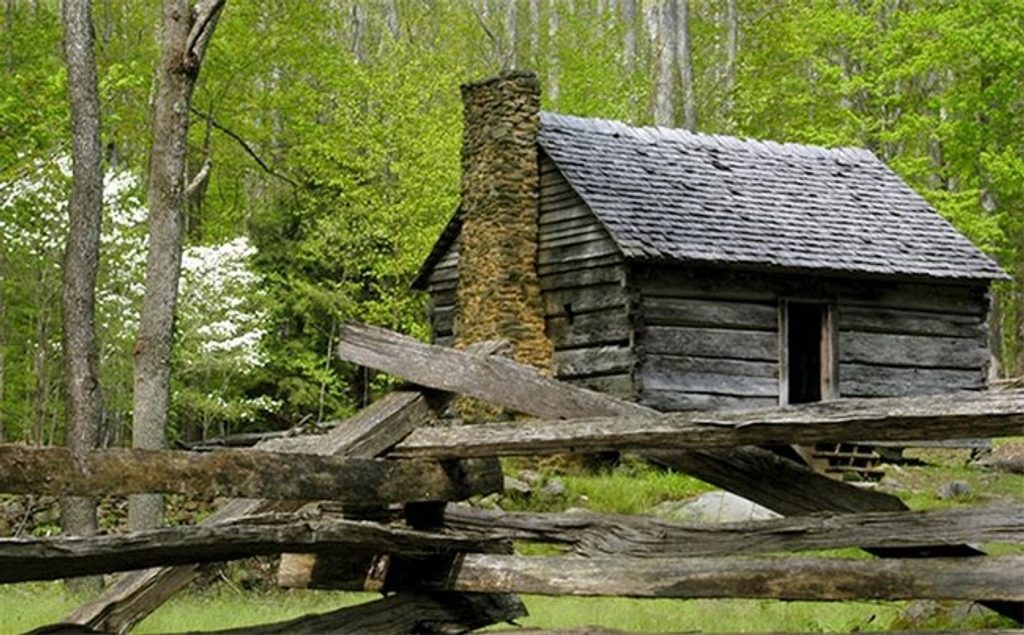
Place · 0 mi away
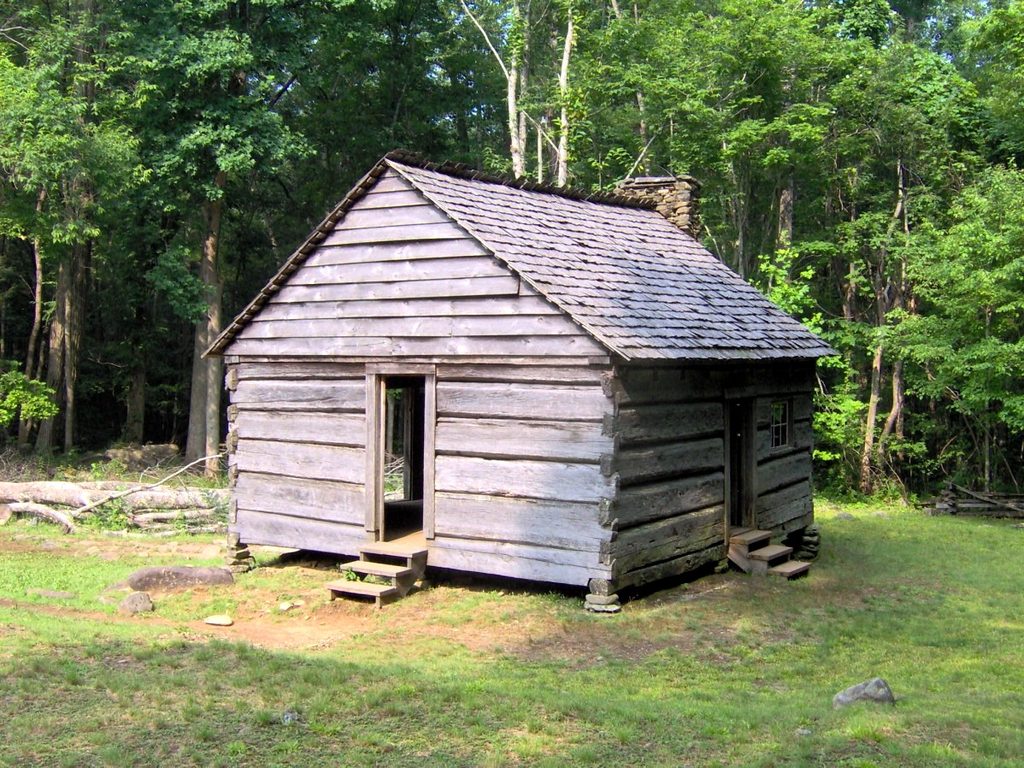
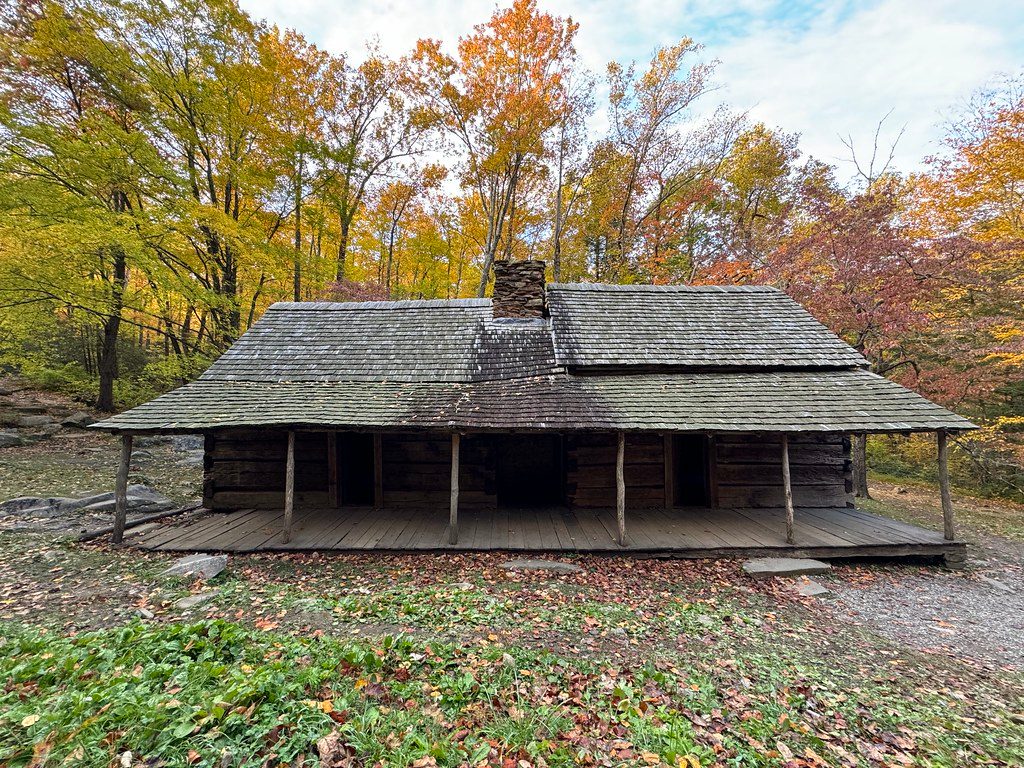
A quiet pause on the Roaring Fork Motor Nature Trail, the Alex Cole Cabin is a preserved late‑19th‑century mountain homestead that captures the grit and simplicity of early Appalachian life. Built in 1890 by Albert Alexander “Alex” Cole and listed on the National Register of Historic Places in 1976, it’s one of the loop’s most evocative historic stops.
Expect a single‑pen log cabin with hewn‑log walls and tight dovetail notching, set on a fieldstone foundation with a rubble‑masonry chimney and a gabled roof of hand‑split shingles. Inside details are typically viewed from the doorway or windows when the interior is not open. The setting is lovely: a small field, a footbridge, and a clear mountain stream make this a natural photo stop and a surprisingly peaceful pull‑off.
Cole was known as an industrious Sugarlands resident and an early mountain guide to Le Conte. The cabin originally stood in the Sugarlands community near today’s Newfound Gap Road. It was later moved to Jim Bales Place along Roaring Fork so visitors could see it in context with other homestead sites. The craftsmanship (dovetail joinery, sawn board floor with loft, and stonework) is textbook Smokies vernacular.
You’ll reach the cabin along the one‑way Roaring Fork Motor Nature Trail that begins just outside Gatlinburg. Treat this as a short historic pull‑off: there are no restrooms, water, or services at the site. The loop is closed in winter, and buses, trailers, and motorhomes are not permitted. If you plan to park more than 15 minutes anywhere in the park, you’ll need a parking tag. Bring water, wear grippy shoes (surfaces can be slick after rain), and pack out all trash.
This cool, stream‑laced forest is prime salamander habitat—look along seepages and leaf litter, and enjoy them without moving rocks or handling wildlife. Black bears are sometimes seen along the loop; admire from a distance and never approach or feed wildlife.
Aim for early morning or late afternoon for softer light, easier parking, and fewer cars on the loop. The site is most enjoyable when the road is open and dry; check seasonal road status before you go. If you like context, pick up the inexpensive self‑guiding booklet at the start of the loop and bring it along—signage at individual cabins can be minimal.
Make a loop day of it: stops like the Ogle farmstead, other historic cabins (e.g., Ephraim Bales), and nearby waterfall walks fit nicely before or after this quick historic visit.
Place · 0 mi away
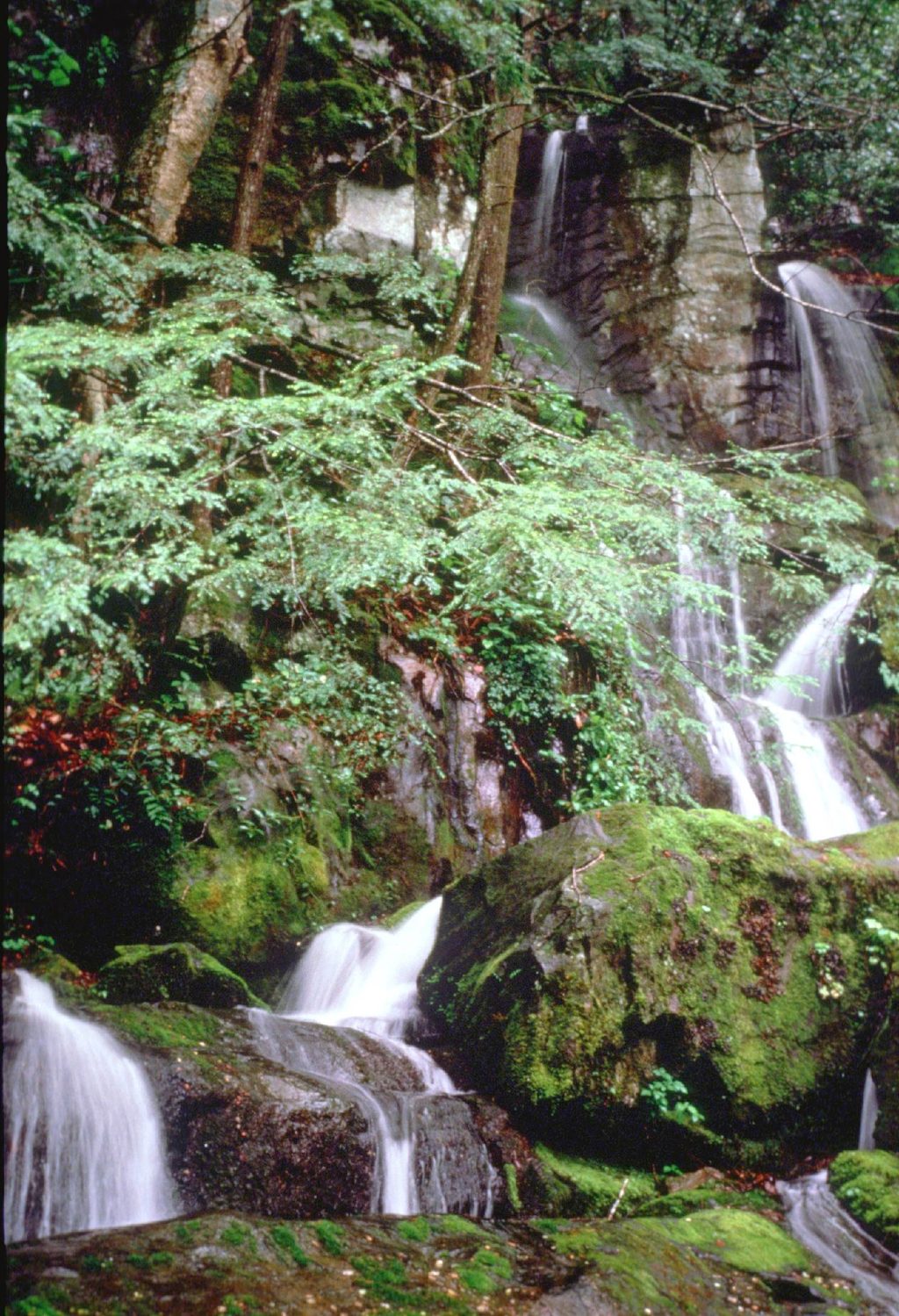
Place · 0.2 mi away
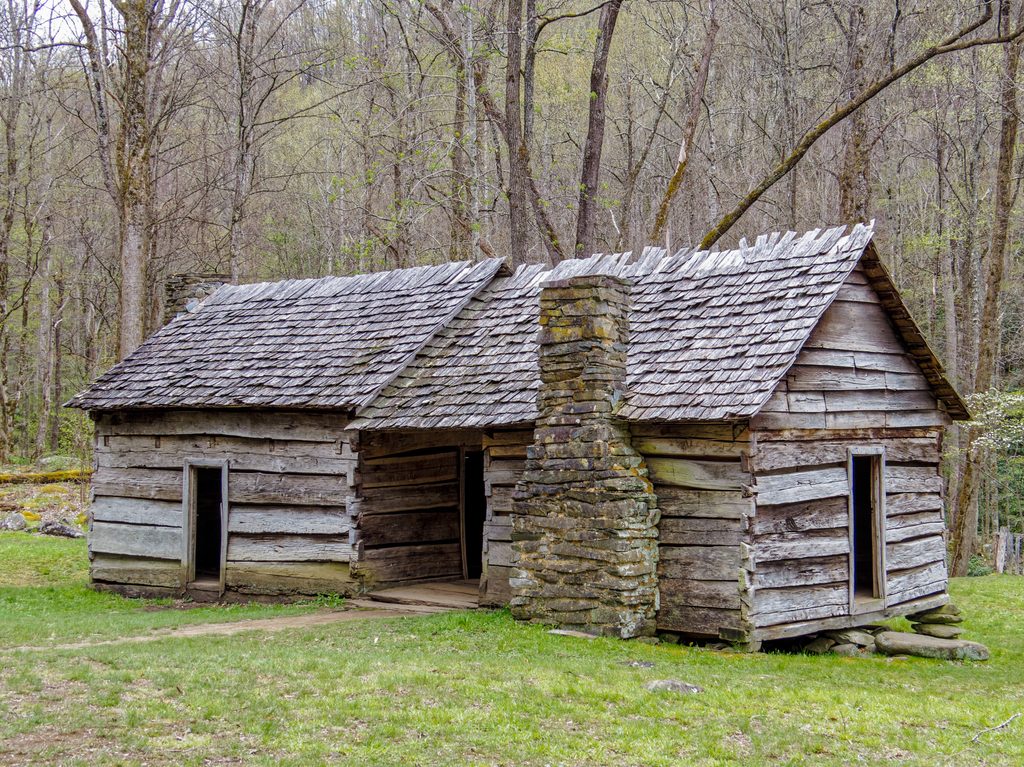
Place · 0.3 mi away
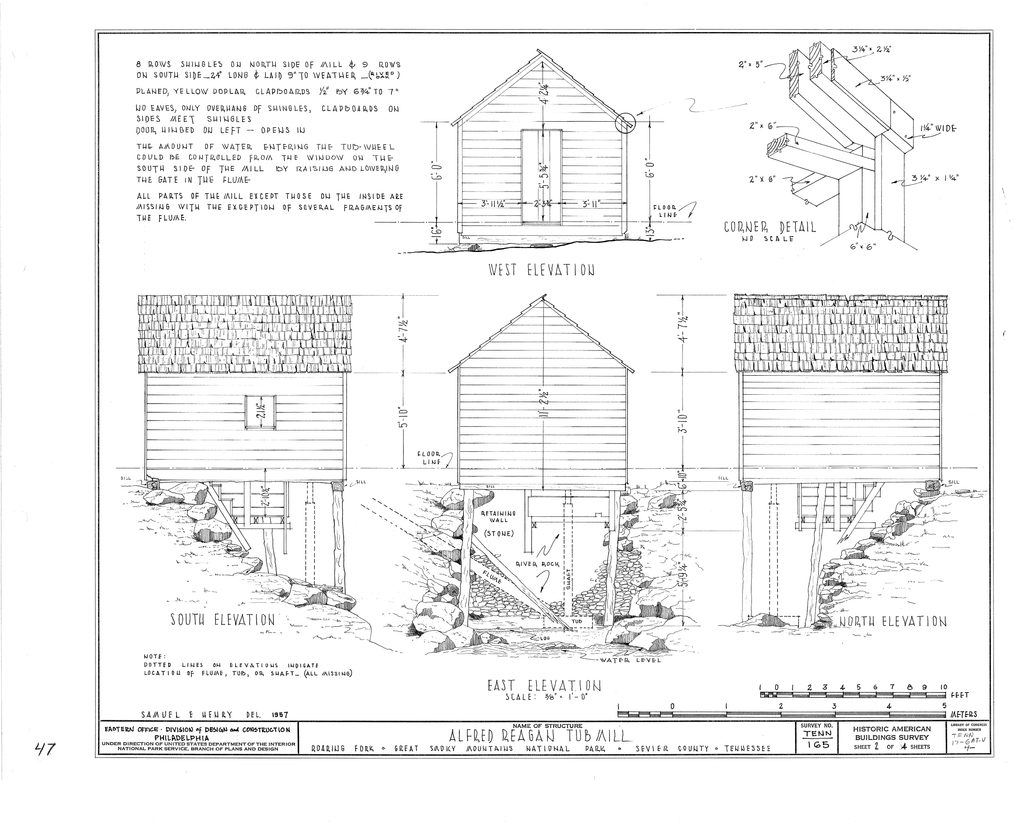
Place · 0.6 mi away
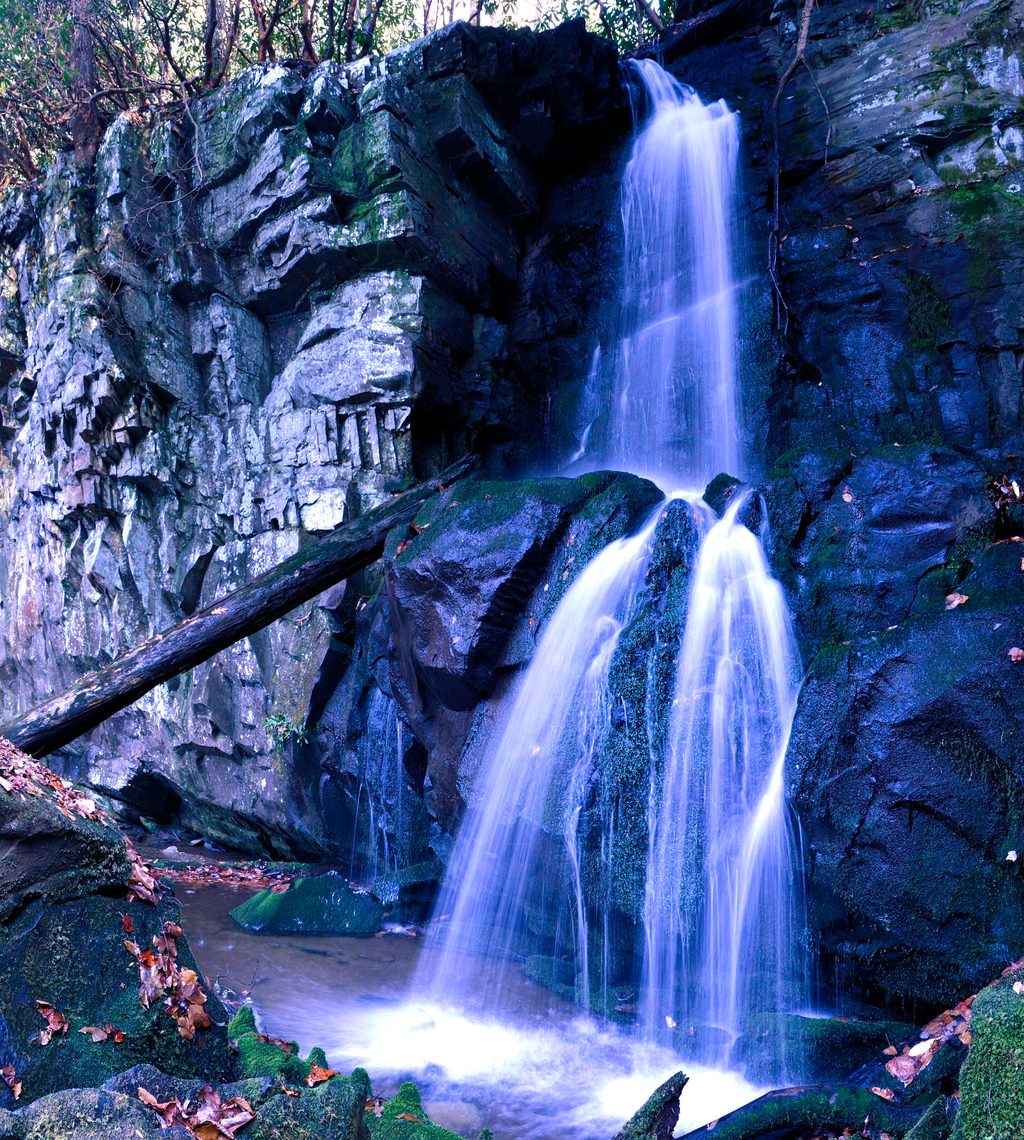
Moderate · 0.9 mi away
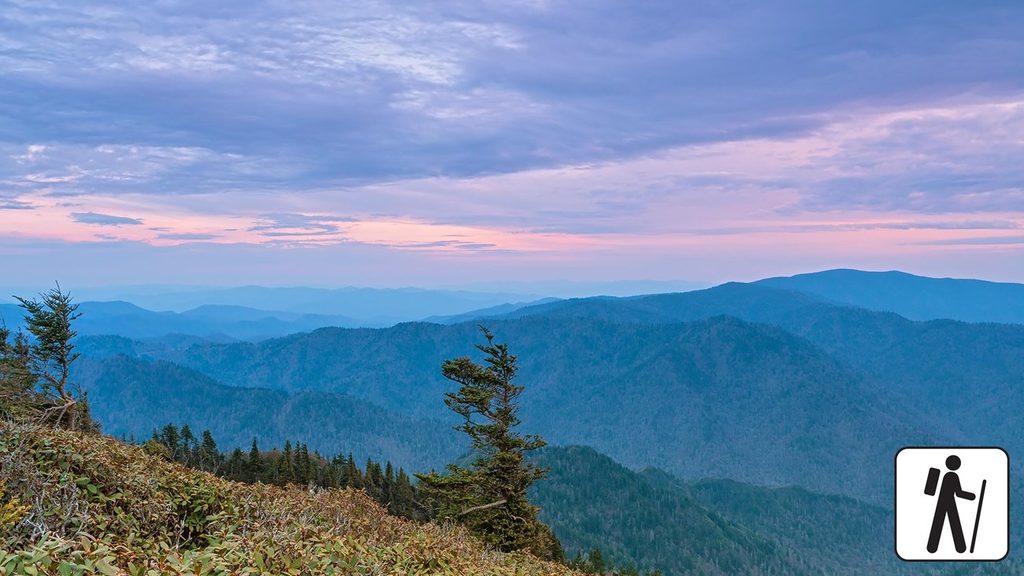
Challenging · 1 mi away
Easy · 1.6 mi away
Moderate · 1.6 mi away

Parkwolf Tour Guide
