Overview
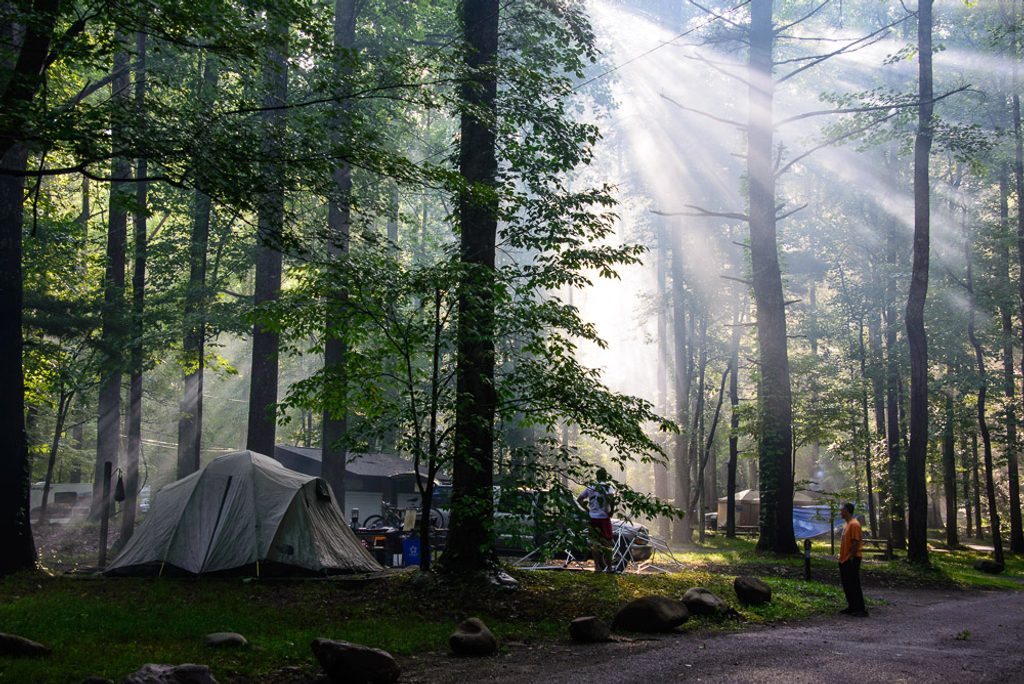
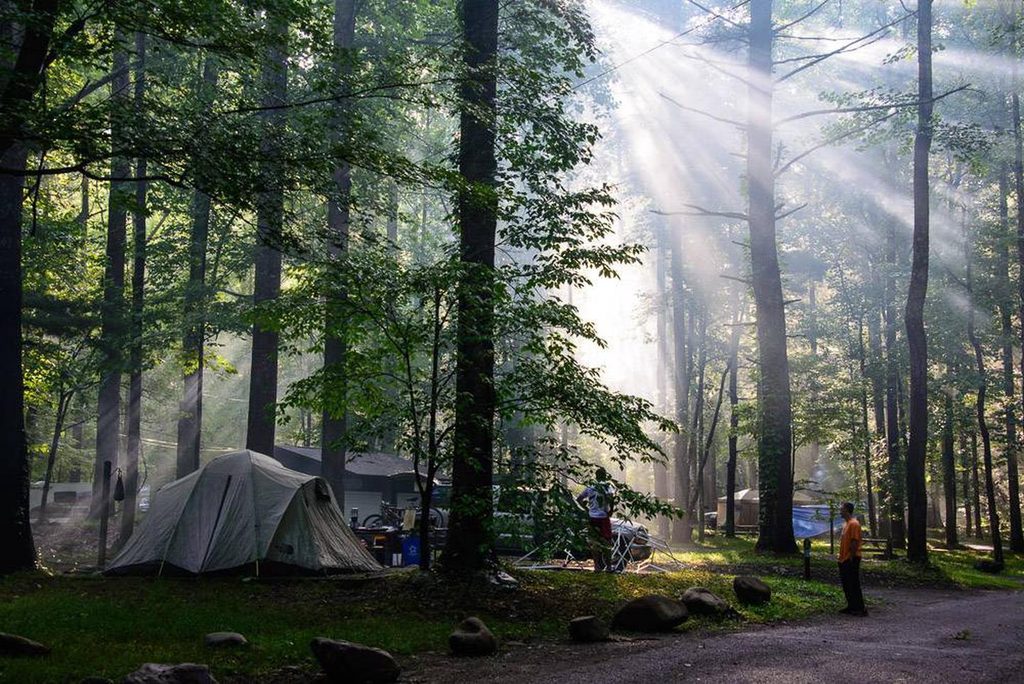
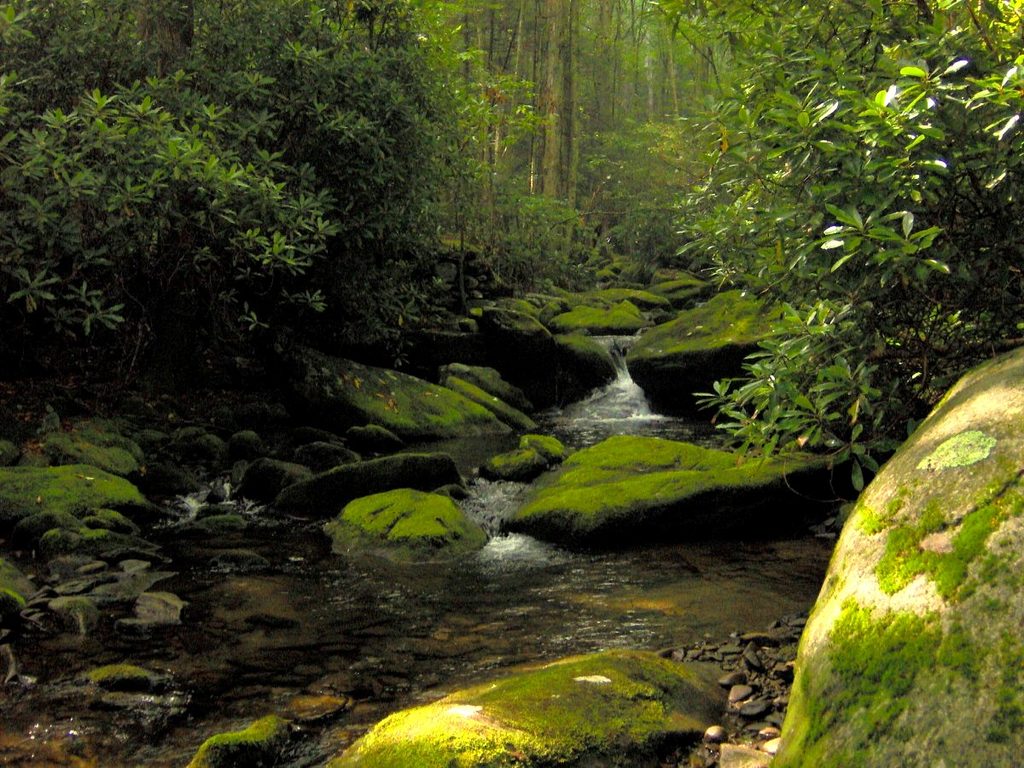
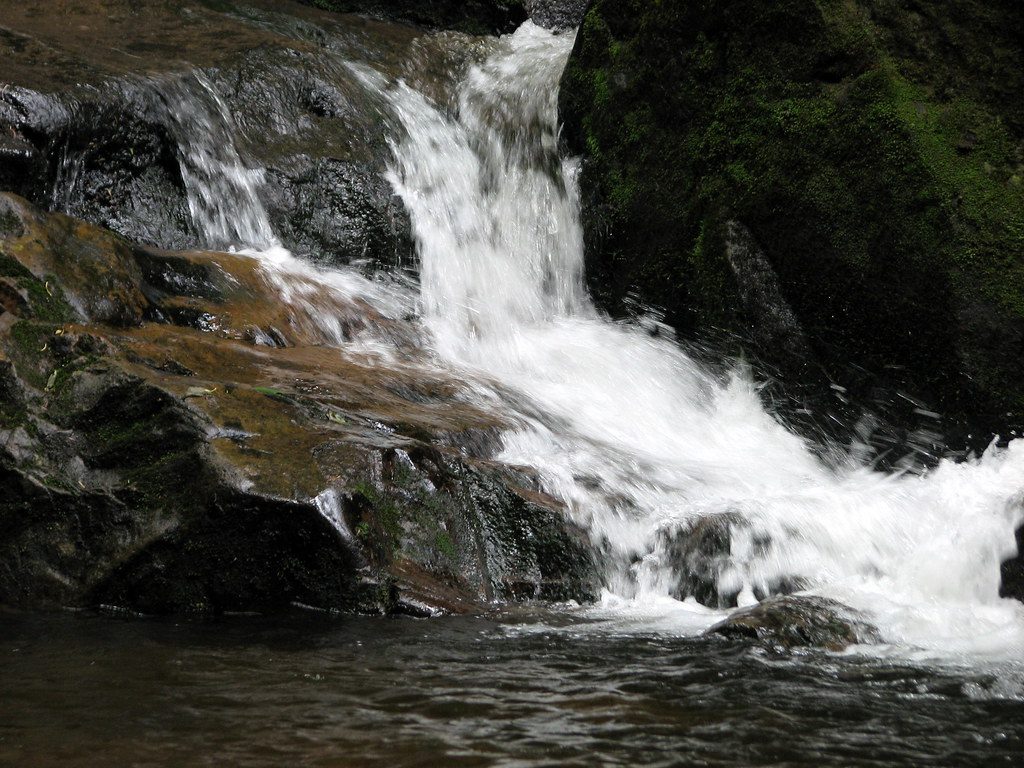
Elkmont Group Campground is the park’s classic basecamp for big crews: four tent‑only group sites, each fitting roughly 15–30 people. You’re tucked amid hemlocks and rhododendron near the Little River at 2,150 feet—cool nights, rushing water, and easy access to both history and trails.
What You’ll Find at Camp
- Facilities: Flush toilets and cold running water, plus potable spigots near restrooms.
- Campsites: Picnic tables and fire rings with grills at each group site; tent‑only.
- Power/water: No electric, water, or sewer hookups; no showers anywhere in the campground.
- Rules that matter: Quiet hours 10 pm–6 am; generators are not allowed in the group camp; a minimum of 7 people is required to book a group site.
- Parking tags: Not needed while parked at your reserved campsite; required if you park elsewhere in the park for more than 15 minutes.
- Pets: Allowed in camp on a leash; not allowed on most park trails (exceptions are the Gatlinburg Trail and Oconaluftee River Trail).
- Firewood: Use certified heat‑treated bundles or collect dead/down wood inside the park.
- Bears: High bear activity—store all food and scented items in a closed vehicle or solid camping unit when not in use.
Why Camp Here vs. Elsewhere
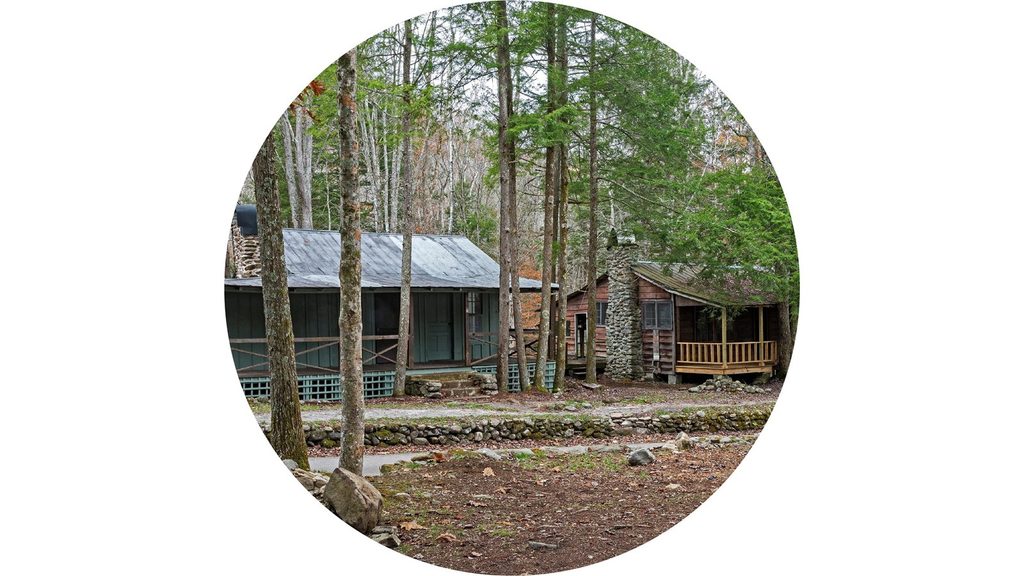
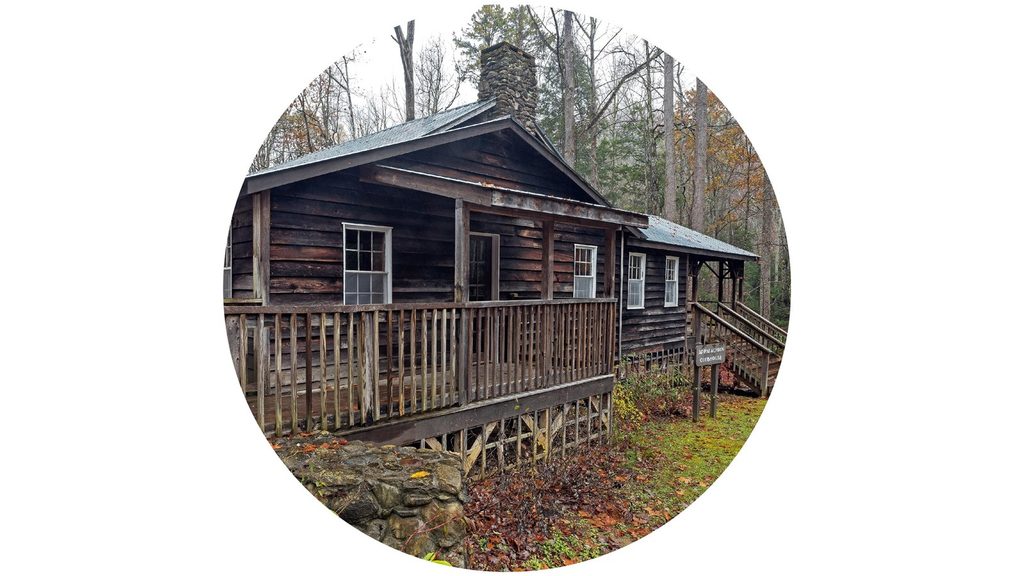
Elkmont is the rare combo of river sounds, quick trail access, and a walkable “ghost town” (the Elkmont Historic District). It’s also a strategic launchpad to popular hikes like Laurel Falls and to Gatlinburg for supplies. For groups, the convenience is hard to beat—just plan around the lack of hookups and showers.
Trails and Things to Do Nearby
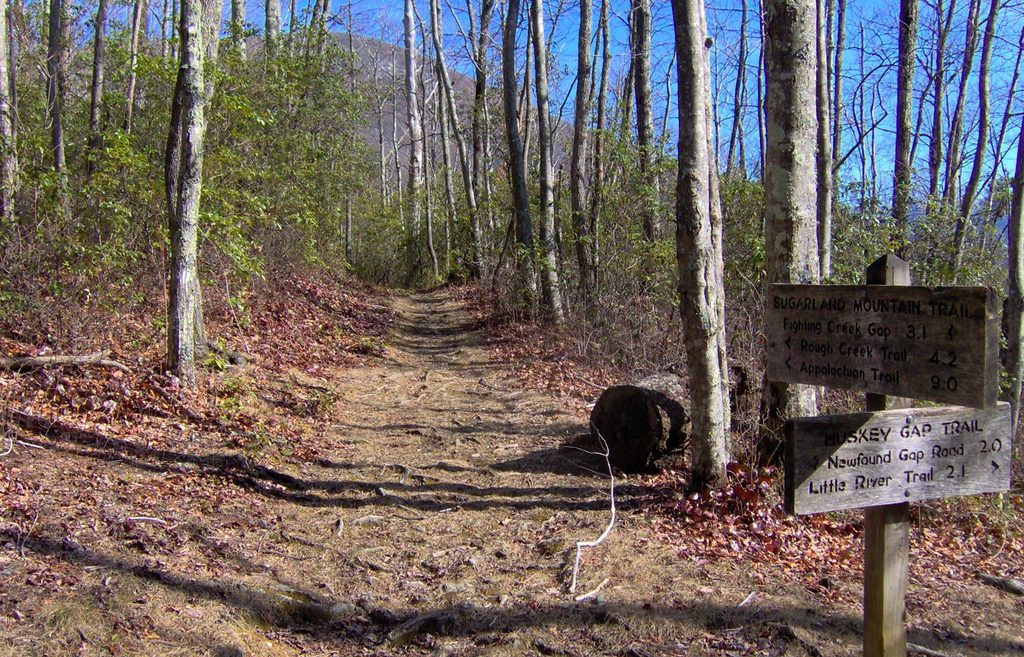
- Strolls from camp: Little River Trail, Jakes Creek Trail, and the Elkmont Nature Trail begin right from the area.
- Water time: Little River and Jakes Creek run through the area—great for wading and fishing; a TN or NC license is required.
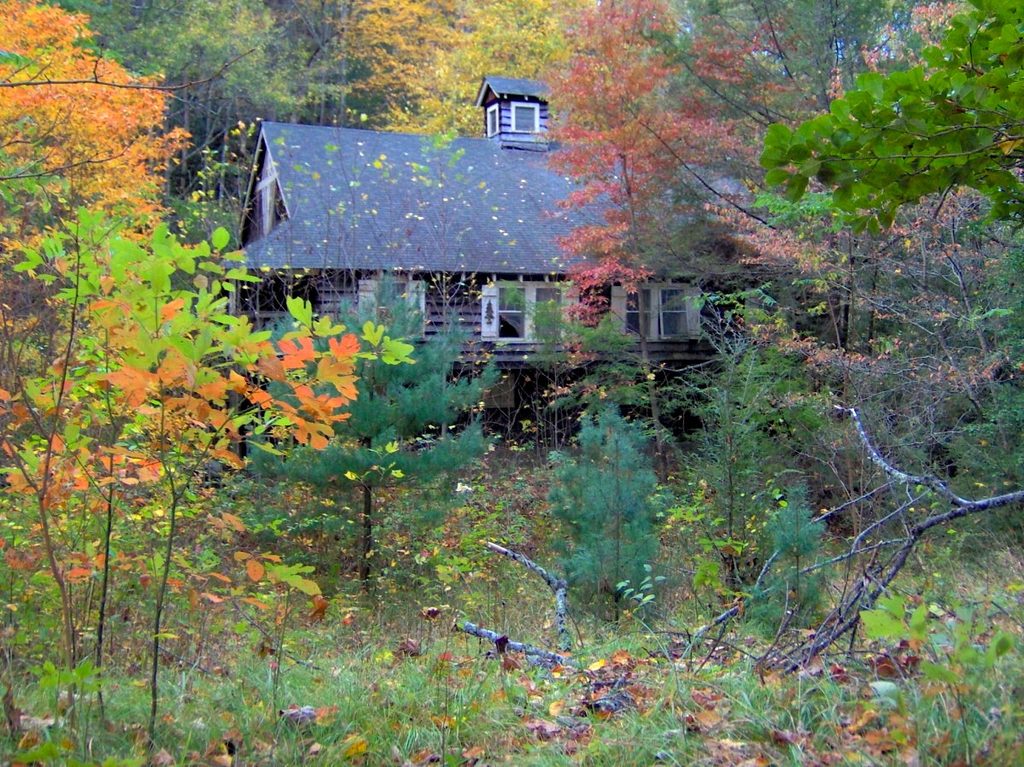
- History walk: Explore remnants of the former logging community and summer resort district just up the road.
Seasonal Highlights (Fireflies!)
Late May to mid‑June brings the synchronous fireflies phenomenon—magical, but busier and livelier after dark. Having a campsite here lets you walk to viewing areas and skip shuttle chaos, but expect more activity during peak nights.
Best Time to Visit
- Spring and fall: Mild temps, wildflowers or color, and thinner crowds midweek.
- Summer: Lush and lively but busy; aim for Monday–Thursday and arrive early.
- Fireflies window: Book far in advance; bring a red‑light headlamp and expect quiet, lights‑out etiquette.
- Daily rhythm: River sites have lovely morning light; afternoons are shaded and cooler. Evenings are ideal for campfire time before quiet hours.
Practical Planning for Group Leaders
- Reservations: Book early (season typically runs roughly mid‑March to mid‑November). There are no first‑come, first‑served sites.
- Logistics: No cell service—coordinate meetups and meal plans ahead of time. If you’re bringing an RV to support the group, plan dump/fill runs near Sugarlands Visitor Center.
- Wildlife smart: Keep a clean camp, use bear‑resistant dumpsters, and brief your group on food storage.
Good to Know
Gatlinburg sits about 8–9 miles away for groceries, restaurants, and rainy‑day diversions. The park protects exceptional biodiversity—keep an eye out for deer and the occasional elk, and always give bears space.