
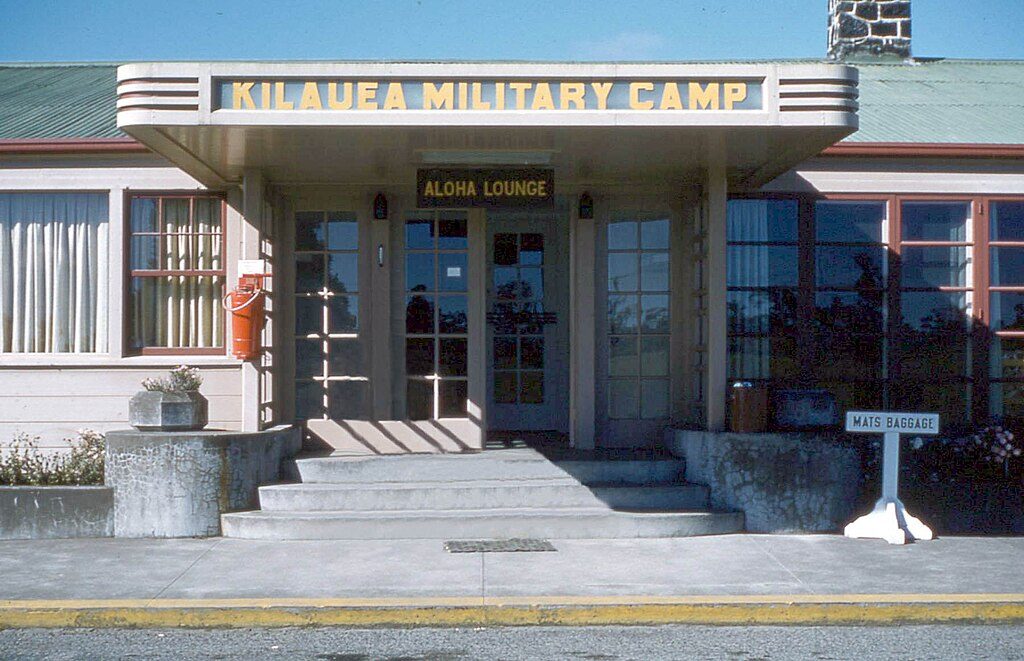
Place · 0.4 mi away
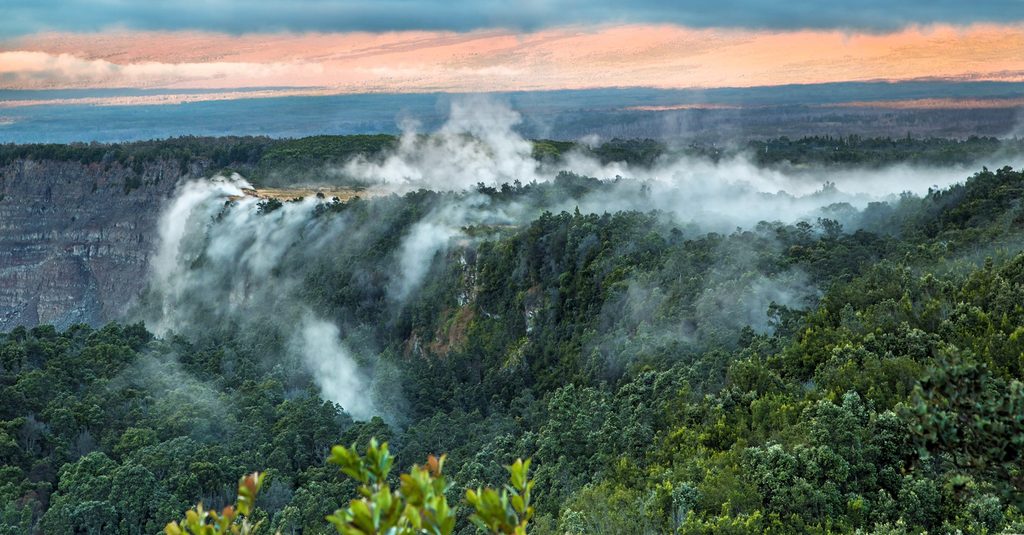
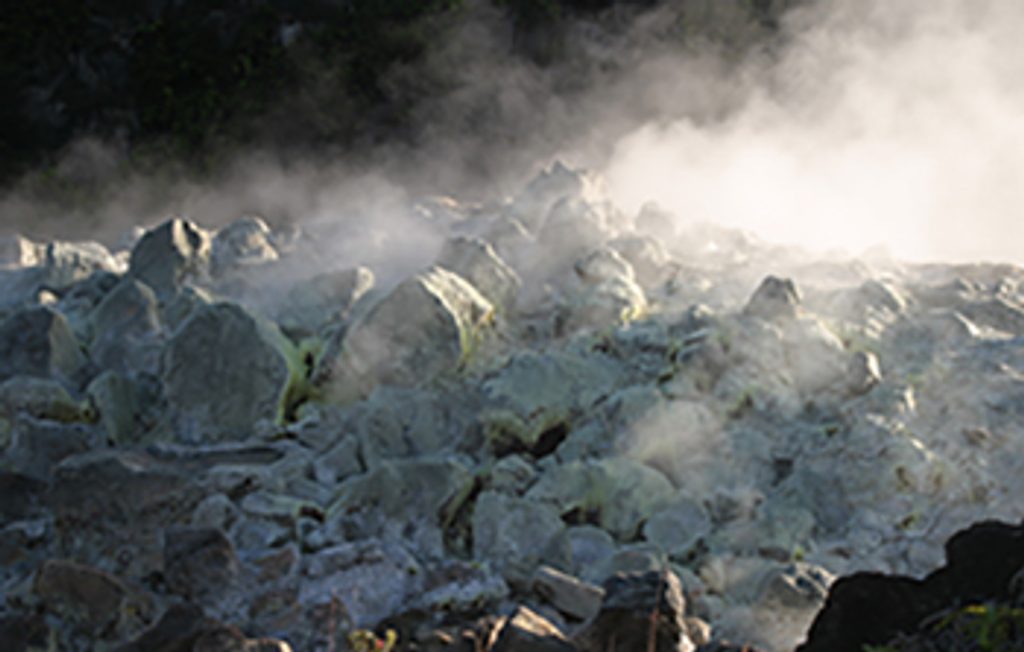
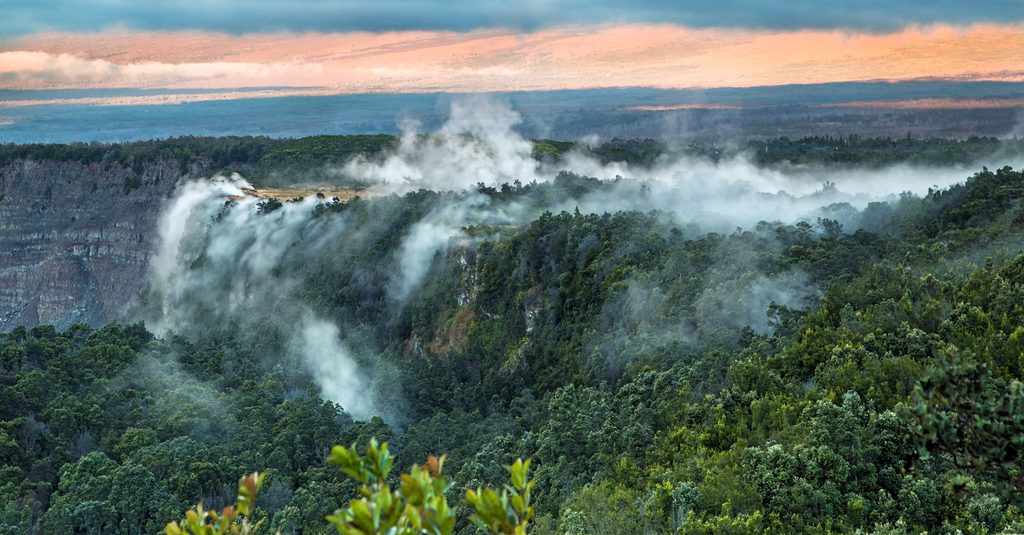
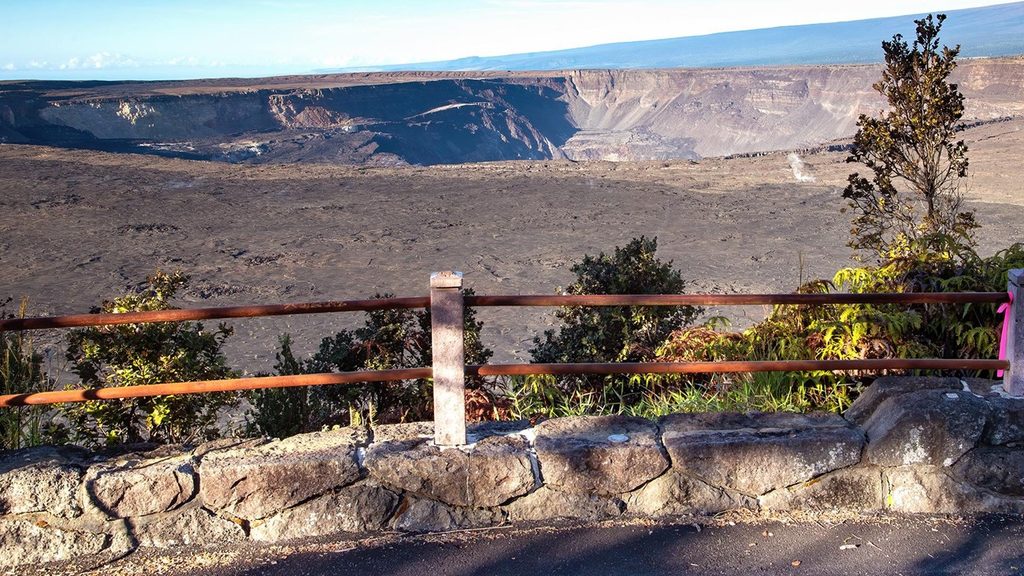
Wahinekapu, the Steaming Bluff on the rim of Kīlauea, is where you literally see and feel the volcano breathing—white plumes pour from cracks in the earth and drift up from the caldera edge. It’s an easy, quick stop with big payoff: dramatic steam, wide caldera views, and context about why this place matters.
This isn’t just a pretty overlook. Steam vents hiss across the landscape and from the bluff below the trail, a vivid reminder of the heat beneath your feet. Wahinekapu is also a sacred site in Hawaiian tradition, historically used for purification before entering the caldera associated with Pele.
Rainwater sinks into the ground, gets heated by shallow volcanic rocks, and returns as steam through a web of cracks. Temperatures measured in some cracks around Wahinekapu reach about 63°C (145°F), which is hot enough to keep the area sparse and scrubby near the vents.
Wahinekapu translates to “Sacred Woman.” Treat it like the living, cultural place it is: stay on paths, don’t disturb offerings or plants, and give the site a moment of quiet attention.
This is a geology-first stop. You may hear or glimpse native forest birds in nearby vegetation, but the hottest ground near the vents isn’t wildlife-friendly. Come for steam and views.
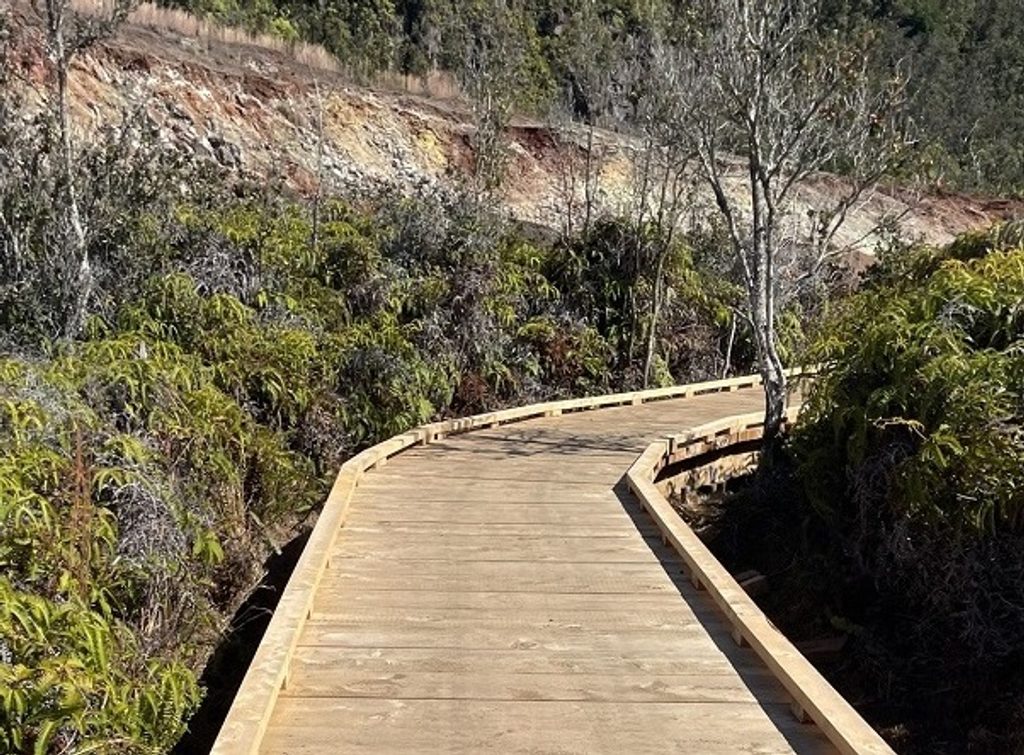
Stay on established paths—the ground can be thin, fractured, and very hot off-trail. The rim is close by, steam can obscure footing, and surfaces get slick when wet.
Park at the Steam Vents lot and stroll about 0.1 mile to the bluff. It links easily with the Crater Rim Trail and nearby caldera overlooks, plus the Kīlauea Visitor Center and Volcano Art Center are an easy add-on.
Early morning is prime: cooler air makes the steam look bigger and more photogenic, sunrise light can glow through the vapor, and crowds are light. Midday sees the most people and flatter light. Evenings can be peaceful; weather sets the mood here—on rainy, foggy days expect muted views but plenty of steam.
Place · 0.4 mi away
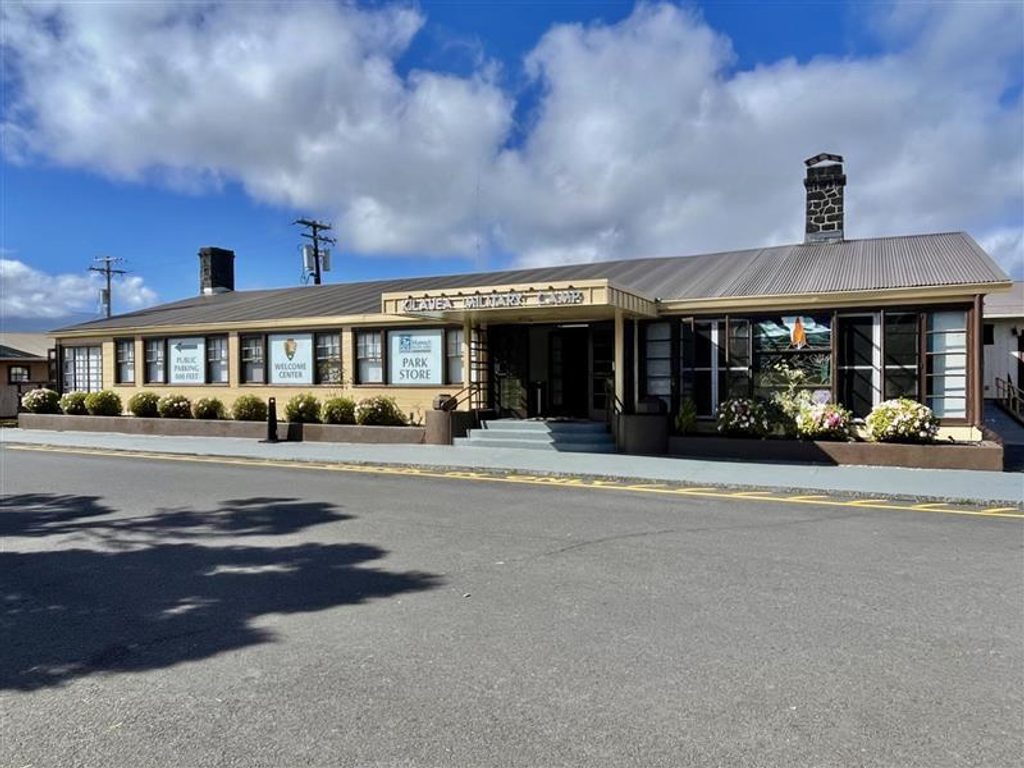
Place · 0.4 mi away
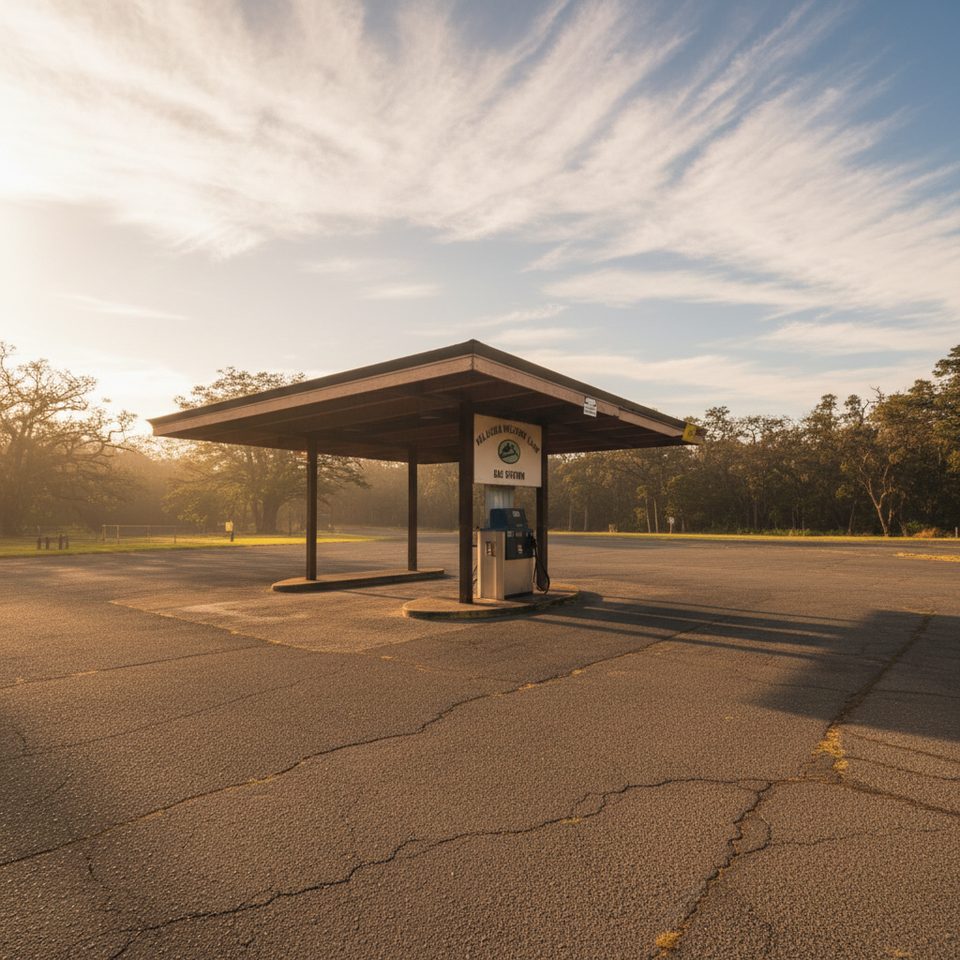
Place · 0.4 mi away
Place · 0.5 mi away
Easy · 0.1 mi away
Easy · 0.5 mi away
Moderate · 0.6 mi away
Easy · 0.8 mi away

Parkwolf Tour Guide
