
Place · 0 mi away
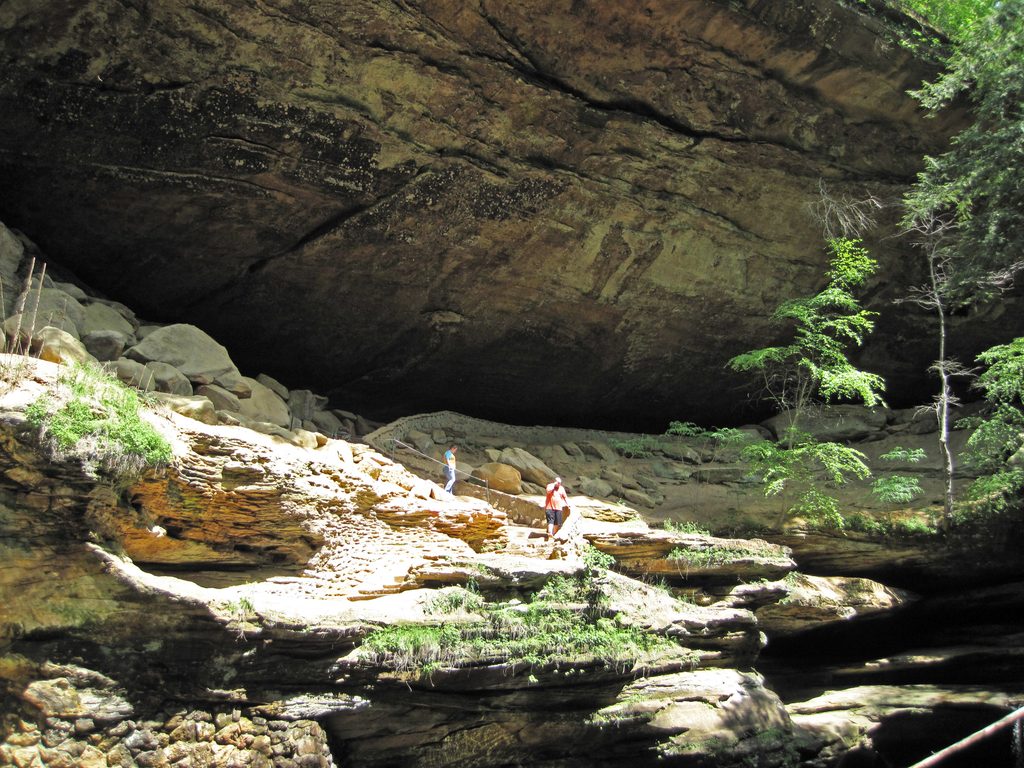
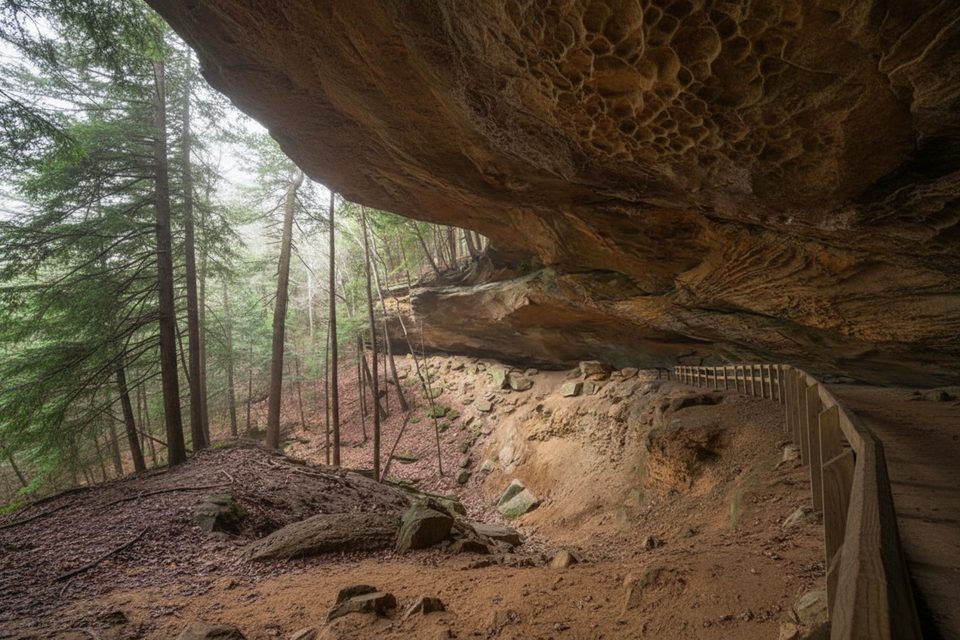
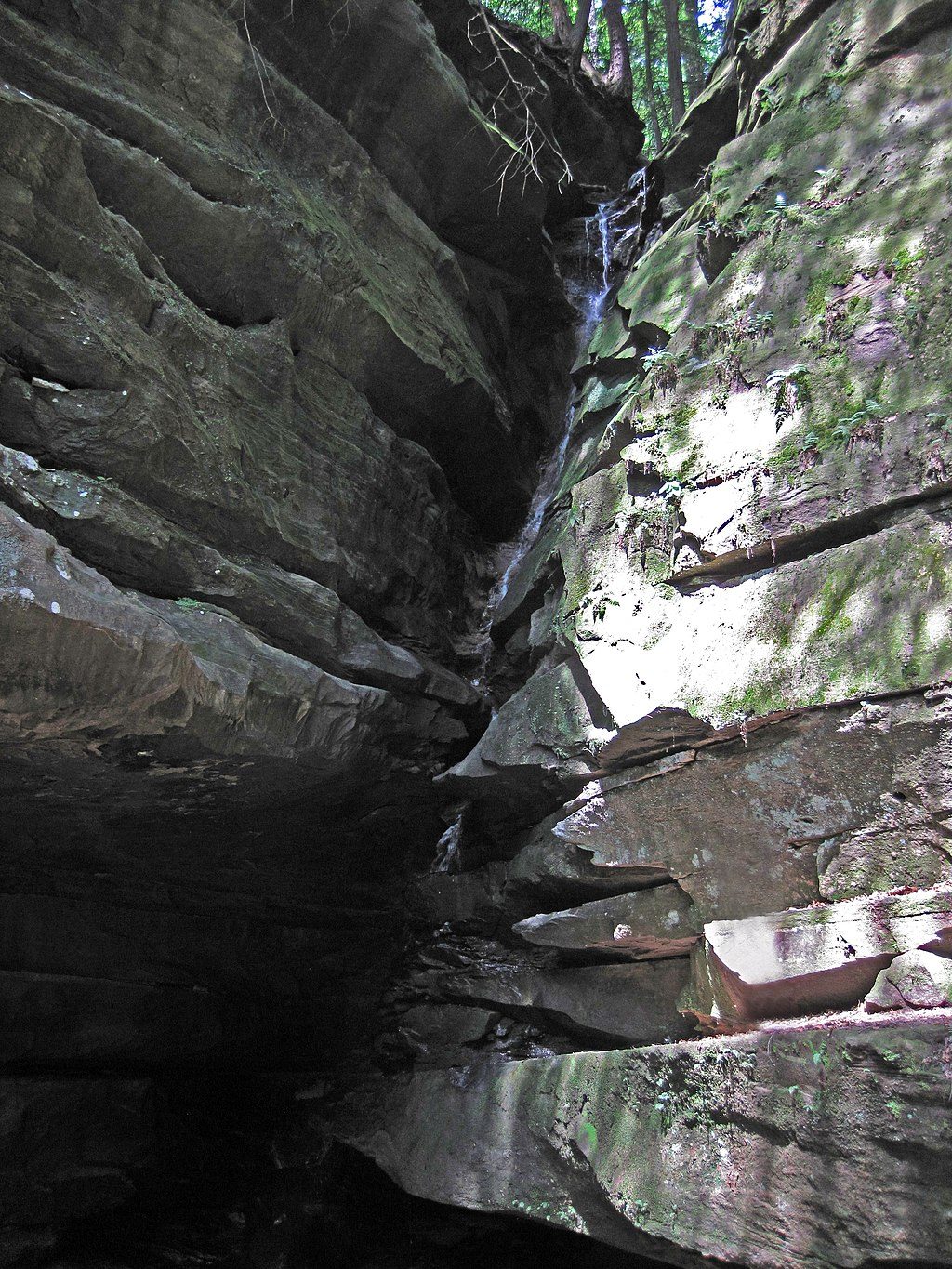
The Recess Cave—what most people mean by Old Man’s Cave—is the showpiece alcove tucked deep in the gorge. You descend past waterfalls and sculpted sandstone to stand beneath a towering rock shelter that feels cathedral‑like in scale. It’s popular, yes, but there’s a reason: you get a sampler of everything Hocking Hills does best in a short loop.
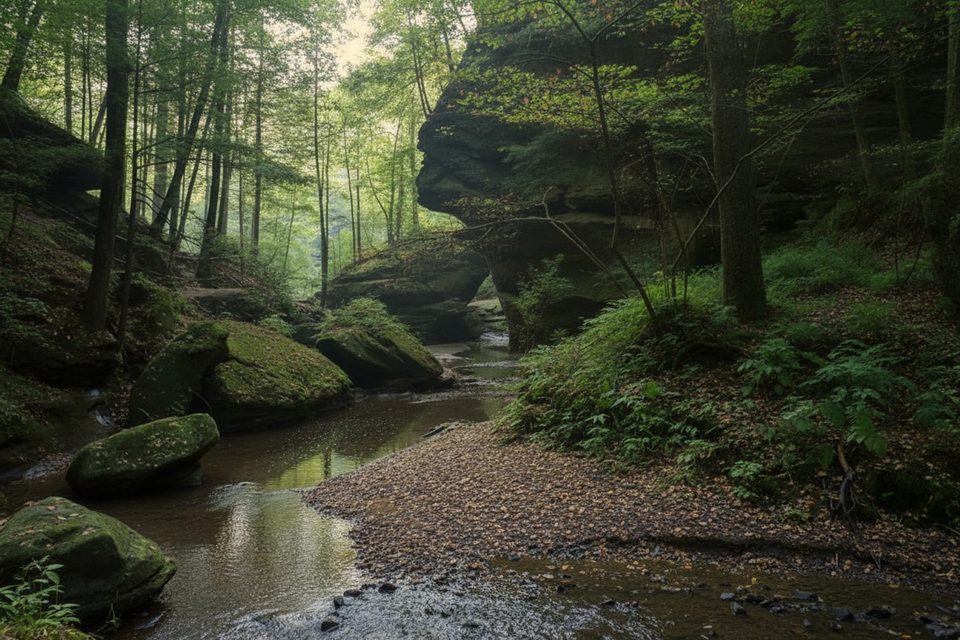
Everything here is carved in Mississippian‑age Blackhand Sandstone, born from ancient braided rivers. The rock has a hard top and bottom with a weaker, cross‑bedded middle; groundwater gnawed away that middle layer, leaving the roof to overhang and creating the classic recess cave form. Look for cross‑bedding in the walls, honeycomb textures, slump blocks on the gorge floor, and plunge pools at the falls.
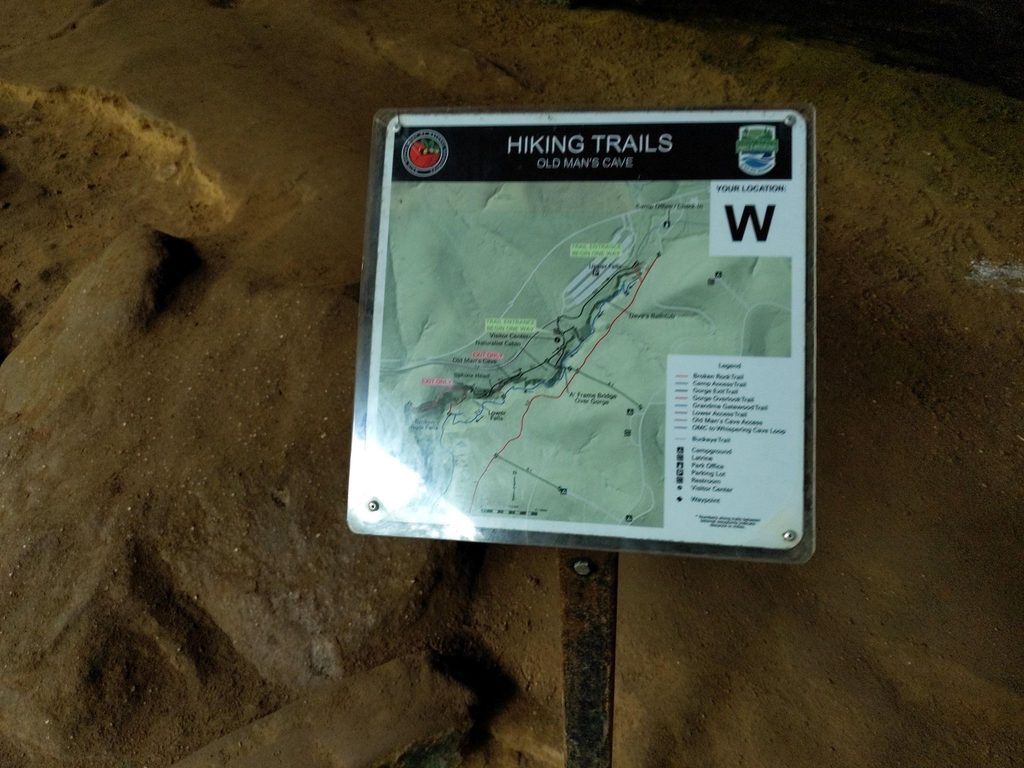
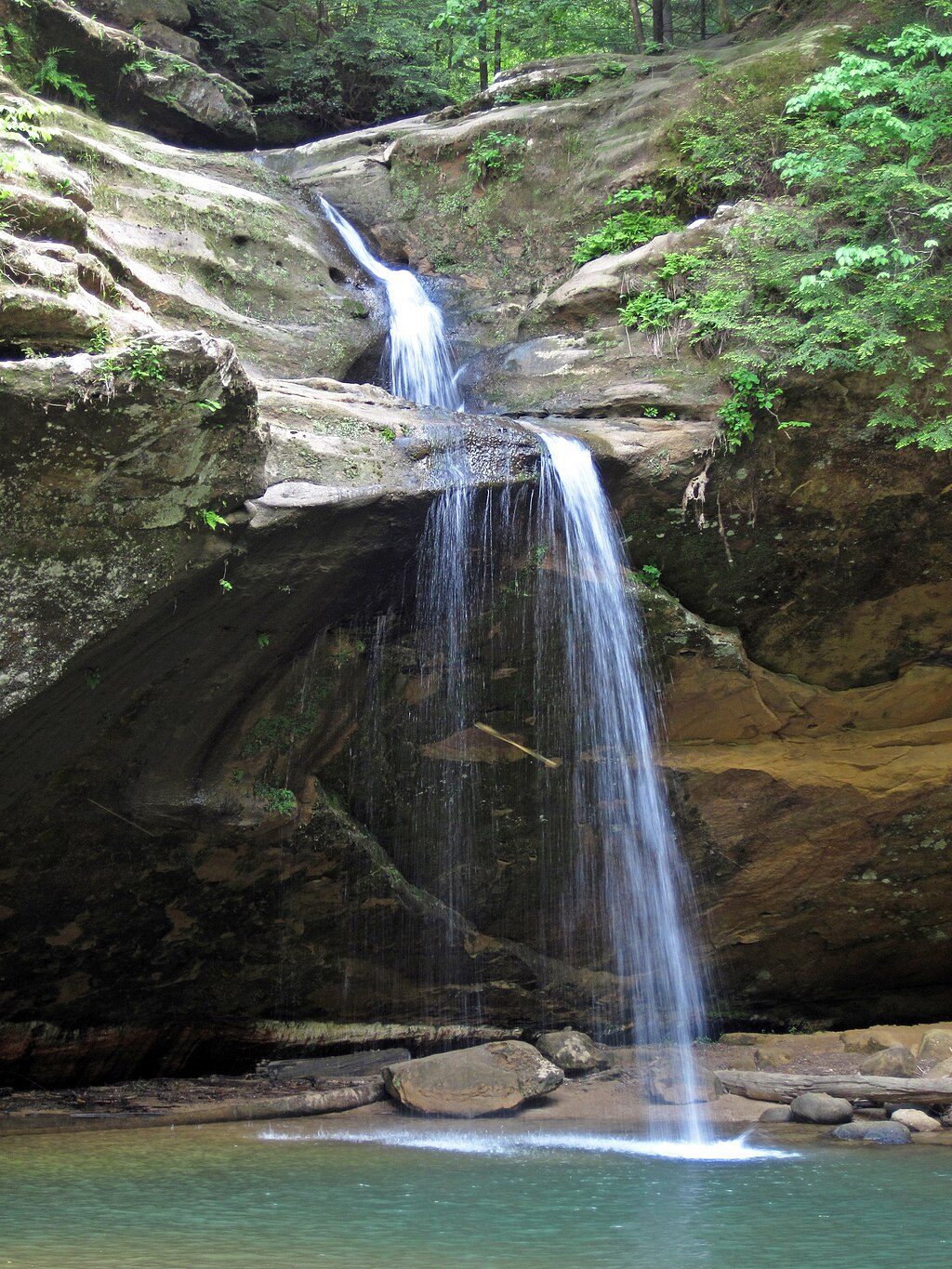
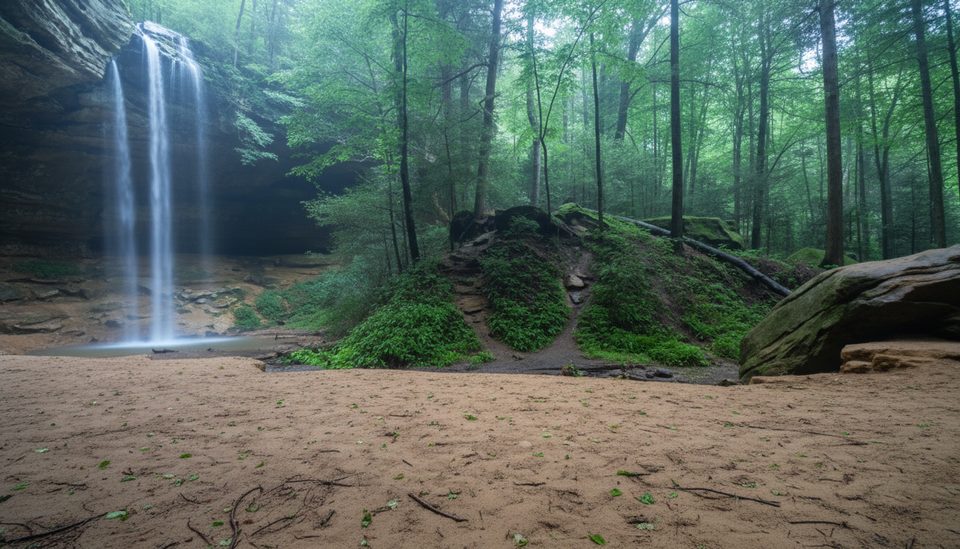
Expect stone steps, bridges, and narrow passages as you drop into the gorge, pass landmarks like Upper Falls, Devil’s Bathtub (a swirling pothole), and on to the Recess Cave and Lower Falls. The main loop is generally 1–1.5 miles depending on which exit you take; it’s short but not trivial thanks to stairs and cliff edges. Stay on the marked route and keep out of the water—no wading or swimming anywhere along the creek or waterfalls.
The name honors Richard Rowe, a hermit who lived here in the late 1700s. The broader area is often described in five parts along Old Man’s Creek: Upper Falls, Upper Gorge, Middle Falls, Lower Falls, and Lower Gorge.
This shaded canyon runs cooler and wetter than the uplands, a refuge for northerly species like eastern hemlock, Canada yew, and yellow birch. In the damp, keep an eye out for salamanders among the mosses and ferns; along the forest edges you’ll hear common songbirds and might spot white‑tailed deer.
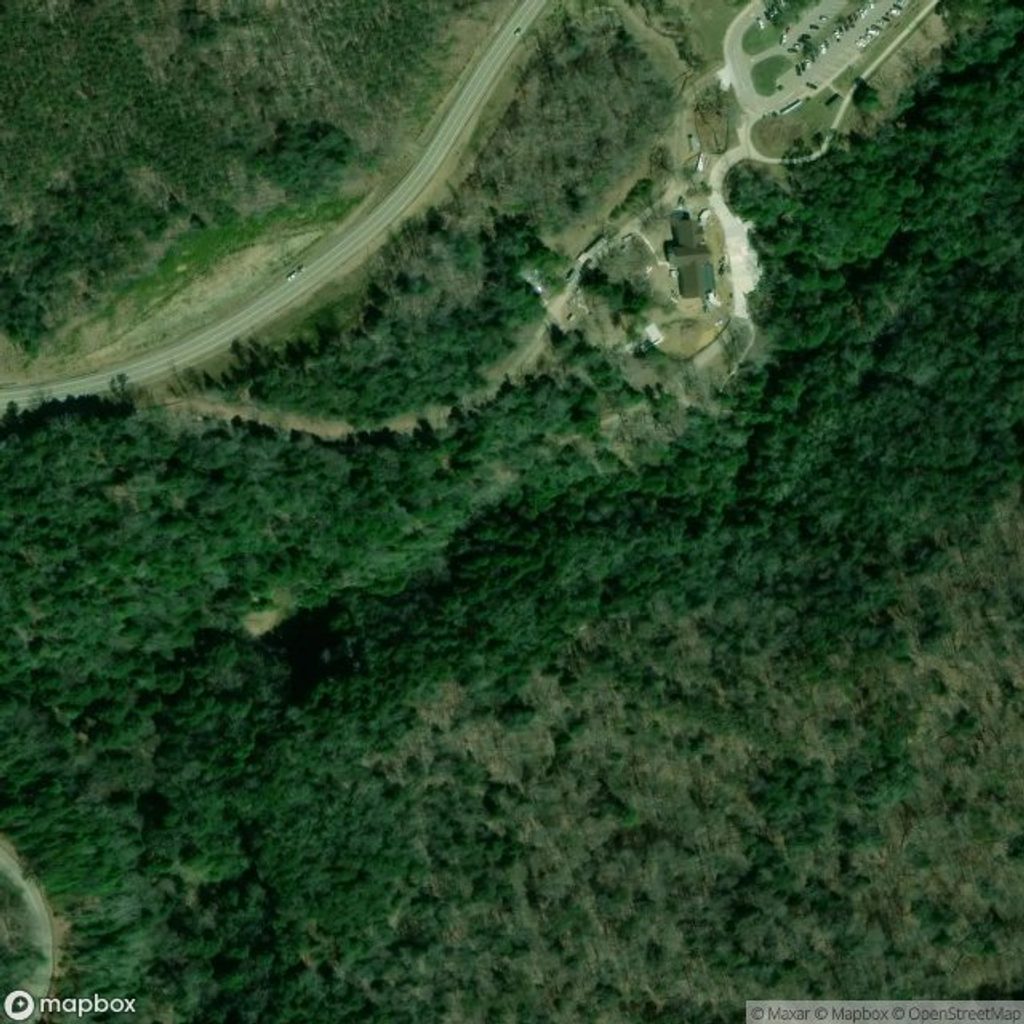
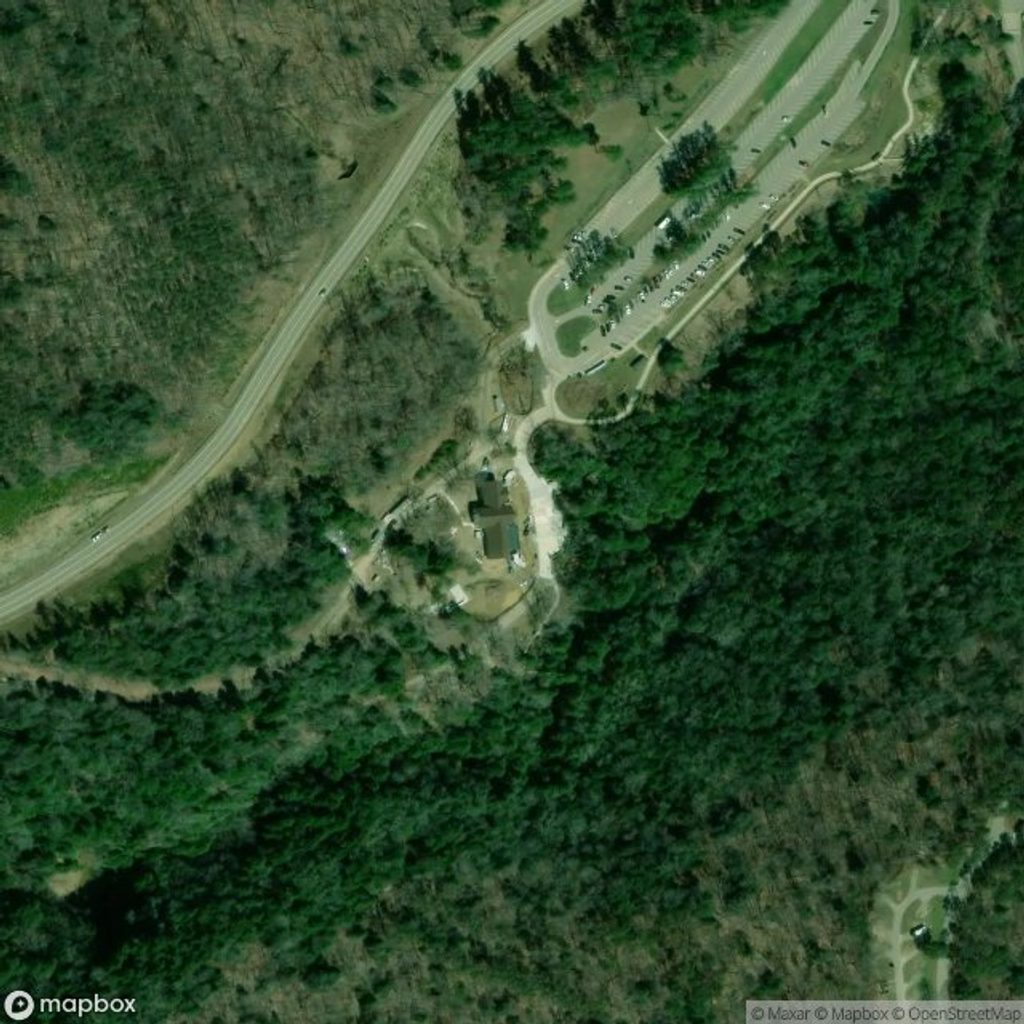
There are no amenities in the gorge. Use the restrooms at the Visitor Center by the main parking area, then descend. Trails and steps can be slick any time—especially after rain and in winter—so shoes with real tread are non‑negotiable. Waterfalls are best after recent rain; winter can transform the walls and falls into photogenic ice.
Weekdays and early mornings are your friend. Saturdays from late morning through mid‑afternoon are typically the most packed; go before 10 a.m. or closer to evening for thinner crowds. After rain, bring a rain shell and embrace the spray; in winter, add traction for the icy stairs and come for the frozen curtains.
Place · 0 mi away
Place · 0 mi away
Place · 0.1 mi away
Place · 0.1 mi away
Moderate · 0.1 mi away
Moderate · 0.1 mi away
Moderate · 0.1 mi away
Moderate · 0.1 mi away

Parkwolf Tour Guide
