
Place · 0 mi away
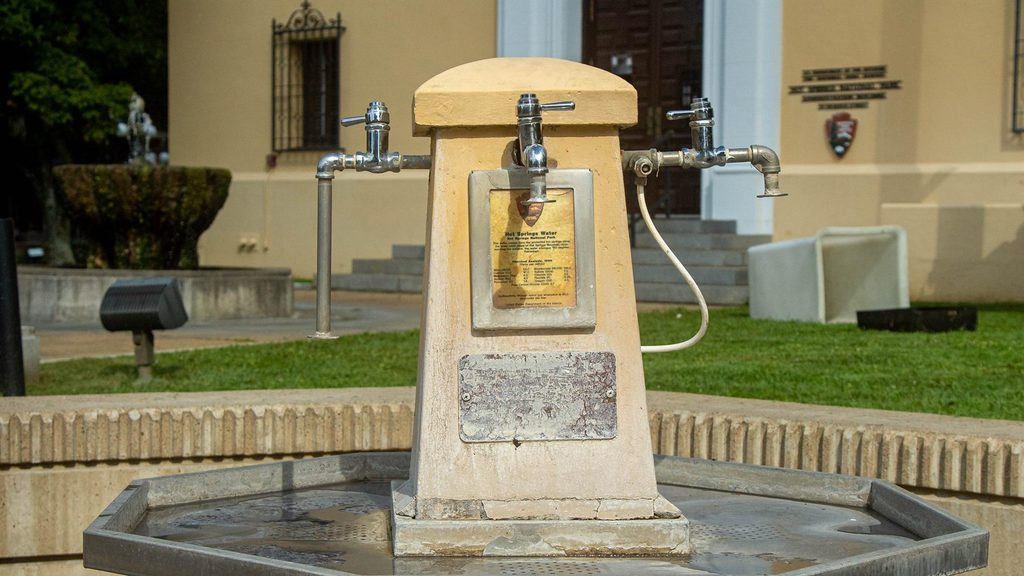
If you do one uniquely Hot Springs thing, make it this: “quaff the elixir.” The park pipes naturally potable thermal water—roughly 4,000 years in the making—straight to public fountains so you can sip it or fill jugs to take home. It emerges around 143°F, richly mineralized, and it’s free.
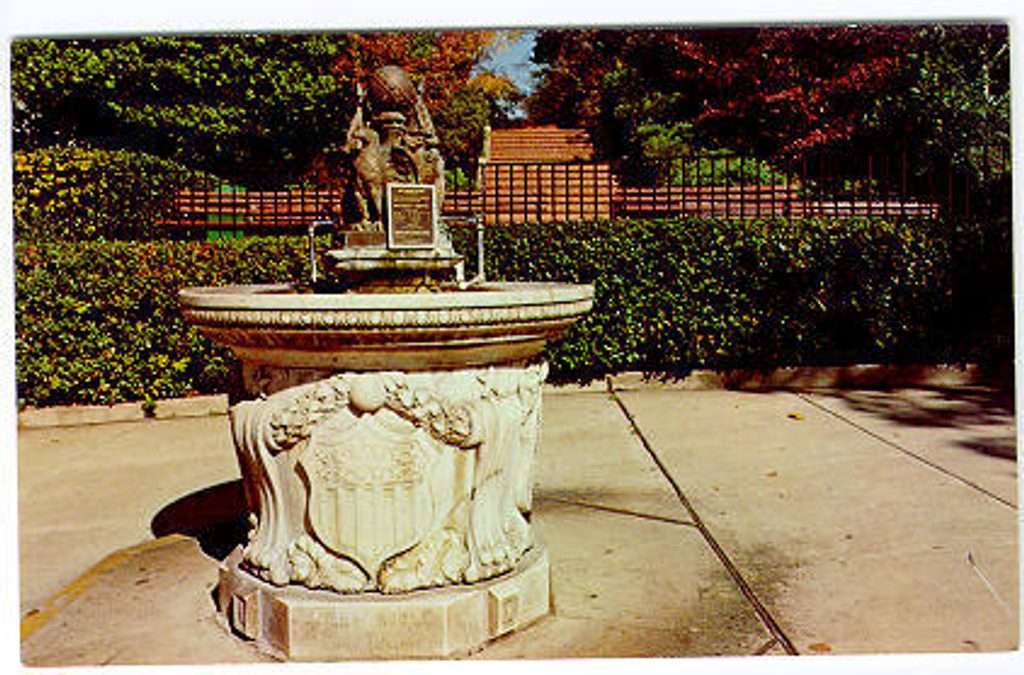
You’ll find jug‑friendly hot-water spigots on Reserve Street (in front of the Libbey Memorial Physical Medicine Center and the National Park Service Administration Building) and at Hill Wheatley Plaza on Central Avenue. Along Bathhouse Row, smaller drinking fountains include spots between the Hale and Maurice Bathhouses, the Shell Fountain on the Stevens Balustrade, the Dripping Spring, and the Noble Fountain at the south end of the Grand Promenade. If you want cold spring water, look for the ozone‑treated, chilled fountains at Happy Hollow and Whittington Spring.
Rainwater seeps deep into fractures in the Ouachita Mountains, circulates 6,000–8,000 feet below ground, warms via the geothermal gradient, and returns to the surface after about forty-four centuries. The water carries dissolved minerals like silica, calcium, magnesium, and potassium. As springs cool at the surface, calcium carbonate precipitates into gray, spongy tufa you’ll see near display springs and cascades along Bathhouse Row.
The park monitors thermal water to U.S. drinking‑water standards, and its high temperature helps control most harmful bacteria. Legionella has been detected at times in some samples; the primary risk is from inhalation (not typical when you’re simply drinking). If you’re immunocompromised, consider extra caution and consult your physician. Do not touch or enter display springs; tufa is fragile and surfaces can be slick.
Mornings are your friend—easier parking, quieter spigots, and cooler air when you’re handling near‑boiling water. Midday on weekends sees more sidewalk traffic along Bathhouse Row. Jug-filling stops on Reserve Street are typically less hectic than the central stretch of Row. Always verify current fountain status with the Visitor Center before you plan a big fill‑up run.
Bring clean, heat‑safe containers if you plan to collect hot water; it’s truly hot enough to hurt, especially in summer. Let filled jugs cool before capping them tightly. Prefer it chilled and crisp? Use the cold spring fountains mentioned above. If you want a soak, head to the two operating bathhouses on Bathhouse Row that use the same thermal water—there are no outdoor soaking pools in the park.
Place · 0 mi away
Place · 0.2 mi away
Place · 0.2 mi away
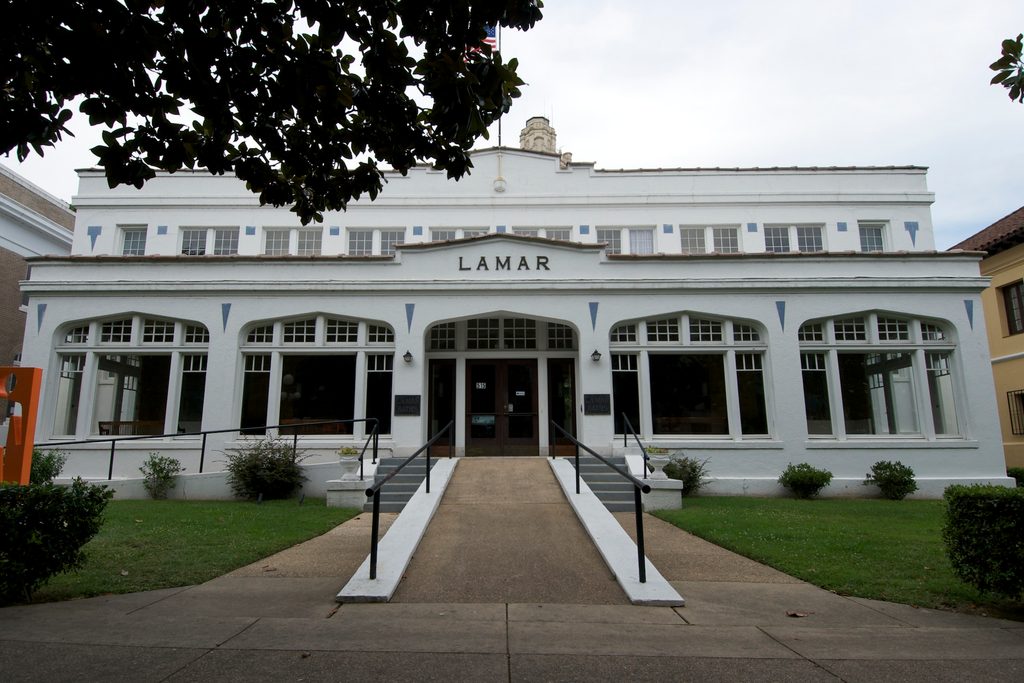
Place · 0.2 mi away
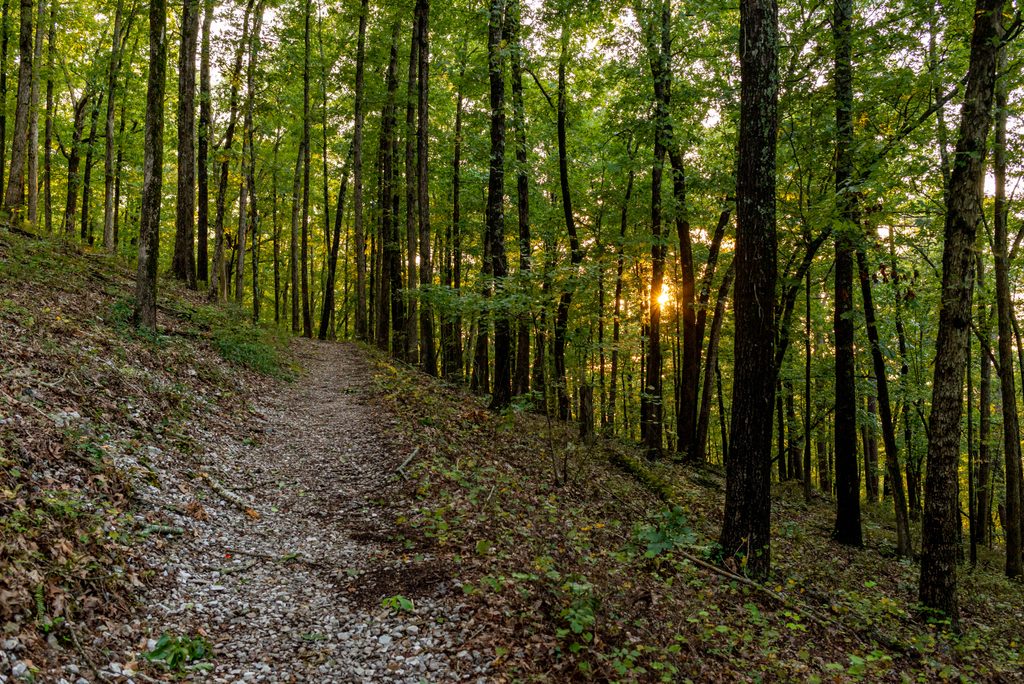
Challenging · 0.2 mi away
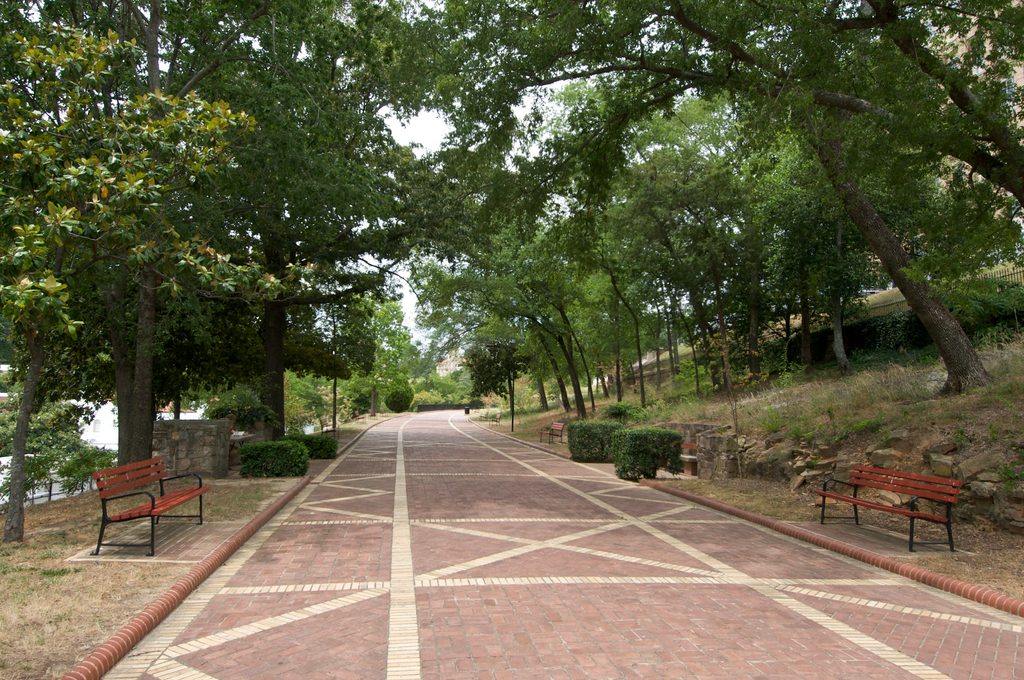
Easy · 0.2 mi away
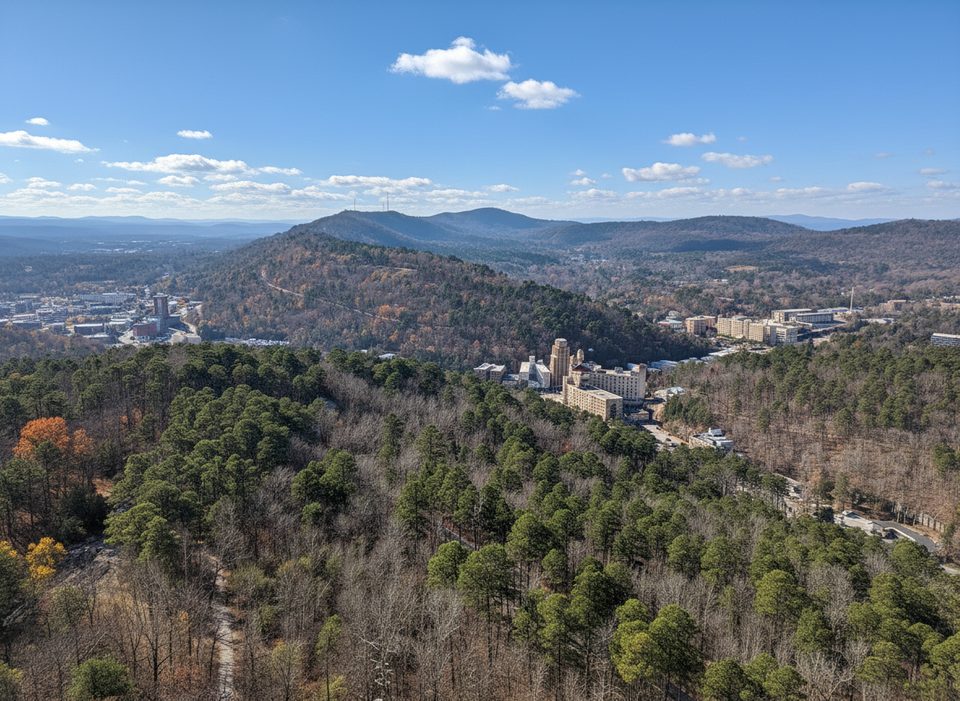
Moderate · 0.3 mi away
Easy · 0.3 mi away

Parkwolf Tour Guide
