
Place · 0 mi away
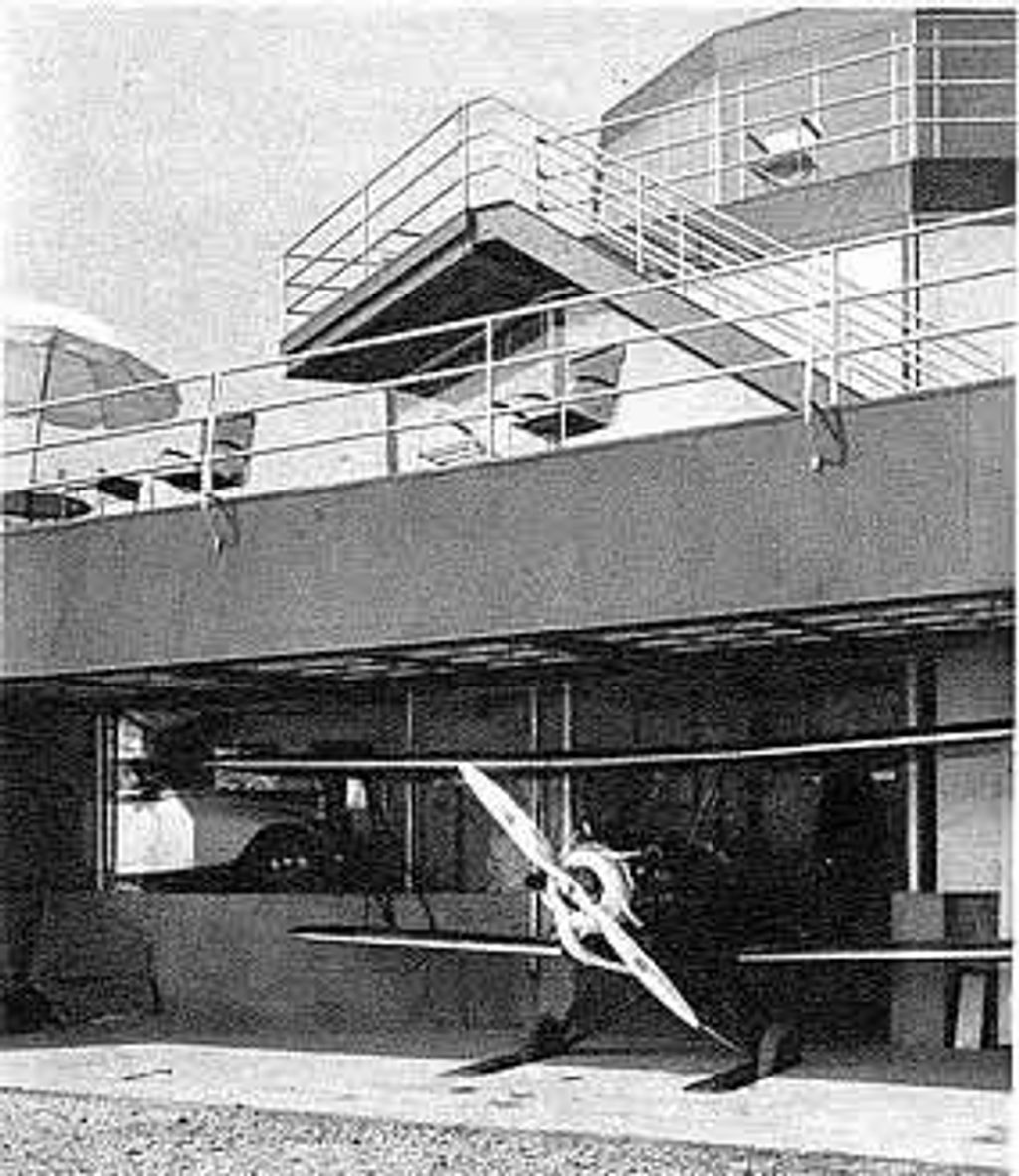
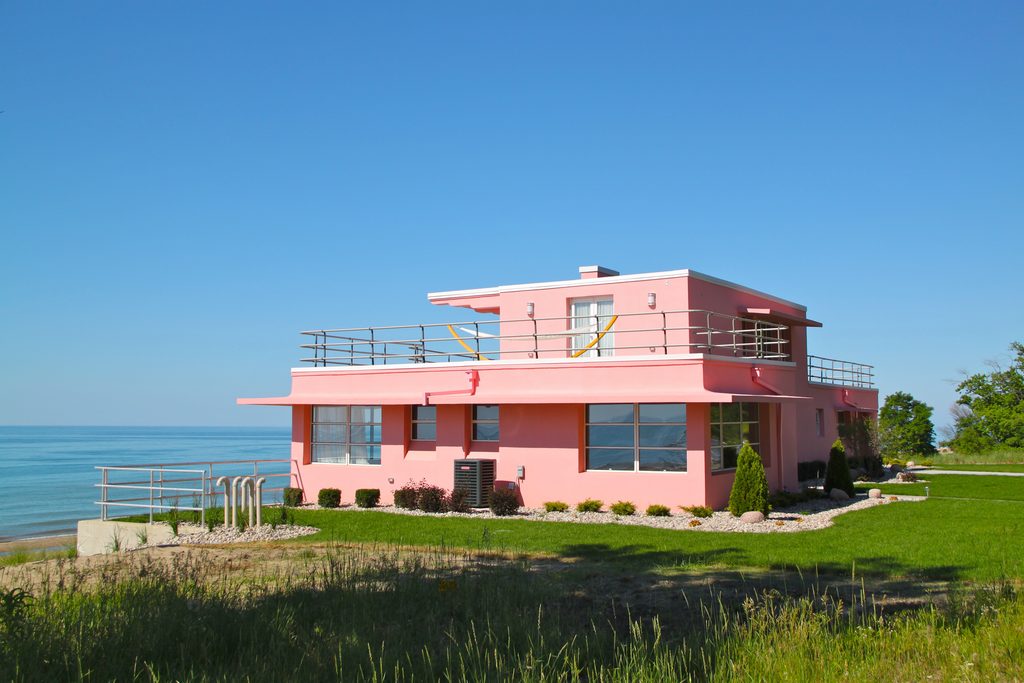
The House of Tomorrow is the head‑turner of the Century of Progress Architectural District on the Beverly Shores lakefront. Designed by George Fred Keck for the 1933–34 Chicago World’s Fair, it’s a three‑story, twelve‑sided prototype that pushed modern living into, well, tomorrow—decades before “glass house” became a thing.
From the street, you get the striking glass curtain‑wall facade and that unmistakable dodecagonal footprint set above Lake Michigan’s dunes. It sits with four other World’s Fair homes that were moved here by barge and truck, creating a compact, one‑of‑a‑kind architectural cluster. Expect exterior views, interpretive signs, and (depending on timing) ongoing restoration activity.
This is not a walk‑in attraction. Public interior access is rare—typically limited to a single “Century of Progress Homes Tour” day each year—so most visits are curbside. Parking is minimal along Lake Front Drive, and there are no services at the house itself. Plan to admire it from the outside unless you’ve snagged tour tickets.
Keck’s design experimented with plate glass walls, a central stair, and forward‑looking materials and systems. When it debuted, the house showcased innovations like central air conditioning and an early home dishwasher, earning it a reputation as “America’s first glass house.” Its preservation is a joint effort between Indiana Dunes National Park and Indiana Landmarks, with restoration funded in part by the Great American Outdoors Act.
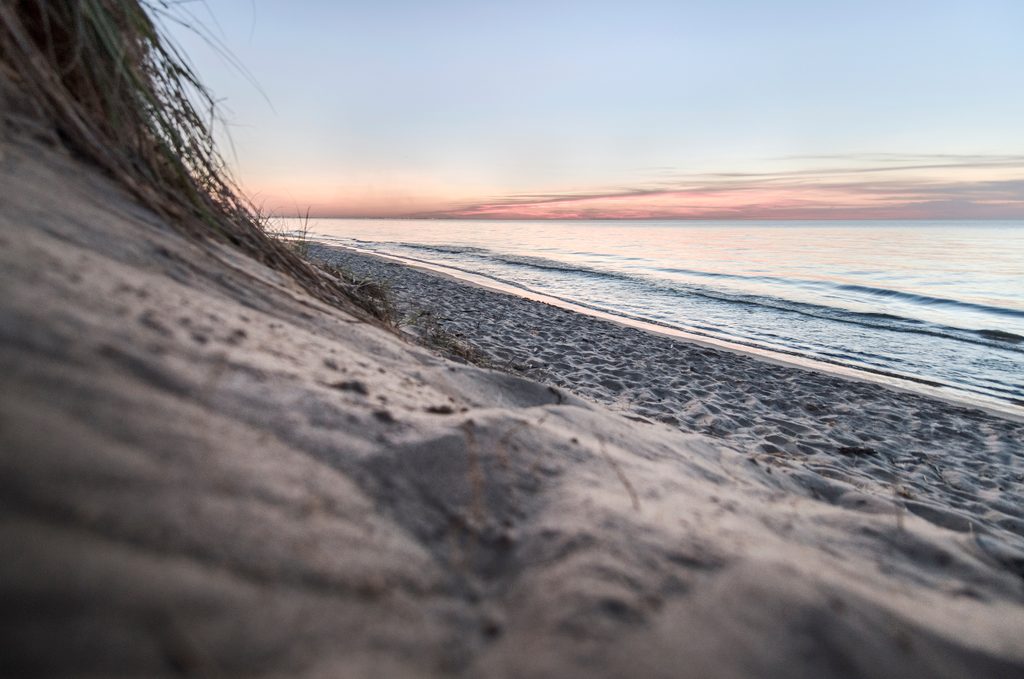
You’re in the dunes zone along Lake Michigan, so keep an eye out for shorebirds and seasonal migrants cruising the lakefront. The house is the star, but the setting adds that wild‑shore backdrop that makes the architecture feel even more futuristic.
Place · 0 mi away
Place · 0 mi away
Place · 0.1 mi away
Place · 0.3 mi away

Moderate · 0.6 mi away
Easy · 1 mi away
Easy · 1.5 mi away
Moderate · 2.6 mi away

Parkwolf Tour Guide
