
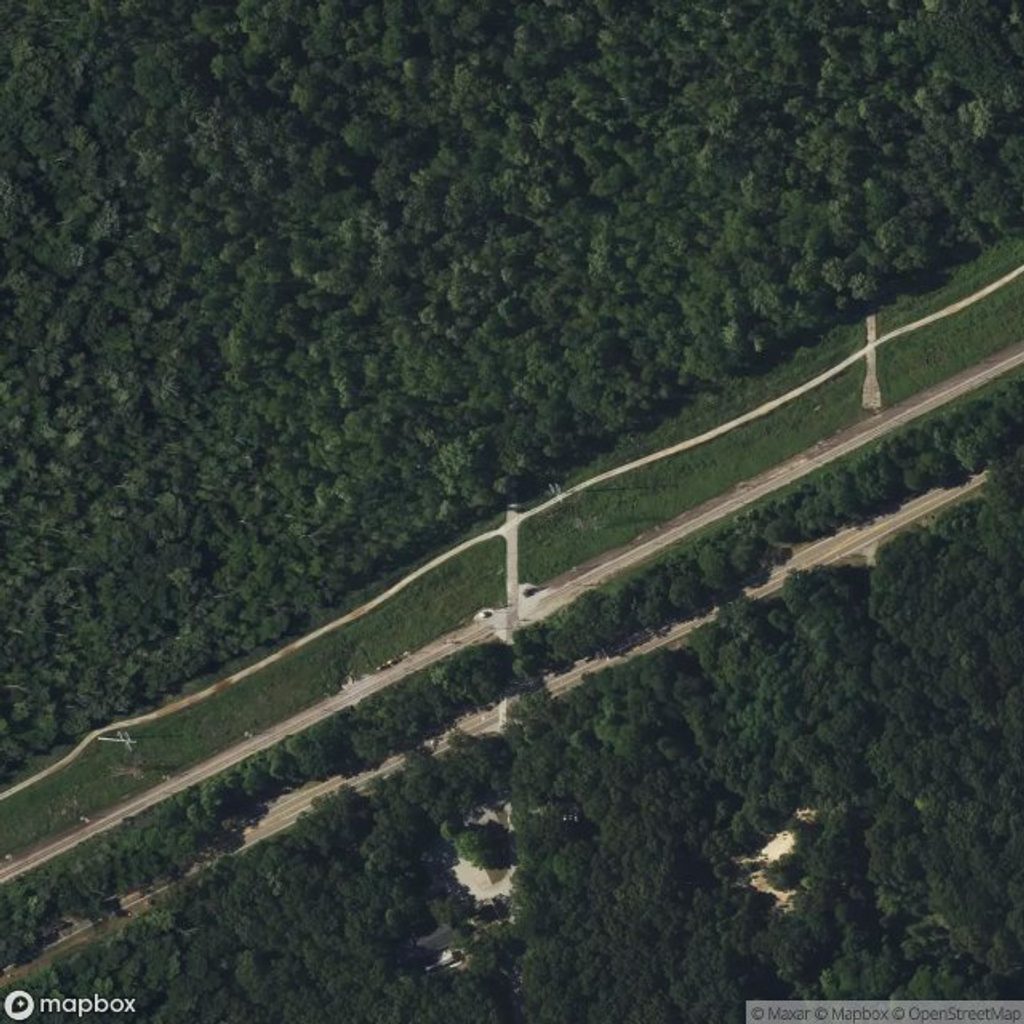
Place · 1.1 mi away
Moderate
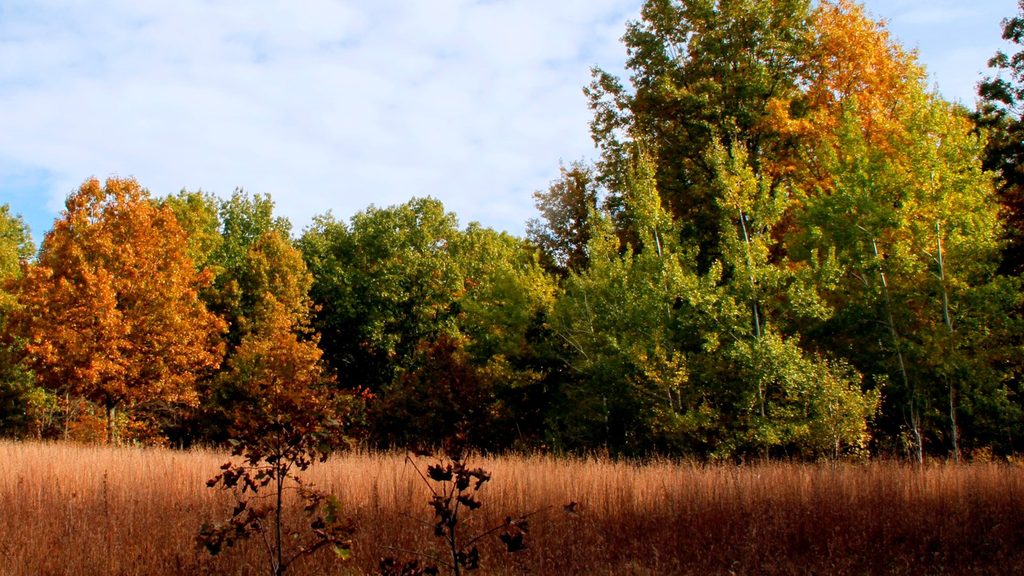
This is the park’s forested, multi-use dune loop: a roughly 6.8‑mile total circuit through mixed hardwoods, rolling sandy hills, shallow ravines, and a small marsh crossed by a wooden bridge. It’s a moderate, pleasantly varied wander with a real sense of place—glacial history underfoot and plenty of shade overhead. Expect equestrians; this is a primary horseback route in warmer months.
Glenwood Dunes is a network, not a single path—there are 13 signed junctions. Bring a map and build the day you want. In the middle of the system you can hop onto the Calumet Dunes Paved Trail for a hard-surface break. To the west, the Glenwood Dunes Extension links to the Dune Park South Shore Railroad Station; to the east, the Dunewood Trace Campground Trail connects to the Dunewood Campground. It’s one of the rare hikes where transit, camping, and paved options all tie in neatly.
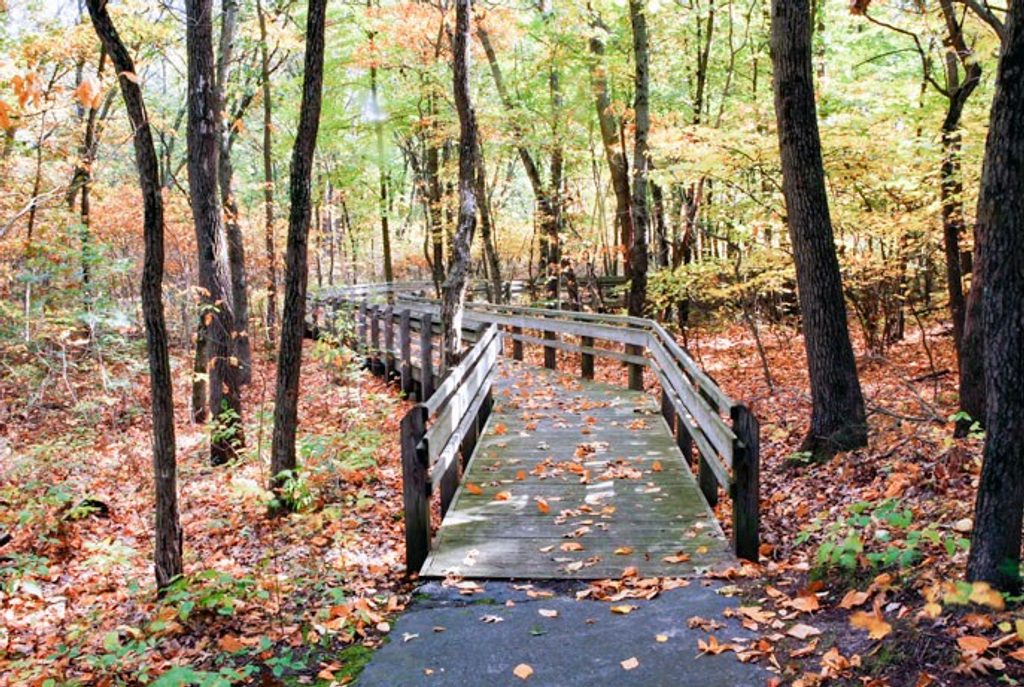
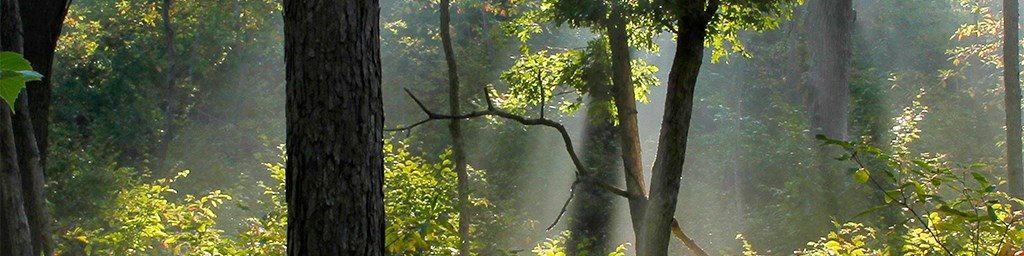
The route winds through dense dune woods—classic Indiana Dunes terrain shaped by ancient Lake Chicago. You’ll cross a couple of shallow creeks, pass narrow ravines, and ease over a small marsh on a wooden bridge. The canopy is lush in summer, brilliantly colorful in fall, and starkly beautiful with snow and ice in winter. Birdwatching can be excellent in the dense woods, and you’ll likely share sections with horses.
Moderate overall. Rolling dune topography, sandy stretches, and occasional mud near creeks keep it interesting without being punishing. After rain or in spring, expect soft tread and puddles; waterproof footwear pays off. Horse traffic can churn up sand and add to muddiness on popular weekends.
Autumn is the sweet spot—cool air, vivid foliage, good footing, and fewer bugs. Winter is serene and scenic, with cross‑country ski potential when snow cooperates (no horses Dec 1–Apr 30). Spring brings wildflowers and fresh green, but also mud. Summer is shaded and pretty, yet can be hot, buggy, and busier with riders; start early or go on a weekday if you can.
Park at the Glenwood Dunes Trail parking area off US‑20 or at the Calumet Dunes Trail lot; both provide direct access to the network.
Complex network with 13 junctions—carry a map. Expect horses; yield and give wide berth. Sandy and muddy sections after rain; shallow creek crossings. Mosquitoes can be heavy in warm months. Horses not permitted Dec 1–Apr 30.
Place · 1.1 mi away
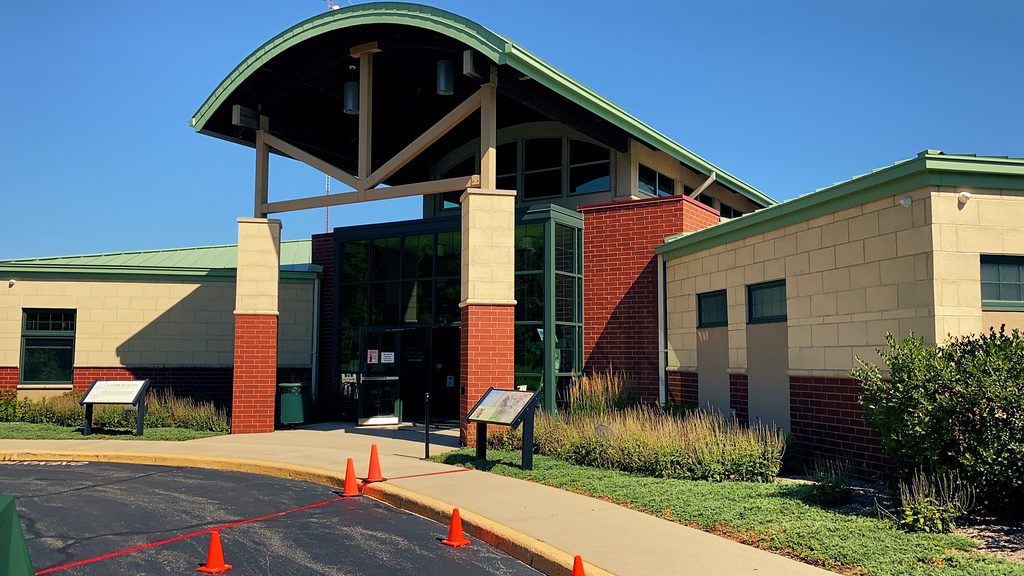
Place · 2.2 mi away
Place · 2.3 mi away
Place · 2.3 mi away
Easy · 1.1 mi away
Challenging · 1.9 mi away
Moderate · 1.9 mi away
Moderate · 2 mi away

Parkwolf Tour Guide
