
Place · 0.6 mi away
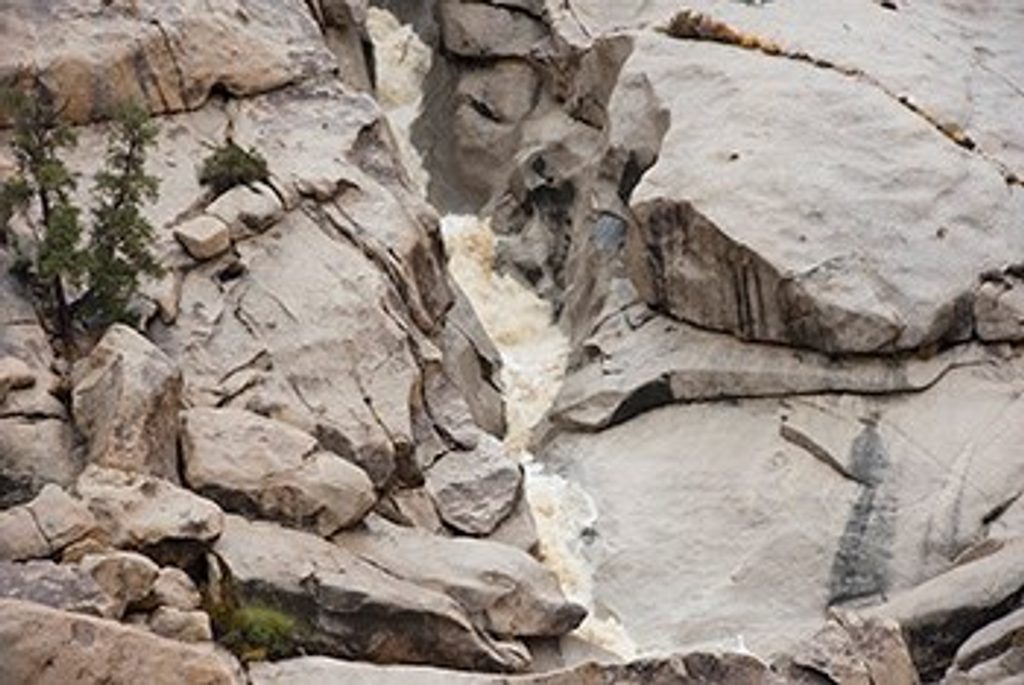
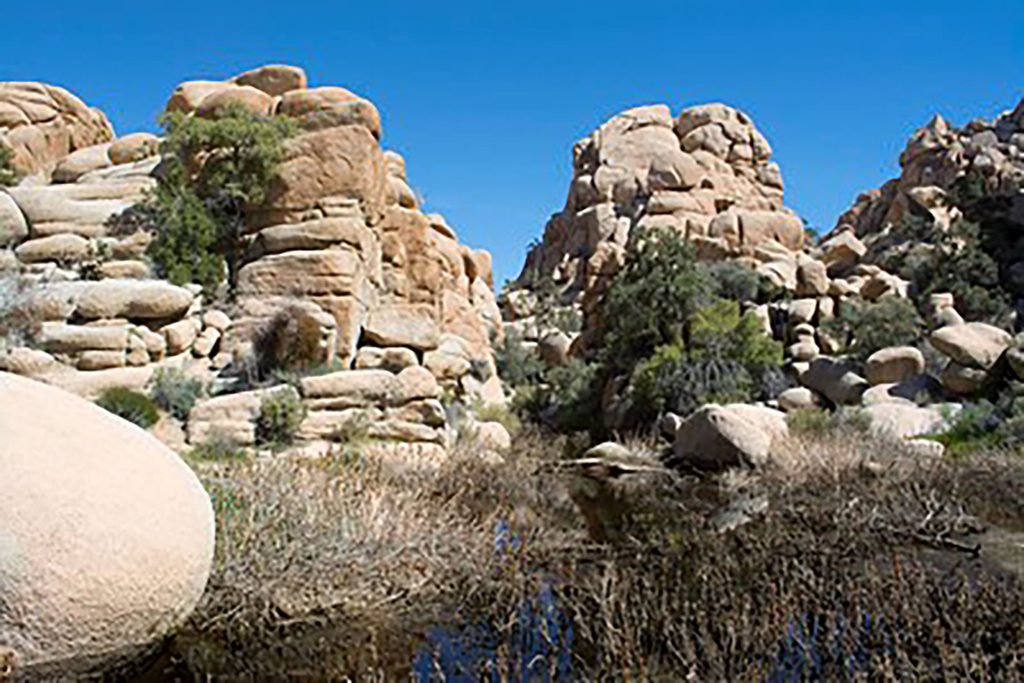
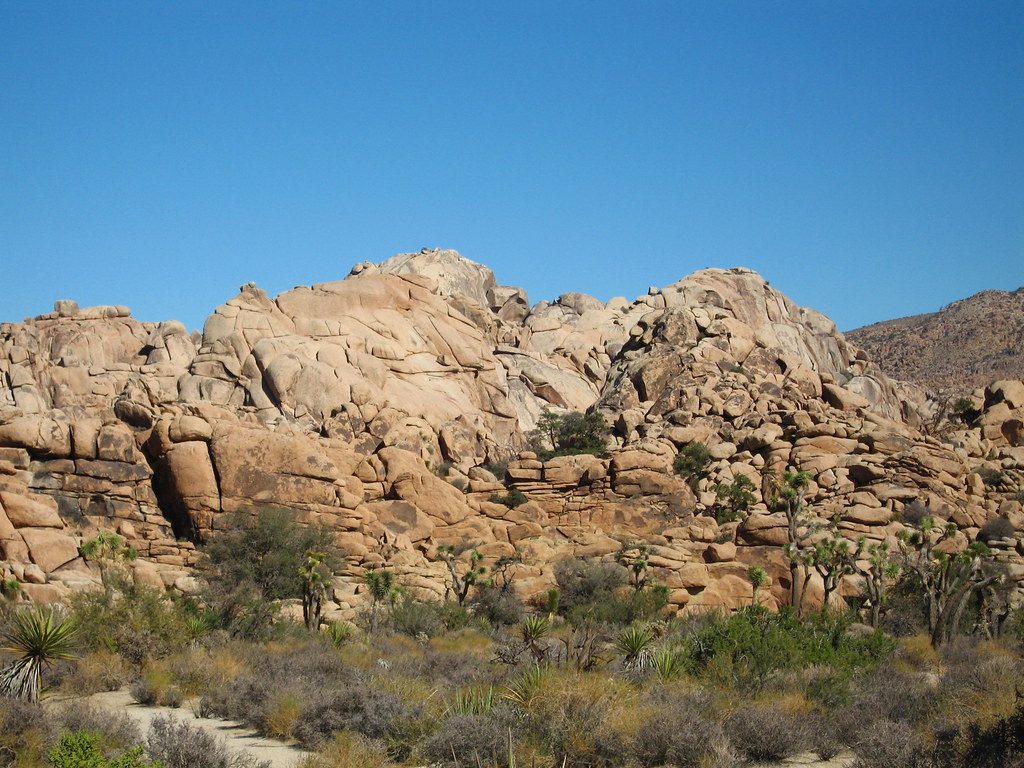
Rattlesnake Canyon is the gnarly heart of Indian Cove—short in distance, huge in effort. It’s an off-trail scramble through a maze of rounded granite piles, where you’ll clamber over and sometimes under house-sized boulders, thread narrow passages, and navigate dry falls and potholes. Think Wonderland of Rocks vibes, but with more commitment and fewer casual hikers.
This one’s all about the scramble. Progress is slow and engaging—hands-on moves, occasional squeezes beneath stacked blocks, and problem-solving at each obstacle. It’s a niche favorite for experienced scramblers and canyoneers who relish complex terrain and the feeling of true exploration.
There’s no maintained trail. Route-finding is constant, backtracking is common, and some lines involve exposed moves. Technical canyoneers tackle a short sequence of rappels here; non-technical visitors should be ready to turn around when obstacles get sketchy. The area has a reputation for rescues due to disorientation, falls, and heat—take that seriously.
Keep an eye on the bottoms of the washes and around the oasis pockets: birders spot phainopepla here, and the canyon supports a cast of desert critters—snakes (including rosy boa), chunky chuckwallas, and nocturnal visitors like kangaroo rats. As the name hints, rattlesnakes are possible in warmer months.
Access is via the Indian Cove entrance, parking at the Rattlesnake Canyon picnic/day-use area at the mouth of the canyon. Services are minimal in this corner of the park—don’t expect food or water. Bring everything you need and plan to pack it all out.
October–April is the season for this canyon. Start early for cooler temps and calmer conditions. After winter/spring rains you’ll find the most water features. For photography, soft light hits best in early morning or late afternoon when shadows add texture without blowing out the granite.
Place · 0.6 mi away
Place · 0.9 mi away
Place · 1.4 mi away
Place · 1.7 mi away
Challenging · 0.8 mi away
Easy · 1.8 mi away
Moderate · 3.2 mi away
Moderate · 3.2 mi away

Parkwolf Tour Guide
