
Place
Moderate
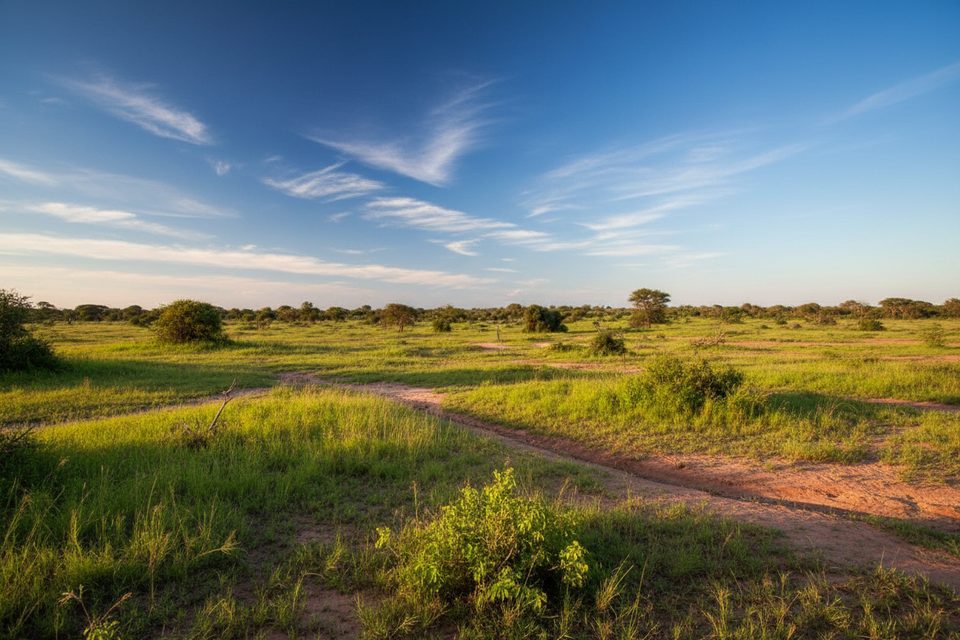
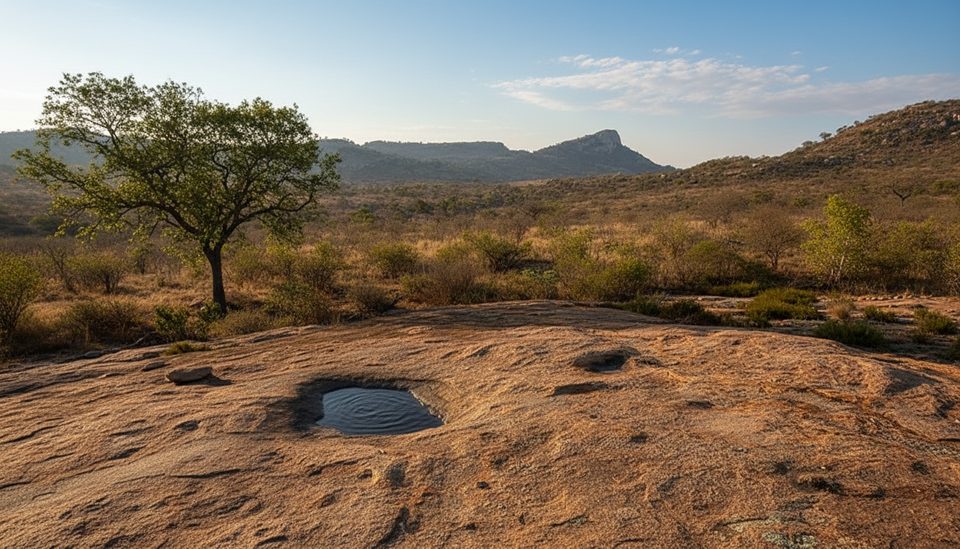
A classic Kruger-on-foot experience in the park’s southwest, Bushmans Wilderness Trail trades roads and rush for deep, quiet valleys, granite koppies, and the kind of silence that lets you hear the bush breathe. Daily routes are chosen by your rangers, using natural game paths—this area is known for elephants and rhinos—so the walking feels purposeful but unhurried. The trail’s setting doubles as a botanical reserve, with unusual trees and high-altitude birdlife, and visits to San rock art are a signature part of the itinerary.
This is a 3‑night, 4‑day, ranger-led wilderness trail based out of a simple trail camp. You arrive the afternoon before walking begins, then enjoy two full walking days, and depart on the final morning. Expect up to 20 km per day at a leisurely pace (about 12.4 miles), typically a long morning walk with a mid-break and a shorter afternoon outing. Total distance is route‑dependent, but plan for as much as 40 km (about 25 miles) over the two walking days. Terrain is “broken” bushveld: rolling valleys, short steeper pulls to rocky outcrops, and lots of animal tracks underfoot rather than constructed paths.
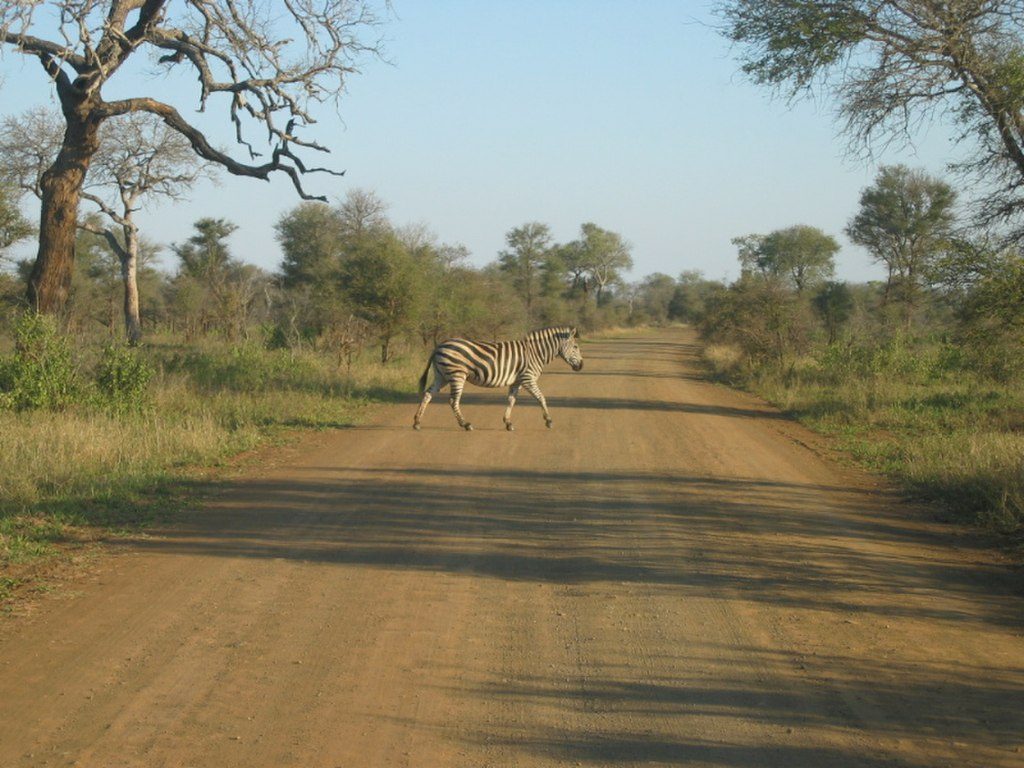
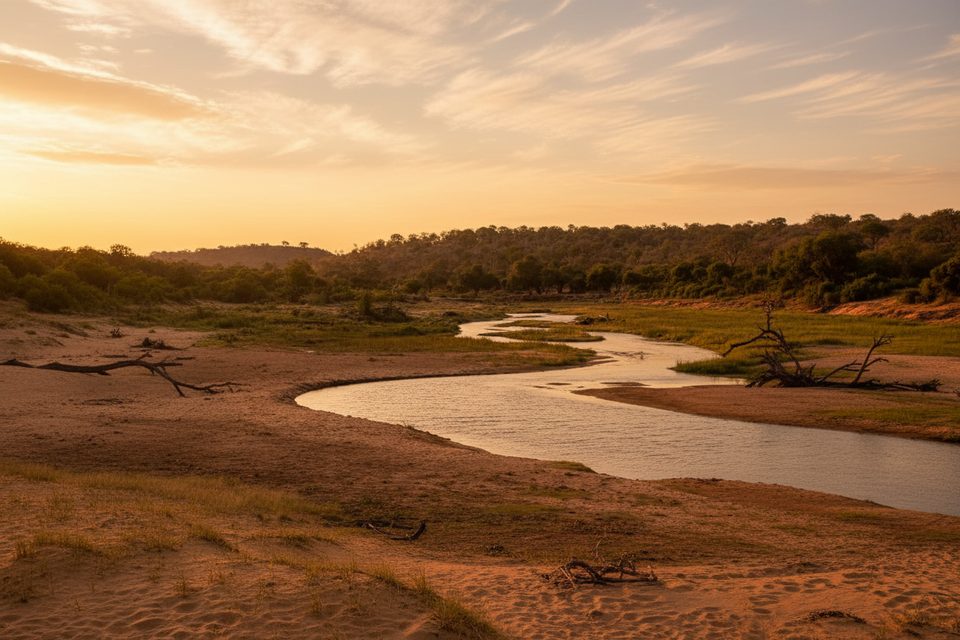
This trail is famous for close—but carefully managed—encounters with big game. Elephant and white rhino are common here, and lions, hyenas, and general plains game are all on the table. Birders get rare treats thanks to the high ground—think red‑throated wryneck and jackal buzzard—and the camp waterhole reliably pulls in elephants and other visitors between walks. Nights are part of the show: listen for freckled nightjar and spotted eagle‑owl, and (when near water) the chorus of hippos.
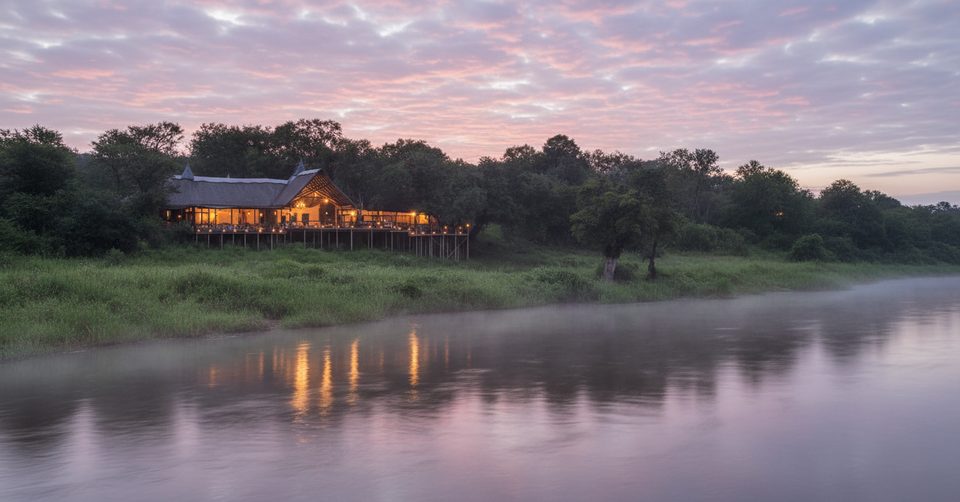
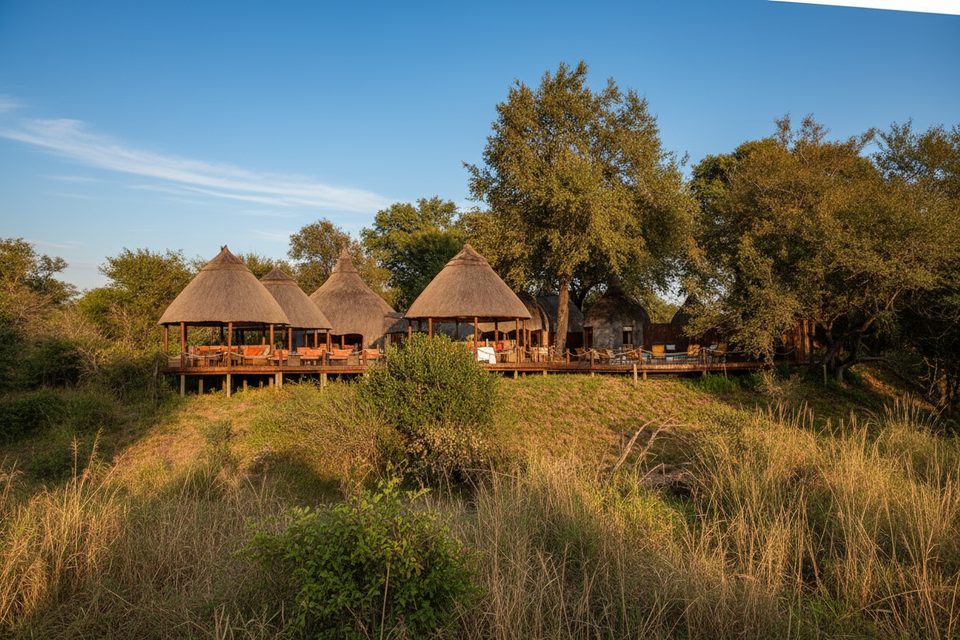
The base camp is tucked among granite kopjes and kept intentionally simple. There’s no electricity. Lighting is by lantern; hot water is available for showers. Communal areas include an open‑air dining spot, a boma, and views to a waterhole that often steals the spotlight. Food is hearty and local; you’ll typically bring your own alcoholic drinks and softs (there’s limited fridge space). Expect the essentials rather than polish, and be ready to speak up about small maintenance issues—this is a wilderness camp, not a lodge.
You’ll be led by armed, experienced rangers who set the tone on safety, spacing, and how to behave around big game. Briefings are thorough, and the emphasis is on reading tracks, wind, and terrain—the “small stuff” is as important as the big sightings. Close views happen here; they’re managed calmly and conservatively.
Group size is capped at eight, ages 12–65, and a reasonable fitness level is required. You’ll check into Berg‑en‑Dal Rest Camp and meet your trail ranger at 15:30 the afternoon before departure. Booking is competitive—plan far ahead. Radios aren’t permitted; alcohol and soft drinks are for camp only; all participants sign an indemnity form. Malaria prophylaxis is essential.
Think neutral colors (khaki tones), a brimmed hat, and a light all‑weather layer. Well‑worn boots with ankle support and thick soles make a difference on rocky sections. Bring a good torch/headlamp and spare batteries or a power bank, plus sunscreen. Optional but nice to have: binoculars, walking sticks, and a field guide. Comfort extras like an extra towel or pillowcase can be welcome given the rustic setup.
Trails do not run from November through February due to heat. Cool, dry months (June–August) are prime for walking comfort, visibility in thinner vegetation, and fewer bugs. Shoulder months can be rewarding but warmer—October and November bring heat and insects around the open dining area after dark. Mornings offer the best wildlife movement and light; afternoons are shorter and sometimes used for a koppie stroll or a short game‑drive transfer.
If you want Kruger on foot—with meaningful time walking, rock art, geology chats on the koppies, and wildlife drifting in to a camp waterhole—this trail delivers. Just go in with realistic service expectations, embrace the simplicity, and communicate your preferences (more walking vs. more vehicle time) to your guiding team on arrival.
Check into Berg‑en‑Dal Rest Camp before 15:30 the day prior; meet the trail ranger at the designated parking area at 15:30 for transfer to the wilderness camp.
You will walk among big game (elephant, rhino, lion). Follow ranger instructions, keep spacing, and expect heat in warm months. This is a malaria area—prophylaxis is essential. Camp is unpowered with limited cold storage; not suitable for mobility impairments; ages 12–65 only. Trails do not operate Nov–Feb due to heat.
Place
Place
Place
Place
Moderate
Easy
Moderate
Moderate

Parkwolf Tour Guide
