
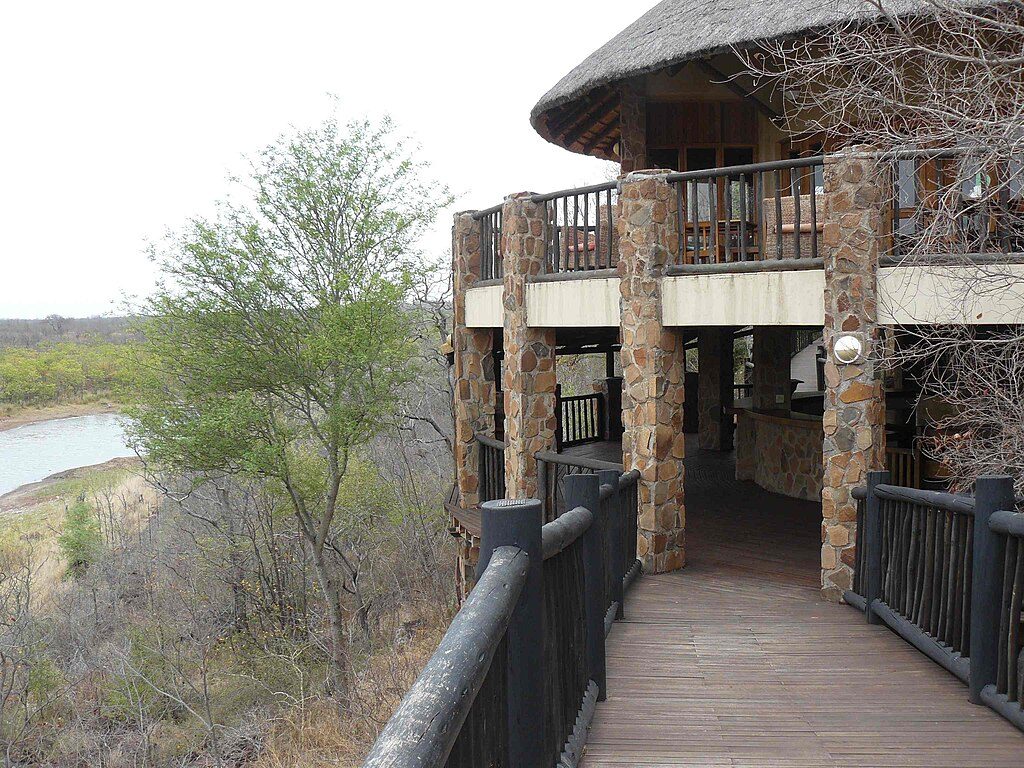
Place · 0 mi away
Moderate
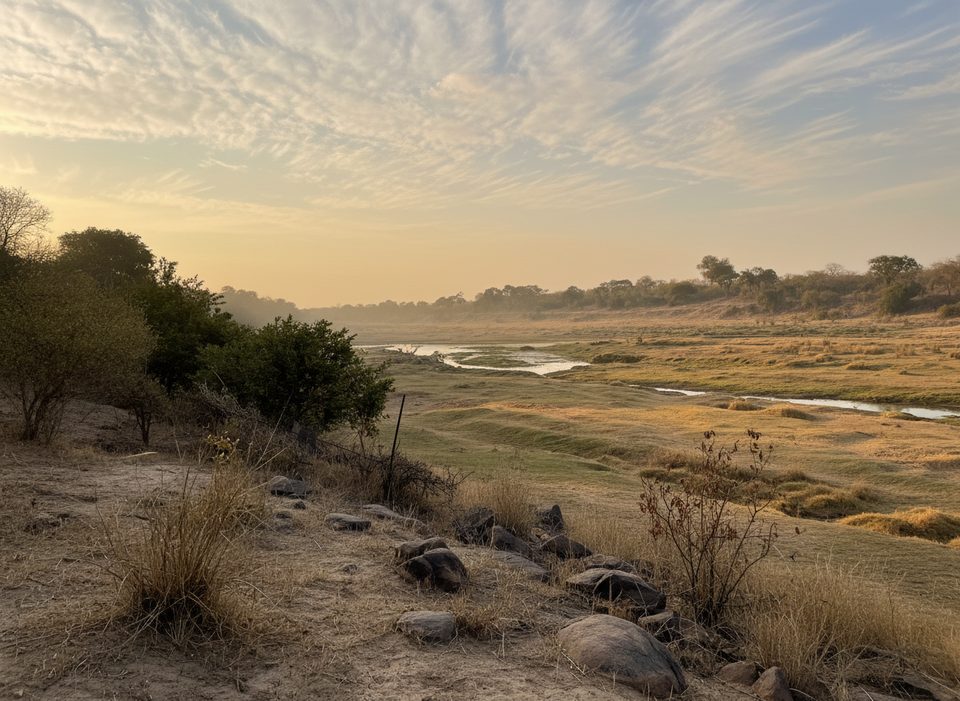
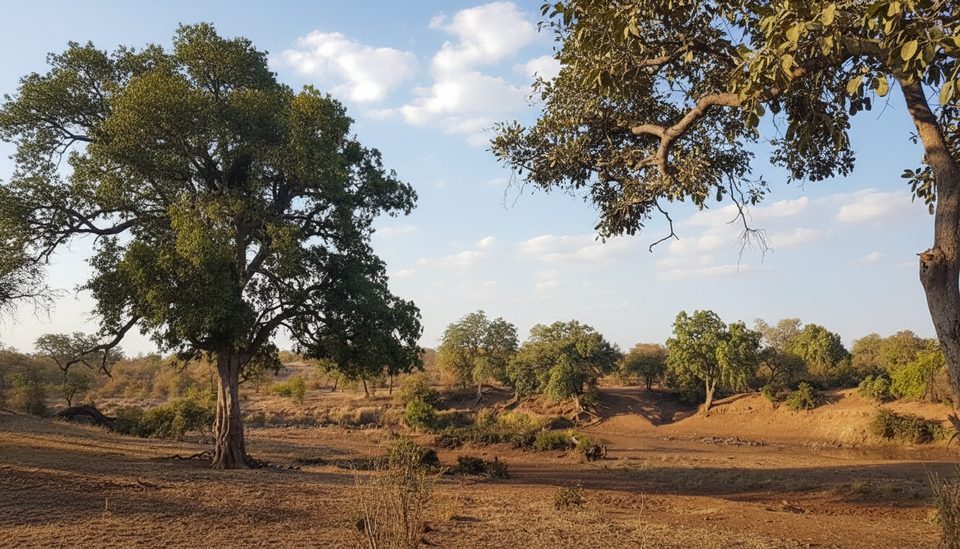
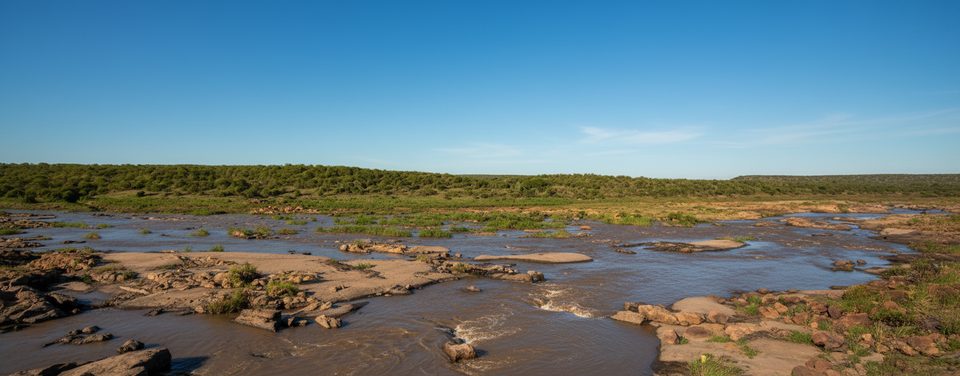
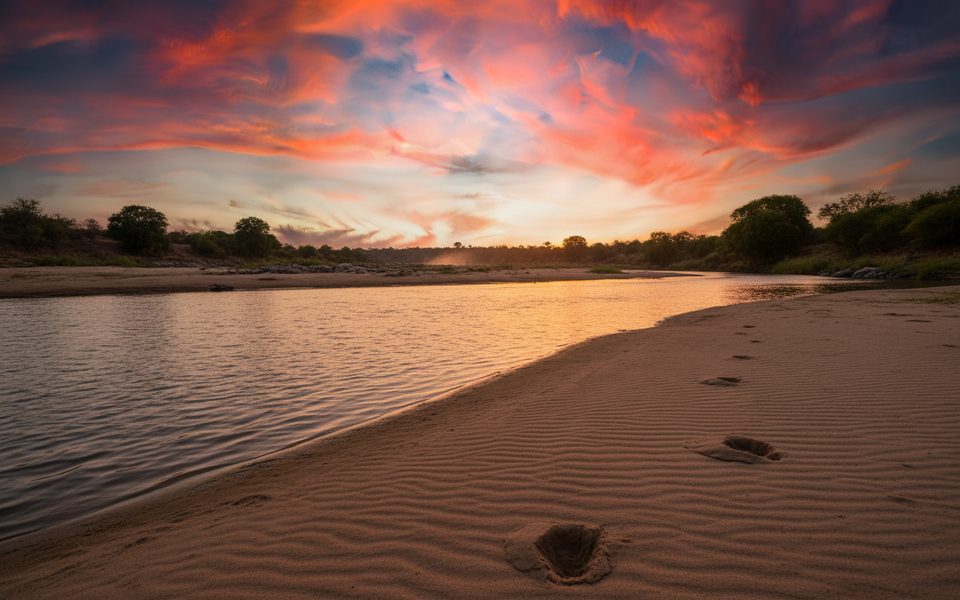
A true wilderness backpack, the Lonely Bull Trail is a 4‑day/3‑night guided walk through the Letaba and Tsendze river corridors out of Mopani Rest Camp. There’s no fixed route or huts—just you, two experienced trails rangers, a small group, and nights under canvas on sandy riverbeds. It’s about immersion, not box‑ticking game drives.
There is no prescribed map. Your rangers choose each day’s line and camp based on water, wildlife activity, and group fitness. Expect mostly flat walking on sand and open riverbeds, with minimal elevation change. Many groups spend the first night near the Tsendze and move to the Letaba for nights two and three. Daily distance typically ranges 7–15 km; total mileage varies accordingly.
Meet at Mopani Rest Camp at 13:00 on departure day for transport to the drop‑off; collection is on day four. Groups are small (max eight) and led by two armed rangers who set the pace and safety protocols. You bring and carry your own tent, sleeping kit, food, stove, and personal gear. There are no toilets or bins—this is strict no‑trace camping. Water is usually sourced along the rivers (often from sand seeps), but you must be self‑sufficient and treat/purify everything you drink. Fires are mostly for the social/safety aspect; plan to cook on a gas stove. Departures typically run Wednesday and Sunday from roughly February 1 through November 30.
Moderate. The terrain is forgiving, but heat and a full pack are the real work. Even in the cooler months, afternoons can be hot. Typical rhythm: early starts, long midday rest, and a shorter afternoon walk. If you have strong distance goals, speak up at the briefing—daily mileage can vary with the guiding team and conditions.
This trail prioritizes the feel of the bush over chasing sightings. You’ll read tracks, study plants and birds, and fall asleep to hyena, lion, and hippo calls. Big‑game encounters (elephant, buffalo, hippo, even leopard) do happen, but nothing is guaranteed—embrace the subtler details.
The operating season is roughly Feb–Nov. The cooler, drier winter months within that window are most comfortable for heat and walking. Regardless of season, start hydrated, carry ample water capacity, and plan for sun, sand, and exposure.
If “wild, flexible, and unplugged” sounds perfect—and you’re comfortable carrying your life on your back—it’s a standout Kruger experience. If you want fixed camps and guaranteed long walking days, set expectations with your guides or consider a mobile walking safari. Another multi‑day option inside Kruger is the Olifants River Hiking Trail, which runs on a similar 4‑day/3‑night, bring‑your‑own‑tent model.
Park at Mopani Rest Camp; meet your rangers there at 13:00 for transport to the drop‑off and leave your vehicle at the camp during the trip.
Expect big‑game country, heat, deep sand, and zero facilities. Follow ranger instructions at all times, treat all water, carry adequate sun/heat protection, and adhere to strict no‑trace camping. There is no cell reception; guides carry comms.
Place · 0 mi away
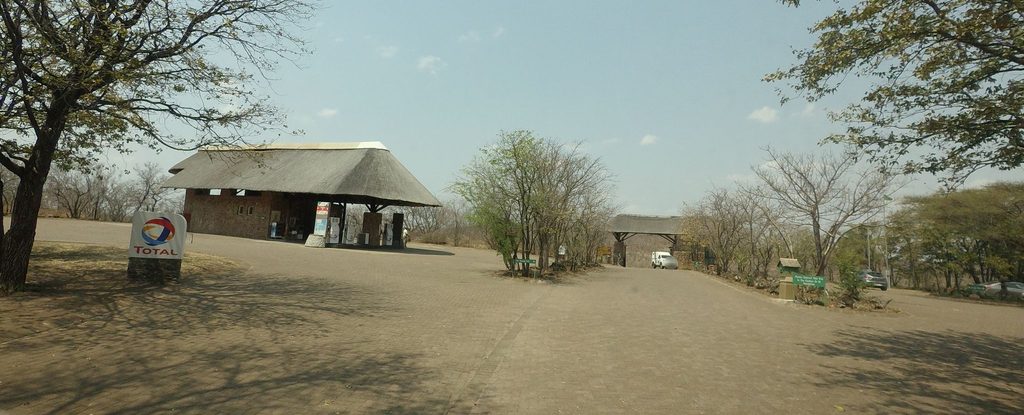
Place · 0.1 mi away
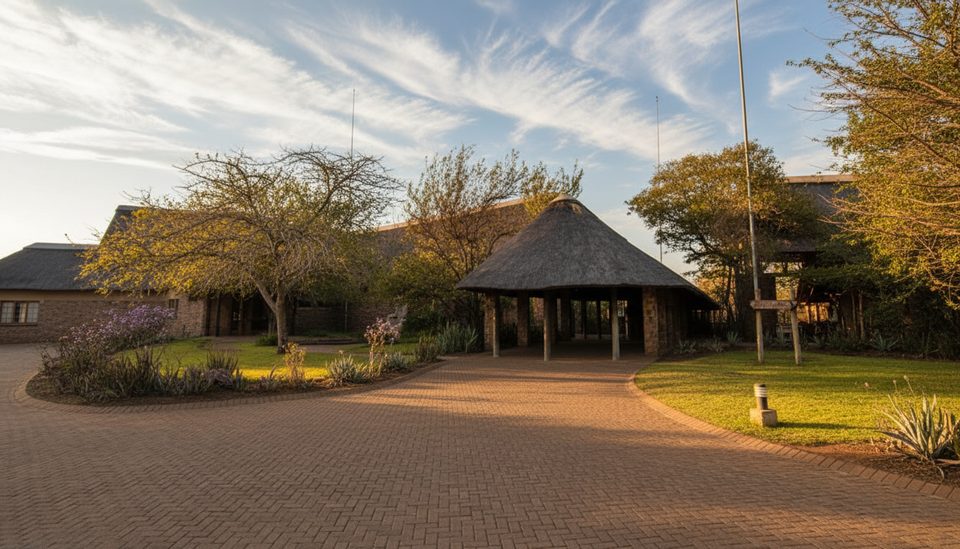
Place · 0.1 mi away
Place · 0.1 mi away
Moderate · 28.6 mi away
Easy · 28.9 mi away
Moderate · 39.9 mi away
Challenging · 39.9 mi away

Parkwolf Tour Guide
