
Place · 0 mi away
Moderate
If you want Kruger at its most raw and intimate, this is it. The Mphongolo Backpacking Trail is a fully self-supported, 4-day/3-night wilderness experience in the remote country between the Shingwedzi and Mphongolo rivers. There’s no fixed route, no huts, and no infrastructure—just you, a small group, and two experienced trails rangers choosing a path and camp each day. Expect modest distances with full packs and long, slow explorations from camp that let the place sink in. Typical total distance with packs is around 15 km (about 9.3 miles), but the exact route and mileage are intentionally flexible.
You meet at Shingwedzi Rest Camp (aim for 11:00 to depart around midday). From there, you’re transferred by open vehicle to a drop‑off and fetched at a pickup point on day four. Group size is tightly capped—minimum 4, maximum 8—and you’ll be led by two armed trails rangers. There are no predetermined campsites: the guides choose spots based on conditions and what the group wants to do, including the option to spend more than one night at a base camp and take lighter day walks.
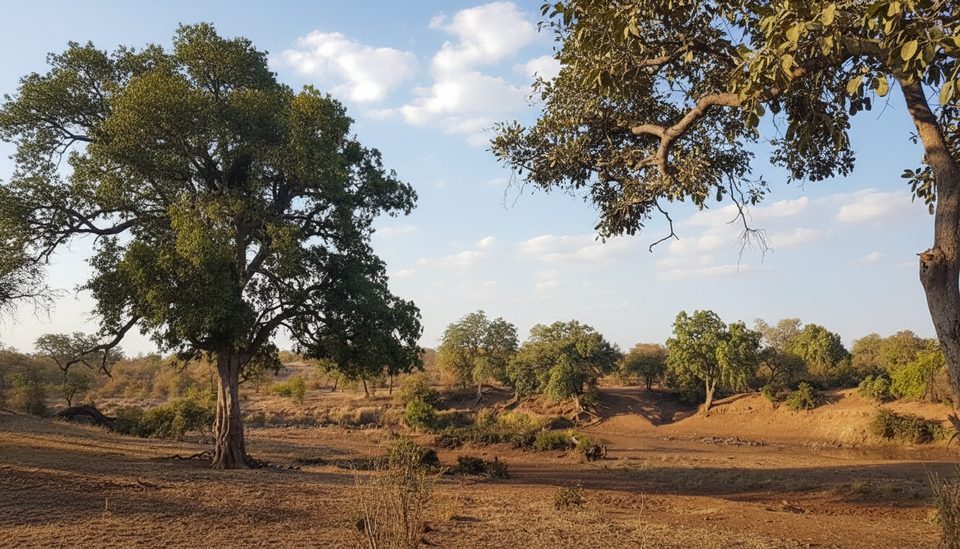
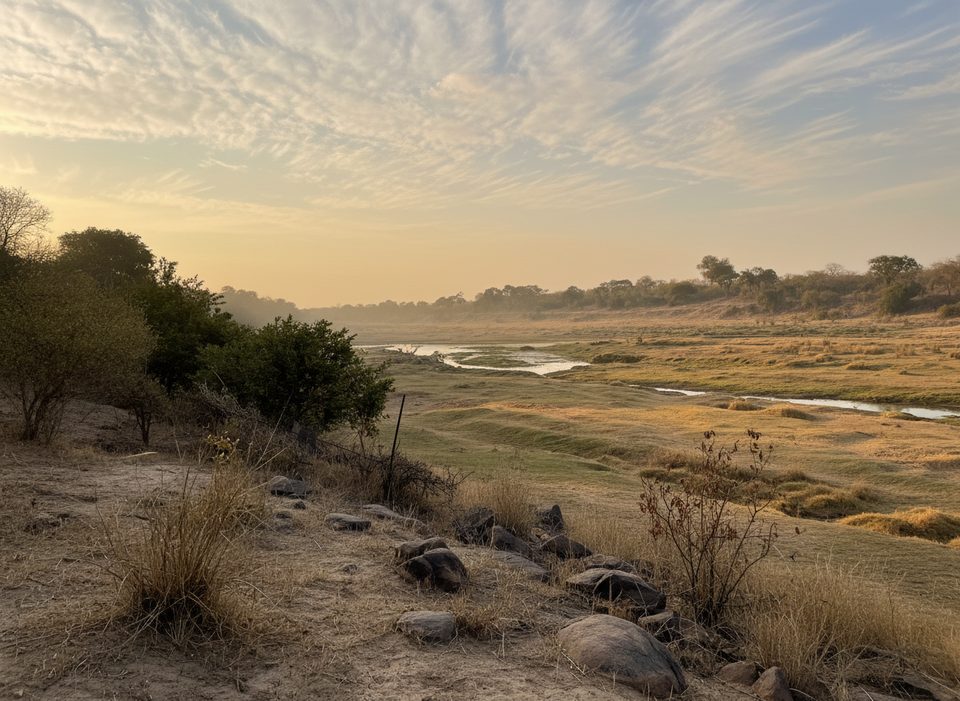
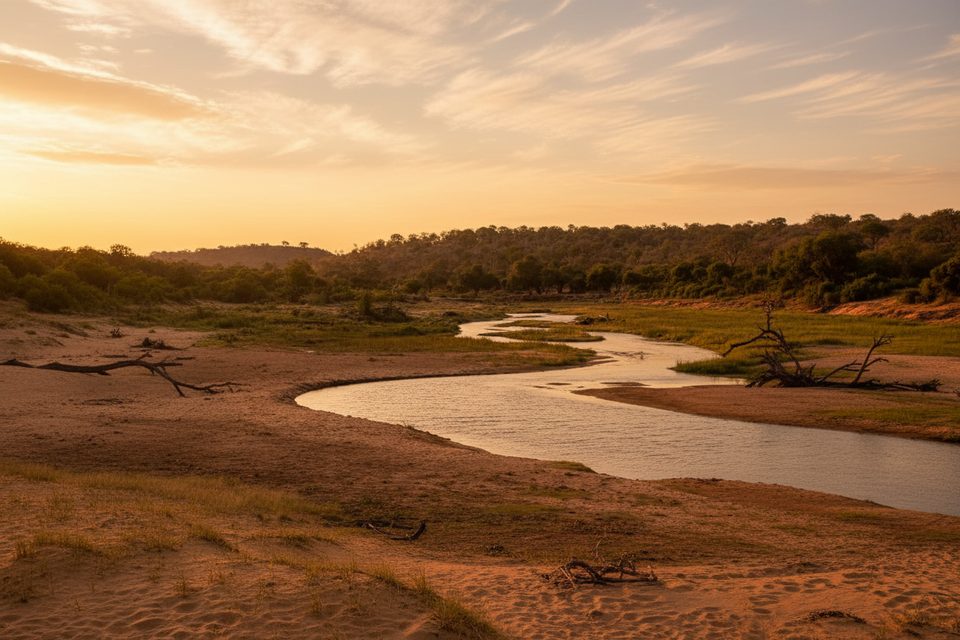
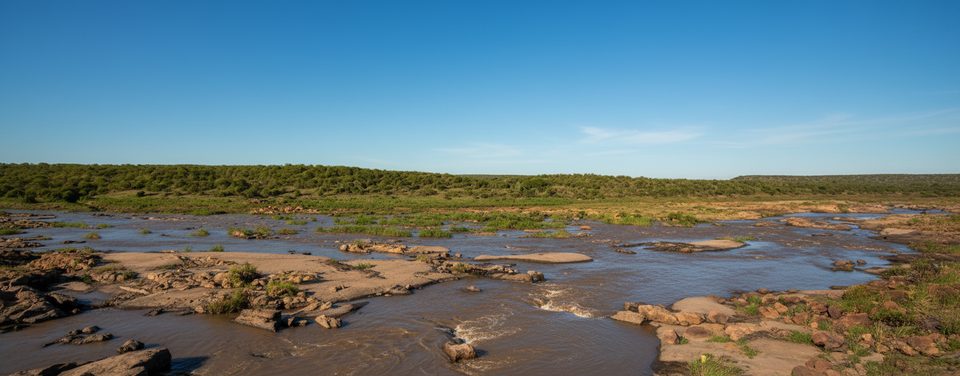
This is classic northern Kruger—big riverine trees along drainage lines, open sand, and quiet mopane country nearby. Wildlife encounters are on foot: elephant and buffalo are commonly seen, and hearing lion or leopard at night is not unusual. Birding can be excellent. The focus isn’t on racking up Big Five sightings; it’s about reading tracks, noticing plants, and learning how the ecosystem fits together.
While you must carry your own kit, many hikers find Mphongolo less strenuous than other backpack trails because distances with full packs are modest and base‑camping is common. Expect early starts, long midday breaks, and unhurried afternoons. Fitness still matters—you’re moving in heat, on sand at times, and always paying attention in big‑game country.
There are no toilets, bins, or taps. This is strict “no trace” camping: everything you bring in, you take out. Water is sourced from rivers or by digging in the sand—then purified. Fires are for social/safety reasons, not for cooking, so bring a small stove. Tents are mandatory.
Go light. Essentials include a lightweight tent, sleeping bag/pad, compact stove and fuel, food for three nights, 2–3 liters of water capacity plus purification, a hat and sunscreen, worn‑in boots, headlamp, basic first aid, biodegradable soap, and a small trash bag. Multiple groups emphasize minimalism—you’ll enjoy the trail more with less on your back.
The trail operates roughly February 1 through November 30, typically departing Wednesdays and Sundays. Dry, cooler winter months are especially comfortable for walking and often great for wildlife around remaining water. Summer heat lingers into early season departures; plan for strong sun and start early. Because groups are tiny, “crowds” aren’t a thing—book early to secure dates. A smart move is to overnight at Shingwedzi the night before so you’re rested and on time.
If you want solitude, skills, and immersion—instead of miles for mileage’s sake—Mphongolo delivers in spades. If you prefer big daily distances under a heavy pack, consider one of the park’s other backpacking options; Mphongolo is about savoring the bush more than marching through it.
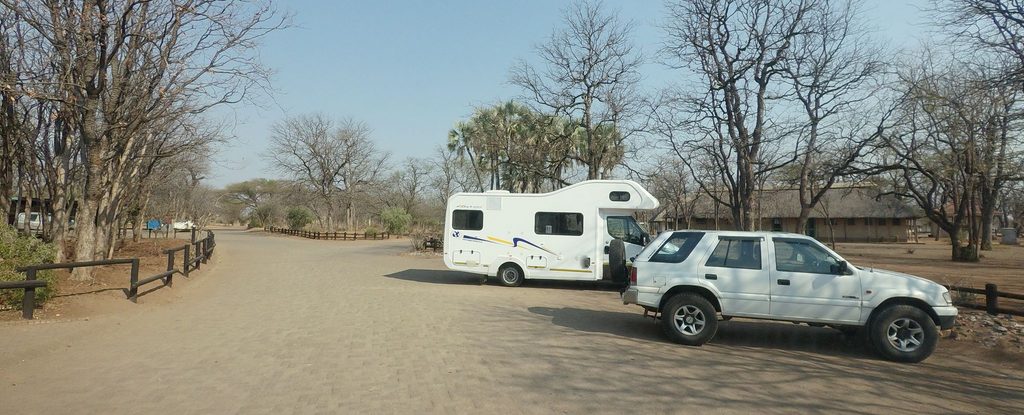
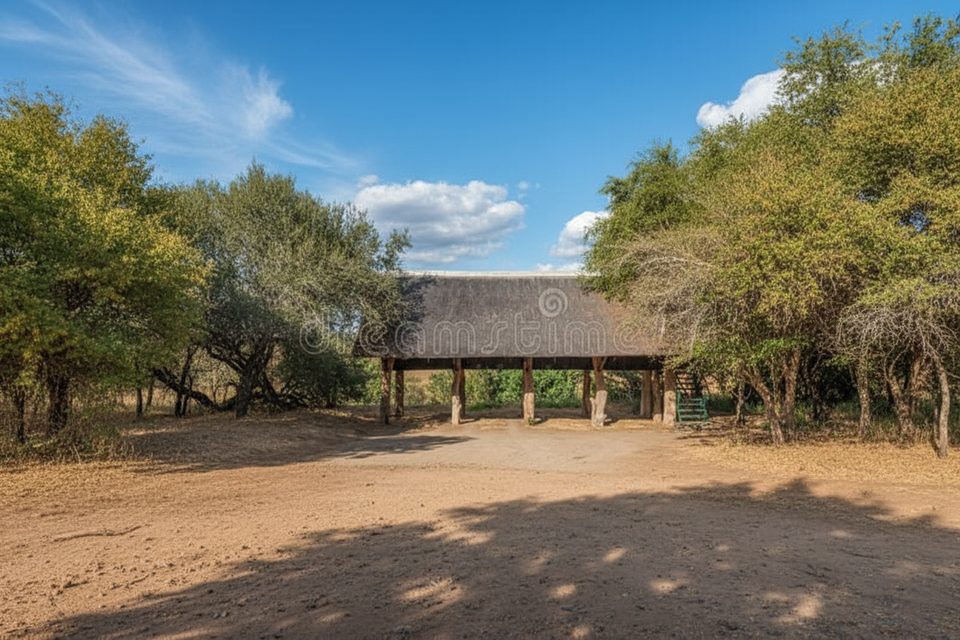
Meet at Shingwedzi Rest Camp for the official transfer to the drop-off point; no separate trailhead parking.
You’re walking in big-game country with no facilities. Follow ranger instructions, carry a tent and stove, source and purify water from rivers/sand, expect heat and strong sun, and adhere to strict no-trace ethics.
Place · 0 mi away
Place · 0 mi away
Place · 0.1 mi away
Place · 1.6 mi away
Moderate · 28.6 mi away
Moderate · 49.3 mi away
Easy · 57.3 mi away
Moderate · 64.9 mi away

Parkwolf Tour Guide
