
Place
Moderate
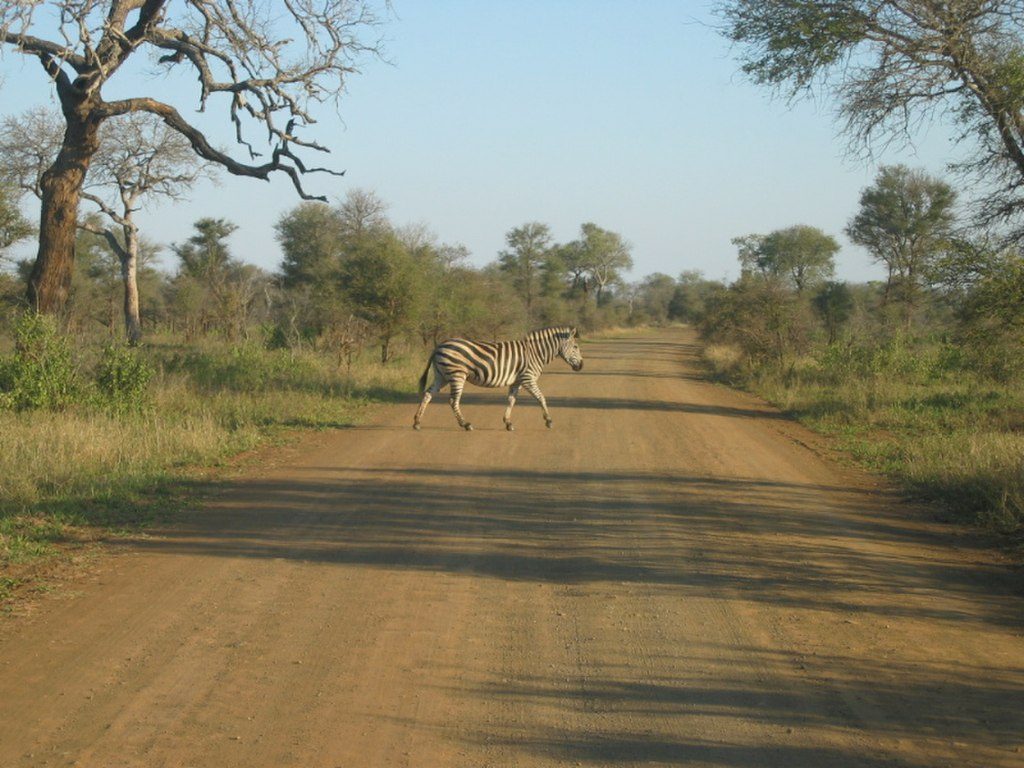
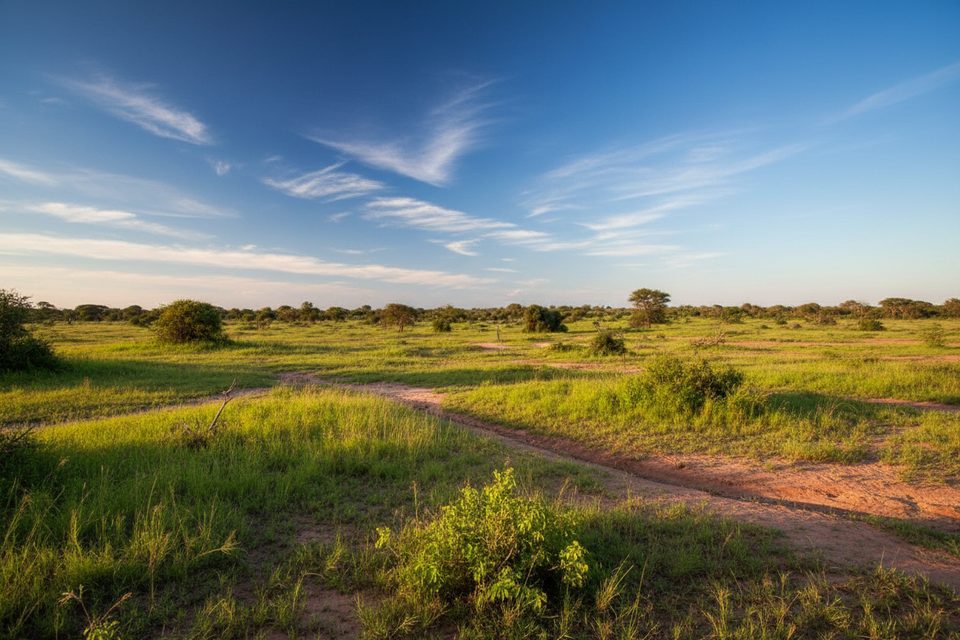
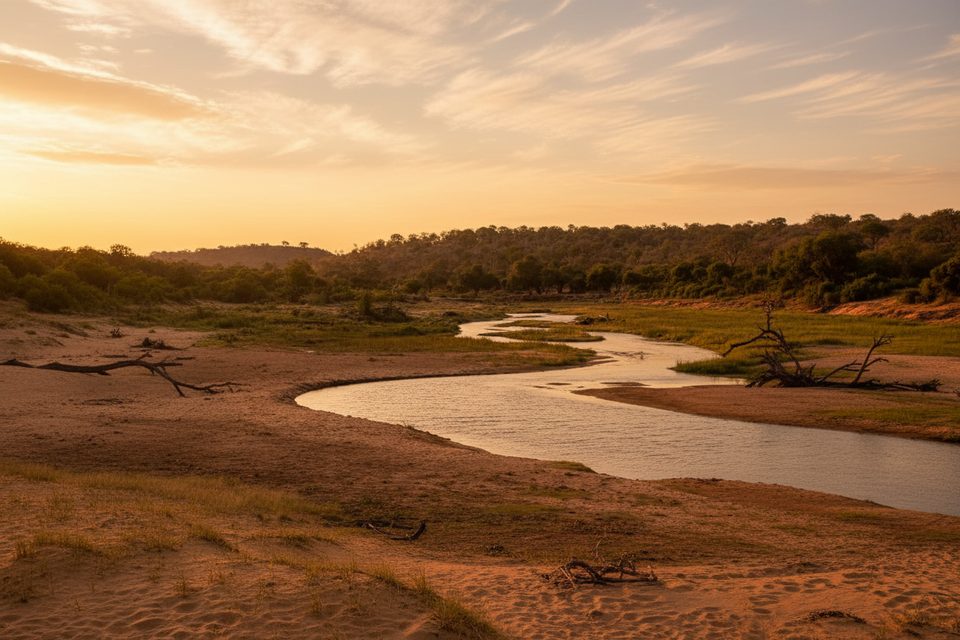
Metsi‑Metsi (“water water” in Sotho) is for walkers who want the bush in high‑definition, not from a vehicle but at eye level. Base‑camped on the eastern flanks of N’wamuriwa Mountain in rhyolite bushveld near the Mozambique border, this guided wilderness trail explores open plains, thorn‑tree savanna, and riparian woodland along rivers like the N’waswitsontso (a crucial winter water source). Expect a raw, unfenced camp, big skies, and the night soundscape of lions and jackals.
This is a guided base‑camp walking safari, typically run over two full walking days and three nights. Mornings start early (think coffee and rusks) with a long, unhurried walk; afternoons are for rest and then either a shorter walk or a game drive to a dam for sundowners. There’s no fixed route—the rangers adapt to conditions, wildlife, and group ability. Total walking distance varies by guide and sightings but averages roughly 18–25 miles (30–40 km) spread across the two walking days. Terrain is mostly flat with gentle ridges; reasonably fit walkers will find it easy to moderate.
Don’t come just to tick the Big Five—come to read the bush. Guides focus on tracks, dung, plants, insects, termite mounds, and the subtle signs that make the ecosystem tick. On‑foot sightings reported from this trail include giraffe, kudu, elephants, white and black rhino, and even cheetah; the Sweni system pulls in large herds and the predators that follow, and lions often roar across the open landscape at night. Birding is excellent throughout the varied habitats.
You’ll sleep in simple A‑frame huts with a communal fire area, no electricity, and minimal fencing for a true wilderness feel. A camp cook prepares dinners; evenings are spent around the fire listening to the bush. Group size is kept small (maximum eight), and walks are led by armed, highly experienced rangers. Check in is at Skukuza Main Camp with transfer to the wilderness camp; note there have been recent reports of operational shifts linked to Mathikithi, sometimes departing Satara—confirm your meeting point when booking with SANParks. A quirky tradition some groups encounter is the playful “impala dung spitting” initiation—pure fun, not mandatory.
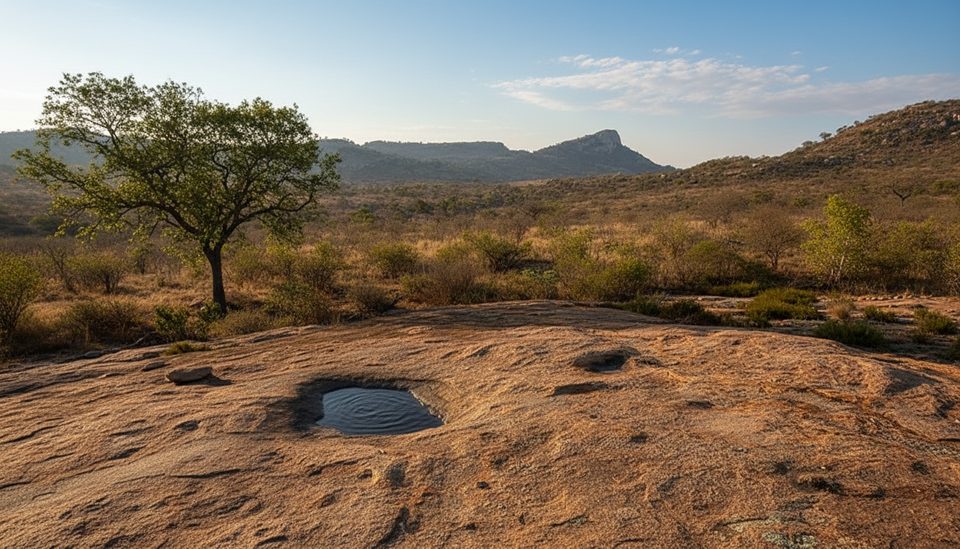
These trails generally don’t operate from November through February due to heat. Aim for the cooler, drier months (March–October). Winter’s low water concentrates wildlife along permanent sources like the N’waswitsontso, and crisp mornings make for comfortable long walks. For photography, the soft early light on red rhyolite ridges and riverine lines is superb; expect harsher midday light and plan your shots early and late.
Choose Metsi‑Metsi if you want an immersive, small‑group walk in a part of Kruger most visitors never touch. It’s about intimacy with the environment—learning and noticing—not racking up vehicle sightings. If you need guaranteed big‑game action or creature comforts, pick a drive‑based itinerary instead. If you want a similar on‑foot feel elsewhere in Kruger, Mathikithi and other wilderness trails offer comparable formats with different habitats and histories.
Check in at Skukuza Main Camp; you’ll be transferred to the wilderness camp. Private vehicles are not allowed at the trails camp.
You’ll be on foot in Big Five country—follow ranger instructions without exception. Camp is unfenced with no electricity. Heat can be intense outside the operating season. Malaria prophylaxis is essential. Age limits and small group size apply; no radios allowed.
Place
Place
Place
Place
Moderate
Easy
Moderate
Moderate

Parkwolf Tour Guide
