
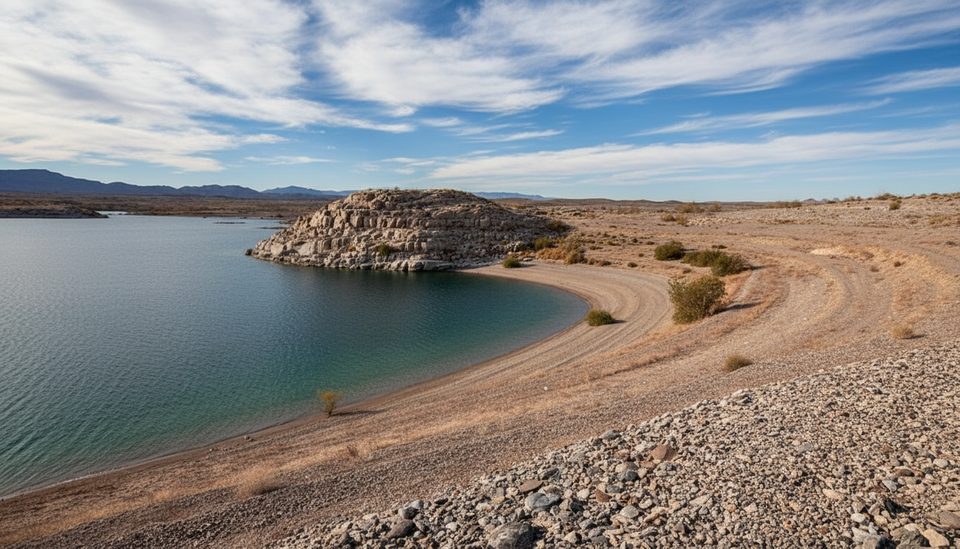
Place · 1 mi away
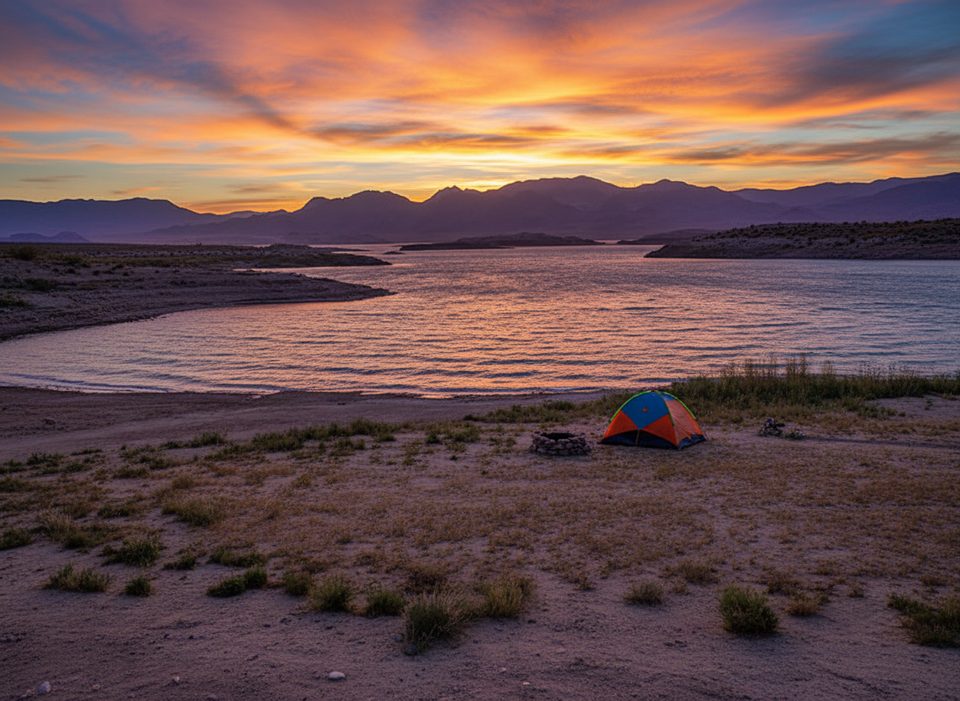
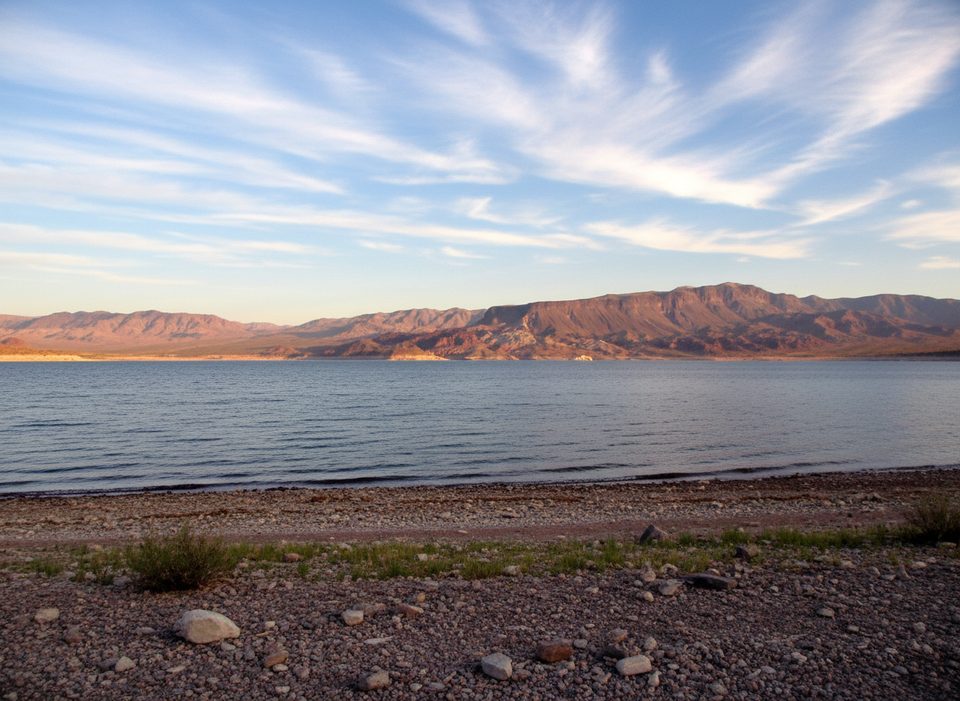
Crawdad Cove is true primitive, dispersed camping: no designated sites, no water, no toilets, and no hookups—just big-sky views over Lake Mead and room to spread out. Camping itself is free, but a Lake Mead National Recreation Area entrance pass is required. Expect coyotes singing at night and regular birdlife (ducks, herons, storks, hawks, roadrunners). Pack in everything, pack out everything, and plan to be fully self-contained.
Access is via a roughly 2–2.7 mile dirt spur off Northshore Road (NV‑167). At the fork, stay right for Crawdad Cove (left goes to Boxcar Cove). The road is usually washboarded with rocks; near the water it turns steep and sandy. Many campers do fine in 2WD/high‑clearance rigs if they stop on the benches before the final sandy descent. The last drop toward the beach is where people get stuck—scout ahead, especially if towing or driving a heavier rig. Approved backcountry roads are marked with yellow arrows and road numbers; driving off marked routes is prohibited.
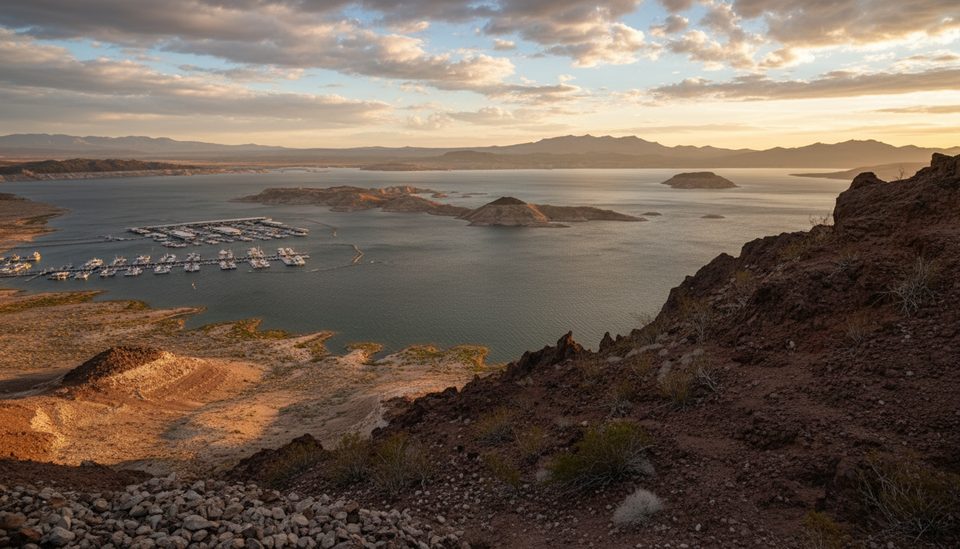
There are numerous pullouts and flat benches before the sandy hill that offer excellent lake views without the soft-sand risk. Lakeside spots can be reachable for lighter vehicles in dry conditions, but think twice with heavy rigs. Lake levels fluctuate, so you may find yourself well back from the water in low-water periods.
There’s no water, toilets, or onsite trash service, and reviewers report scattered trash and broken glass—watch pets and tires and bring sturdy footwear. Pack out all waste (a portable toilet/WAG bags are strongly recommended). Dumpsters have been noted along the road leading in, but not at individual camps.
Weekdays tend to be quiet; some weekends draw late-night partiers. Secure food and trash—coyotes are active. Birders will enjoy regular waterfowl and raptors cruising the shoreline.
Cell coverage is generally strong for Verizon and AT&T, with workable T‑Mobile reported by several campers. Many people are able to work remotely from here.
Late fall through spring is the sweet spot for temperatures and comfort. After rain, clay and sand can turn slick—avoid the final descent until it dries. For quieter nights and better site selection, arrive midweek and earlier in the day. Photographers get pleasing side-light in the first and last hour of sun over the lake and surrounding hills.
Place · 1 mi away
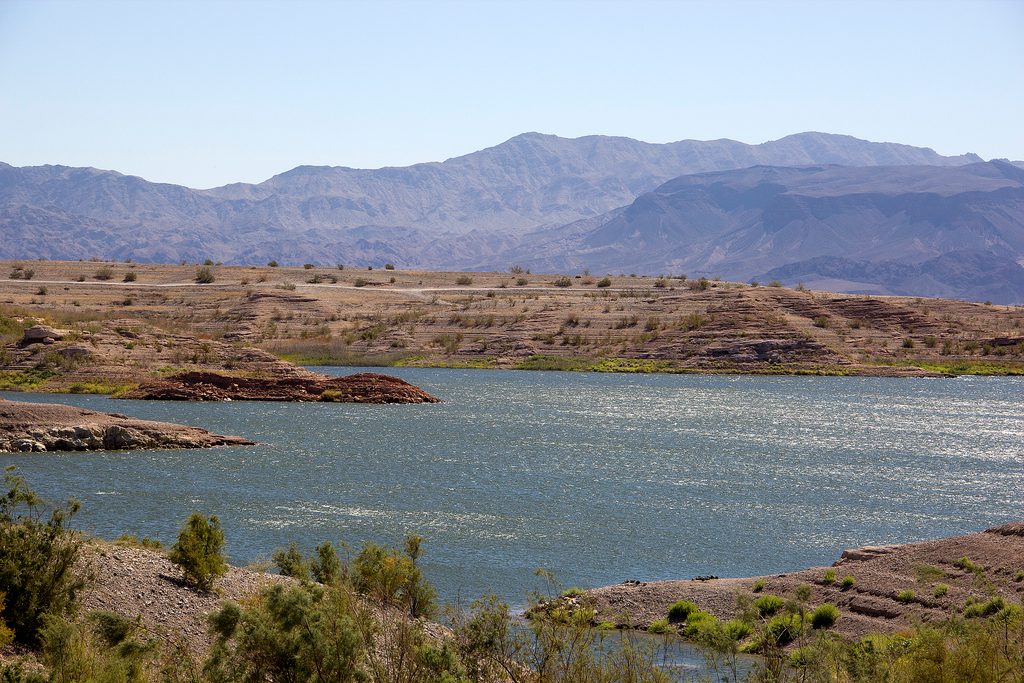
Place · 1.5 mi away
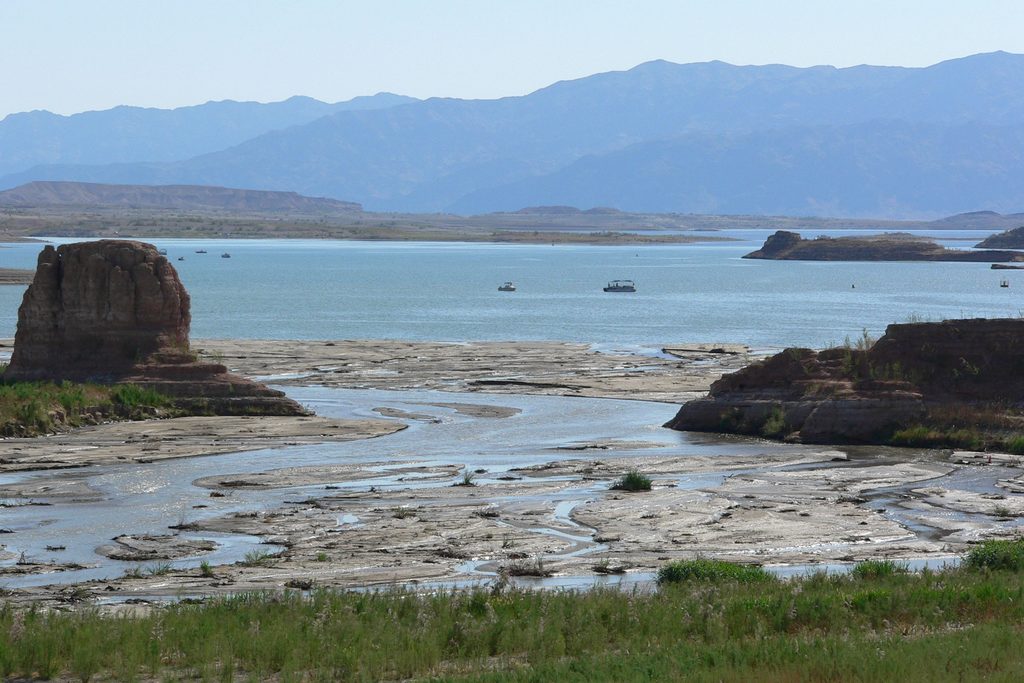
Place · 1.8 mi away
Place · 2.4 mi away
Moderate · 2.6 mi away
Easy · 7.8 mi away
Moderate · 8 mi away
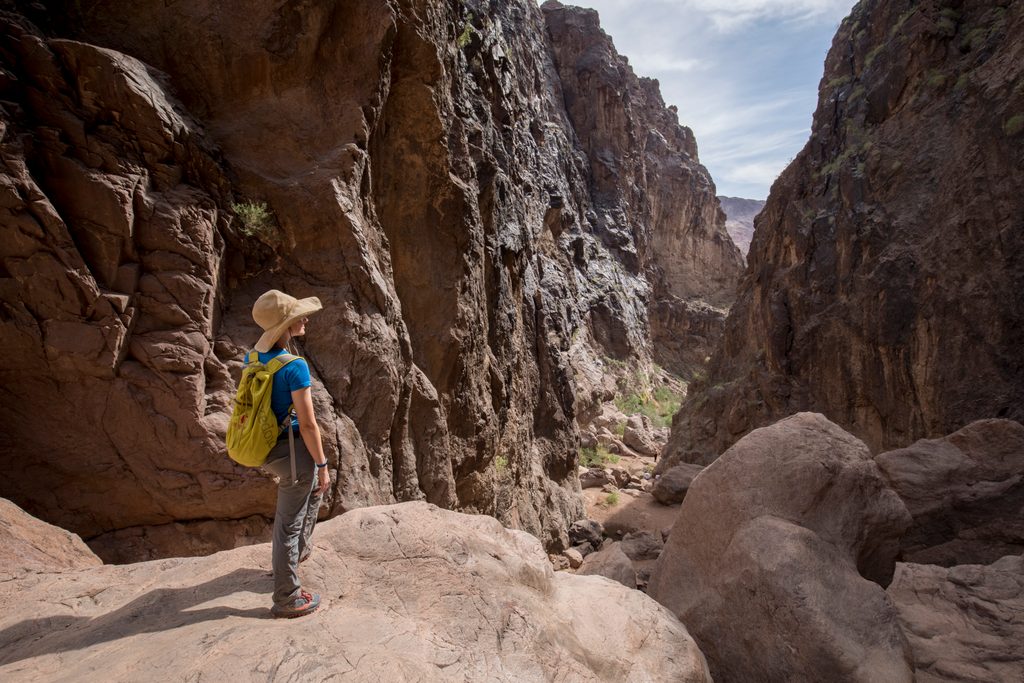
Challenging · 8.1 mi away

Parkwolf Tour Guide
